- Travel + Leisure It List Hotels · 2026
- Relais Chateaux Award · 2026
- Michelin Selected · 2025
- Relais Chateaux Award · 2025
Stone as Architecture: What Matera's Cave Hotels Actually Offer
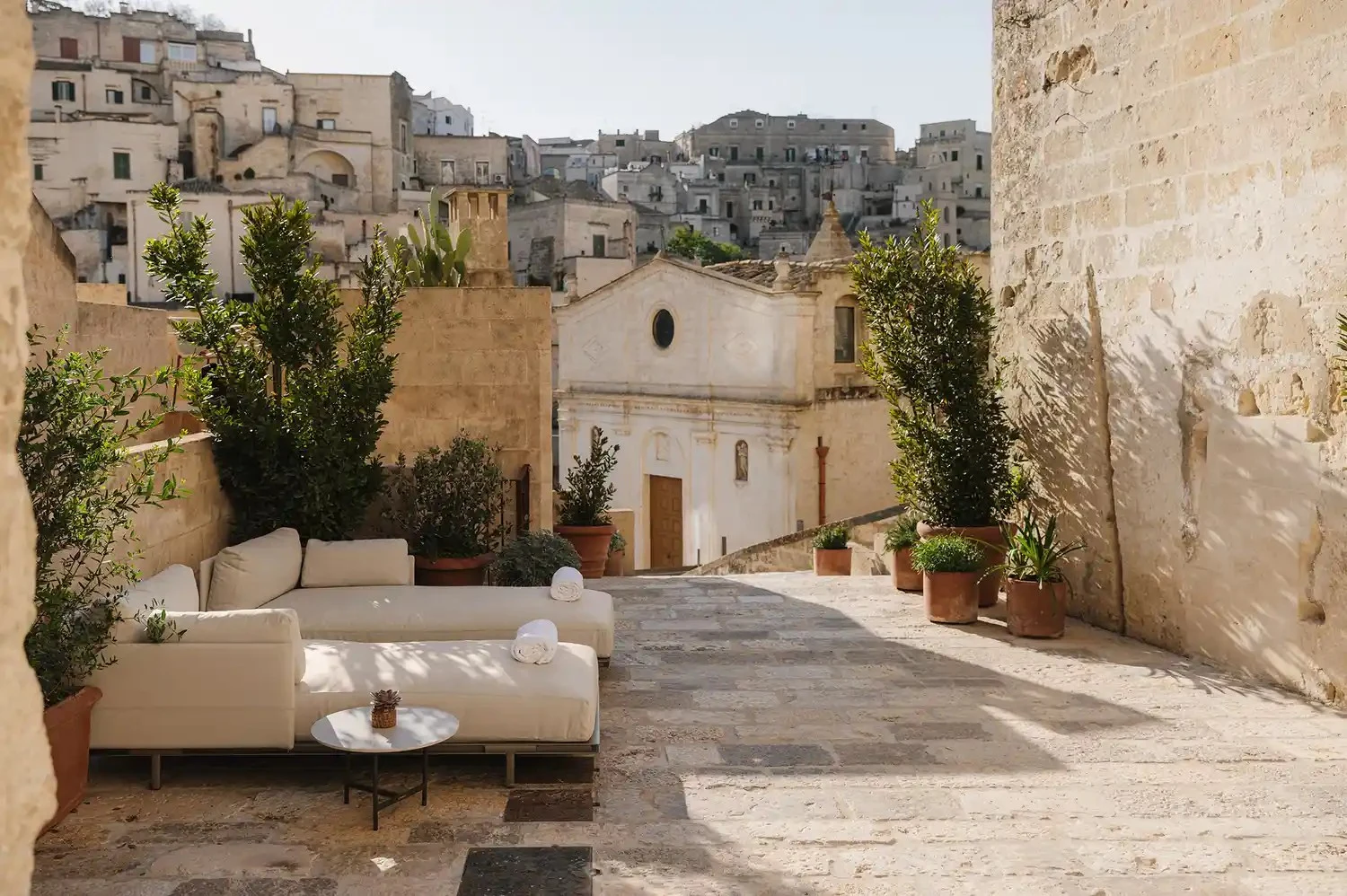
The Sassi di Matera present a problem that few hotel developers anywhere in the world have had to solve: how do you build inside a building that is itself inside a mountain, in a city that UNESCO designated a World Heritage Site in 1993 precisely because of its unbroken physical continuity with the Neolithic? The answer adopted by properties operating in the Rione Vetera district is one of adaptive integration rather than reconstruction. Walls are not added; they are exposed. Ceilings are not raised; they are the tufa ceiling that has existed for millennia. The result is a category of accommodation that sits outside the normal taxonomy of luxury hotels, and Vetera Matera, located at Rione Vetera 28 in the heart of the Sassi, is one of its more focused examples.
What distinguishes the Relais & Châteaux positioning here from a heritage guesthouse is the level of technical intervention. That context matters when assessing value and setting expectations.
The Architecture of Absence: Tufa, Light, and the Logic of Cave Space
Tufa is a sedimentary rock of volcanic origin, porous enough to regulate temperature and humidity passively. The Sassi were carved from it over thousands of years, and the material's thermal properties are why these chambers remained inhabited through Mediterranean summers without mechanical cooling. A room cut into tufa holds at roughly 15 to 18 degrees Celsius without intervention, a fact that shaped every architectural decision made by the ancient inhabitants and continues to shape the experience of staying here today.
The design approach at Vetera Matera is defined by what is left untouched. In a context where the raw stone face is the primary aesthetic element, any addition competes with it. Contemporary cave hotels in Matera generally choose between two strategies: inserting clean-lined modern furniture that steps back from the stone, or layering in warm materials like timber and linen that mediate between ancient and contemporary. Either approach requires a discipline that conventional hotel interior design does not demand. The result is spatial experience that operates at a different register from a room in, say, Four Seasons Hotel Firenze in Florence or Bulgari Hotel Roma in Rome, not superior or inferior, but structured around silence, density, and depth rather than volume, light, and finish.
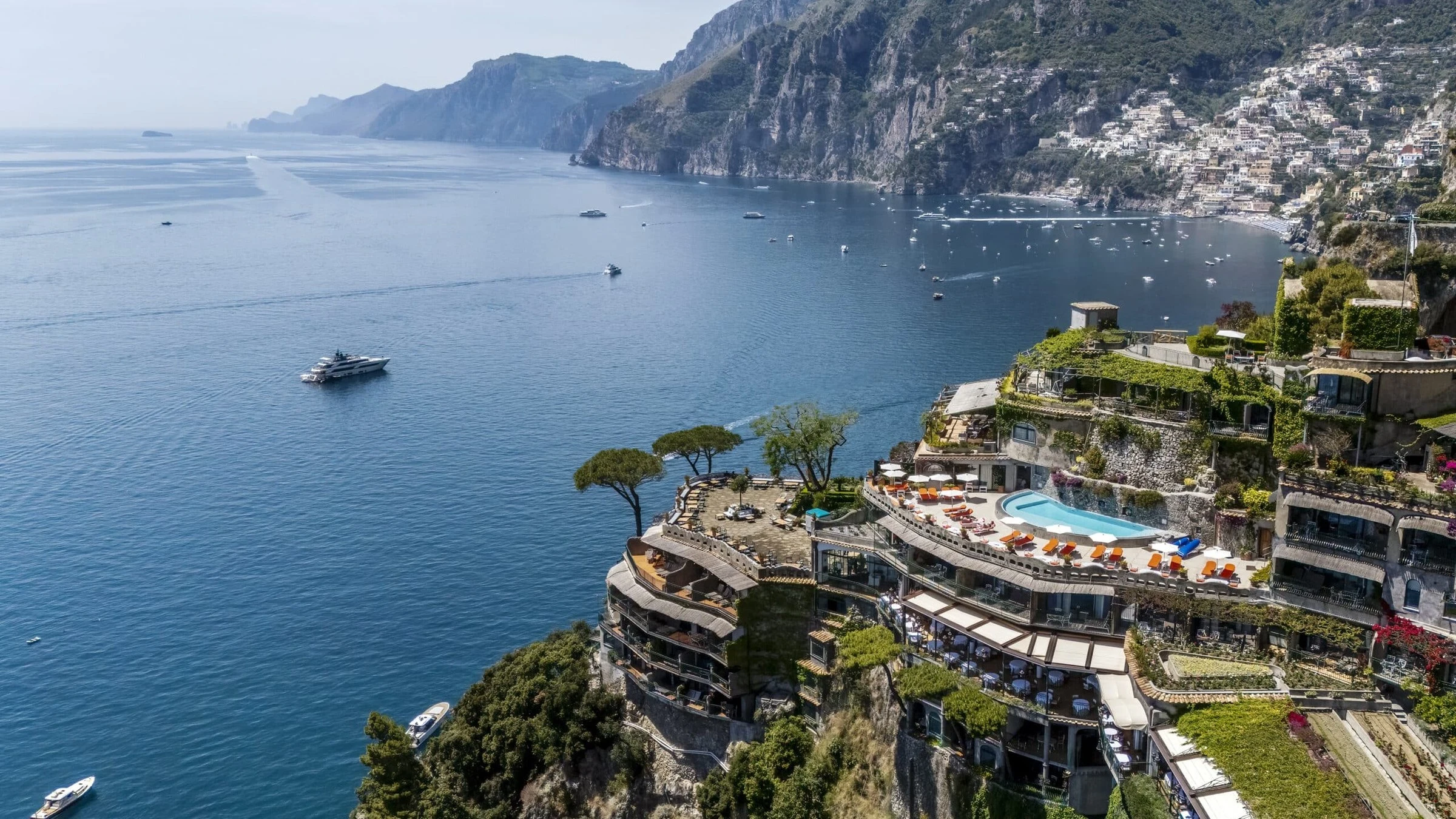
The spa at Vetera Matera follows this same logic. A spa carved into rock is not a design conceit; it is a spatial reality that produces specific physical conditions. Low ceilings, uniform temperature, the near-absence of natural light, and the acoustic deadening effect of stone create an environment distinct from any purpose-built wellness facility. For travellers whose hotel spa experience has been shaped by glass pavilions overlooking coastal views, properties like Borgo Santandrea on the Amalfi Coast or Il San Pietro di Positano in Positano, the underground format is a genuine recalibration of what a spa can feel like.
The View as Historical Document
Across the Gravina gorge from the Sassi, the opposite cliff face is riddled with rupestrian churches and abandoned cave dwellings, some dating to the early Christian period. The view from Vetera Matera is not scenic in the conventional resort sense; it is archaeological. What you are looking at is a cross-section of human occupation across geological time, with Byzantine fresco churches, Neolithic pits, and Norman-era modifications all visible in the same escarpment. No amount of interior design rivals that as a context for a hotel stay.
Matera held the designation of European Capital of Culture in 2019, which brought significant infrastructure investment and refined its international profile considerably. Properties in the Sassi benefited from that period in different ways, and Vetera Matera's Relais & Châteaux affiliation reflects a positioning that pre-dates the 2019 surge and has maintained consistency through it. For context on the broader accommodation options in the district, Sextantio Le Grotte della Civita and Sant'Angelo Matera represent the other reference points in the same cave hotel category, each with distinct approaches to the restoration-versus-insertion question.
Where Vetera Matera Sits in Italian Luxury
Italy's premium accommodation market is broad. At one end sit urban palazzo conversions like Portrait Milano in Milan and Passalacqua in Moltrasio; at the other, landscape-embedded properties like Borgo Egnazia in Savelletri di Fasano or Castello di Reschio in Lisciano Niccone. The cave hotel category in Matera is neither; it is a vertical rather than horizontal relationship with the landscape, and it attracts a traveller who is specifically interested in architectural archaeology rather than pastoral scenery or urban refinement. That specificity makes Matera a harder sell to a general luxury traveller, and a more rewarding one to those whose interest is genuinely calibrated to place.
Rates at Vetera Matera begin from US$343 per night, which positions it at the accessible end of Relais & Châteaux pricing relative to properties like Casa Maria Luigia in Modena or Castel Fragsburg in Merano. Southern Basilicata's cost structure is lower than Tuscany, the Amalfi Coast, or the major northern cities, and that differential is reflected in entry-level rates even at the premium end of Matera's accommodation market. For the category, this represents reasonable value, though visitors should note that the physical constraints of cave architecture place an upper limit on room size and amenity density that cannot be resolved by spending more.
Planning a Stay: What to Know Before You Book
Matera is accessible by train from Bari, approximately one hour by regional rail, or directly from Rome by coach or hire car. The Sassi themselves are pedestrianised; arriving at Rione Vetera 28 requires navigating stone alleyways unsuitable for wheeled luggage. Vetera Matera can be reached by email at veteramatera@relaischateaux.com or by telephone at +39 0835 167 0514, with additional information at veteramatera.com. The Sassi's stone environment means rooms are naturally cool year-round; spring and autumn are the conventional high seasons for visitor numbers, but summer stays are more comfortable here than in many other southern Italian destinations precisely because the tufa architecture performs its original climate function.
Questions
Frequently asked
Who works at Vetera Matera?
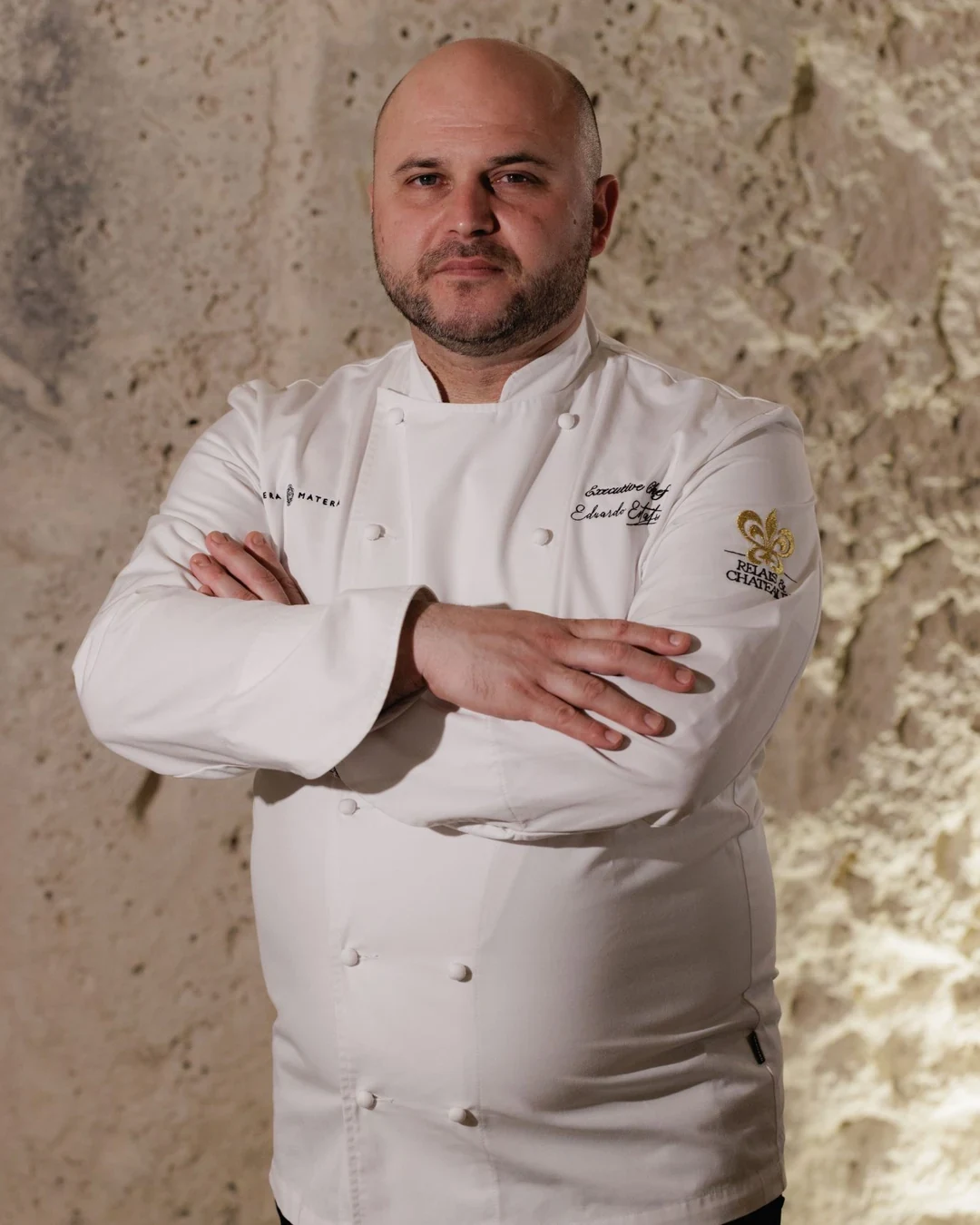
Made By profiles Eduardo Estatico (Chef) at Vetera Matera.
How expensive is Vetera Matera?
Vetera Matera is listed at a price level of $$$$.
The field
How it compares
| Place | Notes | Awards |
|---|---|---|
| Vetera Matera | Rione Vetera, $$$$ | · |
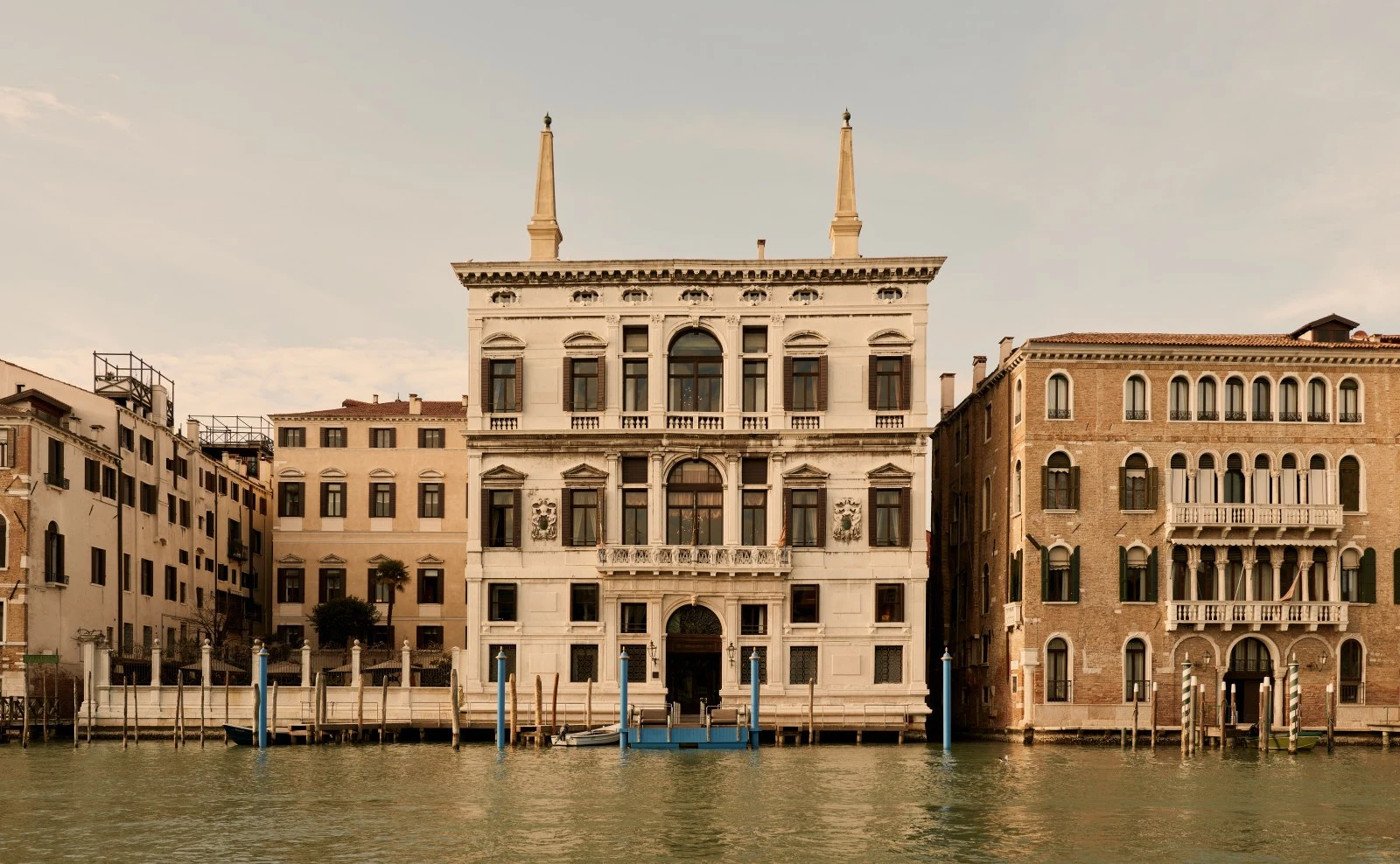
| Aman Venice | Venice | Michelin 3 Keys, World's 50 Best |
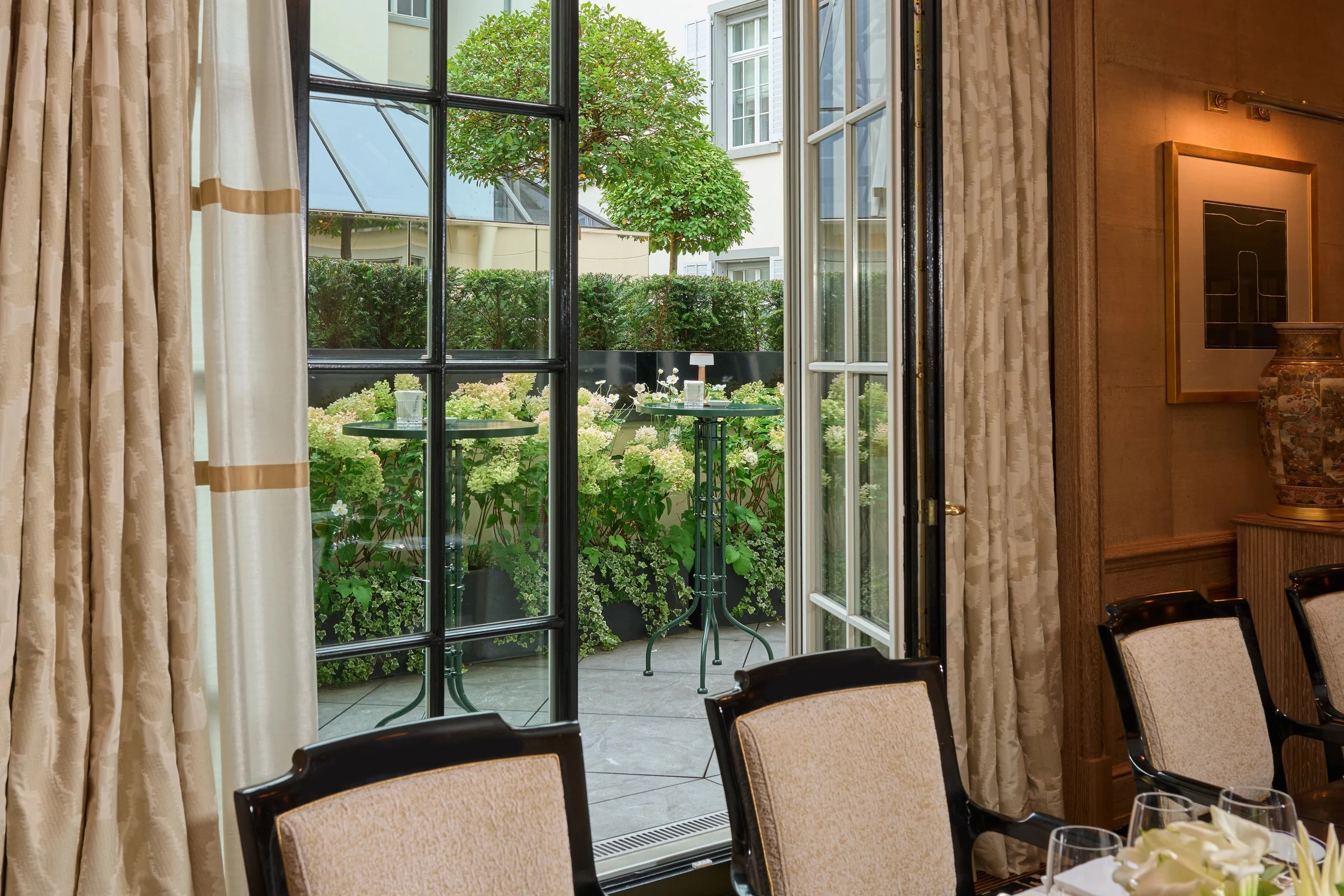
| Baur au Lac | Zürich | Michelin 3 Keys |
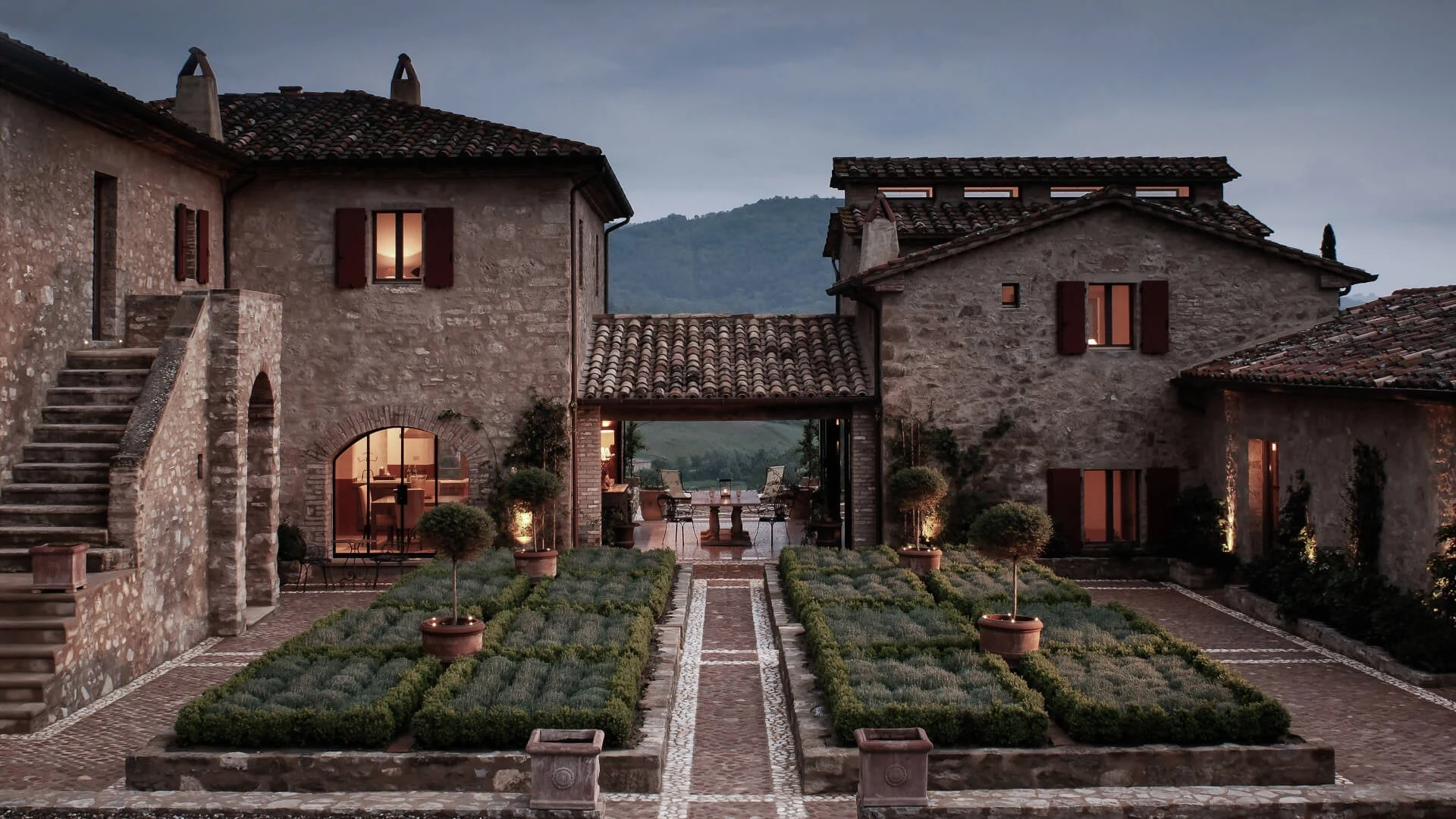
| Castello di Reschio | Lisciano Niccone | Michelin 3 Keys, World's 50 Best |
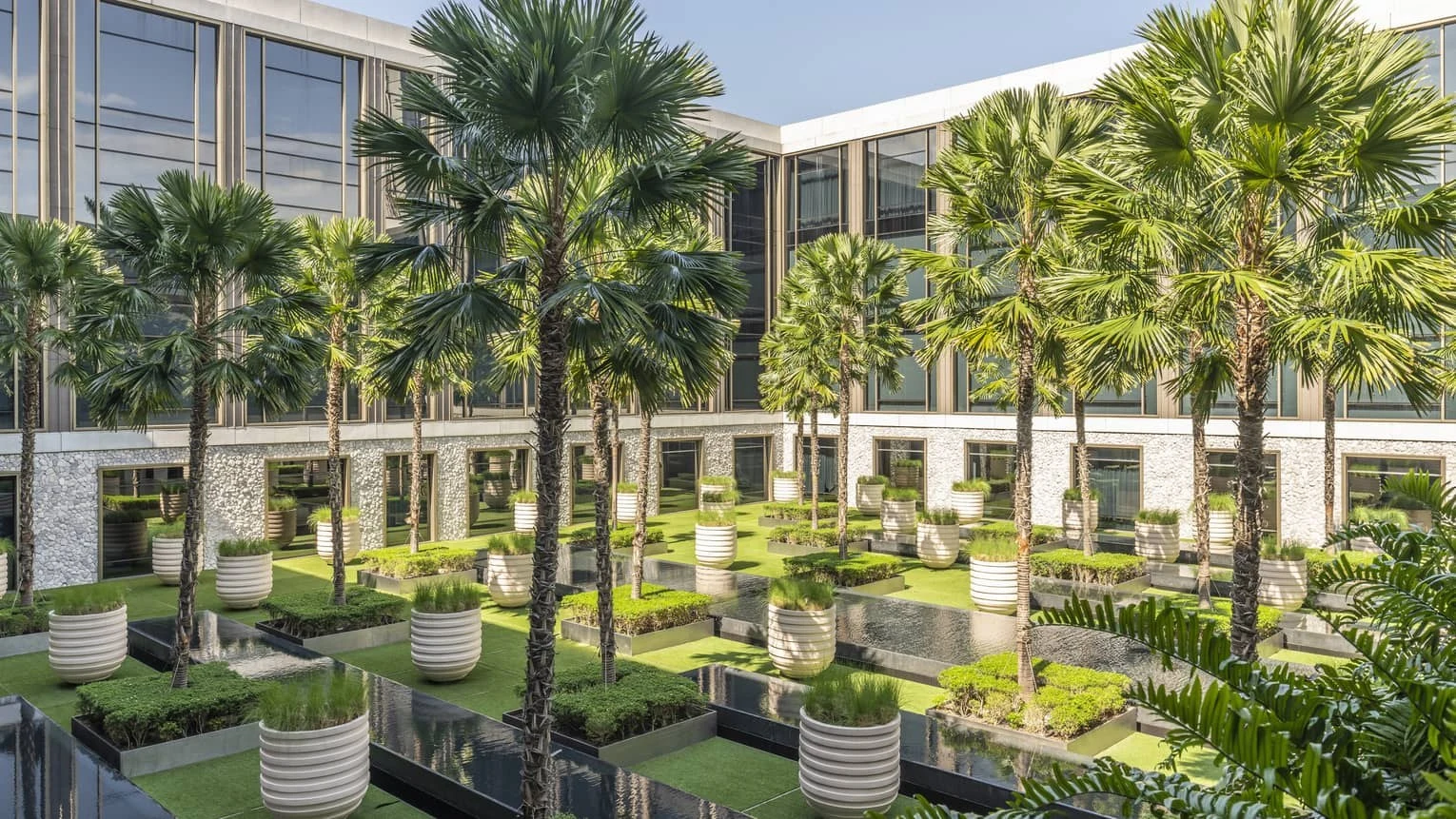
| Four Seasons Bangkok at Chao Phraya River | Bangkok | Michelin 2 Keys, World's 50 Best |
| Il San Pietro di Positano | Positano | Michelin 3 Keys |
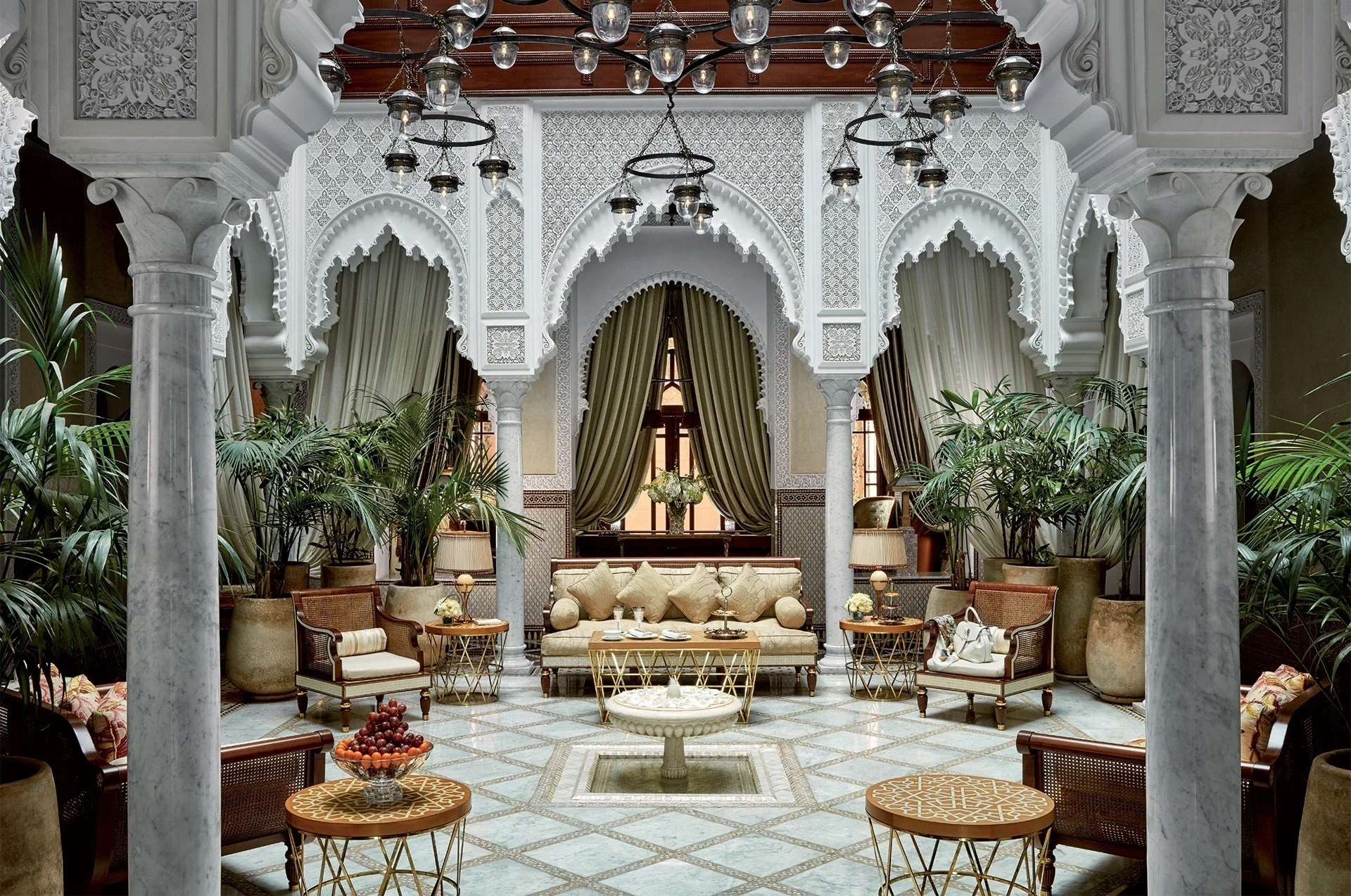
| Royal Mansour | Marrakech | Michelin 2 Keys, World's 50 Best |