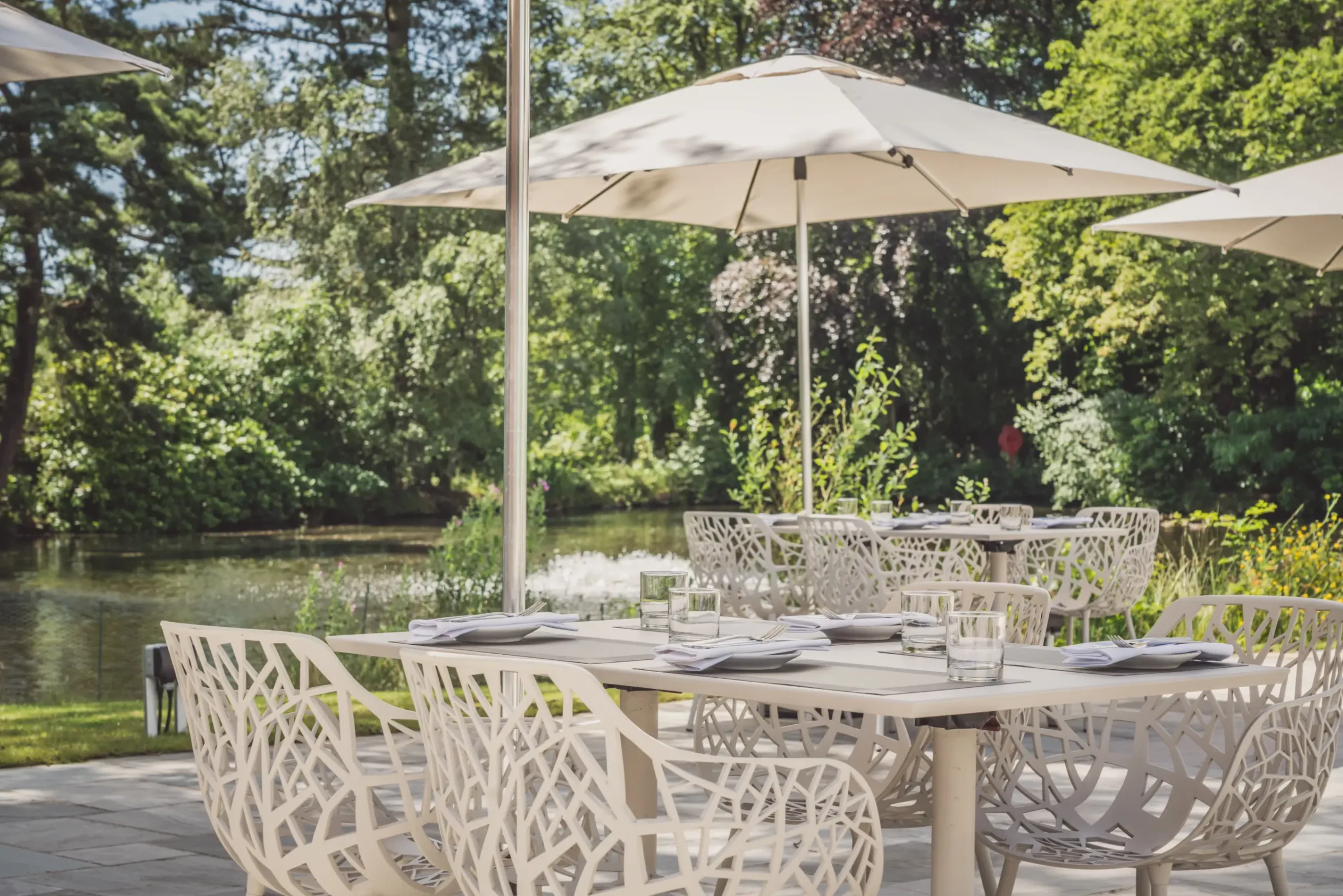
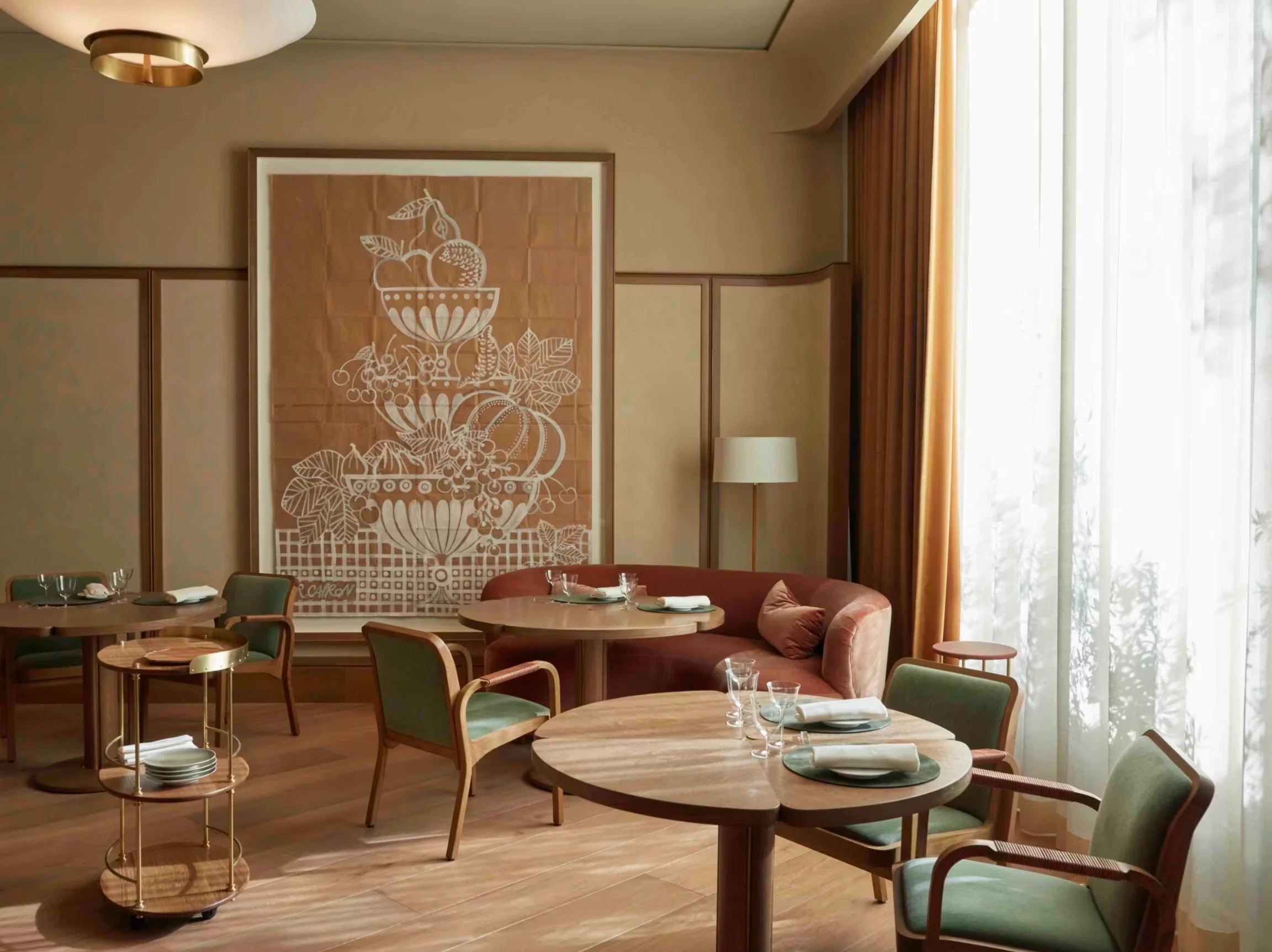
Victor’s Fine Dining by Christian Bau
In Residence
Christian Bau
Chef
- 01CuisineFrench-Japanese
- 02CityPerl Nenig, Germany
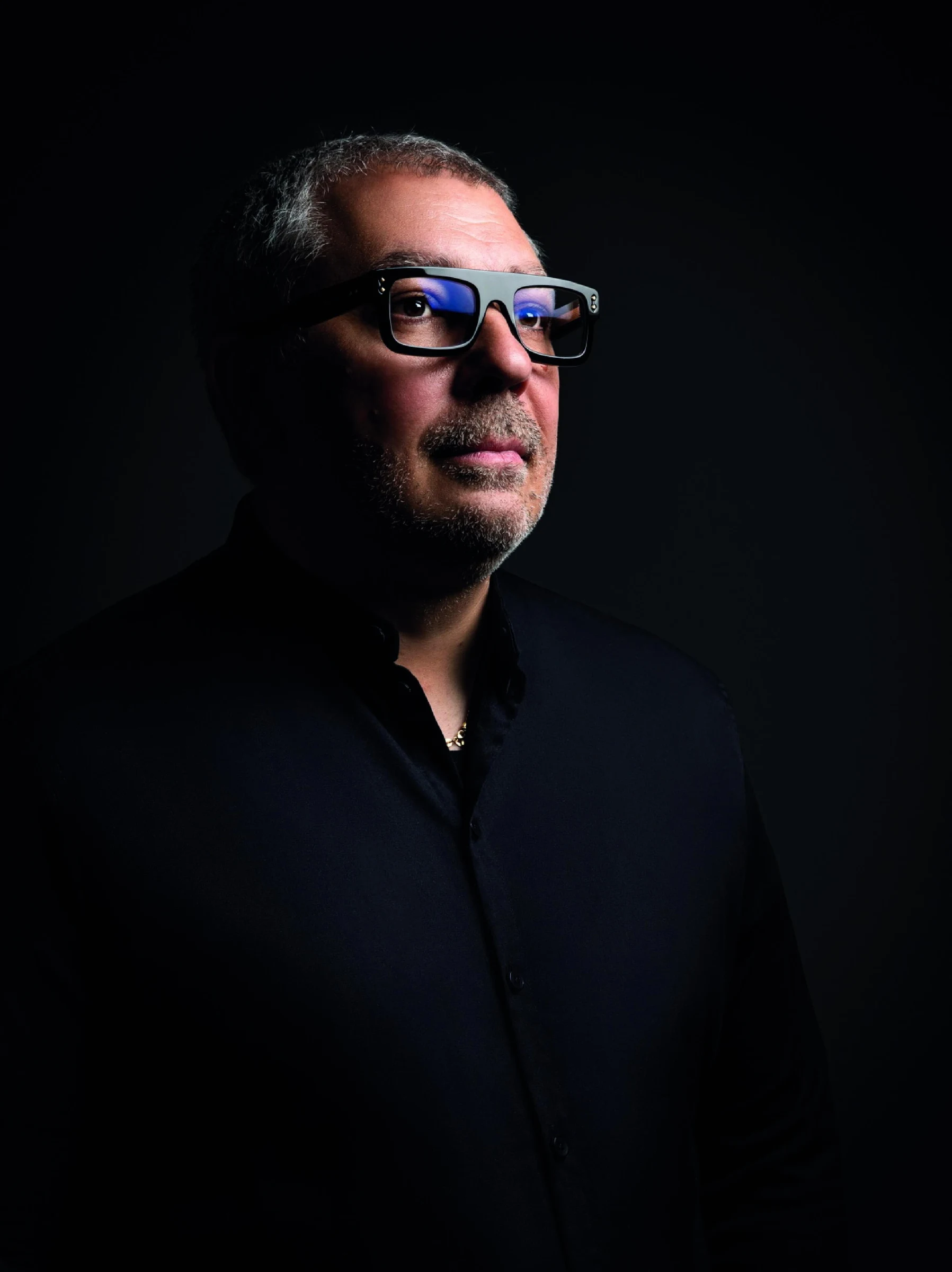
Christian Bau, Head Chef & Host, cooks French-Japanese precision at Victor’s Fine Dining by Christian Bau in Perl Nenig.
- Opinionated About Dining Classical in Europe Ranked #7 · 2026
Control at the pass in Perl Nenig
At the pass, Christian Bau works as Head Chef & Host at Victor’s Fine Dining by Christian Bau in Perl Nenig, keeping the plate inside a narrow register of clarity, polish, and restraint. His formation began at Restaurant Talmühle, where the base grammar was the trade itself: precision, discipline, respect for technique, and the patience to make refinement look simple without making it casual. Schwarzwaldstube added the daily pressure of standards, not as theatre, but as repetition. That sequence matters here because Bau’s mature work does not read as a borrowed style. It has had one dining room in which to settle, sharpen, and become legible.
Perl is the fixed address for that authorship. The restaurant sits in Victor’s Residenz-Hotel Schloss Berg, a 5-star superior house in a reconstructed Renaissance castle in Saarland, close to Germany’s borders with Luxembourg and France. The setting could have pulled the cooking toward ceremony. Bau has kept it on the tools instead: French technique as proportion, Asian influence as seasoning, cut, heat, and lift. The house has held three Michelin stars since 2005, a public measure of consistency as much as ambition. Chef of the Year in 2018 and an Award for Culinary Art and Hospitality sit beside that, but the more useful reading remains the same: foundation, standard, controlled expression.
French structure, Japanese pressure
Bau describes the cuisine as “light, modern & cosmopolitan cuisine with a French basis.” In practice, that basis supplies the architecture. Sauces, reductions, cuisson, and the sequence of a tasting menu give the meal its spine; yuzu kosho, nori algae, katsuobushi, Eastern spices, and Japanese preparation methods change the pitch without loosening the frame. Fish, seafood, and vegetables carry much of the work, which suits a kitchen interested in clarity over weight.
The dishes named from the pass show the method better than any category. Salmon belly with char roe begins with fat and salinity. Saba mackerel with buttermilk and yuzu kosho turns acidity into structure. An ox tartare tartlet with smoked eel emulsion moves between raw beef, smoke, and marine depth; king crab with nori algae and katsuobushi works in a narrower band, all sweetness, iodine, and dried bonito. Langoustine, turbot, and Miyazaki A5 beef have appeared inside the same language. The signature dessert, bau.stein, brings Pan Dan, exotic fruits, and coconut yuzu ice cream into a final course that keeps the kitchen’s Paris-Tokyo vocabulary intact.
The room around the plate
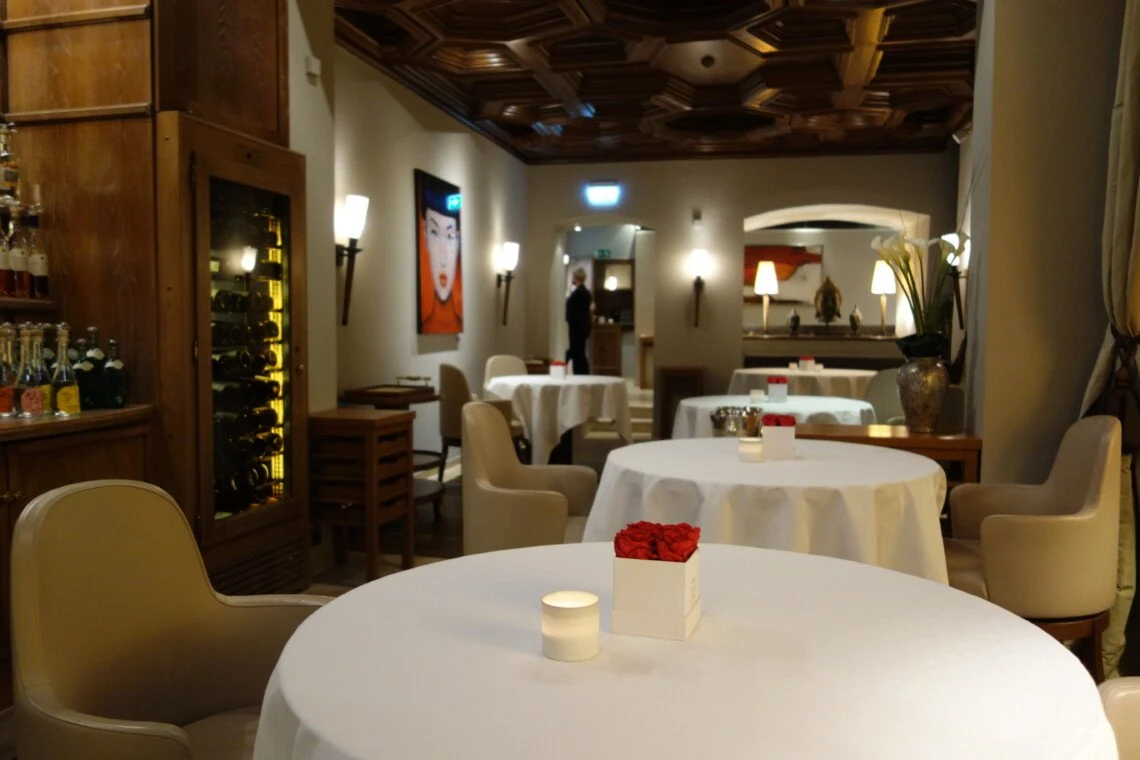
The room is small, with around 20-25 seats, and that scale changes the tempo of the meal. White linens, ornate wood ceilings, and carved Buddha heads sit inside the castle setting, but the craft happens closer to the table than to the architecture. Service can move without spectacle because the room does not need volume to create attention. The pass holds the discipline; the floor carries it quietly.
The wine program gives the cooking a local counterweight. The list is extensive, with a strong selection of Rieslings from the Moselle and Saar, which makes sense beside Bau’s use of acidity, shellfish, smoke, and spice. A Saar Riesling can meet yuzu without turning sharp; an older Moselle bottle can sit with turbot or langoustine without taking the plate away from the kitchen. When the final sweet course arrives, Victor’s Fine Dining by Christian Bau in Perl Nenig still holds the room’s argument.
Questions
Frequently asked
Who leads the kitchen at Victor’s Fine Dining by Christian Bau?
Christian Bau is the Head Chef & Host, and his work is defined by precision, discipline, and restraint.
What kind of cuisine does the restaurant serve?
The restaurant serves French-Japanese cuisine, which Christian Bau describes as light, modern and cosmopolitan cuisine with a French basis.
What is the setting of the restaurant?
Victor’s Fine Dining by Christian Bau is in Victor’s Residenz-Hotel Schloss Berg in Perl-Nennig, a 5-star superior house in a reconstructed Renaissance castle in Saarland near the borders with Luxembourg and France.
What recognition has the restaurant received?
The restaurant has held three Michelin stars since 2005, and Christian Bau was named Chef of the Year in 2018 and received an Award for Culinary Art and Hospitality.
The field
How it compares
| Place | Cuisine | Awards | Notes |
|---|---|---|---|
| Victor’s Fine Dining by Christian Bau | French-Japanese | · | · |
| Caprice | Contemporary French Fine Dining | Michelin 3 Stars, World's 50 Best | Hong Kong |
| DSTAgE | Avant-Garde Spanish Tasting Menus | Michelin 2 Stars | Madrid |
| HAJIME | Avant-Garde Japanese Fine Dining | Michelin 3 Stars, World's 50 Best | Osaka |
| Lasarte | Modern Basque-Mediterranean Fine Dining | Michelin 3 Stars | Barcelona |
| Moor Hall | Modern British Fine Dining | Michelin 3 Stars | Aughton |
| Quince | Modern French Fine Dining | Michelin 3 Stars, World's 50 Best | San Francisco |
In residence
Similar places
Contemporary French Fine Dining
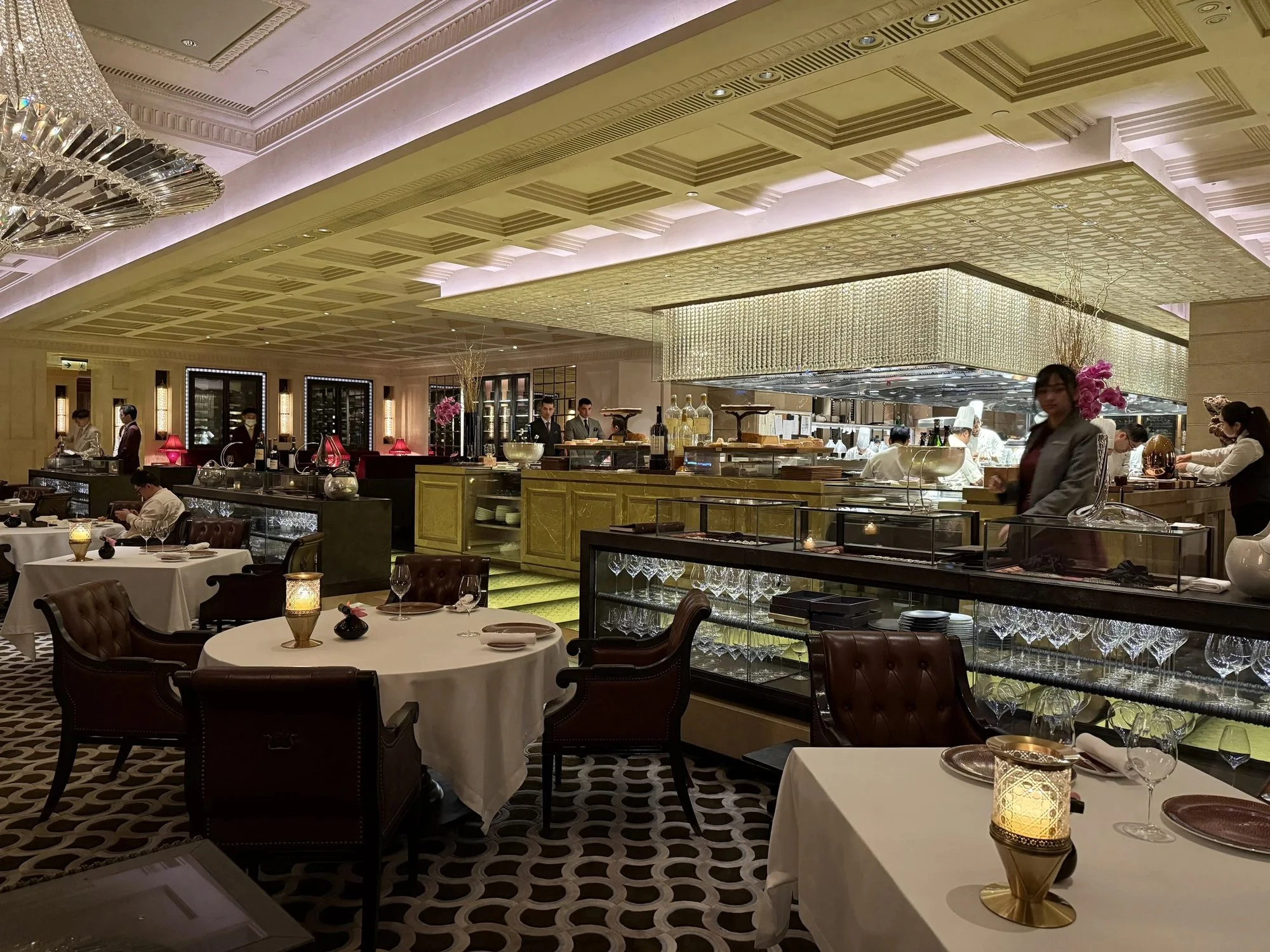
Caprice
Hong Kong, Hong Kong
★★★ · 50 Best
Avant-Garde Spanish Tasting Menus
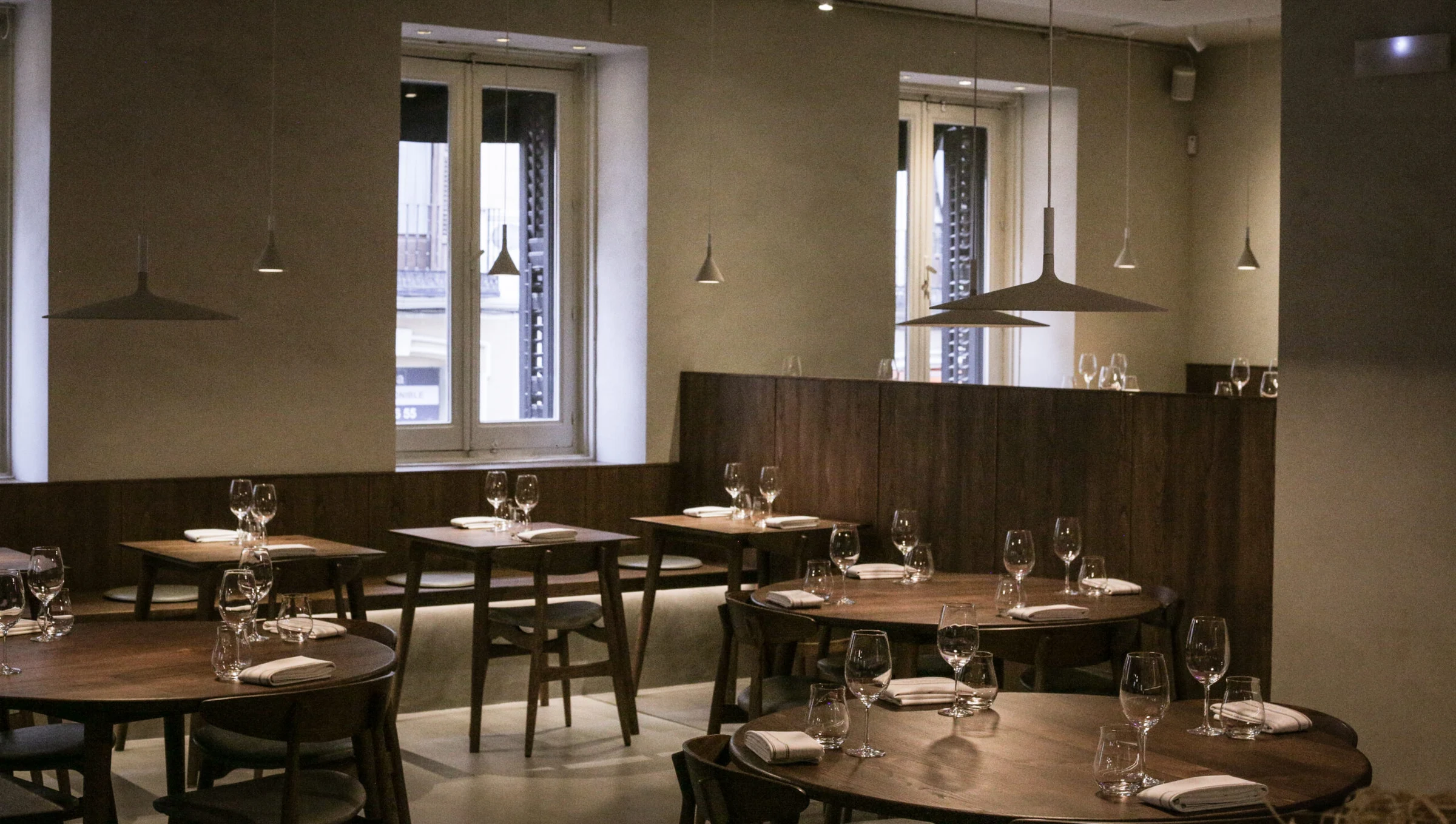
DSTAgE
Madrid, Spain
★★
Avant-Garde Japanese Fine Dining
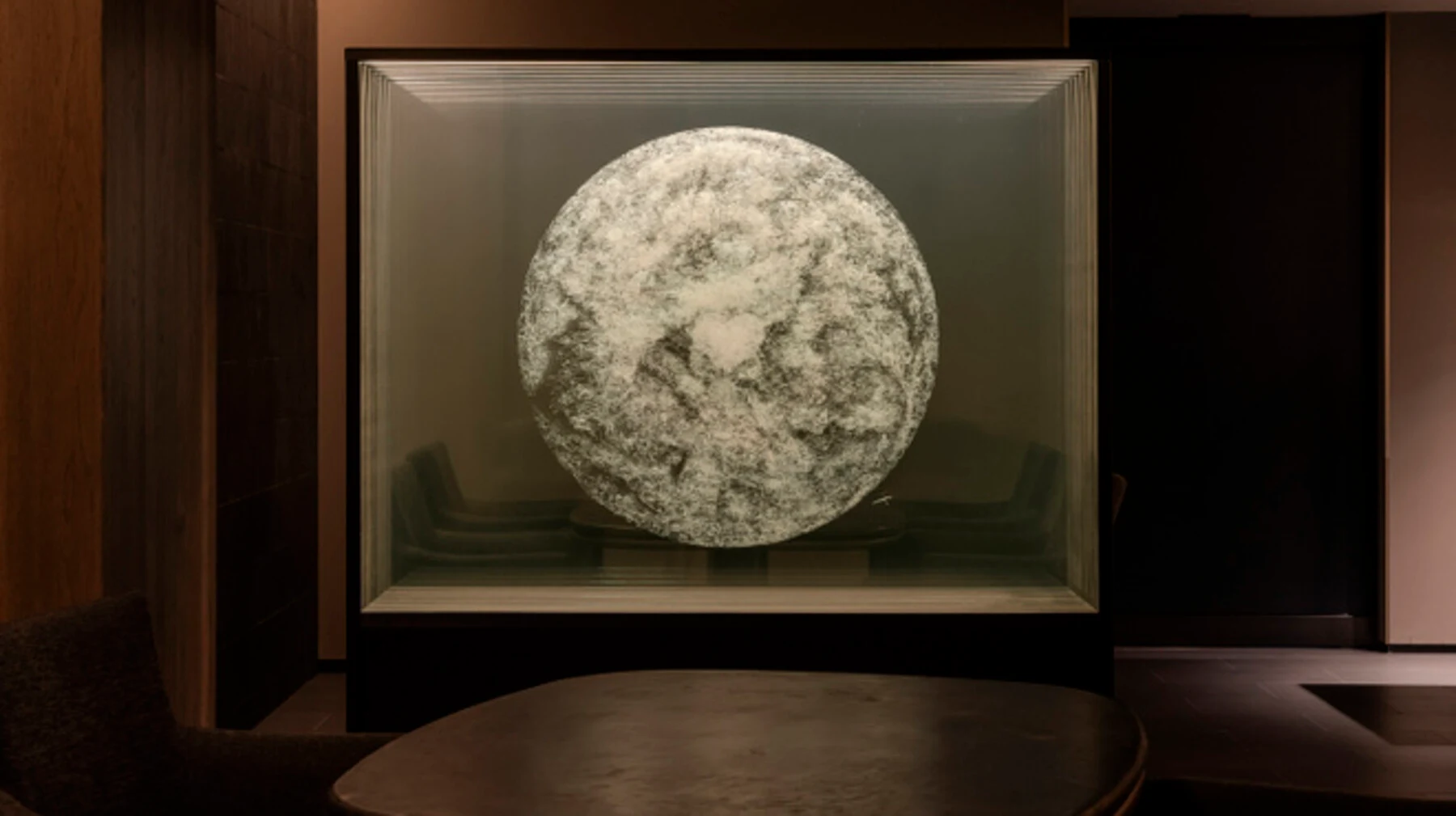
HAJIME
Osaka, Japan
★★★ · 50 Best
Modern Basque-Mediterranean Fine Dining
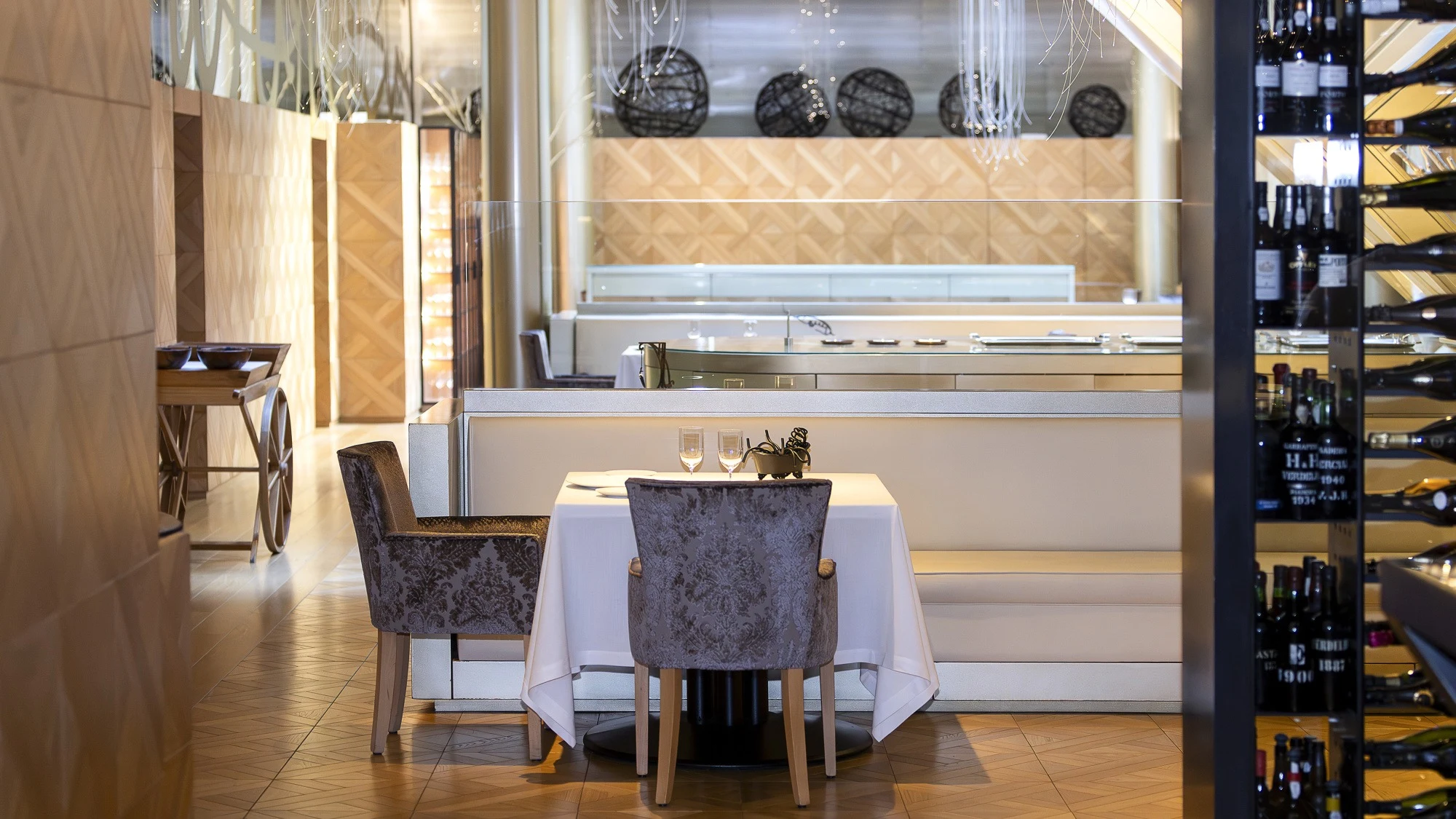
Lasarte
Barcelona, Spain
★★★
Modern British Fine Dining
Moor Hall
Aughton, United Kingdom
★★★
Modern French Fine Dining
Quince
San Francisco, United States
★★★ · 50 Best