Riesling from nine basalt hectares
- Falstaff Winery - Listed · 2026
- Pearl 2 Star Prestige · 2025
Riesling held to the basalt
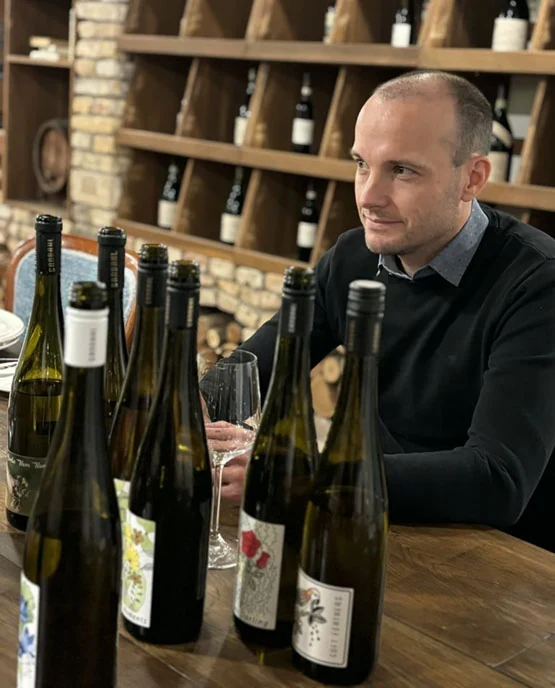
Riesling is the decision Zsolt Palkó keeps returning to as winemaker at Villa Sandahl in Badacsonytomaj, where the vineyard looks over Lake Balaton. At the bench-side level of the cellar, his name is tied to a narrow, disciplined program rather than a broad portfolio: still white wine from Riesling, grown on a hilltop estate in the Badacsony appellation. Zsolt Palkó is the current winemaker here, and the house’s public language places the work in biodynamic, organic and sustainable farming, on basalt-soil vineyards rather than purchased anonymity.
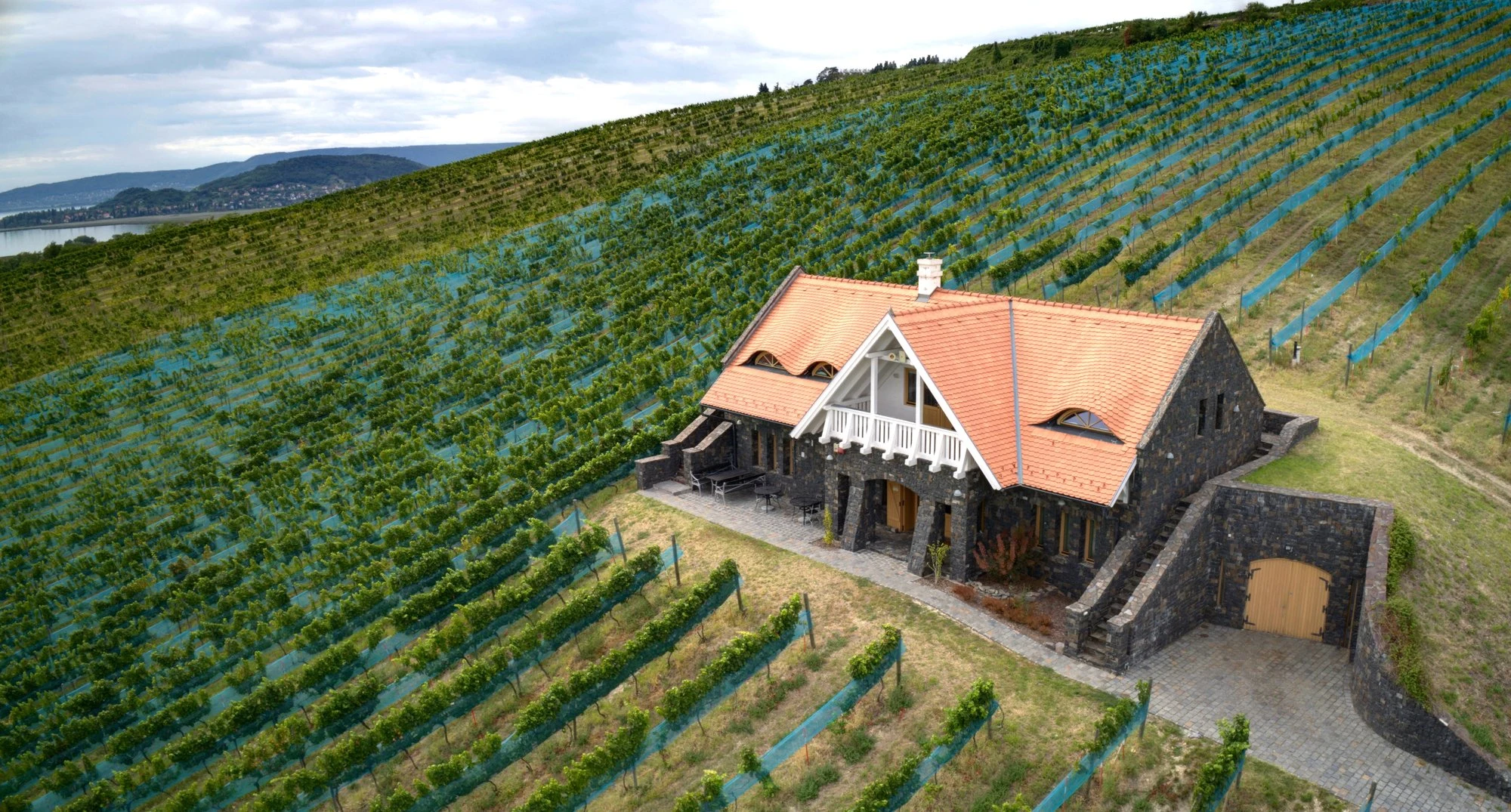
The scale stays boutique. Villa Sandahl farms nine hectares, with the guesthouse and the vines held together on the same estate, a choice that makes the place read less like a tasting stop than a small viticultural house with rooms attached. Palkó’s published signature at the estate is precise: mineral-driven Riesling from Badacsony.
One variety, few distractions
The program at Villa Sandahl is built around single-varietal Riesling, not a long list of grapes competing for attention. Rabbit Periscope Rhine Riesling gives the clearest marker of that method; in 2021 it won the Hungarian Wine Grand Prix for the white wine category. That same year, Villa Sandahl Not Yet 2018 was selected by VinCE Magazine as Wine of the Month. Those recognitions belong to the wines of this address, and they point to a cellar that asks one grape to carry acidity, stone, fruit and site without ornament.
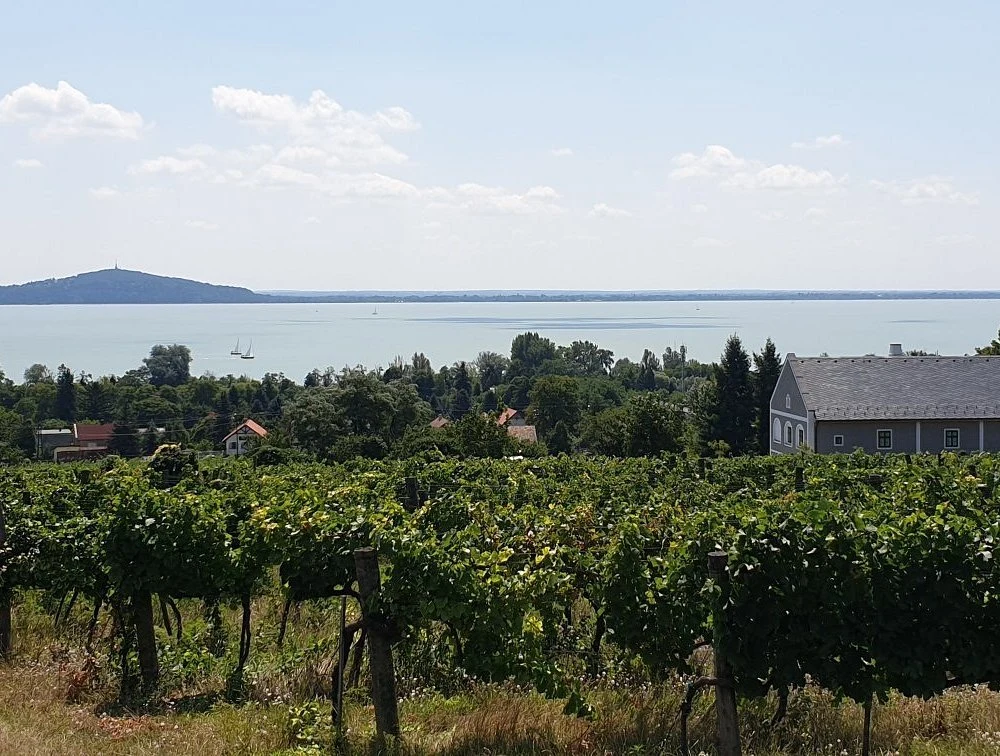
Badacsony gives the work its frame. The estate sits among basalt-soil vineyards above Lake Balaton, and the wines are described through mineral drive rather than oak weight or aromatic sweetness. The production philosophy is biodynamic, and the farming language around the estate includes organic and sustainable practice. The house publishes no fermentation temperatures, vessel choices or élevage timings; Riesling is grown on nine hectares, made as still white wine, and released under labels that have already set public reference points for Palkó’s station.
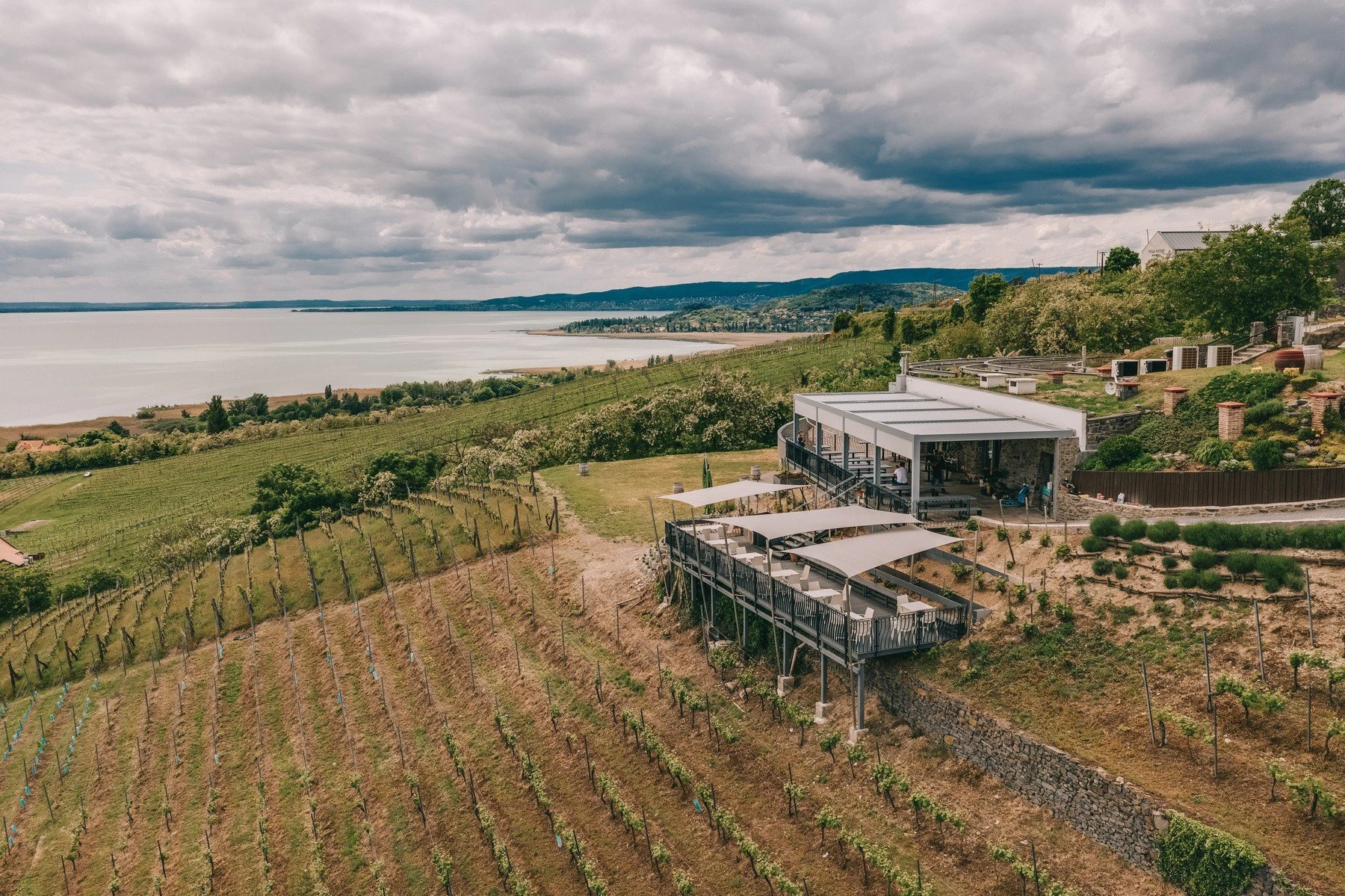
The room above Lake Balaton
The vineyard does not sit apart from hospitality here. Villa Sandahl folds its guesthouse into the estate, with the tasting room and rooms looking toward Lake Balaton through broad natural light. The atmosphere is quiet, Scandinavian in its restraint, and set against the volcanic slope rather than dressed over it. In the tasting room, guided tasting and wine education place the glass back in the vineyard: Badacsony, basalt, Riesling, acidity.
That restraint matters because the place could easily lean on view alone. Instead, the room gives the wine space to stay central. The counter, the glass, the hillside and the cellar all return to the same small set of materials. Palkó’s next work at Villa Sandahl will be judged inside that narrow discipline, where Rabbit Periscope Rhine Riesling remains the named bottle on the bench.
Questions
Frequently asked
Who makes the wine at Villa Sandahl?
Zsolt Palkó is the current winemaker at Villa Sandahl in Badacsonytomaj.
What is Villa Sandahl known for?
Villa Sandahl is built around still white Riesling from basalt-soil vineyards above Lake Balaton, with a public focus on biodynamic, organic and sustainable farming.
What kind of wines does the estate produce?
The estate’s program is narrow and centred on single-varietal Riesling rather than a broad portfolio of grapes.
How do visits work?
Visits are by appointment only, and there is on-site parking.
What is the setting like?
Villa Sandahl sits on a nine-hectare estate in the Badacsony appellation, with the guesthouse and the vines on the same property overlooking Lake Balaton.
The field
How it compares
| Place | Notes |
|---|---|
| Villa Sandahl | Badacsonytomaj, $$$ |
| Château Angelus | Saint-Émilion |
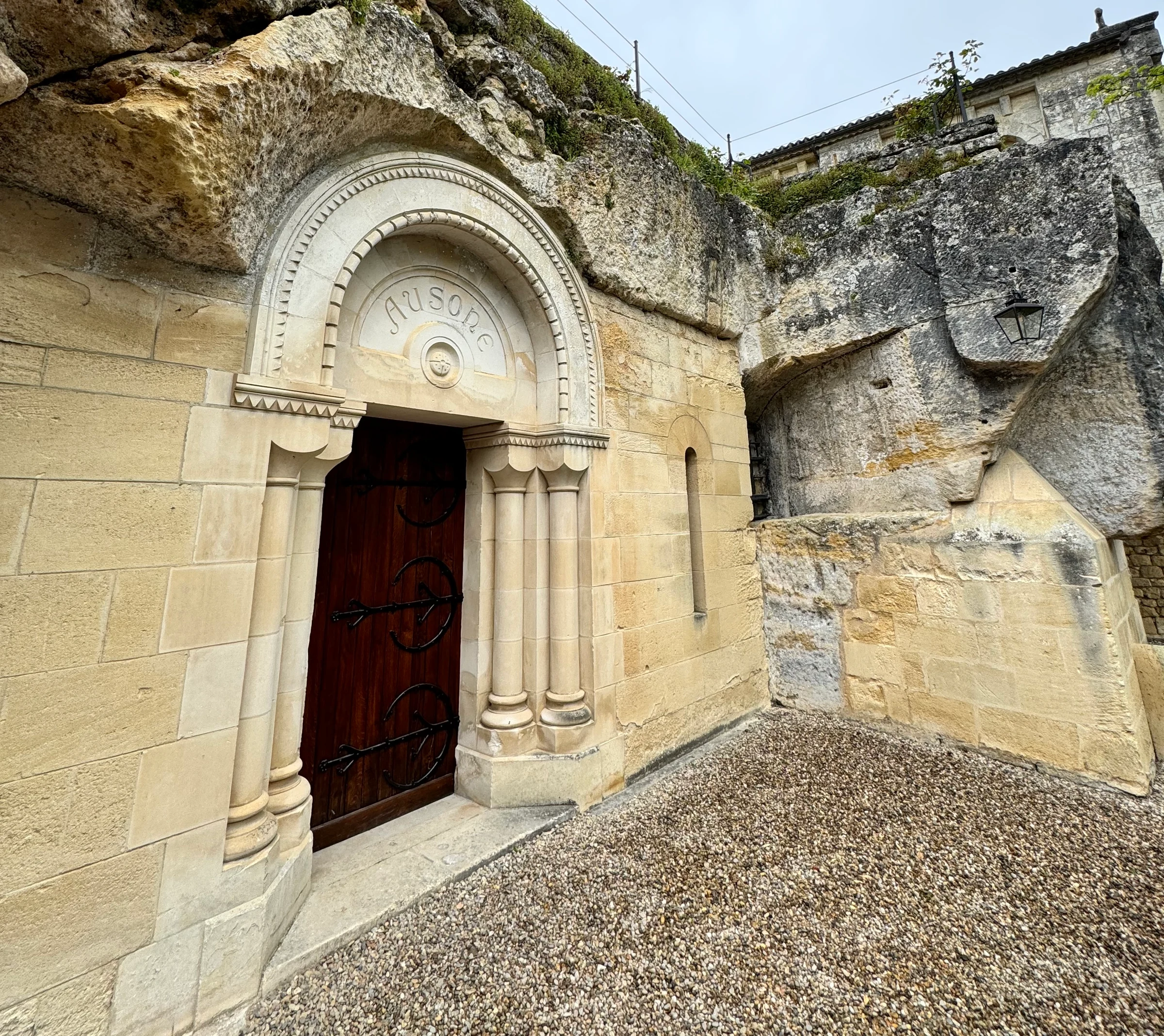
| Chateau Ausone | Saint-Émilion |
| Laposa Estate | Badacsonytomaj |
| Szeremley Estate | Badacsonytomaj |
| Valdicava | Montalcino |
| Varga Pincészet | Badacsonytomaj |