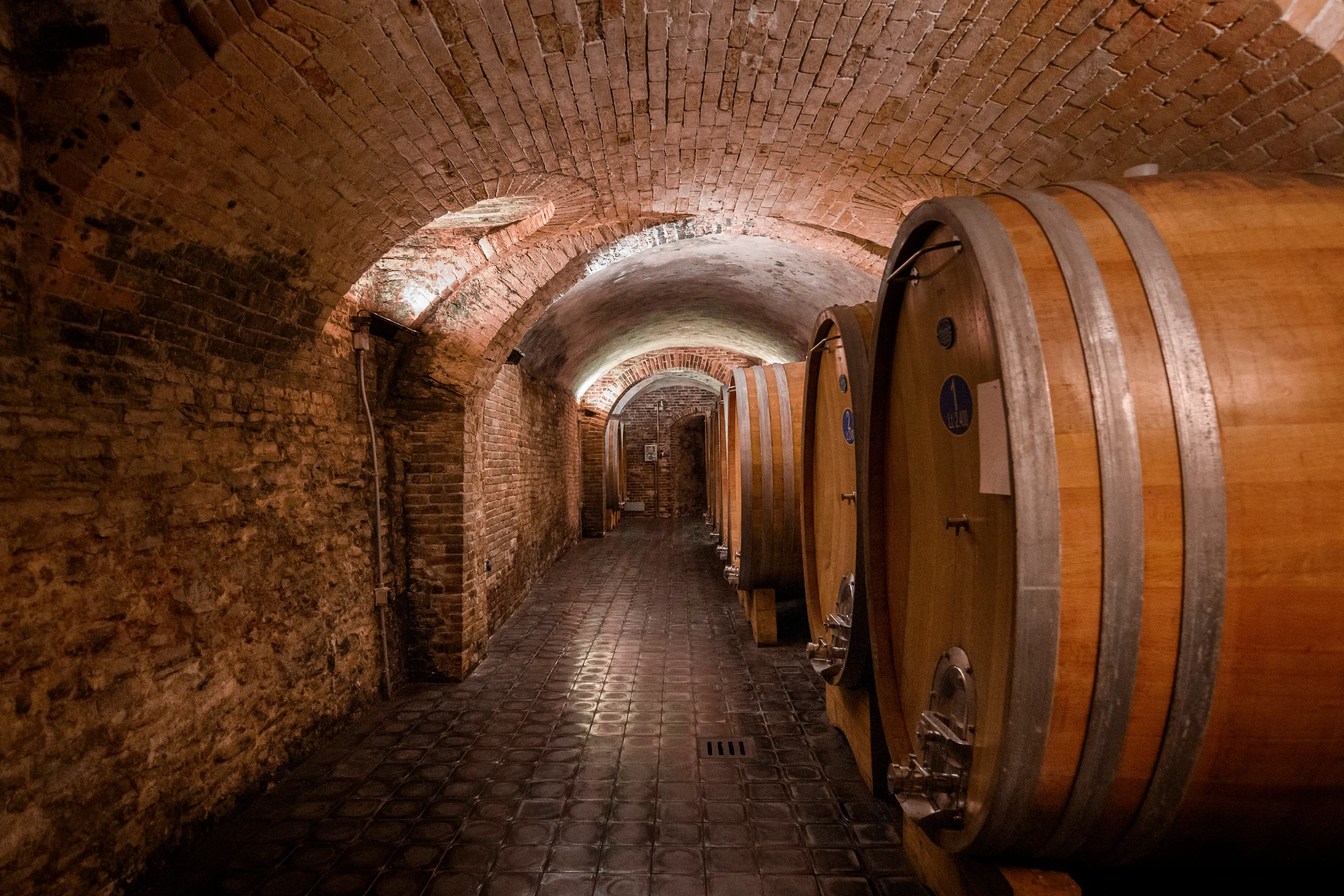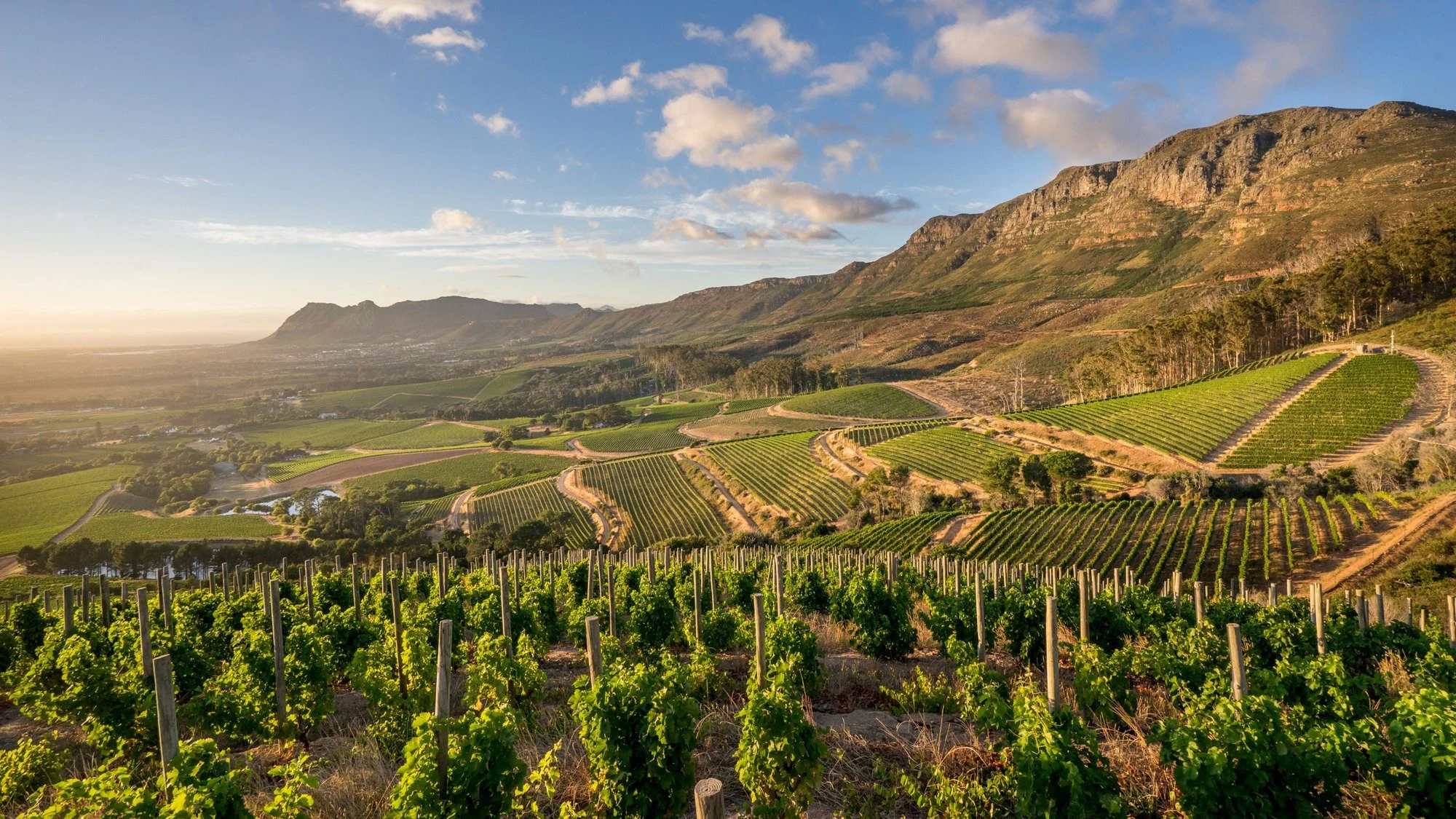
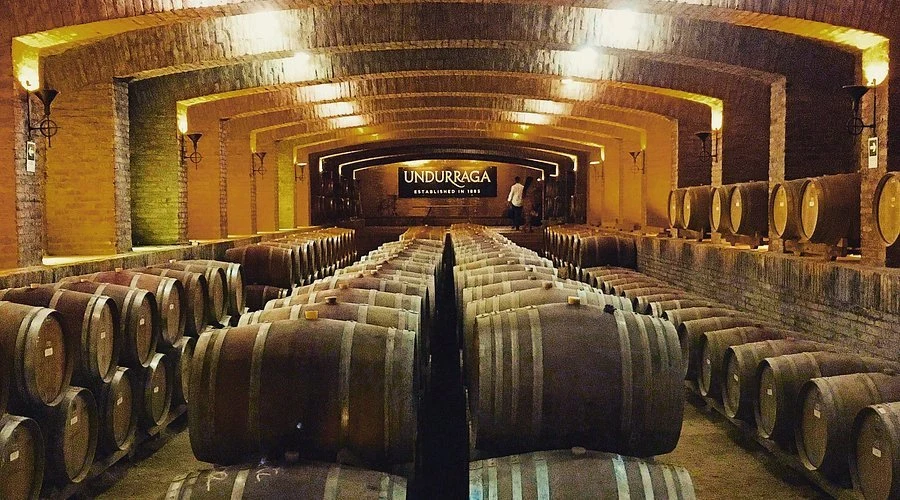
Viña Undurraga sits in Talagante, in Chile's Maipo Valley, where the Andes foothills and Pacific-influenced air converge to shape some of the country's most structured reds and aromatic whites. A Pearl 3 Star Prestige recipient in 2025, the estate operates at the upper tier of Chilean wine tourism, offering visitors a direct encounter with one of the Central Valley's defining terroirs.
<h2>Where the Maipo Valley Makes Its Case</h2><p>The road to Talagante from Santiago runs southwest through a landscape that shifts from urban sprawl to open farmland before settling into the measured geometry of vineyard rows. This is the Maipo Valley's western arc, where the Andes no longer dominate the skyline as they do closer to the capital, and where afternoon winds from the Pacific reach far enough inland to slow ripening and preserve acidity. Viña Undurraga sits along this stretch, at Camino a Melipilla 34, positioned in a sub-zone that Chilean viticulture has long treated as foundational ground for Cabernet Sauvignon and, increasingly, for varieties that reward the valley's diurnal temperature range. The estate's 2025 Pearl 3 Star Prestige recognition places it in a select cohort of Chilean producers where terroir articulation, not just volume, defines the offer.</p><h2>The Argument for Maipo Terroir</h2><p>Maipo is not a monolithic zone. The valley runs roughly east to west, and the soils, elevations, and thermal patterns shift meaningfully across its breadth. The eastern sub-zones closer to the Andean foothills produce Cabernet Sauvignon with firmer tannin structures and pronounced mineral tension. The central corridor, where alluvial soils deposited over centuries by the Maipo River dominate, tends toward rounder profiles and earlier accessibility. The western reaches around Talagante sit on a different register: clay-influenced soils with better water retention, moderated by coastal air that makes the growing season longer and more even. This is terrain that produces wines with less obvious concentration but greater aromatic precision, where the gap between a warm and a cool vintage shows clearly in the glass.</p><p>That terroir argument has become increasingly important to understanding how Chilean wine positions itself globally. For decades, the country's commercial identity was built on Cabernet and Carmenère produced from warm, high-yielding sites. The current direction, visible across producers from <a href="https://www.enprimeurclub.com/wineries/vina-de-martino-isla-de-maipo-winery">Viña De Martino in Isla de Maipo</a> to <a href="https://www.enprimeurclub.com/wineries/vina-sena-panquehue-winery">Viña Seña in Panquehue</a>, is toward site-specific expression and controlled yields, with the Maipo Valley serving as one of the clearest laboratories for that transition. Undurraga's Talagante address places it squarely inside this conversation, on ground that rewards patient viticulture over high-volume extraction.</p><h2>What the Prestige Tier Signals</h2><p>The Pearl 3 Star Prestige award (2025) is not a decoration to be noted and moved past. In a country where the premium wine tier is contested by a growing number of serious estates, recognition at this level functions as a positioning signal. It places Undurraga in a comparable set that includes producers operating with deliberate restraint, whether in yield management, cellar intervention, or release timing. Producers earning comparable recognition elsewhere in Chile's Central Valley, such as <a href="https://www.enprimeurclub.com/wineries/vina-casa-silva-san-fernando-winery">Viña Casa Silva in San Fernando</a> and <a href="https://www.enprimeurclub.com/wineries/vina-montgras-palmilla-winery">Viña MontGras in Palmilla</a>, share a common thread: they are operating their viticulture and winemaking as a long-term argument rather than a short-term commercial play.</p><p>For the visitor, this distinction matters practically. Estates at this recognition tier typically offer a different depth of engagement than general tourism wineries. The conversation about viticulture is more specific, the wines poured more likely to reflect actual production philosophy, and the experience designed around education and tasting rather than volume throughput.</p><h2>Talagante in the Wider Chilean Wine Map</h2><p>Talagante sits close enough to Santiago to serve as a half-day excursion without requiring an overnight stay, which positions it differently from more remote appellations. Chile's wine tourism infrastructure has expanded significantly over the past decade, and the Maipo Valley's proximity to the capital has made it a natural anchor for the category. Visitors building a multi-stop itinerary through Chile's diverse producing regions can treat Talagante as an accessible entry point before travelling further south to appellations like Curicó, where <a href="https://www.enprimeurclub.com/wineries/el-gobernador-miguel-torres-chile-curico-winery">El Gobernador (Miguel Torres Chile)</a> operates, or to the coastal-influenced zones further down the Central Valley where estates such as <a href="https://www.enprimeurclub.com/wineries/vina-valdivieso-lontue-winery">Viña Valdivieso in Lontué</a> and <a href="https://www.enprimeurclub.com/wineries/balduzzi-winery-san-javier-winery">Balduzzi Winery in San Javier</a> work with markedly different soil and climate conditions.</p><p>For those whose interest extends to Chile's non-wine production, the country's distillery culture has developed its own serious tier, represented by producers like <a href="https://www.enprimeurclub.com/wineries/pisco-alto-del-carmen-distillery-huasco-winery">Pisco Alto del Carmen Distillery in Huasco</a> and <a href="https://www.enprimeurclub.com/wineries/atacamasour-distillery-san-pedro-de-atacama-winery">Atacamasour Distillery in San Pedro de Atacama</a>, both of which operate in the arid northern regions where Pisco grapes develop very differently from Maipo Valley fruit. The contrast is instructive for understanding how Chilean terroir varies not just by valley but by the entire climatic logic that runs from the Atacama Desert south to the Bio Bio River. Closer to Talagante, <a href="https://www.enprimeurclub.com/wineries/vina-ventisquero-santiago-winery">Viña Ventisquero in Santiago</a> and <a href="https://www.enprimeurclub.com/wineries/vina-santa-rita-buin-winery">Viña Santa Rita in Buin</a> offer further reference points within the Metropolitan Region itself.</p><p>Those whose comparative interest reaches internationally can find useful parallels by looking at how other regions balance prestige identity with terroir specificity. <a href="https://www.enprimeurclub.com/wineries/vina-falernia-vicuna-winery">Viña Falernia in Vicuña</a> operates in Chile's Elqui Valley under entirely different conditions, making it a useful counterpoint to Maipo's moderate Mediterranean climate. At the other end of the premium spectrum, <a href="https://www.enprimeurclub.com/wineries/accendo-cellars">Accendo Cellars in St. Helena</a> illustrates how Napa Valley handles the same tension between terroir argumentation and prestige positioning that Chilean producers in Undurraga's tier are currently navigating.</p><h2>Planning a Visit</h2><p>Talagante is reachable from Santiago in under an hour by car, making Viña Undurraga a practical choice for a standalone morning or afternoon visit without requiring overnight logistics. The Maipo Valley's tourism season runs year-round, though harvest months between February and April offer the most visible viticultural activity and are generally the most-booked period for estate visits. Booking in advance is advisable, particularly for guided tastings at prestige-tier estates where group size is more likely to be managed.</p>
Undurraga operates as an estate with genuine historical weight in Chilean viticulture, set on agricultural land in Talagante's western Maipo sub-zone. The 2025 Pearl 3 Star Prestige recognition places it in the upper tier of Chilean wine producers, which shapes the tenor of the visit: this is a working prestige estate, not a lifestyle destination. Expect a structured, wine-forward experience rather than casual drop-in tourism.
Viña Undurraga is located at Cam. a Melipilla 34, Talagante, Región Metropolitana, Talagante.
Viña Undurraga has received recognition including: Pearl 3 Star Prestige (2025).
The Maipo Valley's strengths are concentrated in red varieties that respond well to its alluvial soils and strong diurnal temperature shifts, making the estate's tier-defining reds the logical focus for any tasting. Undurraga's 2025 Pearl 3 Star Prestige standing signals that its upper-range releases are where the estate makes its clearest argument for Maipo terroir. Contact the estate directly to confirm which specific labels are available for tasting at the time of your visit.
The primary draw is direct access to a Pearl 3 Star Prestige-rated producer on its home ground in Talagante, within an hour's drive of Santiago. For wine-focused travellers, that proximity means a half-day excursion can deliver a credible encounter with one of Maipo's recognised prestige-tier estates without an overnight stay. Few Chilean wine regions offer that combination of accessibility and formal recognition at this level.
Booking channels are not confirmed in current public records, so contacting the estate directly through its official address at Cam. a Melipilla 34, Talagante, is the most reliable starting point. Specialist Chilean wine tour operators often hold confirmed access to prestige estates like Undurraga and can be a practical alternative if direct contact is slow. Confirm visit formats and availability well in advance, particularly for group bookings.
Given its 2025 Pearl 3 Star Prestige award, Undurraga anchors a Maipo Valley itinerary with verifiable credentials rather than just regional reputation. Talagante sits close enough to Santiago that incorporating it into a broader valley circuit adds minimal travel time. Estates at this recognition level are the reference points around which a serious Maipo tasting route is best built.
Cam. a Melipilla 34, Talagante, Región Metropolitana
Talagante