Weingut Blesius
- 01CityGraach, Germany
- Falstaff Winery - 2 Stars · 2026
Graach is a Mosel village where the landscape itself is a major part of the visit: vineyards and steep slopes shape the mood before any detailed planning begins. Weingut Blesius should be understood through that setting. The available profile identifies it as a family-run Mosel winery in Graach with a traditional, nature-forward ethos and a scenic steep-slope vineyard context. That is the firm editorial ground.
For travelers, that makes Weingut Blesius a place to evaluate less as a restaurant-style destination and more as a classic Mosel winery stop. The confirmed price level is $$, and the atmosphere is best described as scenic, classic, rustic, and cozy. Those cues matter: they point toward a traditional family winery experience rather than a high-gloss hospitality concept. Anyone planning a visit should confirm practical details directly with the winery before building an itinerary around tastings, purchases, group visits, accessibility, or timing.
Steep Mosel slopes make the argument before the glass does
The most reliable way to frame Weingut Blesius is through place. The information ties the winery to Graach and to a scenic steep-slope vineyard setting. In the Mosel, that landscape is not a decorative extra; it is central to how visitors experience the region. Even without confirmed specifics about grape varieties, individual sites, cellar techniques, or bottling hierarchy, the setting communicates why people come to Graach for wine: slopes, views, a slower rhythm, and a close relationship between village and vineyard.
That does not mean the page should overstate what is known. A careful visitor should therefore treat this as a grounded orientation rather than a technical producer profile. The appeal that can be stated confidently is the setting and character: Weingut Blesius is a family-run Mosel winery in Graach with a traditional and nature-forward identity.
For planning purposes, the scenic component is part of the value. A stop here fits travelers who want a rustic, classic Mosel atmosphere and a winery experience connected to steep vineyard scenery. It is not appropriate, on the record, to promise a particular tasting menu, specific bottles, walk-in availability, food pairing, cellar tour, lunch, delivery, or retail format. Those details may matter a great deal to the visit, but they need direct confirmation.
A family estate, not a destination built by committee
The family-run character is one of the few concrete facts confirmed for Weingut Blesius, and it is worth preserving because it shapes expectations. A family-run winery often reads differently from a venue designed primarily as a polished visitor attraction: the tone can be more personal, more regional, and more closely tied to everyday vineyard life. For Weingut Blesius, the descriptors support that kind of interpretation: traditional, nature-forward, scenic, classic, rustic, and cozy.
Those words are useful because they help set the right mood without inventing unsupported specifics. They do not confirm who owns or operates the winery, how long the family has been involved, how the vineyards are farmed, what the cellar practices are, or which wines are poured. They do, however, give travelers a reliable sense of category. This is a Mosel winery in Graach to consider when the goal is a grounded, landscape-led visit rather than a venue defined by spectacle.
The nature-forward ethos should also be kept general. It is as part of the venue’s identity, but no specific environmental certification, farming method, or production protocol is confirmed in the source data for this edit. The safest reading is therefore atmospheric and philosophical rather than technical: Weingut Blesius presents itself in connection with its natural steep-slope surroundings and a traditional Mosel winery sensibility.
How to read the visit: setting first, logistics second
Approach Weingut Blesius with the essentials in mind. It is in Graach. It is a family-run Mosel winery. It has a scenic steep-slope vineyard setting. Its price level is $$. Its style is classic, rustic, cozy, traditional, and nature-forward. Those facts are enough to make it relevant for travelers planning a Mosel wine itinerary, but not enough to assume a specific schedule, format, menu, bottle list, or service model.
Because the record is deliberately limited, the practical recommendation is simple: use this page as a positioning guide, then confirm the details that affect your day. Ask the winery directly about visiting hours, tastings, reservations, group policies, purchases, accessibility, children, pets, food, transport, and any seasonal changes. That approach keeps expectations aligned with what is actually known.
For a broader Graach plan, it is reasonable to compare Weingut Blesius with other unnamed dining and wine options in the area, while keeping the focus on what distinguishes this address in the data: a family-run Mosel winery identity and a scenic steep-slope vineyard setting. The editorial case is concise but clear. Weingut Blesius is not presented here through awards, technical wine claims, or historic dates; it is presented as a traditional, nature-forward winery in Graach for visitors who value Mosel scenery, rustic atmosphere, and a classic family-run context.
Questions
Frequently asked
How expensive is Weingut Blesius?
Weingut Blesius is listed at a price level of $$.
The field
How it compares
| Place | Notes |
|---|---|
| Weingut Blesius | Graach an der Mosel, $$ |
| Château Rayas | Châteauneuf-du-Pape |
| Domaine de la Romanée-Conti | Vosne-Romanée |
| Domaine Dujac | Morey-Saint-Denis |
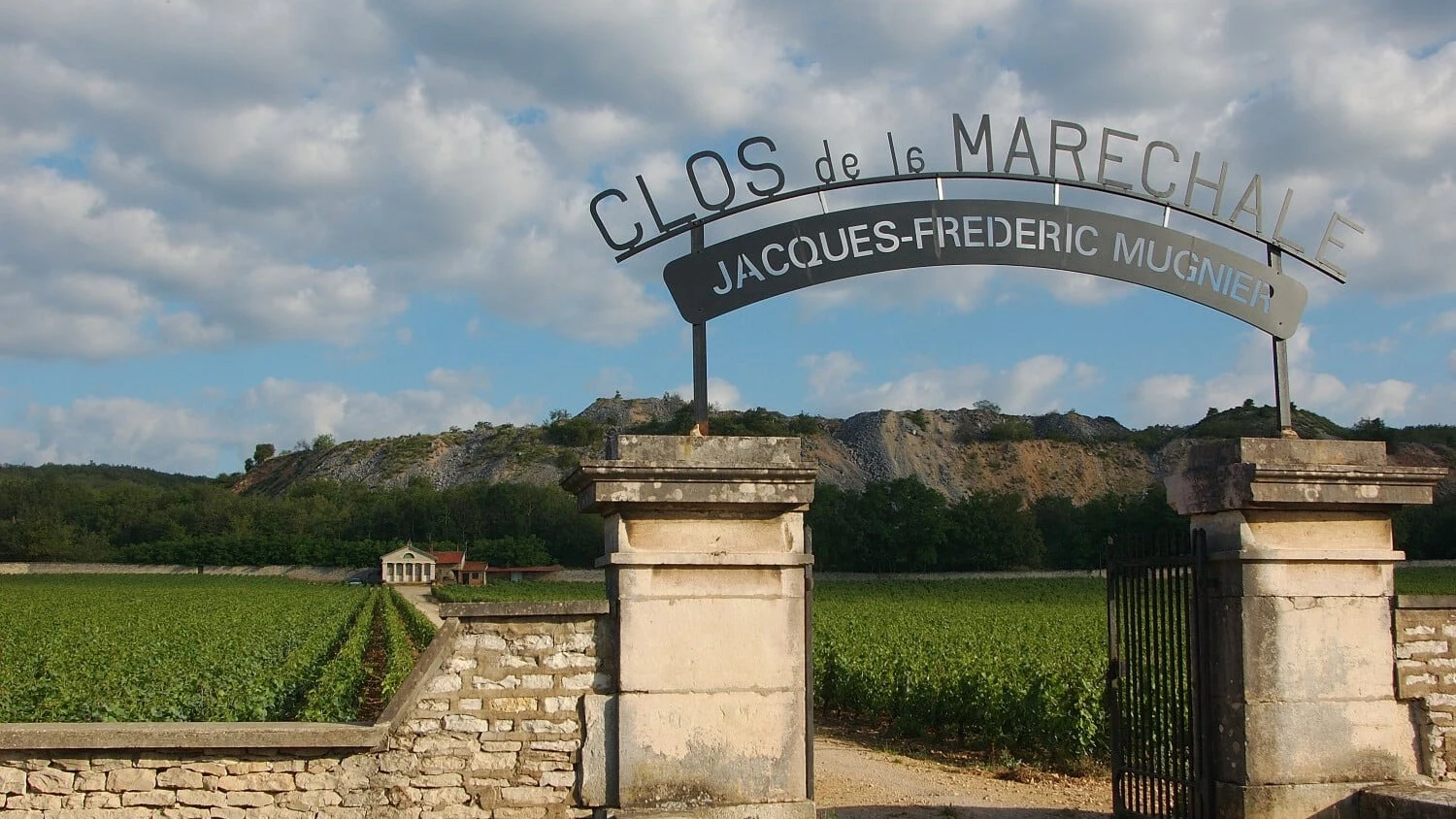
| Domaine Jacques-Frédéric Mugnier | Premeaux-Prissey |
| Kees-Kieren | Graach |
| La Rioja Alta | Haro |