Weingut Emmerich Knoll sits at Unterloiben 132 in the Wachau, one of Austria's most demanding wine regions, where the interplay of Danube climate, terraced gneiss and loess soils, and multi-generational craft produces Riesling and Grüner Veltliner that regularly draw international allocation attention. The estate holds a Pearl 3 Star Prestige award (2025), placing it in the upper tier of Austrian producers.
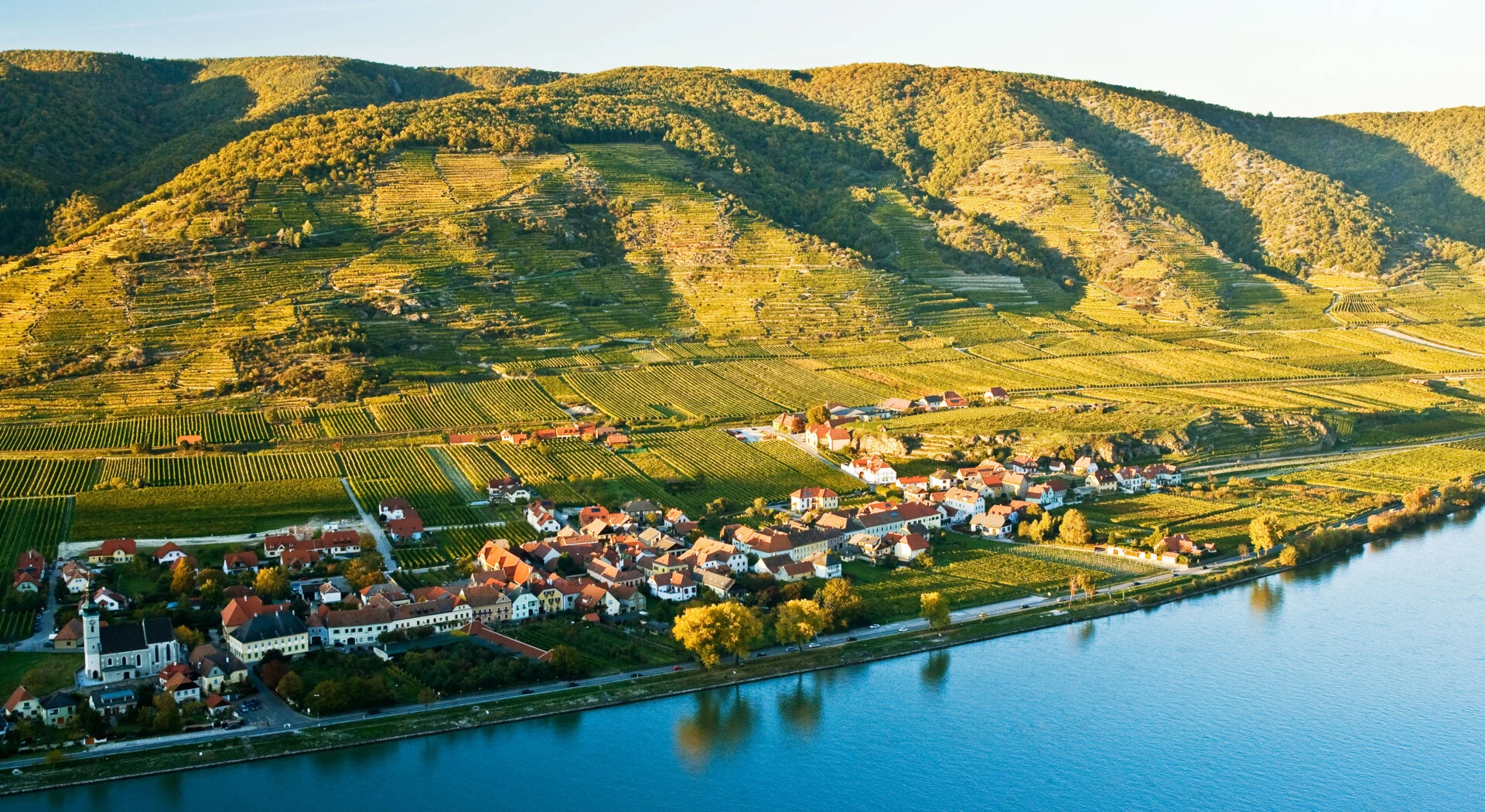
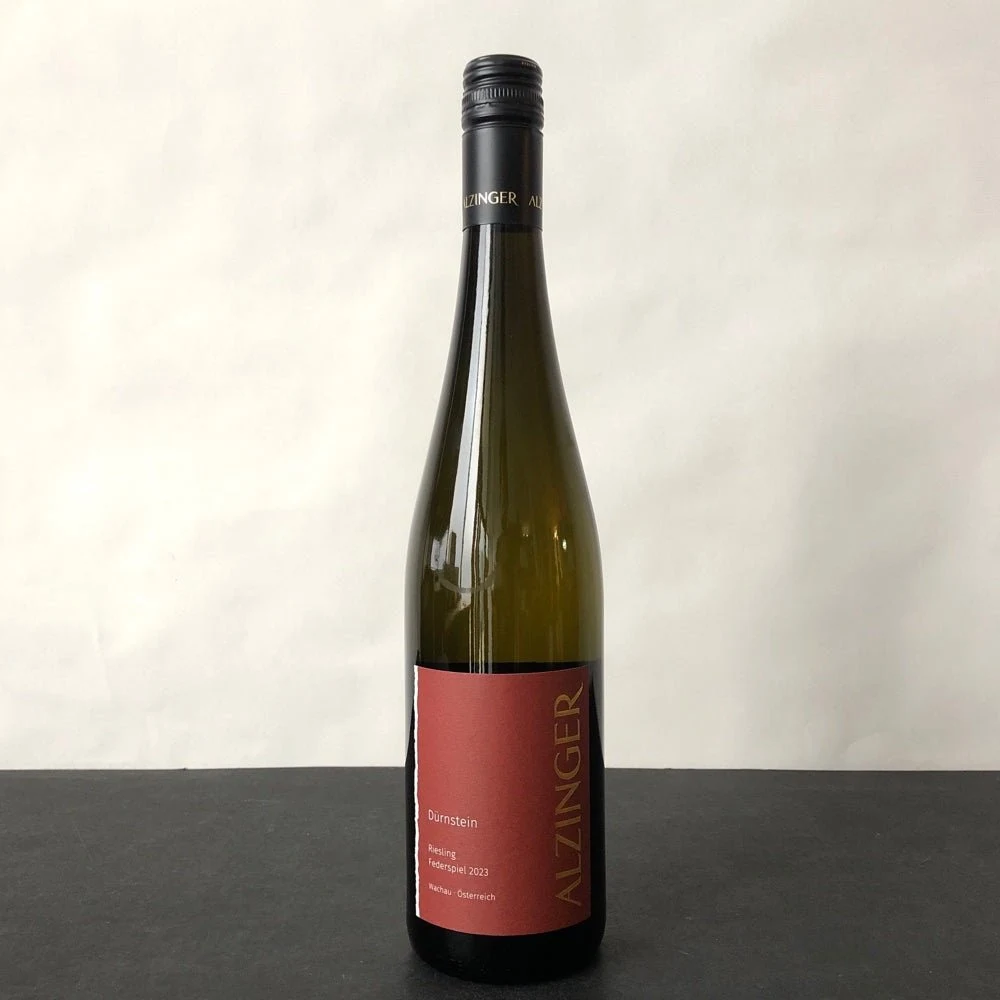
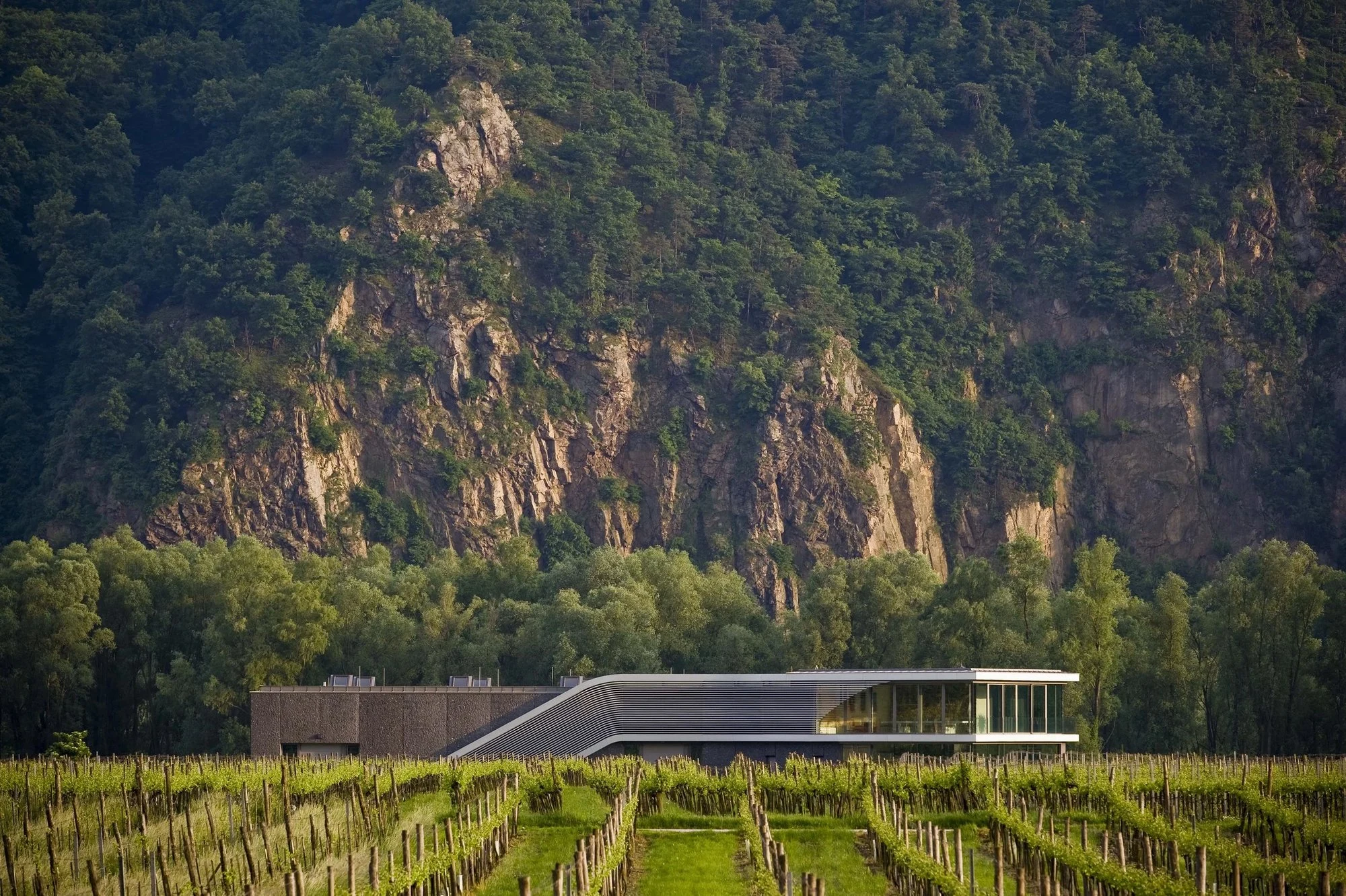
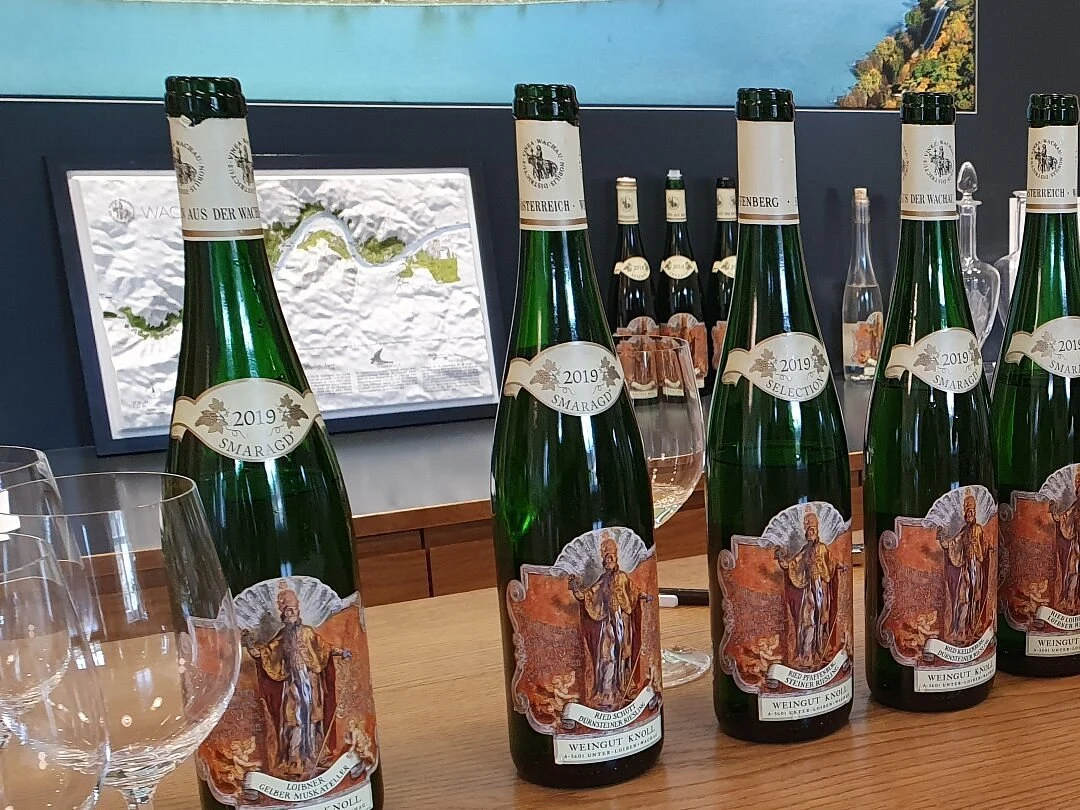
<h2>Stone, River, and the Wachau's Demand for Patience</h2><p>The road into Unterloiben runs close enough to the Danube that the river light catches the apricot trees before it finds the vine rows. This part of the Wachau, a UNESCO World Heritage range of terraced hillside vineyards, steep gneiss and loess slopes, and a narrow river corridor that creates one of central Europe's more precise mesoclimates, has long produced wines that reward patience from both the grower and the drinker. Weingut Emmerich Knoll, at Unterloiben 132, sits inside that tradition with a deep local roots that shape how the estate reads its own land.</p><p>The Wachau is a region that sorted itself into a self-regulated quality tiering long before other Austrian wine areas adopted similar frameworks. The Vinea Wachau classification, which separates wines by ripeness and weight into Steinfeder, Federspiel, and Smaragd categories, acts as a collective signal to the market and as a discipline on individual producers. Knoll's wines, particularly its Smaragd-tier Rieslings and Grüner Veltliners, operate at the weight end of that system, where extended skin contact or extended lees time, depending on the approach in a given vintage, gives the wines a texture that separates them from lighter, more immediate expressions of the same grapes.</p><h2>A Philosophy Shaped by the Vineyard, Not the Formula</h2><p>Among the Wachau's producers, a clear philosophical divide separates those who pursue a transparent, site-driven minimalism from those who allow craft intervention to shape a recognisable house style. Knoll belongs to neither extreme cleanly, which is part of what makes the estate interesting in critical terms. The wines carry site character, but they also carry a recognisable density and grip that suggests an unhurried approach in the cellar as much as careful viticulture on the slope.</p><p>In a region that includes estates such as <a href="https://www.enprimeurclub.com/wineries/weingut-alzinger-durnstein-winery">Weingut Alzinger</a>, whose wines tend toward finesse and precision, and <a href="https://www.enprimeurclub.com/wineries/weingut-f-x-pichler-durnstein-winery">Weingut F. X. Pichler</a>, which built an international allocation cult around a more imposing, structured style, Knoll occupies a position that collectors and sommeliers sometimes describe as a notably complete expression of Wachau typicity. The estate is neither the most restrained voice nor the most powerful. It is, in the assessment of those who follow the region closely, often the most consistent across a range of vintages and site expressions. That consistency is itself a form of philosophy, even if it is rarely stated as such.</p><p>The broader Austrian wine scene, which now includes internationally recognised producers across regions from the Kamptal to Burgenland, including estates like <a href="https://www.enprimeurclub.com/wineries/weingut-brundlmayer-langenlois-winery">Weingut Bründlmayer in Langenlois</a> and the sweet wine specialists at <a href="https://www.enprimeurclub.com/wineries/weingut-kracher-illmitz-winery">Weingut Kracher in Illmitz</a>, has diversified considerably since the 1990s. Yet the Wachau remains the region that defined Austrian white wine's international reputation first, and Knoll is one of the names through which that reputation was built and sustained.</p><h2>Pearl 3 Star Prestige: What the Rating Signals</h2><p>Weingut Emmerich Knoll holds a Pearl 3 Star Prestige award as of 2025. Within EP Club's rating framework, that places the estate in the upper tier of producers recognised for both quality consistency and experience depth. It positions Knoll in the same comparable set as producers who have demonstrated sustained performance across multiple vintages and formats, rather than single-vintage standout results. For the Wachau context specifically, the 3 Star Prestige signal aligns with the kind of estate that draws repeat cellar investment rather than casual tourism purchases.</p><p>Across Austrian wine production more broadly, the estates that carry this level of recognition tend to share certain characteristics: multi-generational stewardship, clearly defined vineyard holdings, a commitment to site-specific rather than generic bottlings, and a track record in international critical coverage. Knoll fits that pattern without requiring embellishment. The estate's address at Unterloiben 132 is itself a form of credential.</p><h2>Wachau White Wines and the Case for the Long Game</h2><p>Riesling and Grüner Veltliner are the Wachau's structural pillars, and their behaviour here differs materially from their expressions elsewhere. Wachau Riesling, grown on primary rock soils with significant diurnal temperature variation along the river, develops a mineral tension and aromatic precision that evolves differently from Moselle or Rheingau examples. Grüner Veltliner in the Smaragd tier, which can age for a decade or more in strong vintages, develops a savoury, peppery depth that has little parallel in new-world white wine production.</p><p>Knoll's approach to both varieties reflects the Wachau's general position on late harvesting and extended development. The estate is not alone in this orientation. Estates like <a href="https://www.enprimeurclub.com/wineries/domane-wachau-durnstein-winery">Domäne Wachau</a>, which operates at cooperative scale across the region, offer comparative reference points for the range of Wachau styles from accessible and immediate to aged and complex. Knoll's single-vineyard Smaragd bottlings sit consistently at the complex end of that range.</p><p>For comparison across Austrian regions with different grape priorities, producers in Burgenland such as <a href="https://www.enprimeurclub.com/wineries/weingut-pittnauer-gols-winery">Weingut Pittnauer in Gols</a> or the Styrian white wine specialist <a href="https://www.enprimeurclub.com/wineries/weingut-wohlmuth-kitzeck-winery">Weingut Wohlmuth in Kitzeck</a> illustrate how differently the Austrian wine map distributes its ambitions. The Wachau's identity remains tied to its two white varieties in a way that those regions are not, which is both a constraint and a source of clarity for producers like Knoll.</p><h2>Visiting and Buying: Practical Orientation</h2><p>The estate is located at Unterloiben 132, 3601 Dürnstein, in the lower Wachau. Unterloiben sits between Krems and the village of Dürnstein itself, accessible by road along the south bank of the Danube or by the Wachau valley railway from Krems. The Wachau is a region where visiting producers requires advance contact; walk-in tastings at the estate-level tier are not the norm, and Knoll's allocation structure means that serious buyers typically engage via the estate mailing list or through specialist importers in their home market.</p><p>Wine tourism in the Wachau is most concentrated between late April and October, when the cycling and walking infrastructure along the river is active and the region receives consistent visitor traffic. For buying purposes, the most significant window is around the annual Wachau vintage release calendar, which tends to follow Austrian wine trade norms for Smaragd presentation.</p><p><a href="https://www.enprimeurclub.com/wineries/weingut-scheiblhofer-distillery-andau-winery">Weingut Scheiblhofer in Andau</a> or <a href="https://www.enprimeurclub.com/wineries/weingut-heinrich-hartl-oberwaltersdorf-winery">Weingut Heinrich Hartl in Oberwaltersdorf</a>, both of which extend the Austrian producer map beyond the Wachau's specific gravity. <a href="https://www.enprimeurclub.com/wineries/accendo-cellars">Accendo Cellars in St. Helena</a> or <a href="https://www.enprimeurclub.com/wineries/aberlour-aberlour-winery">Aberlour</a> in Speyside illustrate how different the production philosophies look when you move from Danube Riesling to Napa Cabernet or Scotch malt whisky. The contrast is instructive for calibrating just how site-specific and climate-constrained the Wachau model actually is.</p>
Weingut Emmerich Knoll has received recognition including: Pearl 3 Star Prestige (2025).
Weingut Emmerich Knoll is located at Unterloiben 132, 3601 Dürnstein, Dürnstein.
The Smaragd-tier Rieslings from Knoll's named vineyard sites draw the most sustained critical attention in the Wachau. Smaragd is the appellation's highest ripeness classification, and Unterloiben's combination of loess, gneiss, and Danube-moderated temperatures produces wines built for a decade or more of development. The Pearl 3 Star Prestige rating the estate holds as of 2025 reflects that consistent upper-tier performance across vintages.
Location paired with long-term consistency. Unterloiben 132 sits in one of the Wachau's most closely watched production corridors, where the Danube's proximity directly shapes how the vines ripen. The Pearl 3 Star Prestige award (2025) places Knoll in EP Club's upper tier of rated estates, a position the producer has maintained against a comparable set that includes some of Austria's most scrutinised names.
Unterloiben 132, 3601 Dürnstein
Unterloiben