Weingut FJ Gritsch, operating under the Mauritiushof name from a historic address on Kirchenplatz in Spitz, holds a Pearl 2 Star Prestige rating for 2025. The estate sits within one of the Wachau's most demanding vineyard corridors, where gneiss and loess slopes shape wines of structural precision. For serious Wachau exploration, this address belongs on the itinerary alongside the valley's other benchmark producers.
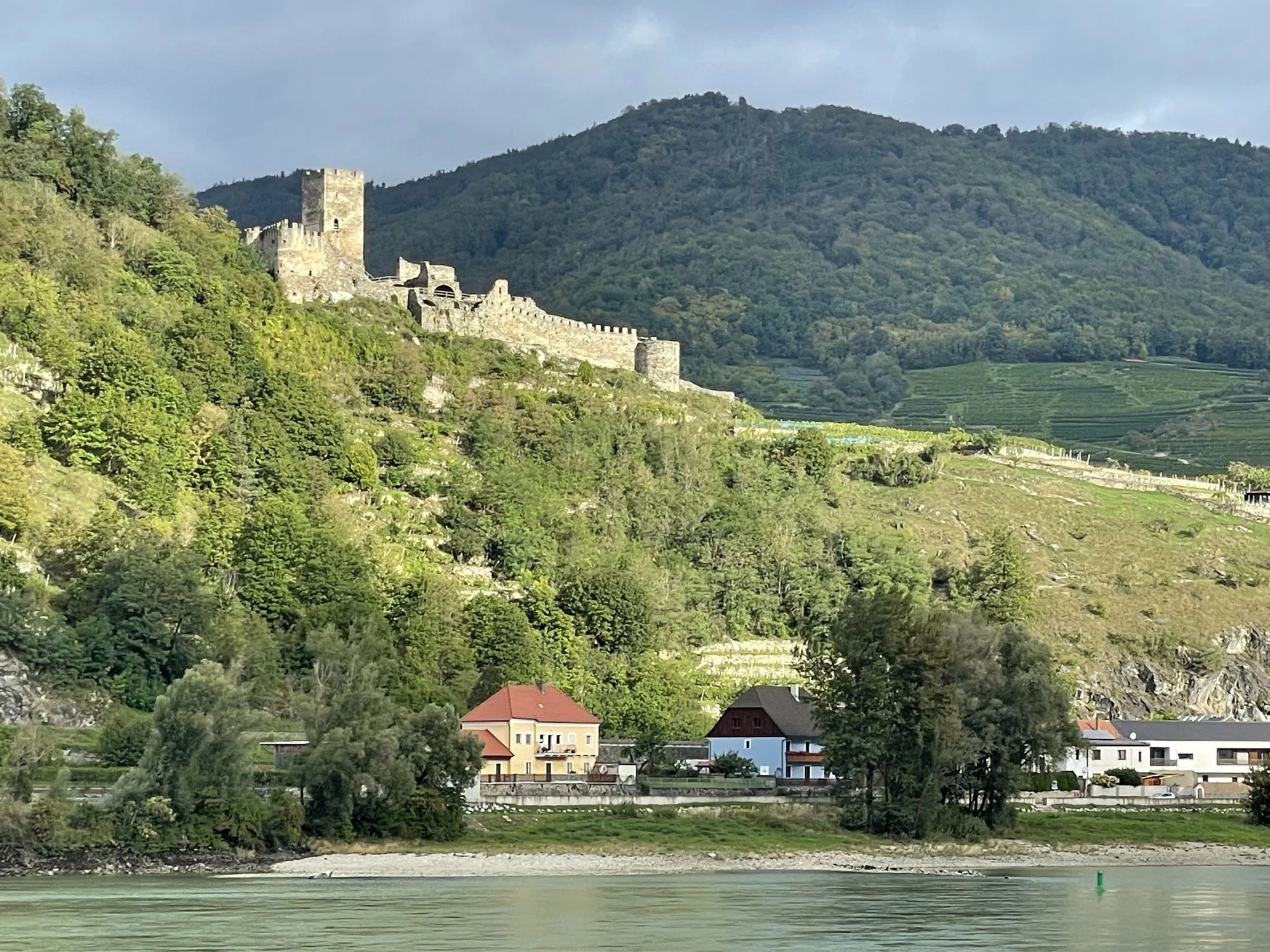
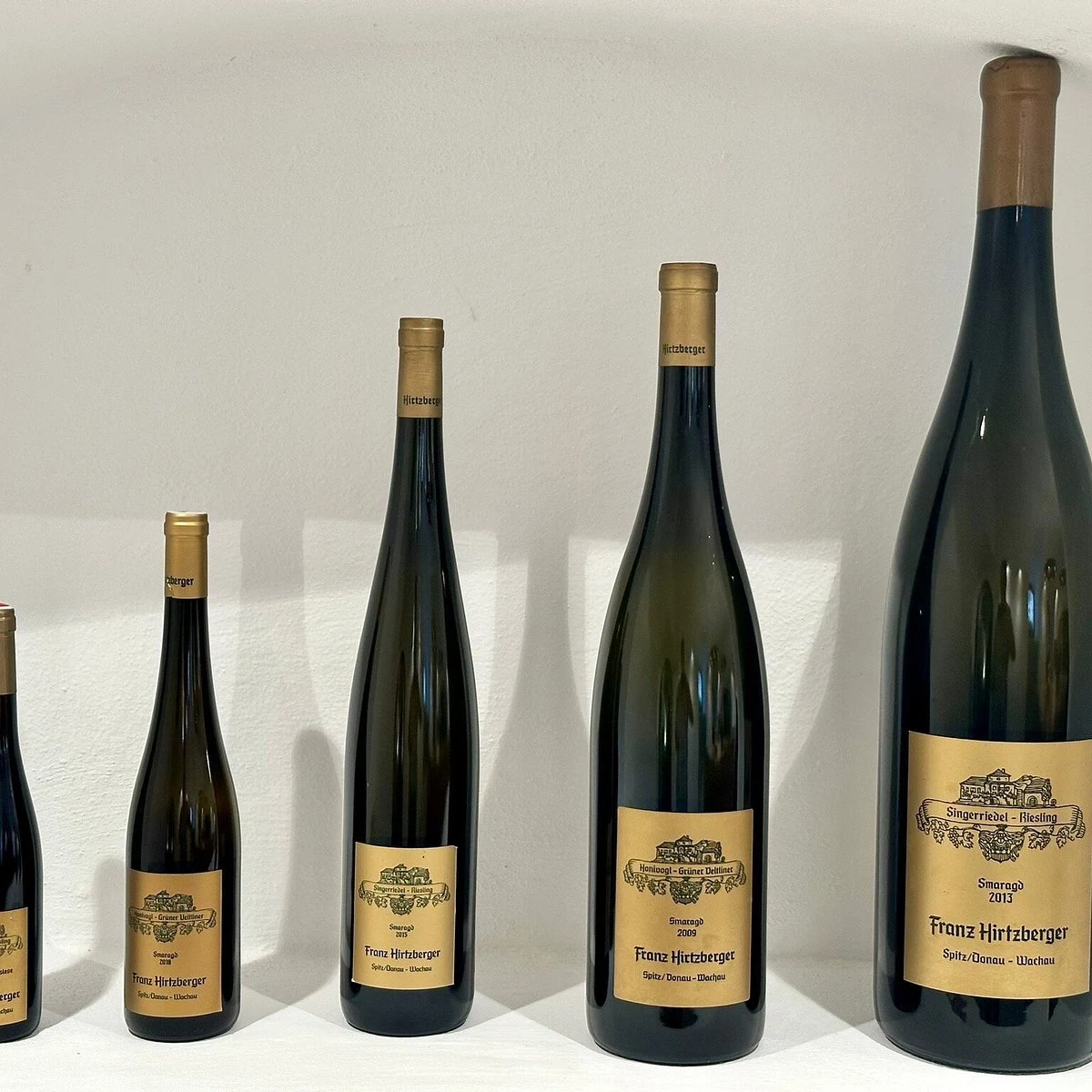
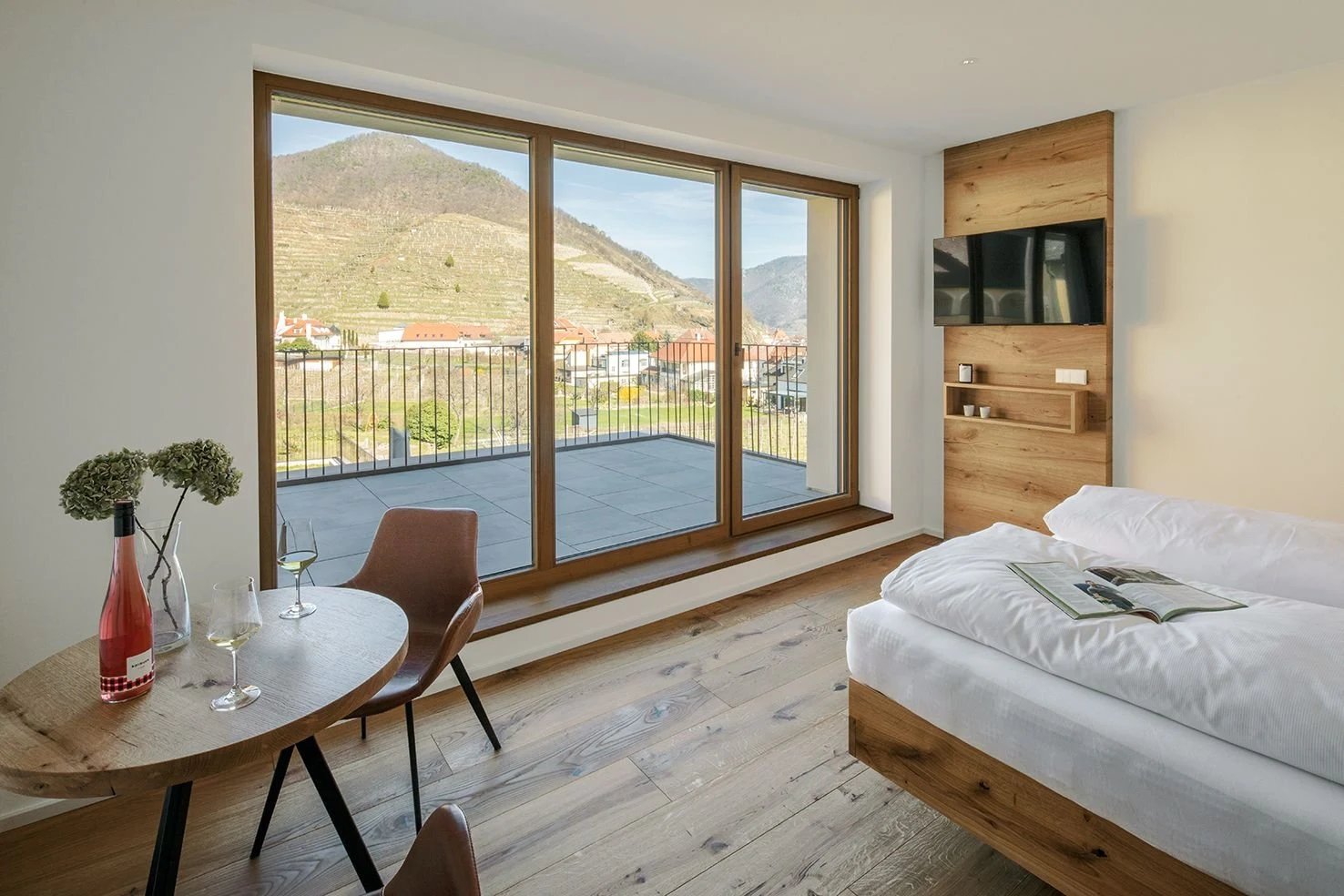
<h2>Spitz and the Upper Wachau's Argument for Terroir</h2><p>The western end of the Wachau is where the valley tightens and the vineyards grow more demanding. Around Spitz, the Danube bends sharply, and the south-facing slopes that catch afternoon light are composed of primary rock: gneiss, granite, and mica schist, interspersed with pockets of loess that hold moisture differently across just a few metres of gradient. This is not a forgiving place to grow wine grapes, which is precisely why the wines that come from here carry a particular character. The mineral signature of the Wachau's upper reaches differs from the softer, rounder profiles further east toward Dürnstein or Weißenkirchen, and producers in Spitz are arguing, bottle by bottle, for why that difference matters.</p><p>Weingut FJ Gritsch, known by its estate name Mauritiushof, is a winery at Kirchenplatz 13 in Spitz, serving Grüner Veltliner and Riesling from the Wachau. The physical context matters here. Working from the heart of Spitz rather than from a peripheral vineyard facility places the estate inside a long tradition of village-rooted winemaking, where the cellar and the community are not separate propositions.</p><h2>What a Pearl 2 Star Prestige Rating Communicates</h2><p>In 2025, Weingut FJ Gritsch received a Pearl 2 Star Prestige designation, which positions the estate within a recognised tier of Austrian wine production. This classification is not a generic quality marker but a signal of consistency and expression at a level that warrants attention from collectors and serious wine travellers. In a region where the competitive comparable set includes estates like <a href="https://www.enprimeurclub.com/wineries/weingut-emmerich-knoll-durnstein-winery">Weingut Emmerich Knoll in Dürnstein</a> and <a href="https://www.enprimeurclub.com/wineries/weingut-brundlmayer-langenlois-winery">Weingut Bründlmayer in Langenlois</a>, achieving prestige-tier recognition in Spitz means operating in direct conversation with producers who have shaped international perception of Austrian wine for decades.</p><p>The broader Austrian wine scene has split, over the past twenty years, between estates pursuing volume-accessible quality and those concentrating on site-specific expression with limited output tied to named vineyard parcels. The Pearl Prestige tier tends to encompass the latter group: producers whose wines are shaped more by the decision to intervene minimally and let the site speak than by a technical winemaking brief designed to meet market expectations. Gritsch's 2025 designation places it squarely in that category.</p><h2>Gneiss, Loess, and the Case for Soil Diversity in the Wachau</h2><p>Understanding what the Wachau does to Grüner Veltliner and Riesling requires thinking about soil variability at a scale that most wine regions don't offer. Within a few kilometres of Spitz, the geological substrate shifts from decomposed primary rock to accumulated loess terraces, each with a different drainage rate, heat retention capacity, and mineral profile. Wines grown on pure gneiss slopes tend toward linearity, with pronounced tension and a minerality that is more austere in youth but gains complexity over time. Wines from loess show earlier approachability and a different textural density.</p><p>Estates in Spitz that work across both soil types can produce a meaningful range within the same appellation. The decision about which parcels to harvest separately, which to blend, and at which ripeness level to pick are the real winemaking choices here. The formal Wachau classification system, which segments wines into Steinfeder, Federspiel, and Smaragd by alcohol weight, provides another axis: Smaragd wines from primary rock sites in Spitz represent the most concentrated and age-worthy expression the valley produces, while Federspiel from the same area offers a more immediate entry point into the terroir argument.</p><p>For context on how Spitz-area producers compare with the wider Austrian winemaking world, the contrast with estates working in warmer, flatter terrain is instructive. Producers like <a href="https://www.enprimeurclub.com/wineries/weingut-kracher-illmitz-winery">Weingut Kracher in Illmitz</a> work in a fundamentally different climate on the eastern shore of the Neusiedlersee, where noble rot and late-harvest concentration define the house style. The tension-driven minerality of a Spitz Smaragd and the lush botrytis intensity of a Kracher Trockenbeerenauslese are both expressions of Austrian terroir, but they are speaking entirely different languages.</p><h2>The Wachau comparable set and Where Gritsch Sits</h2><p>Spitz has long operated in the partial shadow of Dürnstein and Weißenkirchen when it comes to international name recognition, despite producing wines of comparable complexity. Estates like <a href="https://www.enprimeurclub.com/wineries/weingut-franz-hirtzberger-spitz-winery">Weingut Franz Hirtzberger</a> have done much to raise Spitz's profile, and Gritsch's Mauritiushof occupies a position in that same conversation. The prestige designation acknowledges that the estate is not operating at the valley's entry tier but is instead part of a smaller group of Wachau producers whose wines reward cellaring and whose vineyard sources are worth tracking by name.</p><p>Across Austria more broadly, the estates recognised at prestige level tend to share certain characteristics: a focus on named single-vineyard or parcel-specific wines, a preference for working within the logic of a defined appellation rather than seeking flexibility outside it, and a track record that extends across multiple vintages rather than a single breakthrough year. Comparing Gritsch's position to peers further afield in Austria, estates like <a href="https://www.enprimeurclub.com/wineries/weingut-wohlmuth-kitzeck-winery">Weingut Wohlmuth in Kitzeck</a> in southern Styria or <a href="https://www.enprimeurclub.com/wineries/weingut-pittnauer-gols-winery">Weingut Pittnauer in Gols</a> in Burgenland illustrate how differently prestige-tier production can read when the soil, climate, and permitted varieties shift dramatically. The Wachau version of prestige is about precision under cool-climate constraint; the Burgenland version involves warmth and concentration.</p><h2>Visiting Mauritiushof: Practical Context for Spitz</h2><p>Spitz is reachable by train from Vienna's Franz-Josefs-Bahnhof on the Wachau railway line, which runs along the north bank of the Danube, or by road from Krems. The village is compact, and Kirchenplatz 13 is a short walk from the Spitz railway station. Visiting is by recommended reservation. The spring and autumn months, particularly the Wachau Marathon weekend in late September, which draws visitors throughout the valley, represent the most active periods for cellar access across the region.</p><p></p>
Weingut FJ Gritsch (Mauritiushof) has received recognition including: Pearl 2 Star Prestige (2025).
Weingut FJ Gritsch (Mauritiushof) is located at Kirchenpl. 13, 3620 Spitz, Spitz.
The database record does not specify individual bottlings, so naming a single signature wine would be speculation. What the Pearl 2 Star Prestige rating (2025) does confirm is that the estate's output has been formally recognised within a defined quality tier. For specific wine selections, contacting the estate at Kirchenpl. 13, 3620 Spitz is the most reliable route.
The estate's strength is rooted in the western Wachau around Spitz, where gneiss and loess soils produce Grüner Veltliner and Riesling of a character distinct from the more internationally prominent Dürnstein and Weißenkirchen zones. The 2025 Pearl 2 Star Prestige designation places Gritsch within a recognised prestige tier of Austrian wine production. That combination of demanding site conditions and formal recognition is the clearest argument for the estate's focus.
The estate is located at Kirchenpl. 13 in Spitz, a small Wachau village with limited year-round tourist infrastructure. Arriving without prior contact carries real risk of finding the cellar door closed, particularly outside harvest season.
The Pearl 2 Star Prestige designation awarded in 2025 places Gritsch within the upper recognition tier for Austrian wine estates, though the Spitz address puts it geographically apart from the cluster of internationally profiled producers around Weißenkirchen and Dürnstein. That separation is a factor worth considering: Spitz's vineyards operate on soils and slope exposures that differ from the valley's more trafficked central zone, which is precisely what makes the estate's rating meaningful as an independent reference point rather than a reflection of neighbourhood reputation.
The Pearl 2 Star Prestige rating (2025) signals an estate that appeals to wine drinkers already engaged with Austrian regional distinctions rather than those seeking a broad introduction. Visitors drawn to site-specific Austrian Riesling and Grüner Veltliner, and who understand the Wachau's three-tier Vinea Wachau classification system, will find the Spitz context meaningful. It is less suited to casual tourism and more to purposeful wine travel along the Danube valley.
Kirchenpl. 13, 3620 Spitz
Spitz
Weingut FJ Gritsch (Mauritiushof)