Chef in Residence
Friedrich Keller
Winemaker

Weingut Franz Keller sits in Vogtsburg im Kaiserstuhl, at the heart of Baden's volcanic Kaiserstuhl plateau, where warm summers and basalt-rich soils produce some of Germany's most compelling Pinot Noir and Burgundian-style whites. The estate holds a Pearl 2 Star Prestige rating for 2025, placing it among Germany's most recognised premium wine producers. For anyone serious about German terroir expression, this is a reference address.
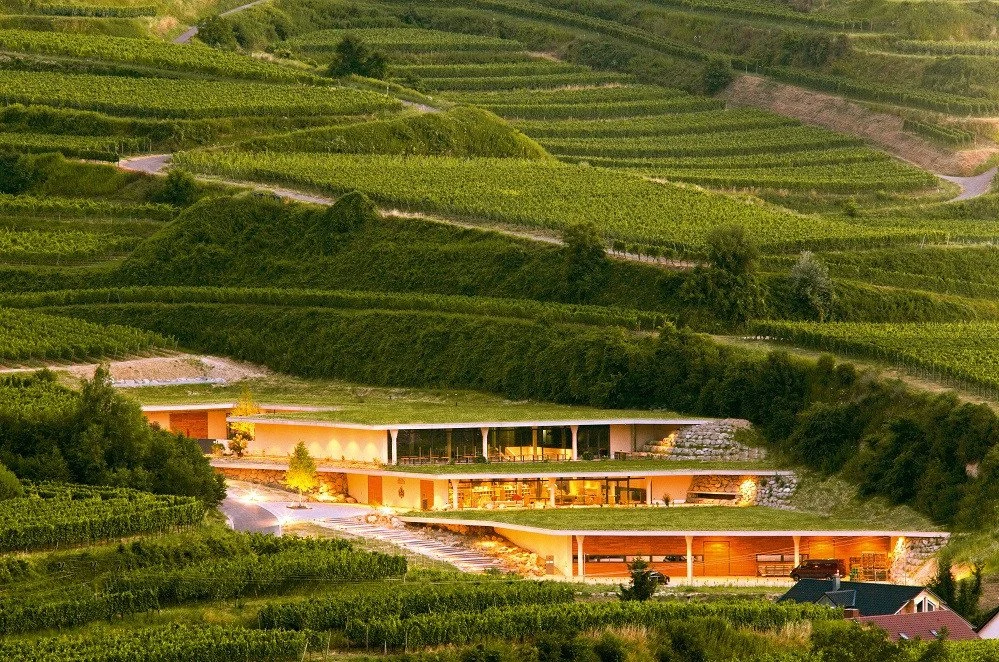
<h2>Volcanic Ground, Burgundian Logic</h2><p>The Kaiserstuhl is an anomaly in German wine. A remnant volcanic massif rising from the Rhine plain between Freiburg and the Alsatian border, it generates a microclimate warm enough to ripen grapes that struggle elsewhere in the country. The basalt and loess soils hold heat through the night and drain sharply after rain, stressing vines in ways that concentrate flavour rather than volume. In this context, Weingut Franz Keller is not simply an address on Badbergstraße in Vogtsburg, it is an argument about what this particular piece of ground can produce when taken seriously.</p><p>The estate holds a Pearl 2 Star Prestige rating for 2025. That distinction matters here. Baden has historically produced heavier, fruit-forward reds that satisfied local markets without attracting much international attention. The more focused estates operating in the Kaiserstuhl have spent the last two decades recalibrating that reputation, and Franz Keller is among the producers doing that most coherently.</p><h2>What the Kaiserstuhl Does to Pinot Noir</h2><p>Germany's relationship with Pinot Noir, Spätburgunder, is longer and more serious than most outside the country appreciate. Baden accounts for roughly a third of national plantings, and within Baden, the Kaiserstuhl carries some of the warmest vineyard sites in the region. The volcanic soils impart a mineral tension to the fruit that acts as a counterweight to the ripeness the climate encourages. The result, in the right hands, is Spätburgunder with genuine structural complexity rather than the soft, commercially approachable style that once defined the region's exports.</p><p>Franz Keller's positioning within that story is specific. The estate works from Vogtsburg, a commune whose parcels span several of the Kaiserstuhl's distinct exposures, south-facing slopes that push ripeness, cooler northern aspects that preserve acidity, and mid-elevation sites where the interaction between volcanic bedrock and topsoil creates measurable variation in the wine. Visitors who arrive expecting a single house style typically leave understanding why terroir-focused producers resist that framing. For context on how neighbouring German regions handle comparable terroir challenges, <a href="https://www.enprimeurclub.com/wineries/weingut-battenfeld-spanier-hohen-sulzen-winery">Weingut Battenfeld-Spanier in Hohen-Sülzen</a> and <a href="https://www.enprimeurclub.com/wineries/weingut-clemens-busch-punderich-winery">Weingut Clemens Busch in Pünderich</a> offer useful comparative benchmarks for how volcanic and slate-driven soils respectively shape German red and white wine.</p><h2>The Estate in Its Competitive Set</h2><p>German wine's premium tier has consolidated around a recognisable set of estate-level producers, the kind recognised by VDP classification, international critics, and awards programmes, who operate on allocation, attract informed buyers, and price against European rather than domestic benchmarks. The Pearl 2 Star Prestige rating places Weingut Franz Keller squarely inside that tier, in the company of estates like <a href="https://www.enprimeurclub.com/wineries/weingut-a-christmann-neustadt-an-der-weinstrasse-winery">Weingut A. Christmann in Neustadt an der Weinstraße</a>, <a href="https://www.enprimeurclub.com/wineries/weingut-dr-burklin-wolf-wachenheim-an-der-weinstrasse-winery">Weingut Dr. Bürklin-Wolf in Wachenheim</a>, and <a href="https://www.enprimeurclub.com/wineries/weingut-bassermann-jordan-deidesheim-winery">Weingut Bassermann-Jordan in Deidesheim</a>.</p><p>What distinguishes the Kaiserstuhl estates from their Pfalz or Rheingau counterparts is the specific argument they make about Burgundian varieties grown outside Burgundy. Where estates like <a href="https://www.enprimeurclub.com/wineries/weingut-georg-breuer-rudesheim-am-rhein-winery">Weingut Georg Breuer in Rüdesheim am Rhein</a> anchor their identity in Riesling, or <a href="https://www.enprimeurclub.com/wineries/weingut-fritz-haag-brauneberg-winery">Weingut Fritz Haag in Brauneberg</a> builds its reputation on Mosel precision, Franz Keller operates in a space where Spätburgunder and Grauburgunder are the primary currency. That's a different competitive conversation, one that intersects more directly with Alsace across the Rhine than with the Mosel or Nahe.</p><p>For further reference on how German prestige estates operate across wine regions, <a href="https://www.enprimeurclub.com/wineries/weingut-allendorf-oestrich-winkel-winery">Weingut Allendorf in Oestrich-Winkel</a>, <a href="https://www.enprimeurclub.com/wineries/weingut-burgerspital-zum-heiligen-geist-wurzburg-winery">Weingut Bürgerspital zum Heiligen Geist in Würzburg</a>, and <a href="https://www.enprimeurclub.com/wineries/weingut-grans-fassian-leiwen-winery">Weingut Grans-Fassian in Leiwen</a> each demonstrate how historical roots and regional classification shape the way leading estates frame their offering. <a href="https://www.enprimeurclub.com/wineries/weingut-heymann-lowenstein-winningen-winery">Weingut Heymann-Löwenstein in Winningen</a> offers an interesting counterpoint, an estate that made its name on terror-driven Riesling from the lower Mosel in ways that parallel how Franz Keller repositioned Baden Pinot Noir.</p><h2>Visiting Vogtsburg: Setting and Approach</h2><p>Vogtsburg im Kaiserstuhl is not a destination that announces itself loudly. The village sits in wine country where the hills are densely planted and the roads narrow between vineyard rows, and the atmosphere at serious estates here tends toward focused hospitality rather than theatrical welcome. The Kaiserstuhl's proximity to Freiburg (roughly 25 kilometres southwest) means the broader area draws visitors with appetite for both wine and the Black Forest, but the wine estates themselves maintain a working character. Arriving at Badbergstraße 44, you are in farming territory as much as tourism territory, which is part of what makes the region credible to buyers who distrust over-polished tasting rooms.</p><p>The ideal time to visit the Kaiserstuhl aligns with the vine cycle: late spring offers the landscape before harvest pressure sets in, while September and October bring the harvest itself, when the estate's focus is divided. Outside of harvest, visits by appointment give access to focused conversation about the parcels and their distinctions, the kind of visit that makes the Pearl 2 Star Prestige rating legible rather than abstract.</p><p>For those building a wider German wine itinerary, <a href="https://www.enprimeurclub.com/wineries/kloster-eberbach-eltville-winery">Kloster Eberbach in Eltville</a> offers a historically grounded contrast, a monastic estate in the Rheingau whose scale and Riesling focus sit at the opposite end of the stylistic spectrum from Baden's Burgundian-variety ambitions. Internationally, for those curious how terroir-focused Pinot Noir outside Europe compares, <a href="https://www.enprimeurclub.com/wineries/accendo-cellars">Accendo Cellars in St. Helena</a> and <a href="https://www.enprimeurclub.com/wineries/aberlour-aberlour-winery">Aberlour</a> demonstrate how provenance-driven thinking translates across different craft traditions.</p><h2>Planning Your Visit</h2><p>Weingut Franz Keller is located at Badbergstraße 44, 79235 Vogtsburg im Kaiserstuhl, in the southern Baden wine region. The estate carries a Pearl 2 Star Prestige rating for 2025. Visits are by appointment and reservations are recommended.</p><hr></hr>
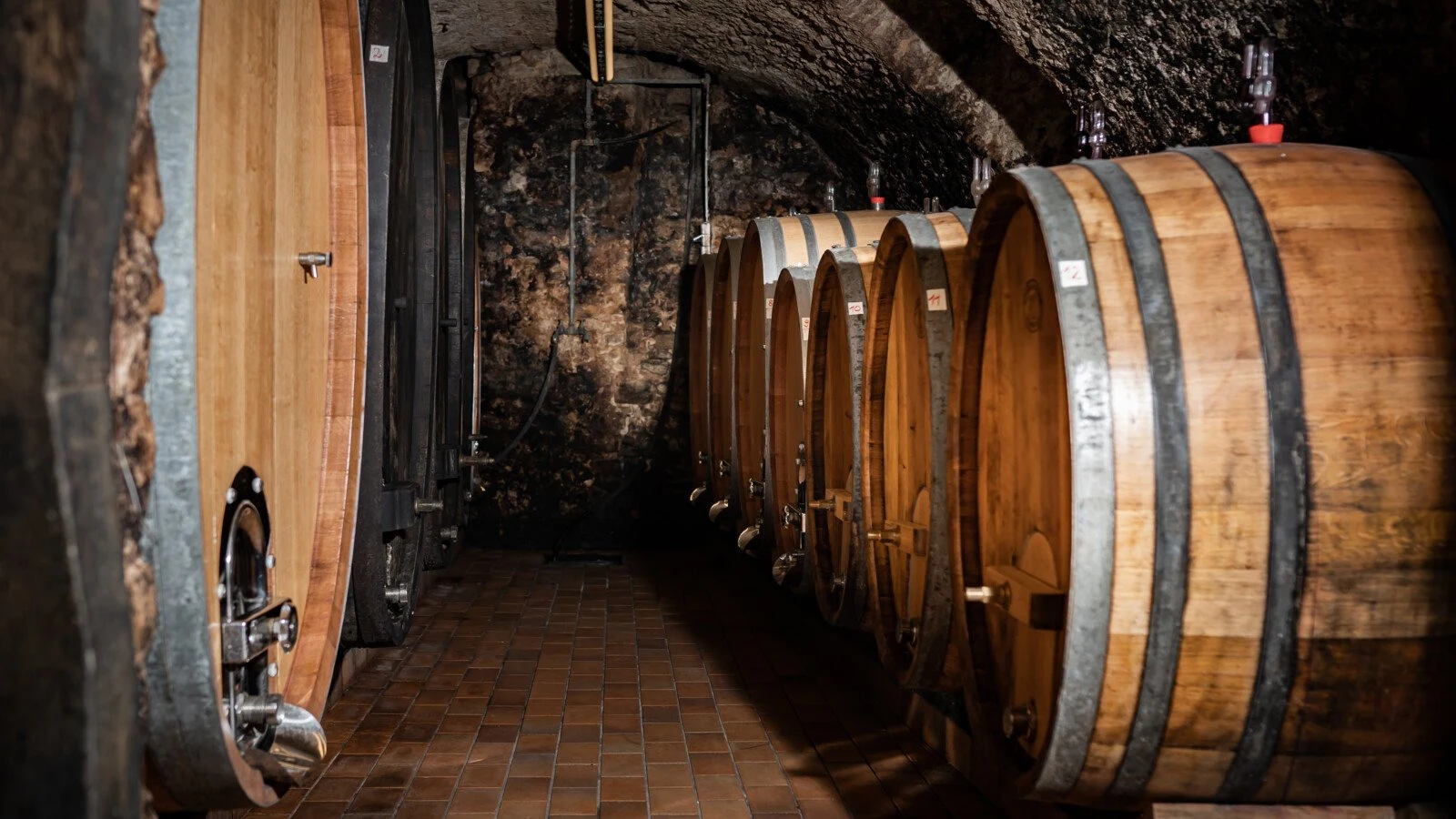
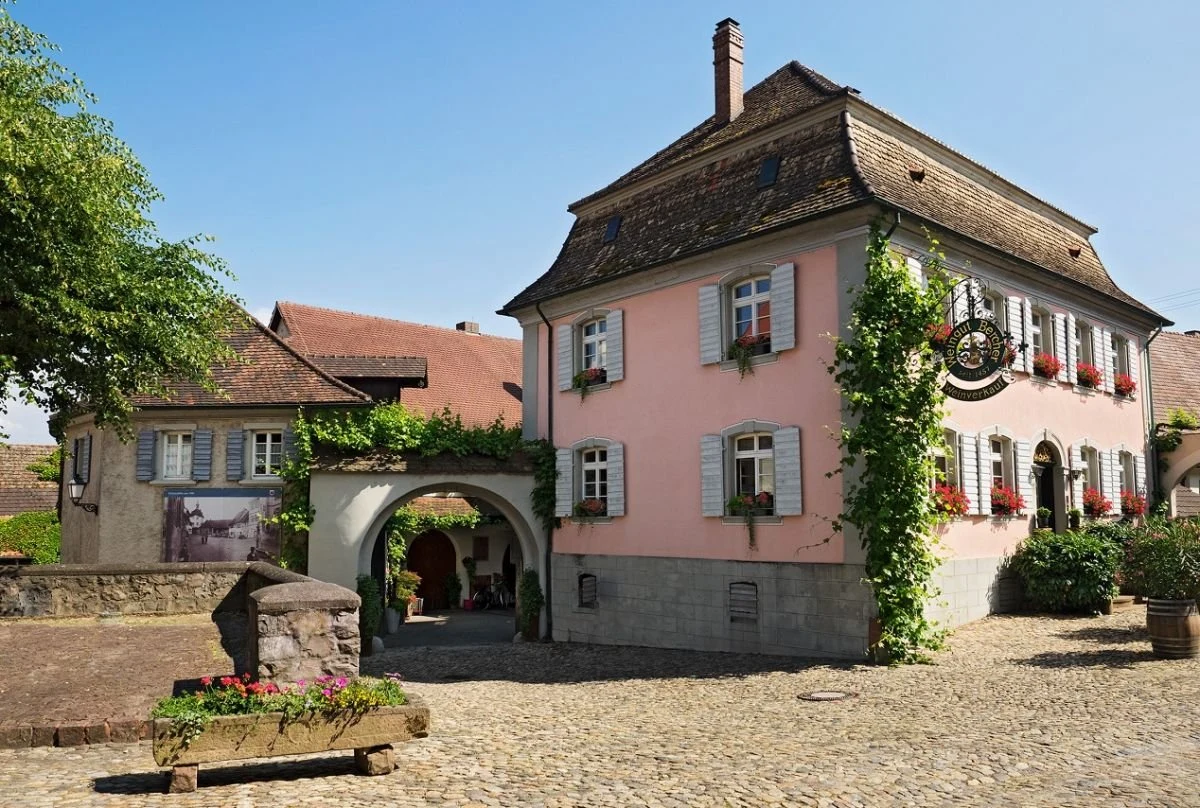
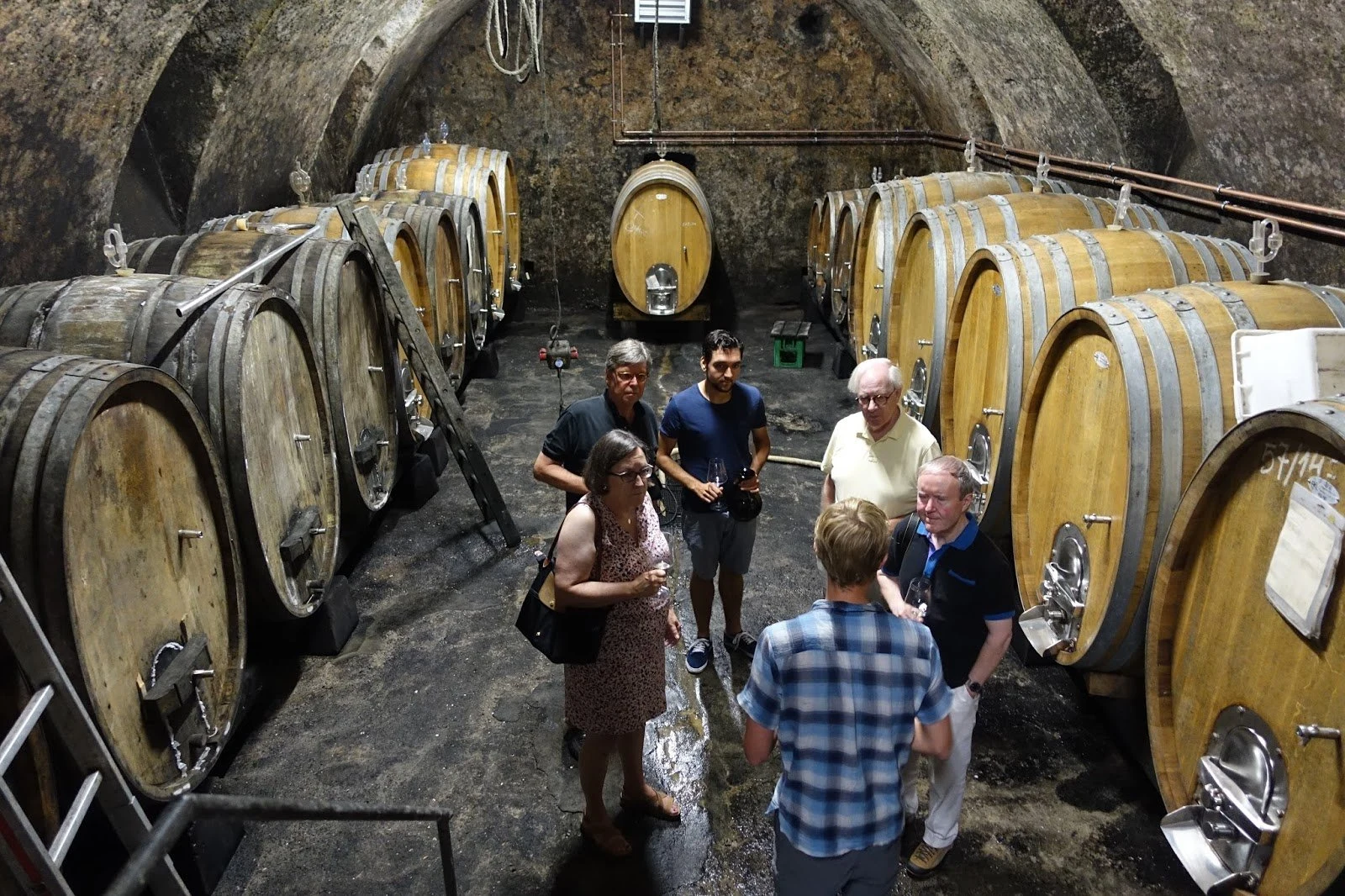
Franz Keller reads as a working estate rather than a visitor showcase — the kind of address in Vogtsburg im Kaiserstuhl where the wine does the talking. Southern Baden wine country, about 25 kilometres north of Freiburg, sets the register: densely planted hillsides, a quiet village pace, and a focus that sits firmly on production rather than hospitality theatre. The Pearl 2 Star Prestige recognition for 2025 positions this as a serious destination for those already engaged with German fine wine.
Weingut Franz Keller has received recognition including: Pearl 2 Star Prestige (2025).
The Kaiserstuhl's volcanic basalt and loess soils make a compelling case for Spätburgunder above all else — Germany's most serious expression of Pinot Noir comes from parcels like these in southern Baden. The warm, sheltered microclimate of the massif pushes ripeness further than most German regions, giving the reds structure alongside fruit weight. Franz Keller's Pearl 2 Star Prestige standing for 2025 signals estate-level ambition, so prioritise the single-vineyard or reserve tiers if the range allows.
Weingut Franz Keller is located at Badbergstraße 44, 79235 Vogtsburg im Kaiserstuhl, Vogtsburg im Kaiserstuhl.
The estate is recognised as a terroir-focused producer working the Kaiserstuhl, a remnant volcanic massif in Baden that generates some of Germany's warmest and most mineral-distinct growing conditions. Spätburgunder is the headline variety here, as it is across the Kaiserstuhl's better estates. The 2025 Pearl 2 Star Prestige award places Franz Keller within Germany's acknowledged premium producer tier, where volcanic site expression and Pinot Noir are the consistent points of reference.
Badbergstraße 44, 79235 Vogtsburg im Kaiserstuhl
Vogtsburg im Kaiserstuhl