Weingut Salwey occupies a defining position in Kaiserstuhl viticulture, where volcanic basalt soils and an unusually warm microclimate press the region's Pinot Noir and Spätburgunder into a distinct register. The estate holds a Pearl 2 Star Prestige rating for 2025, placing it among Germany's serious producer tier. Visitors arrive at Hauptstraße 2 in Vogtsburg im Kaiserstuhl to find a working estate rather than a polished hospitality venue.
<h2>The Kaiserstuhl Advantage: Geology as the First Argument</h2><p>In the southwest corner of Baden, the Kaiserstuhl rises from the Rhine plain as a volcanic massif with no parallel in German viticulture. The soils here are not the slate of the Mosel, the sandstone of parts of the Pfalz, or the limestone that defines much of Burgundy. They are loess over volcanic basalt, heat-retaining and mineral-dense, capable of producing wines with both concentration and a particular earthy brightness that the region's producers have spent decades learning to read. This geological specificity is the starting point for understanding any serious Kaiserstuhl estate, and</p><p>Weingut Salwey, based at Hauptstraße 2 in Vogtsburg im Kaiserstuhl, is a producer whose standing is shaped by that geology. The estate holds a Pearl 2 Star Prestige rating for 2025, and its casual, reservation-recommended setup fits a working winery rather than a formal tasting room. That credential matters not as a decoration but as a map reference: it tells you where the estate sits relative to peers like <a href="https://www.enprimeurclub.com/wineries/weingut-a-christmann-neustadt-an-der-weinstrasse-winery">Weingut A. Christmann in Neustadt an der Weinstraße</a> or <a href="https://www.enprimeurclub.com/wineries/weingut-dr-burklin-wolf-wachenheim-an-der-weinstrasse-winery">Weingut Dr. Bürklin-Wolf in Wachenheim an der Weinstraße</a>, both serious Pfalz producers operating in the same prestige bracket.</p><h2>Approaching the Estate</h2><p>Vogtsburg im Kaiserstuhl is not a wine-tourism village in the manicured, visitor-centre sense. The town is a working agricultural community, and the estates here operate primarily as producers. Arriving at Hauptstraße 2, you encounter a traditional German Weingut: stone architecture, a working courtyard, and an atmosphere defined by production rather than performance. There is a working tasting space rather than a theatrical room built to impress on first glance. The focus is on what is in the bottle, and that orientation shapes the experience from the moment you arrive.</p><p>This is consistent with how the serious tier of Baden producers tends to operate. Where wine regions built heavily on tourism, such as parts of the Mosel or Rheingau, have developed elaborate visitor infrastructure, Kaiserstuhl estates at this level often maintain a more direct relationship between producer and visitor. The conversation starts with the wine rather than the setting.</p><h2>What the Kaiserstuhl Does to Pinot Noir</h2><p>Germany's Spätburgunder (Pinot Noir) conversation has shifted substantially over the past two decades. The grape now draws serious international attention, and the Kaiserstuhl is one of the regions most often cited in that argument. The reasons are climatic and geological. The Kaiserstuhl is among the warmest wine-growing zones in Germany, with annual sunshine hours and growing-degree accumulation that allow Pinot Noir to achieve full phenolic ripeness without the alcohol escalation that warmer New World sites often produce. The loess-over-basalt profile adds a mineral tension that prevents the wines from reading as heavy or overripe, even in warm vintages.</p><p>This geological fingerprint is what places Kaiserstuhl Spätburgunder in a different conversation from Pfalz Spätburgunder or Rheingau examples. The basalt component introduces a savory, almost smoky mineral thread that growers and critics alike associate specifically with this region. Comparing producers within this geological frame is instructive: <a href="https://www.enprimeurclub.com/wineries/weingut-battenfeld-spanier-hohen-sulzen-winery">Weingut Battenfeld-Spanier in Hohen-Sülzen</a> works a different soil type in the Pfalz, while the Mosel producers such as <a href="https://www.enprimeurclub.com/wineries/weingut-heymann-lowenstein-winningen-winery">Weingut Heymann-Löwenstein in Winningen</a> and <a href="https://www.enprimeurclub.com/wineries/weingut-clemens-busch-punderich-winery">Weingut Clemens Busch in Pünderich</a> are dealing with slate-derived minerality that expresses in an entirely different register across their white wine programs.</p><p>Weingut Salwey works within this Kaiserstuhl context, and the 2025 Pearl 2 Star Prestige recognition suggests the estate is capturing that terroir expression at a level that serious German wine assessment takes seriously.</p><h2>Baden's Position in the German Producer Hierarchy</h2><p>Baden does not dominate international German wine conversation in the way that the Mosel or Rheingau do. That asymmetry is partly historical, partly export-driven, and partly a function of how German wine criticism has traditionally organized itself around Riesling as the reference variety. Baden's strength in Pinot Noir and, to a lesser extent, Chardonnay places its serious estates in a different critical frame, one that sometimes reads more fluently to Burgundy-trained palates than to readers who approach German wine primarily through the Mosel Auslese or Spätlese tradition.</p><p>This is changing. The international market's growing appetite for German Spätburgunder has brought attention to Baden producers that would have been largely invisible to non-specialist buyers a decade ago. Estates in the Pearl and higher tiers of serious German wine assessment are now being read alongside Burgundy premier cru producers in some import markets. <a href="https://www.enprimeurclub.com/wineries/weingut-bassermann-jordan-deidesheim-winery">Weingut Bassermann-Jordan in Deidesheim</a> and <a href="https://www.enprimeurclub.com/wineries/weingut-allendorf-oestrich-winkel-winery">Weingut Allendorf in Oestrich-Winkel</a> operate in different regions and grape emphases, but both sit within the broader German fine wine tier that is gaining this international traction.</p><h2>Planning a Visit</h2><p>Weingut Salwey is located in Vogtsburg im Kaiserstuhl, a municipality that encompasses several villages on the slopes of the Kaiserstuhl volcanic formation. The estate's address at Hauptstraße 2 places it within reach of Freiburg im Breisgau, the region's main city, which lies roughly 25 kilometres to the south and connects via regular train service to the broader German rail network. Visitors travelling from further afield, including those combining a Baden wine itinerary with a Rhine Valley crossing, will find Freiburg a practical base. Confirm tasting appointment availability directly before travelling is advisable. Unannounced visits are not ideal, so planning ahead is advisable. Plan ahead.</p><p>For those building a comparative German wine itinerary across regions, the contrast between a Kaiserstuhl volcanic terroir visit and a Napa-style estate experience is notable. <a href="https://www.enprimeurclub.com/wineries/accendo-cellars">Accendo Cellars in St. Helena</a> represents the California end of that comparison, while <a href="https://www.enprimeurclub.com/wineries/aberlour-aberlour-winery">Aberlour in Aberlour</a> offers a completely different spirits-production context for readers tracking production environments across categories.</p>
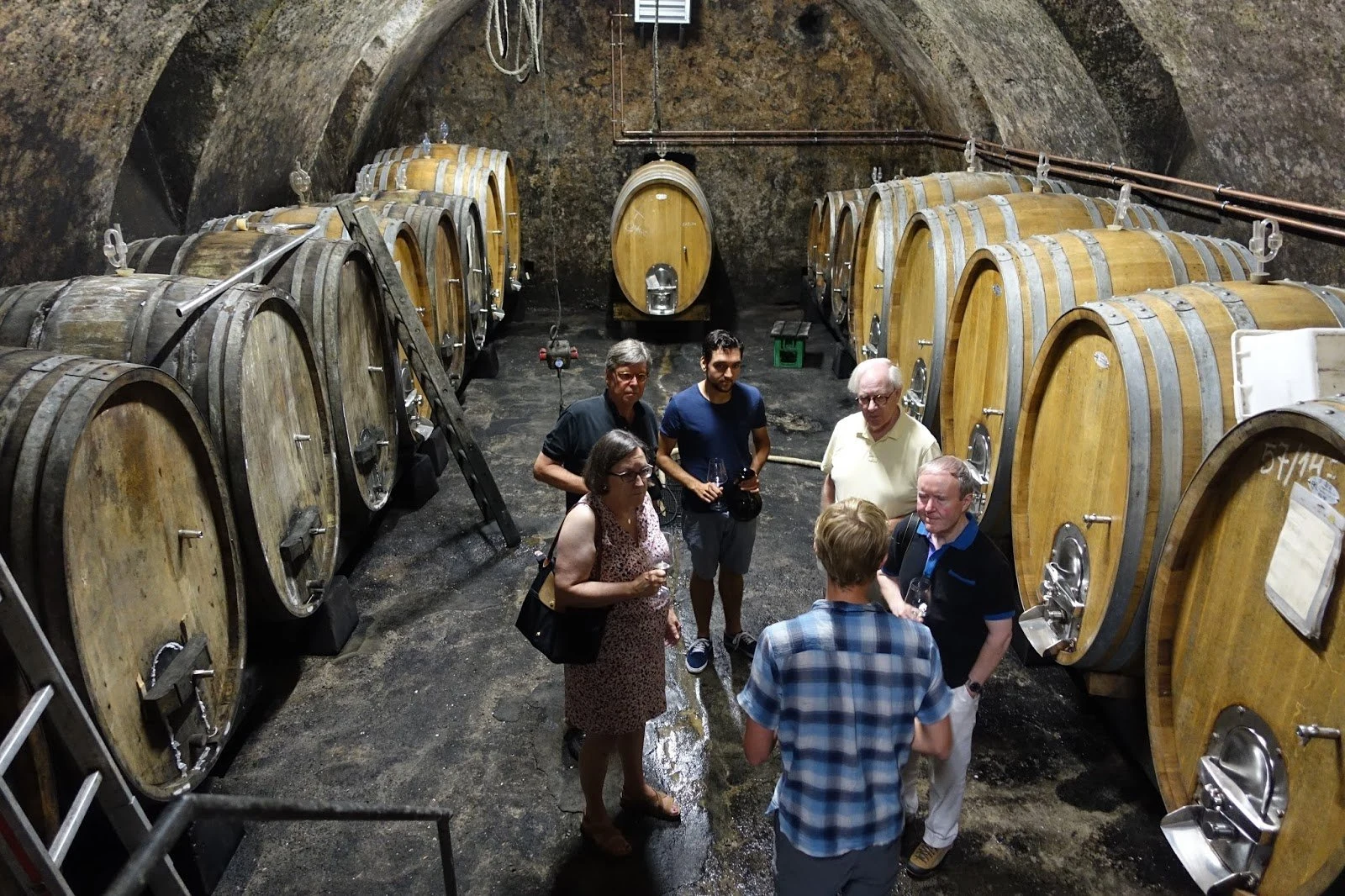
Salwey sits at Hauptstraße 2 in Vogtsburg im Kaiserstuhl, a working agricultural community rather than a polished wine-tourism destination. The estate reflects that character: grounded, production-focused, and oriented toward serious wine buyers rather than casual visitors. Expect a working winery environment, not a hospitality showcase.
Weingut Salwey is located at Hauptstraße 2, 79235 Vogtsburg im Kaiserstuhl, Oberrotweil.
Weingut Salwey has received recognition including: Pearl 2 Star Prestige (2025).
The estate's reputation rests on Kaiserstuhl Spätburgunder (Pinot Noir), where the volcanic loess soils of the massif produce a profile distinct from Mosel or Rheingau counterparts. Grauburgunder (Pinot Gris) is also central to the Baden style practiced here. Salwey's Pearl 2 Star Prestige recognition in 2025 underscores both varieties as benchmarks for the region.
The geology is the argument. The Kaiserstuhl's volcanic massif gives Salwey's wines a soil profile with no equivalent elsewhere in German viticulture, and the estate has converted that advantage into a Pearl 2 Star Prestige rating in 2025. Within Baden, a region that still receives less international attention than the Mosel, that credential carries weight.
Vogtsburg im Kaiserstuhl is a small agricultural municipality, and Salwey operates as a working estate. Contacting the winery in advance before visiting is advisable; the address is Hauptstraße 2, 79235 Vogtsburg im Kaiserstuhl. Phone and website details are not confirmed in current records, so reaching out through available channels before arrival is the practical approach.
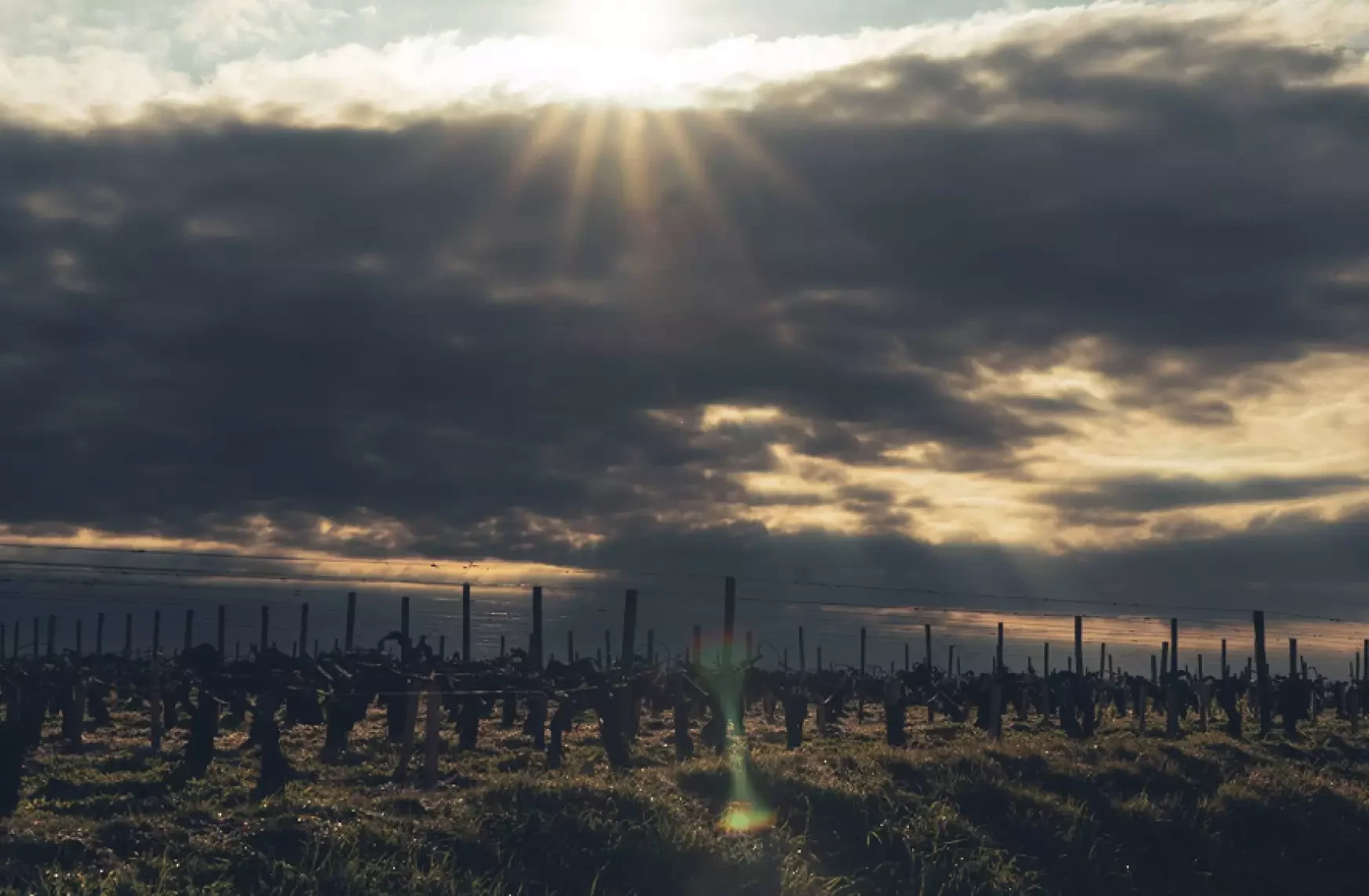
The Kaiserstuhl is a volcanic island rising from the Rhine plain in southwest Baden, delivering loess and basalt soils that retain heat more effectively than the slate or sandstone found in other German regions. This thermal advantage pushes Spätburgunder to a ripeness level that supports the structured, Burgundy-adjacent style for which Salwey earned its Pearl 2 Star Prestige recognition in 2025. No other German wine region replicates this specific volcanic geology at scale.
Hauptstraße 2, 79235 Vogtsburg im Kaiserstuhl
Oberrotweil