Weingut Ingrid Groiss operates from Breitenwaida in Austria's Weinviertel, producing wines that earned a Pearl 2 Star Prestige rating in 2025. The estate sits within one of Lower Austria's quieter appellations, where loess and sandy soils shape a distinctly mineral, cool-climate style. For those tracing Austrian white wine beyond the Wachau and Kamptal corridors, Groiss represents a producer worth the detour.
<h2>Weinviertel's Quieter Register</h2><p>The villages north of the Danube, spreading toward the Czech border across a rolling plateau of loess, vineyards, and grain fields, rarely attract the same immediate attention as the Wachau's terraced river slopes or the Kamptal's granite ridgelines. That relative quiet is part of the point. Weinviertel DAC has carved its identity around Grüner Veltliner in a particular register: pepper-driven, lighter in body than the Wachau's grands crus, and shaped by soils that shift between fine loess, sand, and in some parcels, gravel. Breitenwaida sits within this geography, and Weingut Ingrid Groiss is among the producers working from it at a level the broader Austrian wine conversation increasingly recognises. The estate received a Pearl 2 Star Prestige rating in 2025, a signal that places it in a tier of small Austrian producers whose wines reward careful attention.</p><p>For visitors oriented primarily toward <a href="https://www.enprimeurclub.com/wineries/weingut-brundlmayer-langenlois-winery">Weingut Bründlmayer in Langenlois</a> or <a href="https://www.enprimeurclub.com/wineries/weingut-emmerich-knoll-durnstein-winery">Weingut Emmerich Knoll in Dürnstein</a>, Groiss represents a lateral move rather than a compromise. The Weinviertel doesn't produce wines that compete with Smaragd-level Riesling on sheer density, but that's a category error. The appeal is different: wines shaped by altitude, wind exposure, and lighter soils that push toward freshness and aromatic lift rather than weight. Coming to Breitenwaida expecting the Danube valley's intensity is the wrong frame. Coming for what the plateau's cooler nights and open exposures produce is the right one.</p><h2>Soil, Wind, and the Weinviertel Template</h2><p>Weinviertel translates, approximately, as "wine quarter," and the region covers more vineyard area than any other Austrian appellation. That scale can obscure how varied the sub-zones actually are. Around Breitenwaida and the townships north of the Tullner Feld, loess deposits from the last glacial period sit over older sedimentary layers, creating soils that drain well, retain heat modestly, and contribute a particular mineral texture to wines grown in them. The Weinviertel DAC appellation requires that its Grüner Veltliner carry the region's typicity: an herbaceous, peppery character with relatively firm acidity, drawn in part from exactly these soil profiles.</p><p>Wind is the other variable that defines this plateau more than almost any other Austrian region. The Weinviertel is exposed to continental airflow from the northeast, which dries out the vines and pushes producers toward natural disease resistance rather than heavy intervention. That exposure also plays into ripening curves. Harvest windows here tend to follow a different logic from the sheltered Wachau, where riverside microclimates create longer, warmer finishing periods. On the plateau, the timing discipline that comes from working with more variable weather shapes how producers approach picking decisions and what ends up in the bottle. The aromatic freshness that characterises Groiss's positioning in the 2025 Pearl ratings is a direct product of this environment as much as any cellar decision.</p><p>The comparison with producers like <a href="https://www.enprimeurclub.com/wineries/weingut-pittnauer-gols-winery">Weingut Pittnauer in Gols</a> or <a href="https://www.enprimeurclub.com/wineries/weingut-wohlmuth-kitzeck-winery">Weingut Wohlmuth in Kitzeck</a> helps place Groiss in Austria's broader regional map. Pittnauer operates in the warmer, Pannonian-influenced Burgenland, with red varieties and skin-contact whites shaped by lake humidity and heat. Wohlmuth works in southern Styria with Sauvignon Blanc and Morillon against limestone slopes. Groiss, by contrast, is working from a cooler, northern plateau with white varieties that respond to loess and wind. These are distinct soil and climate stories, not interchangeable positions on a quality ladder.</p><h2>A Producer at Prestige Scale</h2><p>The Pearl 2 Star Prestige designation in 2025 places Groiss within a specific calibration of Austrian small-producer recognition. They suggest that the quality is consistent enough to warrant sustained attention, not just a single standout vintage. For context, <a href="https://www.enprimeurclub.com/wineries/weingut-heinrich-hartl-oberwaltersdorf-winery">Weingut Heinrich Hartl in Oberwaltersdorf</a> and <a href="https://www.enprimeurclub.com/wineries/weingut-kracher-illmitz-winery">Weingut Kracher in Illmitz</a> operate in different parts of the Austrian quality conversation, but Groiss's 2025 rating positions the estate as a Weinviertel reference point in the prestige tier rather than as an emerging outlier.</p><p>For the collector or traveller building a picture of Austrian wine beyond the Wachau corridor, that's a meaningful distinction. The Weinviertel has historically been treated as a high-volume, entry-tier region by critics whose frame of reference was formed in the 1990s, when DAC classifications didn't exist and the region's identity was genuinely diffuse.</p><h2>Getting There and What to Expect</h2><p>Breitenwaida lies in the Tullner Feld area of Lower Austria, accessible from Vienna in under an hour by car via the A22 and regional roads north. The address on Tullner Str. places the estate within the village itself, which is the standard format for Weinviertel producers: family wineries integrated into small agricultural communities rather than set apart as destination compounds. This is not a region built around visitor infrastructure in the way that parts of Burgenland or the Wachau have been developed for wine tourism. Arriving with prior contact and a clear sense of what you're looking for is the appropriate approach. Booking ahead is the practical baseline for estates at this scale.</p><p>The visit experience at producers like Groiss is typically shaped by the working rhythm of a family estate. Tastings are conducted in cellars or production spaces that reflect the actual operation, not a purpose-built hospitality suite. For visitors accustomed to the organised tasting rooms of larger operations, that directness is an adjustment worth making. The wines speak most clearly in that context, without the softening effect of designed presentation.</p><p>Those building longer Austrian wine itineraries might also consider how Groiss fits alongside distillery producers in the country's broader artisan scene, from <a href="https://www.enprimeurclub.com/wineries/1310-spirit-of-the-country-distillery-sierning-winery">1310 Spirit of the Country Distillery in Sierning</a> to <a href="https://www.enprimeurclub.com/wineries/a-batch-distillery-bergheim-winery">A. Batch Distillery in Bergheim</a>, which collectively illustrate how Austria's small-producer culture extends across categories. The winery itself remains the focus in Breitenwaida, but understanding the regional craft context adds depth to what the estate represents within Austrian production more broadly. Producers such as <a href="https://www.enprimeurclub.com/wineries/weingut-scheiblhofer-distillery-andau-winery">Weingut Scheiblhofer in Andau</a> also demonstrate how Austrian estates increasingly operate across wine and spirits, though Groiss's identity remains rooted in Weinviertel viticulture.</p><h2>Practical Notes</h2><p>Weingut Ingrid Groiss is located at Tullner Str., 2014 Breitenwaida, Lower Austria. The estate does not list a website or phone contact. The 2025 Pearl 2 Star Prestige rating provides the clearest available signal of quality standing. Visitors from Vienna should plan the trip as part of a wider Lower Austrian circuit. Spring and autumn, when harvest activity or post-vintage tastings bring the wines' current state into focus, are the most productive periods to visit producers at this scale in the region.</p>
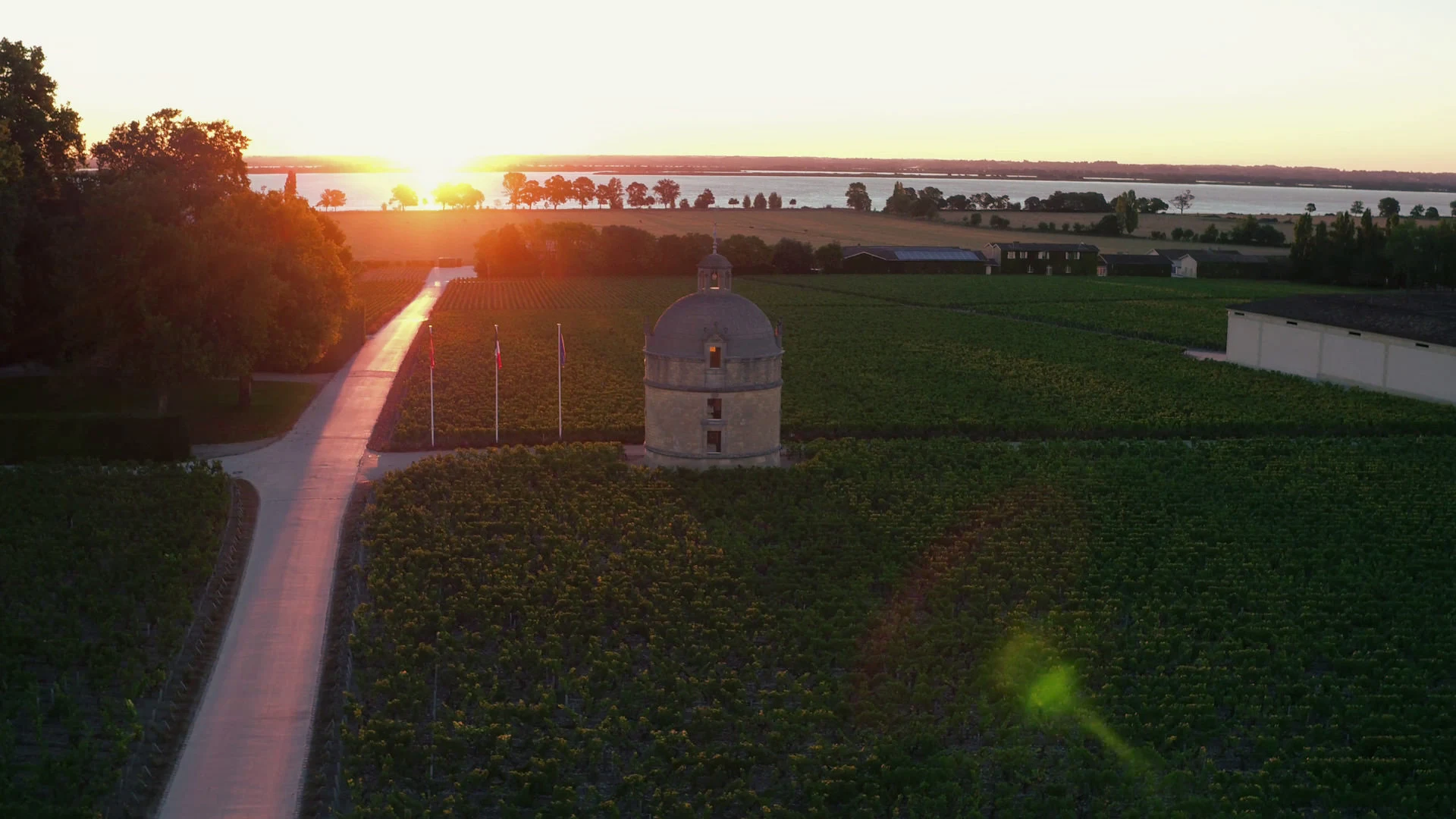
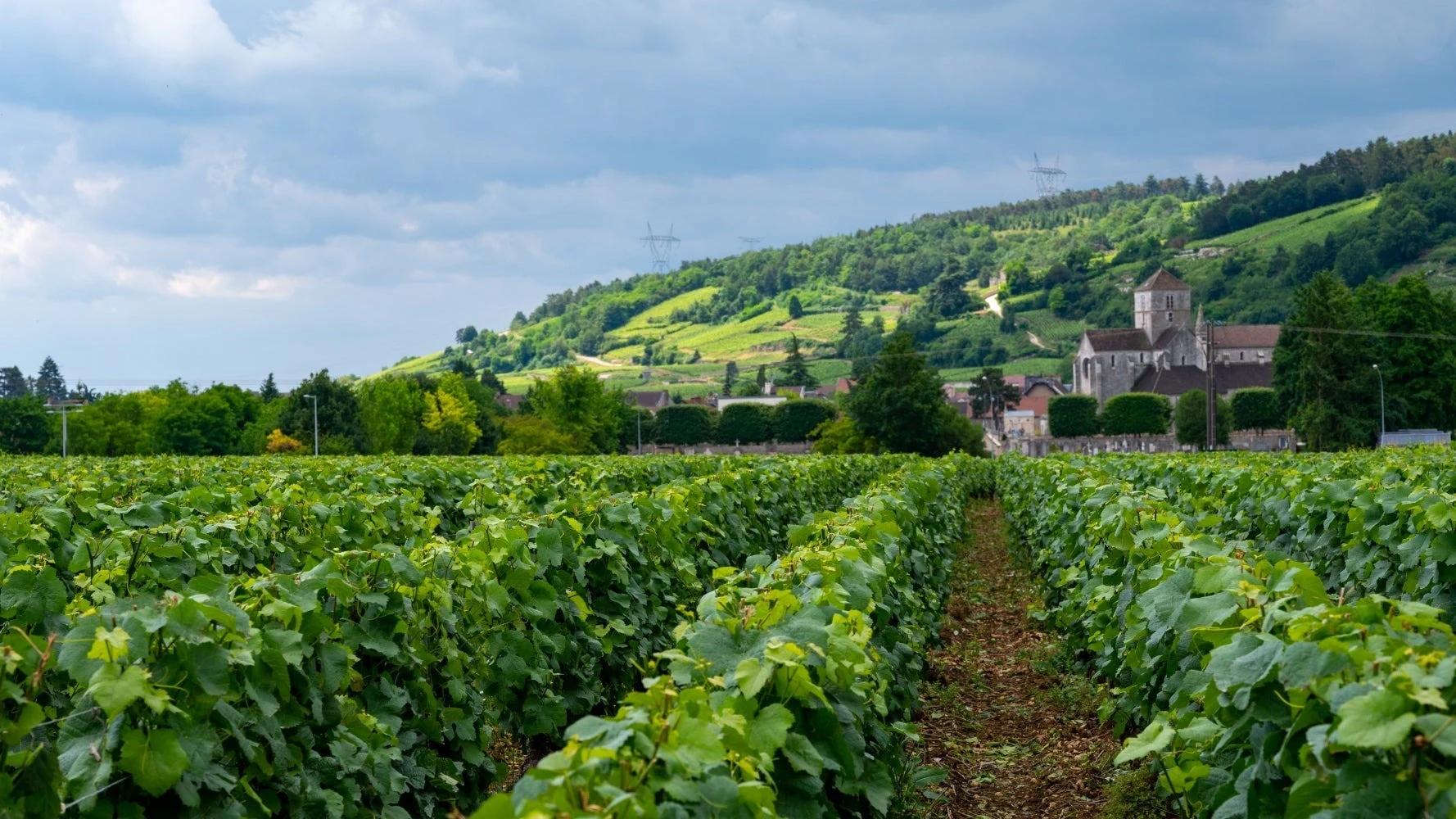
Breitenwaida is a quiet agricultural village on the loess plateau north of the Danube, and the estate sits within that unhurried register. This is small-producer Weinviertel: grain fields and vineyards in near-equal measure, with none of the organised tourism infrastructure you find in Wachau or Kamptal. A Pearl 2 Star Prestige (2025) signals seriousness at the cellar level; the surroundings are resolutely local.
Weingut Ingrid Groiss is located at Tullner Str., 2014 Breitenwaida, Breitenwaida.
Weingut Ingrid Groiss has received recognition including: Pearl 2 Star Prestige (2025).
Specific bottlings are not listed in publicly available records for the estate. Weinviertel's dominant variety is Grüner Veltliner, and loess-heavy soils in the Tullner Feld area typically produce wines with weight and textural grip rather than the peppery linearity of sandier sites. The Pearl 2 Star Prestige (2025) places Groiss in a tier where precise varietal expression is the standard expectation.
No website or listed phone number is on record, so advance contact through local wine trade channels or direct outreach is advisable before travelling to Tullner Str., 2014 Breitenwaida. The estate earned a Pearl 2 Star Prestige in 2025, a rating applied to small Austrian producers with a consistent track record. Breitenwaida is accessible from Vienna in under an hour via the A22 and regional roads north.
Without a listed website or phone contact, the practical first step is locating a direct line through an importer, local wine shop, or the Austrian Wine Marketing Board directory. Small Weinviertel estates at prestige level tend to operate by appointment rather than walk-in, and Groiss's 2025 Pearl 2 Star Prestige recognition may have tightened availability for cellar visits.
Tullner Str., 2014 Breitenwaida
Breitenwaida