Stainless steel, lees and limestone
- Falstaff Winery - 4 Stars · 2026
- Pearl 2 Star Prestige · 2025
Stainless steel before ornament
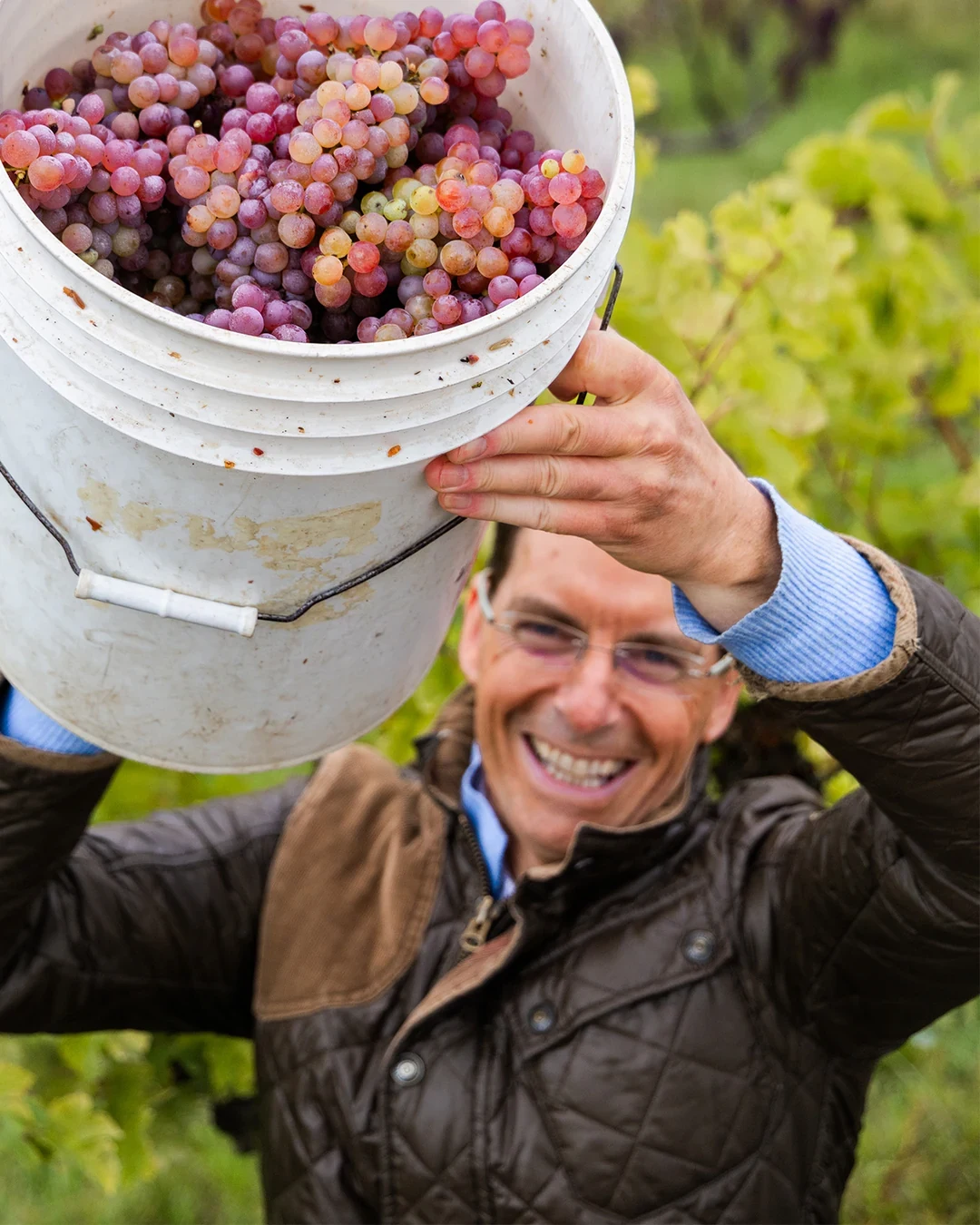
Hans Setzer keeps oak out of the site wines. As Hans Setzer, winemaker at Weingut Setzer in Hohenwarth, works from that refusal, the cellar stays close to fruit, soil and timing. His training at Klosterneuburg gave him a technical base, but the discipline here is less about display than restraint, the kind that lets a vineyard keep its own outline. The estate is family-run, founded in 1705, and the present work still reads through that long horizon: repeat the method, watch the site, avoid the gesture that covers too much. Setzer’s stated preference is for clarity over oak or malolactic fermentation. That is not a neutral choice in a region where texture can easily become weight. It asks the wine to carry its depth through lees, acidity and mineral detail, not through a cellar signature imposed over the top.
Four weeks from the bottle
The program turns on stainless steel, spontaneous fermentation and time on the lees. Setzer puts it plainly: “All of our site wines (except the Große Reserve) are spontaneously fermented in stainless steel and aged on the lees until about four weeks before bottling.” The timing matters. Lees aging gives the wines breadth without pushing them toward softness, while stainless steel keeps the frame clean enough for site and variety to remain legible. Grüner Veltliner is central here, alongside Roter Veltliner, Riesling, Chardonnay, Zweigelt and Pinot Noir, with the work tied to Weinviertel DAC and to single-vineyard and reserve bottlings. The estate farms on a small scale of 30 hectares, with high-density planting of 8,000 vines per hectare on elevated calcareous ground. Setzer’s signature names, Weinviertel DAC Reserve »8000«, Roter Veltliner Ried Kreimelberg, Ried Kronberg Reserve and Setzer in Pink, give the portfolio its grammar: density, site, variety, freshness.
Limestone above Hohenwarth
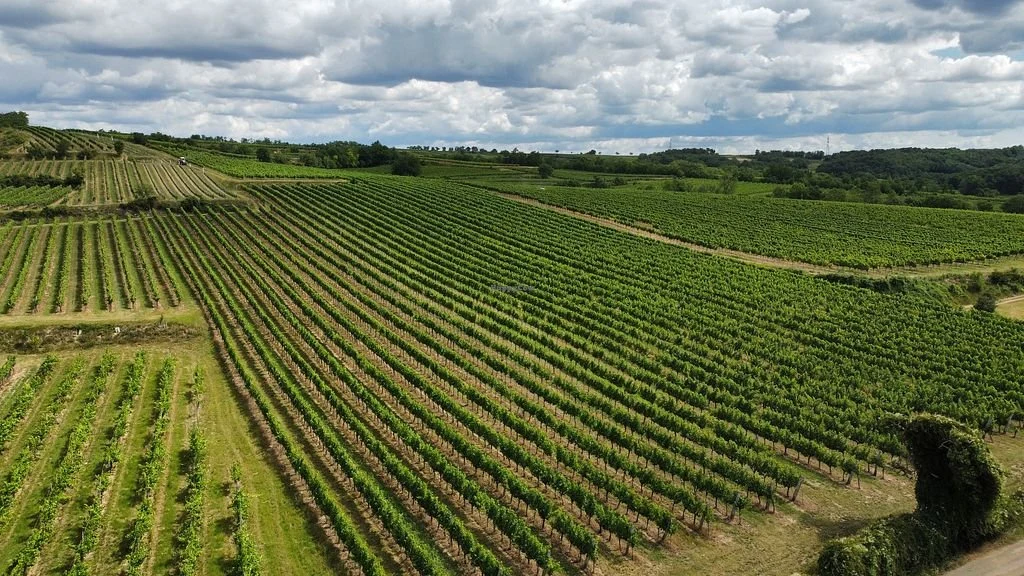
The vineyards sit at 400m above sea level, on sandy, chalky limestone soils around Hohenwarth. One site, as Setzer describes it, is “oriented to the southeast and has sandy brown soil with a lot of limestone.” He treats those details as working variables rather than scenery. In the vineyard and cellar, orientation and soil become questions of structure: how much tension the fruit can hold, how much texture the lees should bring, how cleanly the finish can carry the limestone. The place is quiet in the way a working winery is quiet, with attention directed outward to the rows and inward to the tanks. The rustic atmosphere does not ask to be styled. It gives the craft room to stay precise.
No oak in the outline
Setzer’s clearest cellar decision is also the one that keeps the house legible. “The character of the site is especially important to us, so there is no oak and no malolactic fermentation.” That choice leaves less room to hide and more pressure on picking, fermentation and patience on the lees. The next glass to understand here is not a category but a line of thought, carried through Weinviertel DAC Reserve »8000«.
Questions
Frequently asked
Who is behind Weingut Setzer?
Hans Setzer is the winemaker at Weingut Setzer in Hohenwarth, and the estate is family-run and founded in 1705.
What kind of winemaking does the estate focus on?
The cellar stays close to fruit, soil and timing, with a stated preference for clarity over oak or malolactic fermentation. Most site wines are spontaneously fermented in stainless steel and aged on the lees until about four weeks before bottling.
What grapes and wines are central here?
Grüner Veltliner is central at Weingut Setzer, alongside Roter Veltliner, Riesling, Chardonnay, Zweigelt and Pinot Noir. The portfolio includes Weinviertel DAC, single-vineyard and reserve bottlings, including Weinviertel DAC Reserve »8000«, Roter Veltliner Ried Kreimelberg, Ried Kronberg Reserve and Setzer in Pink.
What is the setting of the vineyards?
The vineyards sit around Hohenwarth at about 400 metres above sea level on sandy, chalky limestone soils, with one site described as southeast-oriented and having sandy brown soil with a lot of limestone. The estate farms 30 hectares with high-density planting of 8,000 vines per hectare.
Is booking recommended?
Yes. Reservations are recommended.
The field
How it compares
| Place | Notes |
|---|---|
| Weingut Setzer | Hohenwarth, $$ |
| Domaine des Comtes Lafon | Meursault |
| Weingut Hofbauer-Schmidt | Hohenwarth |
| Weingut Schwinner | Hohenwarth |
| Weingut Sutter | Hohenwarth |
| Weingut Zeilinger | Hohenwarth |
| Weingut Zeilinger-Wagner | Hohenwarth |

