Restaurant
The Winstub du Chambard sits within La Chambard hotel on Kaysersberg's main street, operating as the more accessible counterpart to Olivier Nasti's two-Michelin-starred dining room upstairs. Holding a Michelin Bib Gourmand in both 2024 and 2025, it serves traditional Alsatian specialties at mid-range prices, making it a natural anchor point for visitors pairing village exploration with regional winemakers nearby.
<h2>The Winstub as a Format: What Alsace Built and Why It Persists</h2><p>Walk into almost any Alsatian village of consequence and you will find a winstub. The format predates the modern restaurant by centuries: a wine room, originally attached to a producer's house, where locals gathered to drink the estate's output alongside dishes that required no menu, no theatrics, and no particular ceremony. The tradition has survived because the food and the ritual it supports are genuinely coherent. Choucroute comes in portions sized for appetite rather than aesthetics. Baeckeoffe arrives in a sealed terrine. Tarte flambée is eaten fast, while the dough still holds its char. These are dishes that make structural sense within the winstub's unhurried, communal rhythm, and that rhythm is the point.</p><p>Kaysersberg, one of the more visited villages along the Route des Vins d'Alsace, has enough winstub options to allow comparison. The Winstub du Chambard, on the village's main street at 13 Rue du Général de Gaulle, operates within La Chambard hotel and sits in a peer tier defined by the Bib Gourmand designation rather than full Michelin star coverage. That distinction matters practically: the Bib Gourmand signals good cooking at moderate prices, confirmed here in both 2024 and 2025. In a village where Olivier Nasti also runs <a href="https://www.enprimeurclub.com/restaurants/la-table-dolivier-nasti-kaysersberg-restaurant">La Table d'Olivier Nasti</a> at the €€€€ level, the Winstub functions as a deliberate counterpoint, serving the same regional tradition through a different register of formality and price.</p><h2>The Dining Ritual Here: Pacing, Custom, and What to Expect at the Table</h2><p>The winstub meal in Alsace does not follow the tempo of a tasting menu or a quick lunch counter. It occupies a middle pace: slower than a brasserie in the sense that dishes arrive with purpose, faster than a gastronomic room in that the format discourages extended gaps between courses. The expectation is generous portions, wine by the carafe or the half-litre, and a table that is yours for the sitting rather than the hour.</p><p>At the Winstub du Chambard, that tradition is executed under the broader culinary stewardship of Olivier Nasti, whose two Michelin stars upstairs at La Table establish the kitchen's technical foundation. The award record for the Winstub itself, consecutive Bib Gourmand recognitions, confirms that the cooking in this lower-priced room is not an afterthought. Alsatian specialties form the core of what comes to the table: dishes that are rooted in the wine-producing culture of this stretch of the Rhine plain, where the food has historically been built to sit alongside Riesling, Pinot Gris, and Gewurztraminer rather than compete with them.</p><p>The price range sits at €€, which in this context positions the Winstub significantly below the €€€€ tier occupied by <a href="https://www.enprimeurclub.com/restaurants/alchemille-kaysersberg-restaurant">Alchémille</a> and La Table d'Olivier Nasti. Within Kaysersberg's immediate dining options, <a href="https://www.enprimeurclub.com/restaurants/la-vieille-forge-kaysersberg-restaurant">La Vieille Forge</a> sits at a comparable price point, though with a modern cuisine orientation rather than a strictly regional one. For visitors whose primary interest is the Alsatian culinary tradition rather than contemporary French technique, the Winstub offers the more direct expression at that mid-range price level.</p><h2>Where It Sits in the Alsatian Dining Tradition</h2><p>Alsace occupies a specific position in French regional gastronomy. It has its own appellation wines, its own dialect, its own architectural vernacular, and a food culture shaped by centuries of German and French influence operating in alternation. The grand address in the region remains <a href="https://www.enprimeurclub.com/restaurants/auberge-de-lill-illhaeusern-restaurant">Auberge de l'Ill in Illhaeusern</a>, which has held three Michelin stars since 1967 and represents the haute end of the tradition. The winstub sits at the opposite end of the formality spectrum, closer to what the cuisine originally was before it acquired international recognition.</p><p>The broader context of French regional cooking includes houses like <a href="https://www.enprimeurclub.com/restaurants/bras-laguiole-restaurant">Bras in Laguiole</a>, <a href="https://www.enprimeurclub.com/restaurants/troisgros-le-bois-sans-feuilles-ouches-restaurant">Troisgros in Ouches</a>, and <a href="https://www.enprimeurclub.com/restaurants/flocons-de-sel-megeve-restaurant">Flocons de Sel in Megève</a>, each of which operates from a deep regional identity at the gastronomic tier. The Winstub du Chambard is not competing in that conversation. Its peer set includes traditional Alsatian addresses such as <a href="https://www.enprimeurclub.com/restaurants/-lagneau-dor-obernai-restaurant">À l'Agneau d'Or in Obernai</a> and <a href="https://www.enprimeurclub.com/restaurants/-lami-fritz-ottrott-restaurant">À l'Ami Fritz in Ottrott</a>, establishments where the Michelin Bib Gourmand or equivalent recognition reflects consistent regional cooking rather than innovation. That is the correct frame of reference.</p><p>The connection to a hotel property at this level of quality is also worth noting as a structural point. Several of Alsace's better winstubs are attached to auberges or small hotels, partly because the overnight visitor market and the winstub format align well: guests who have spent the afternoon walking vineyards want food that is satisfying and regional, not food that requires prior research. The Winstub du Chambard, sitting within <a href="https://www.enprimeurclub.com/restaurants/le-chambard-kaysersberg-restaurant">Le Chambard</a>, addresses that visitor profile directly.</p><h2>Planning a Visit: Practical Notes</h2><p>Kaysersberg is accessible from Colmar, roughly 12 kilometres to the southeast, making it a natural extension of any itinerary centred on the wine towns of the Haut-Rhin. The village draws concentrated visitor numbers during the Christmas market season, when demand for winstub tables across the village increases sharply; advance booking during that window is advisable. The Google review score of 4.5 across recorded reviews reflects the Winstub's consistency rather than its exclusivity, which is appropriate for the format.</p><p>The hotel connection means the Winstub sits in physical proximity to the broader La Chambard property, which includes La Table d'Olivier Nasti. Visitors planning a more extended stay in Kaysersberg can consult <a href="https://www.enprimeurclub.com/hotels/kaysersberg">our full Kaysersberg hotels guide</a> for accommodation options. For those building a wider programme around the village, <a href="https://www.enprimeurclub.com/wineries/kaysersberg">our Kaysersberg wineries guide</a> covers the neighbouring producers referenced in the Winstub's own context, and <a href="https://www.enprimeurclub.com/experiences/kaysersberg">our experiences guide</a> maps broader itinerary options across the area. The full picture of the village's dining scene is in <a href="https://www.enprimeurclub.com/restaurants/kaysersberg">our Kaysersberg restaurants guide</a>, and for evening drinks alongside or after dinner, <a href="https://www.enprimeurclub.com/bars/kaysersberg">our bars guide</a> covers what the village offers in that category.</p><p>For context across the wider French fine dining tier, EP Club also covers <a href="https://www.enprimeurclub.com/restaurants/alleno-paris-au-pavillon-ledoyen-paris-restaurant">Alléno Paris au Pavillon Ledoyen</a>, <a href="https://www.enprimeurclub.com/restaurants/mirazur-menton-restaurant">Mirazur in Menton</a>, and <a href="https://www.enprimeurclub.com/restaurants/paul-bocuse-lauberge-du-pont-de-collonges-collonges-au-mont-dor-restaurant">Paul Bocuse in Collonges-au-Mont-d'Or</a> for those mapping the country's gastronomic geography more broadly.</p><h2>Frequently Asked Questions</h2><h3>Would Winstub du Chambard be comfortable with kids?</h3><p>Yes, at the €€ price level in Kaysersberg, the winstub format is among the more family-appropriate dining options in the village: generous portions, a relaxed pace, and no dress code pressure.</p><h3>What should I expect atmosphere-wise at Winstub du Chambard?</h3><p>If you are arriving from one of the higher-formality rooms in Kaysersberg, the Winstub will read as deliberately casual by comparison. The Bib Gourmand recognition in 2024 and 2025 confirms the cooking is serious, but the room operates at the mid-range €€ tier, and the atmosphere follows the winstub tradition: convivial, unhurried, and oriented around the table rather than the theatre of service. In a village on the Route des Vins, that tone suits the context.</p><h3>What do people recommend at Winstub du Chambard?</h3><p>The venue's Michelin Bib Gourmand reflects consistent execution of Alsatian specialties rather than a single signature dish. Given the cuisine type and the regional tradition, the expectation is that the kitchen prioritises the canonical regional repertoire: choucroute, tarte flambée, and the slow-cooked preparations that define this stretch of the Rhine plain. Olivier Nasti's culinary direction across the La Chambard property gives the kitchen a credible technical foundation for that execution.</p>
Yes. The €€ price point and winstub format both work in favour of families: portions run generous by Alsatian custom, the tone is informal relative to the hotel's other dining spaces, and Kaysersberg's village scale keeps the overall atmosphere relaxed. The Michelin Bib Gourmand recognition reflects value-driven cooking rather than high-formality service, which translates to a room that accommodates different ages without friction.
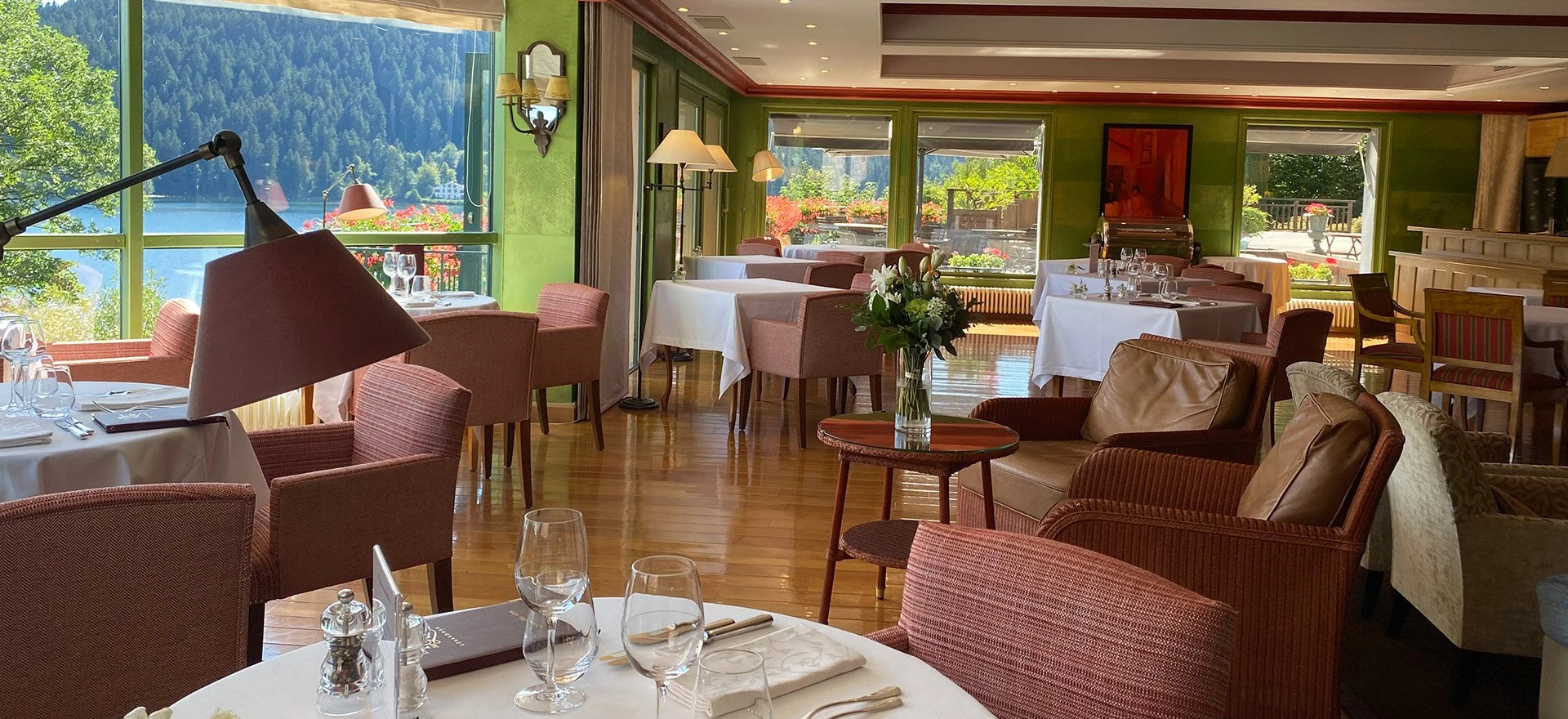
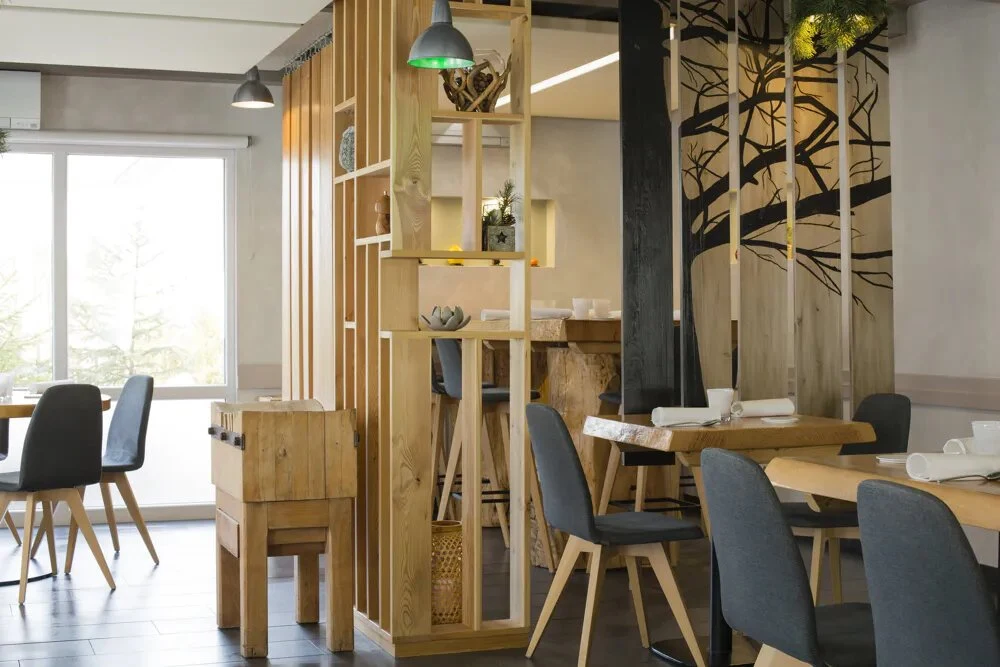
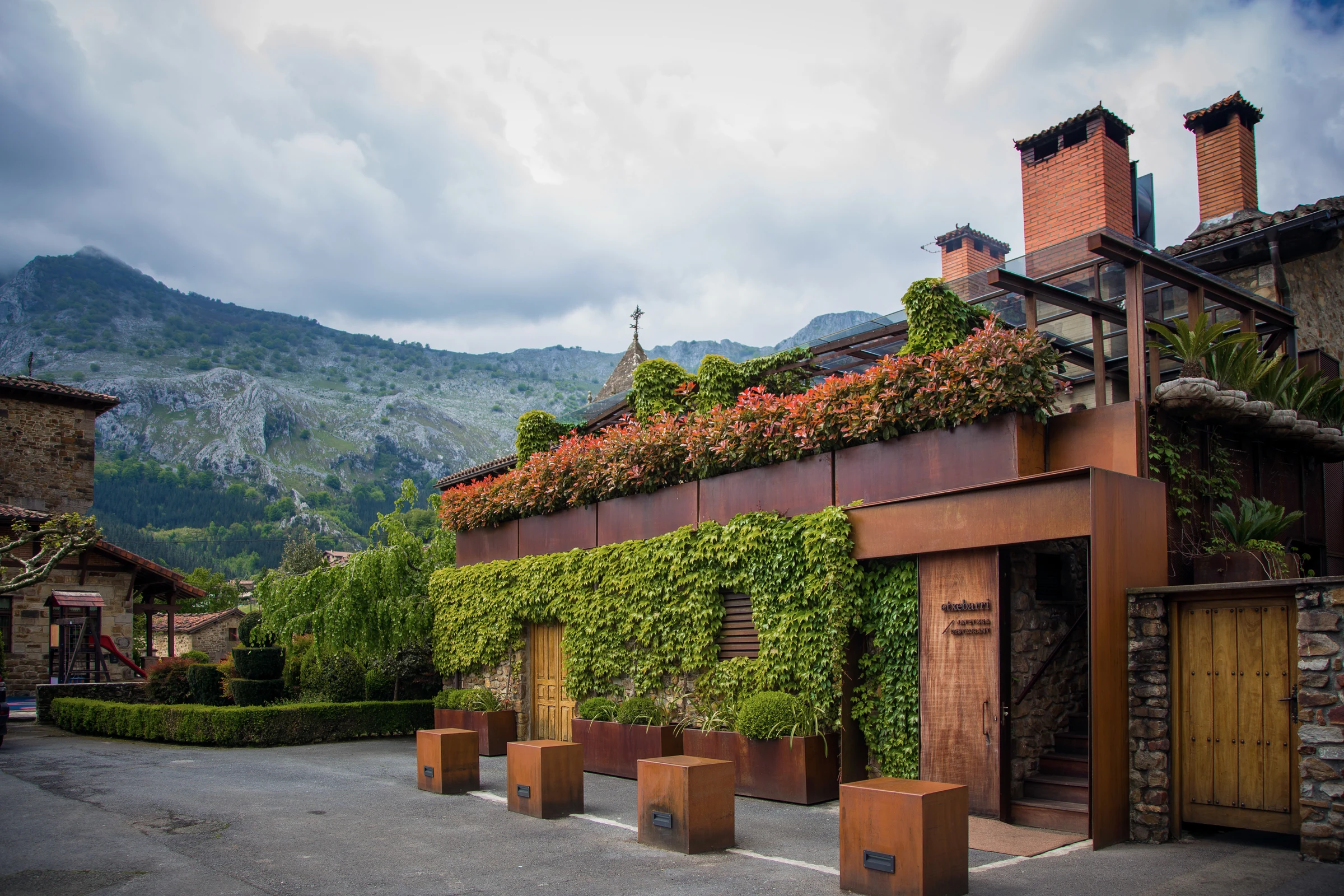
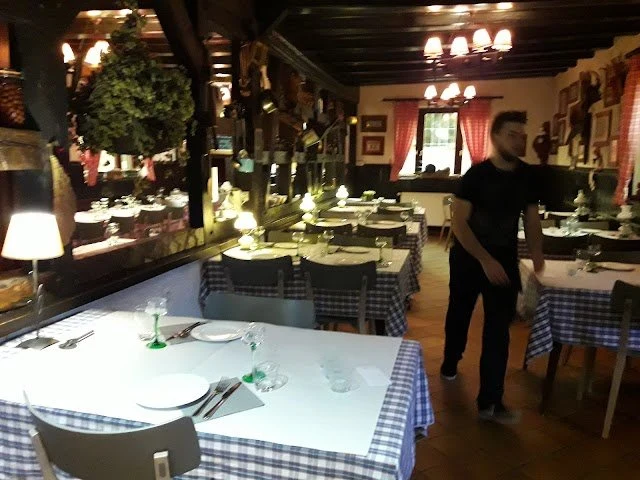
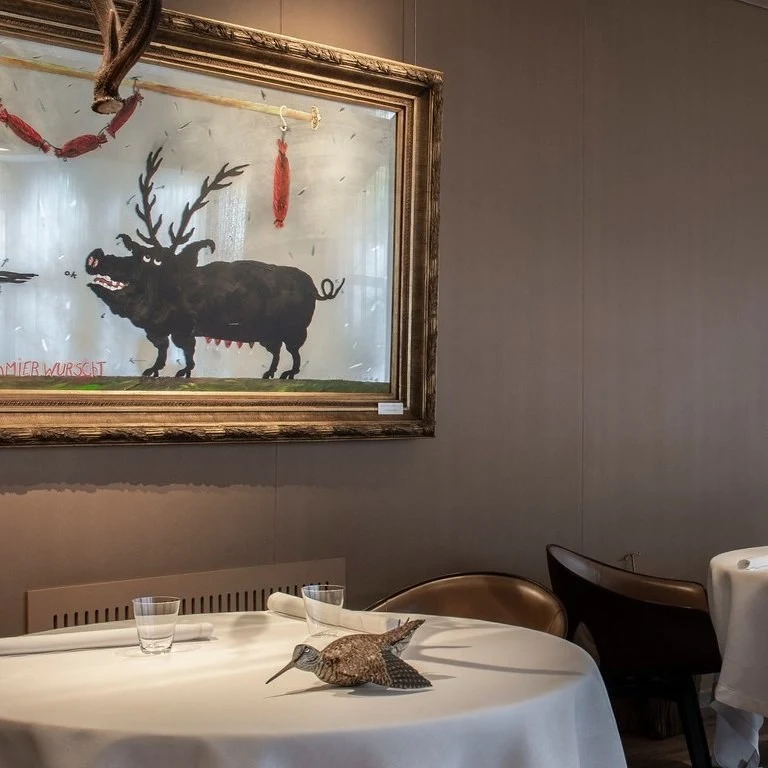
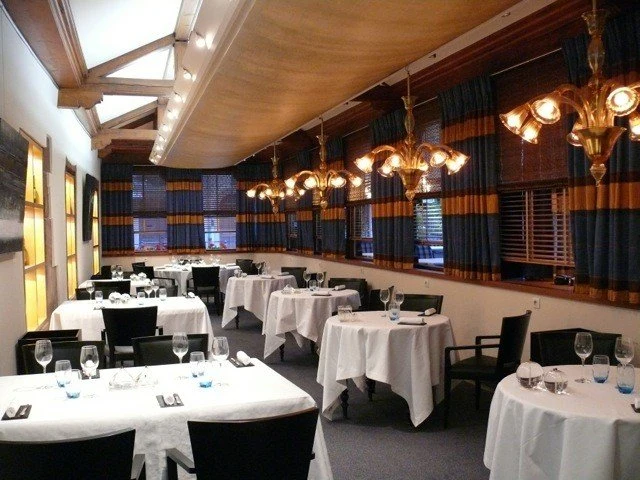
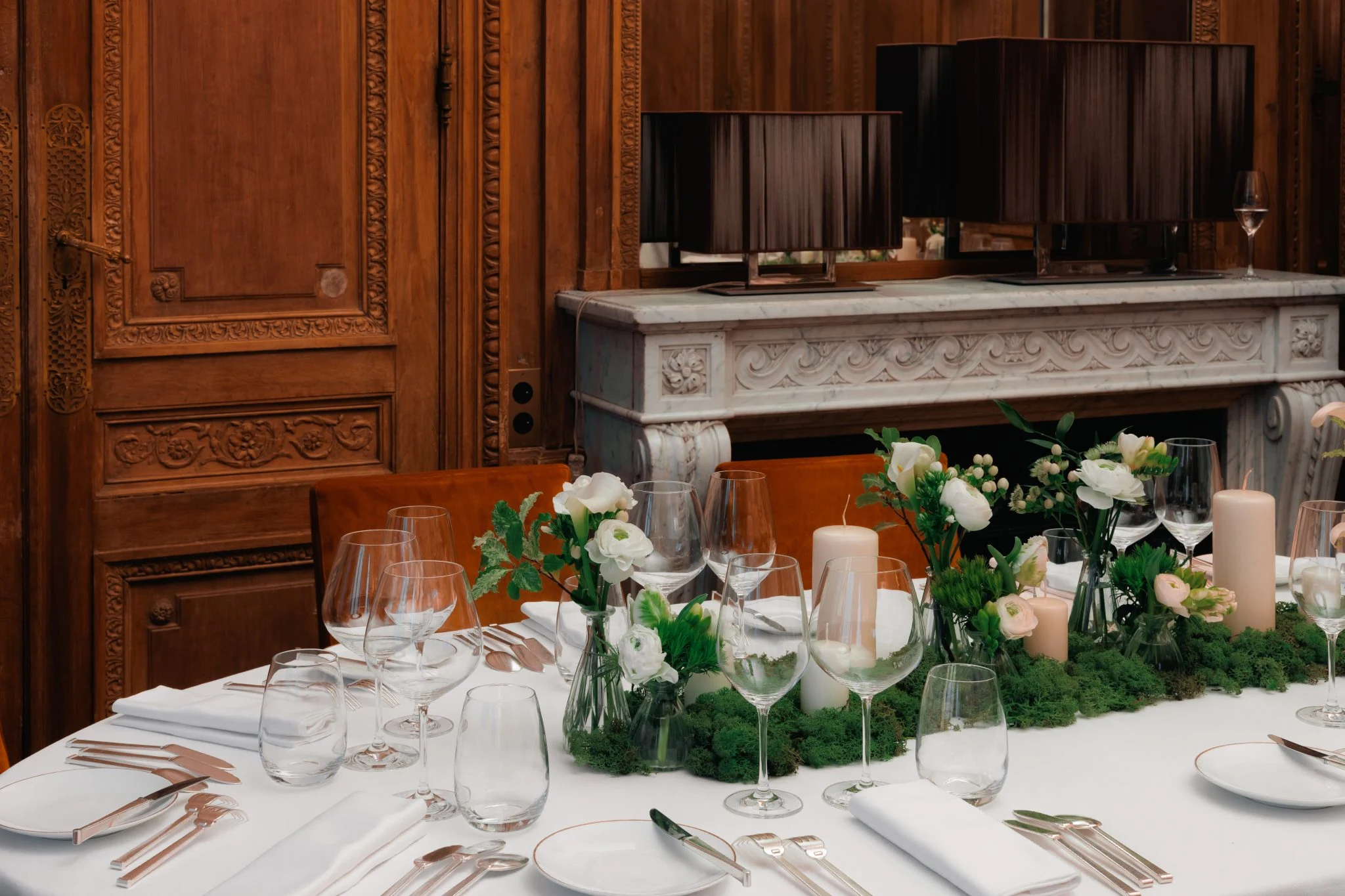
A winstub is a wine-room format with roots that predate the modern restaurant, and this one sits inside La Chambard hotel on Kaysersberg's main street at 13 Rue du Général de Gaulle. The room reads as deliberately casual: timber, close tables, and a pace governed by Alsatian custom rather than tasting-menu formality. The two consecutive Michelin Bib Gourmand awards (2024 and 2025) confirm it delivers consistent cooking within that register, not a dressed-up version of it.
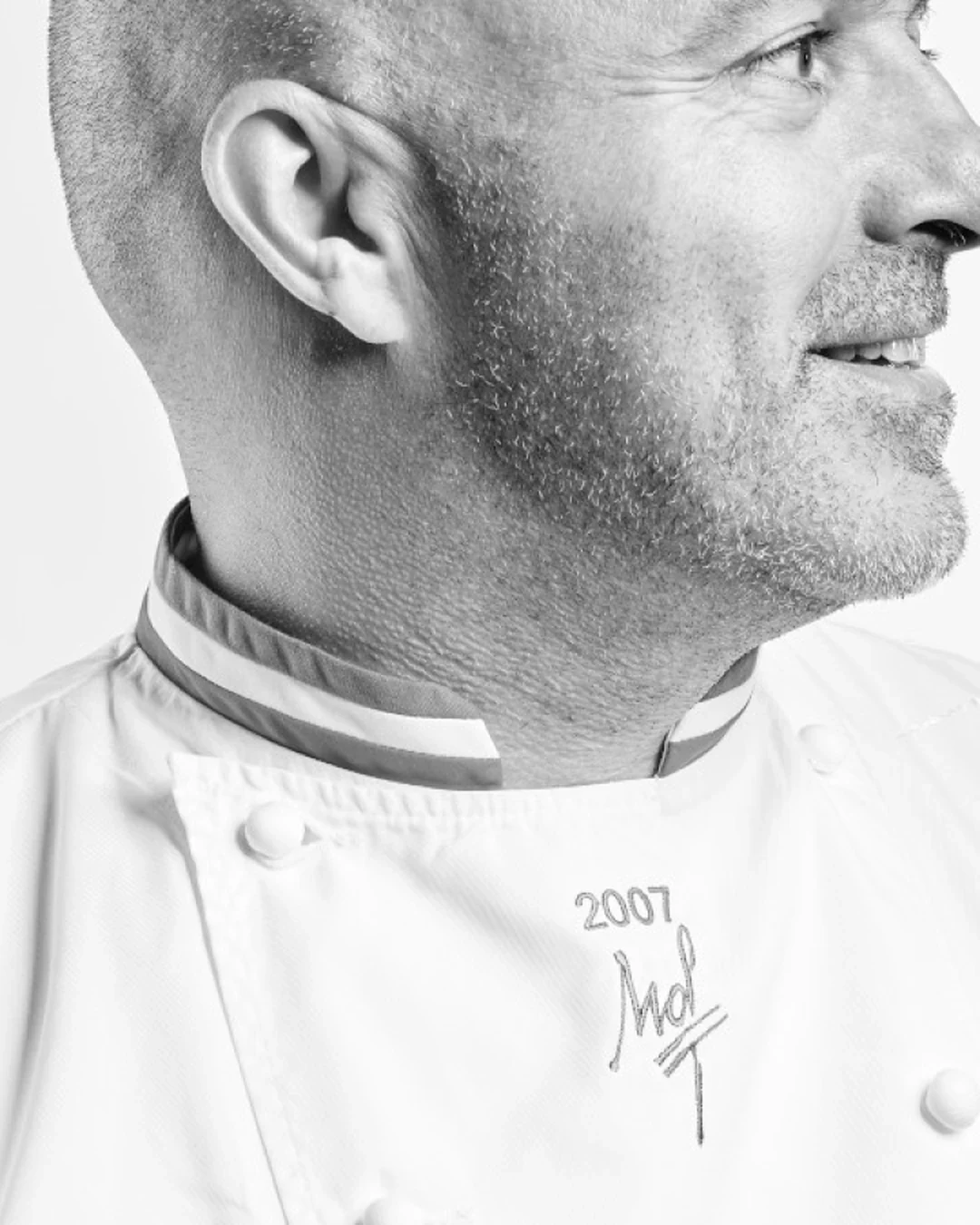
Winstub du Chambard has received recognition including: The Winstub is a traditional Alsatian brasserie, within La Chambard hotel – a must-visit for visitors to Kaysersberg, along with neighbouring winemakers. Alsatian specialties are executed by the Meil...; Michelin Bib Gourmand (2025); Michel….
The Bib Gourmand, awarded in both 2024 and 2025, points to the kitchen's consistent execution of Alsatian specialties rather than a single standout dish — that is precisely what Michelin's inspectors reward with that designation. The cuisine type is Alsatian throughout, meaning the repertoire runs to the region's classics: charcuterie, braised preparations, and dishes suited to the local wine producers who neighbour the hotel on the Route des Vins.
Winstub du Chambard is categorized in our database as Alsatian.
13 Rue du Général de Gaulle 13, 68240 Kaysersberg Vignoble, France
Kaysersberg

Modern Alsatian Fine Dining
La Table d'Olivier Nasti
Kaysersberg, France
★★

Modern French Nature-Driven Fine Dining
Alchémille
Kaysersberg, France
★

Traditional Alsatian Winstub
Le Chambard
Kaysersberg, France

Japanese-influenced Californian Kaiseki
Single Thread Farm
Healdsburg, United States
★★★ · 50 Best

French Seafood Fine Dining
Le Bernardin
New York City, United States
★★★ · 50 Best

Modern Korean Tasting Menu
Atomix
New York City, United States
★★ · 50 Best