Skip to Content
    Made ByRestaurant

    Xin Rong Ji, Tokyo

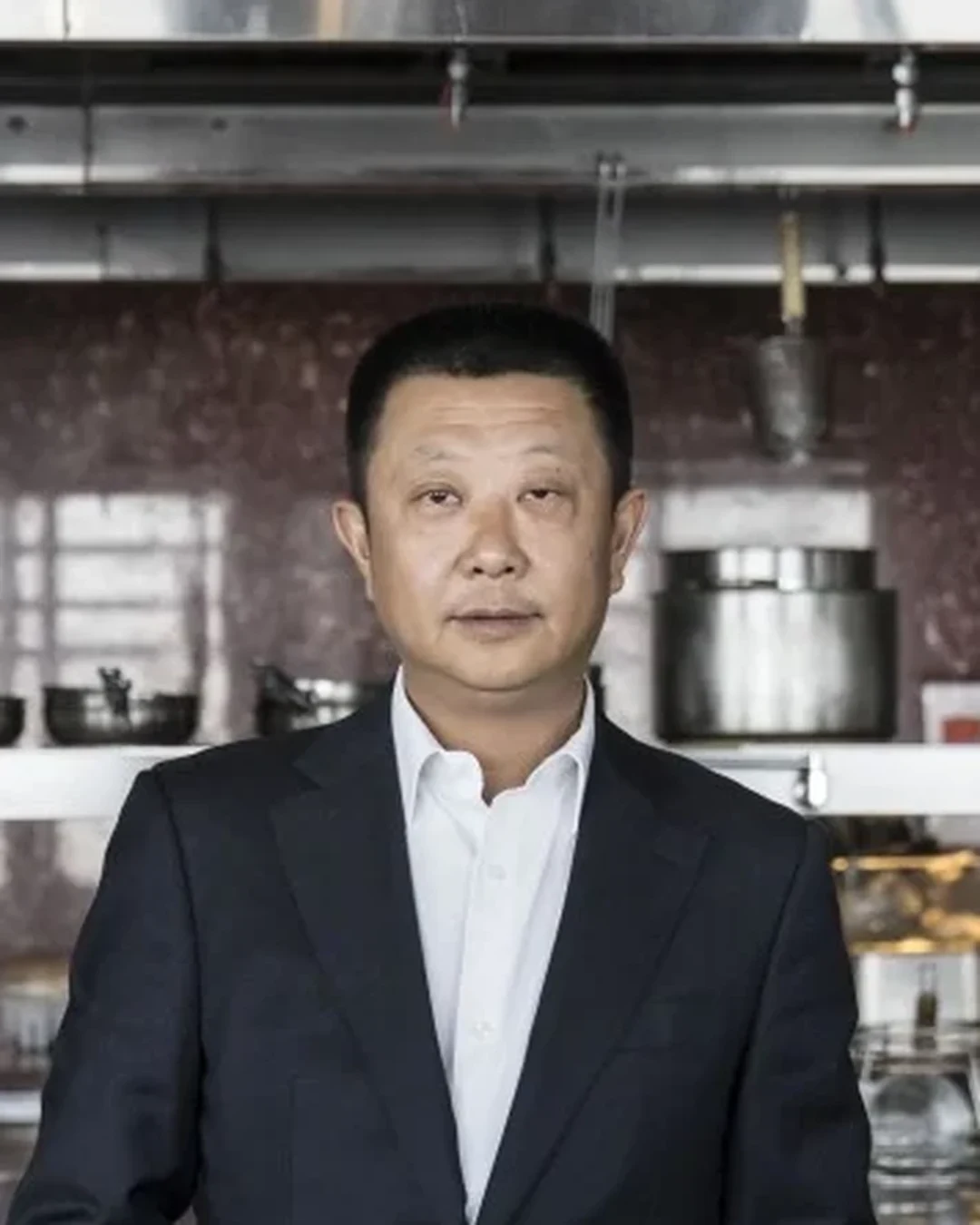
    Zhang Yong

    In Residence

    Zhang Yong

    Chef

    1. 01CuisineChinese
    2. 02CityTokyo, Japan
    Xin Rong Ji, Tokyo (restaurant)

    Zhang Yong, chef at Xin Rong Ji, Tokyo, brings Taizhou discipline to Tokyo through restrained Chinese cooking and natural flavor.

    • Opinionated About Dining Top Restaurants in Japan Recommended · 2026

    A founder’s discipline carried to Akasaka

    The seasoning stays close to the ingredient; Zhang Yong, chef at Xin Rong Ji, Tokyo, in Tokyo, built the house around that restraint. The Tokyo restaurant is the group’s first overseas branch, opened on February 28, 2024, inside Akasaka Biz Tower, and it carries a standard Zhang began setting when he established Xin Rong Ji in 1995. His work is not framed as reinvention here. It is continuity under another roof, with Taizhou cuisine held as the fixed point.

    Zhang’s role has always been broader than a single station. He is founder of Xin Rong Ji and remains tied to the group’s measure of Chinese cuisine: patient construction, steady repetition, and a business made to hold its line over time. His own language keeps the scale modest. “I wouldn’t call it a success. I believe it’s thanks to passion, perseverance, and a bit of talent that we’ve managed to keep our restaurants going.” In that sentence, the emphasis falls where it should: keeping the restaurants going. The SevenRooms Icon Award in 2026 put a formal marker on the career, but the work described by Zhang is daily maintenance, not ceremony.

    Taizhou flavor, Tokyo ingredients

    The program in Tokyo begins from Taizhou, Zhang’s hometown in Zhejiang Province, and from the house preference for natural flavor, the clear savor of an ingredient before seasoning takes over. The kitchen works with selected Japanese ingredients and seafood associated with the East China Sea, folding them into a Taizhou grammar rather than treating the Tokyo address as a reason to drift. That distinction matters. A branch can become a translation too quickly; this one is built to keep the original syntax audible.

    Jia Hua Dong Hai Wild Yellow Fish sits among the named signatures, made from rare yellow croaker, and Sour Garlic Braised Bean Curd gives the kitchen another register: a soup dish whose force depends on clarity rather than weight. The Tokyo branch offers an omakase course, which gives the pass a disciplined sequence for presenting those signatures alongside the house’s broader Chinese repertoire. The original Xin Rong Ji is also known for Yellow Croaker in Soup Noodles and Peking Duck, dishes that explain the group’s confidence in ingredient-led cooking without needing the room to overstate it.

    The counter under the timber lattice

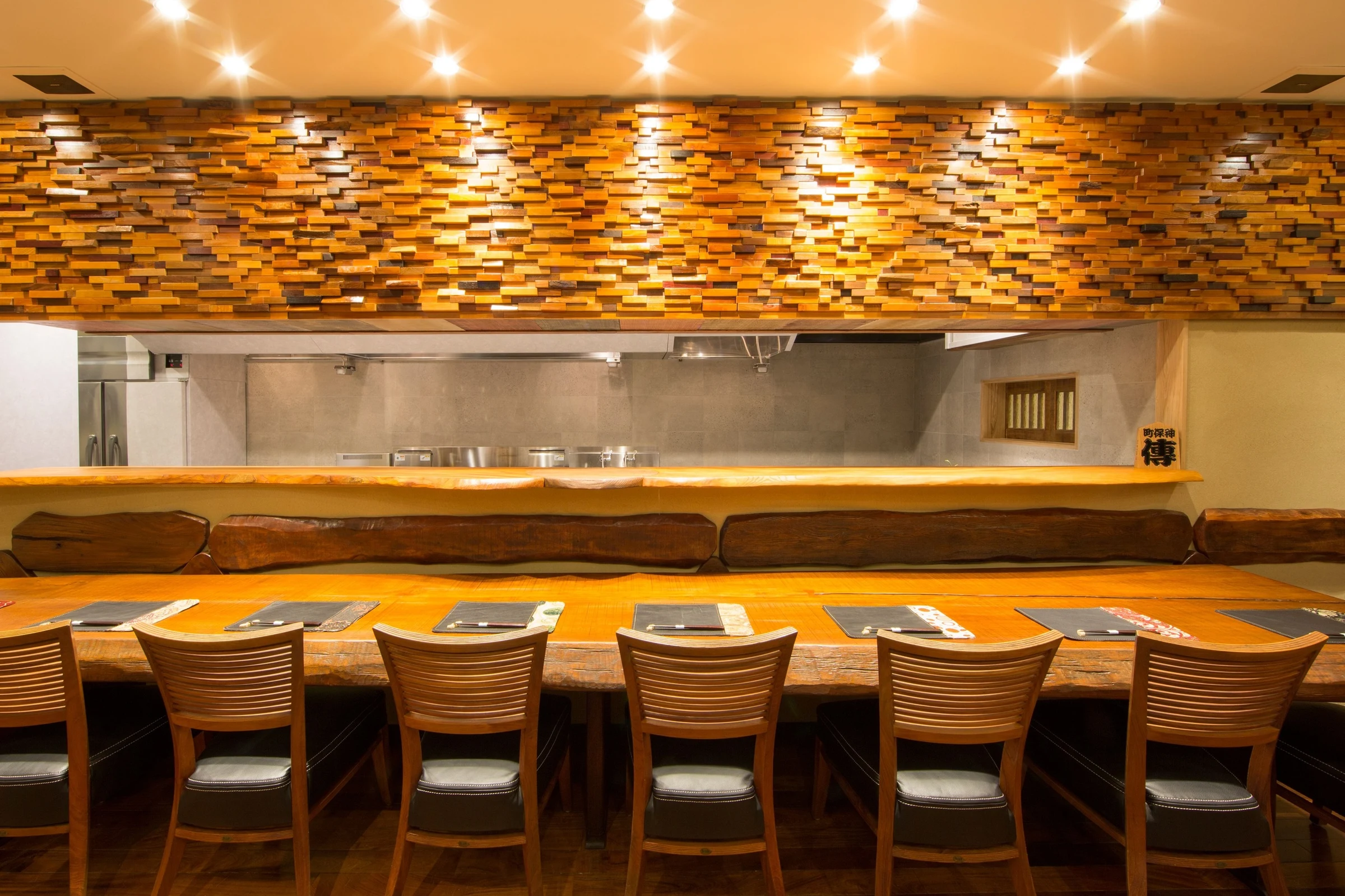
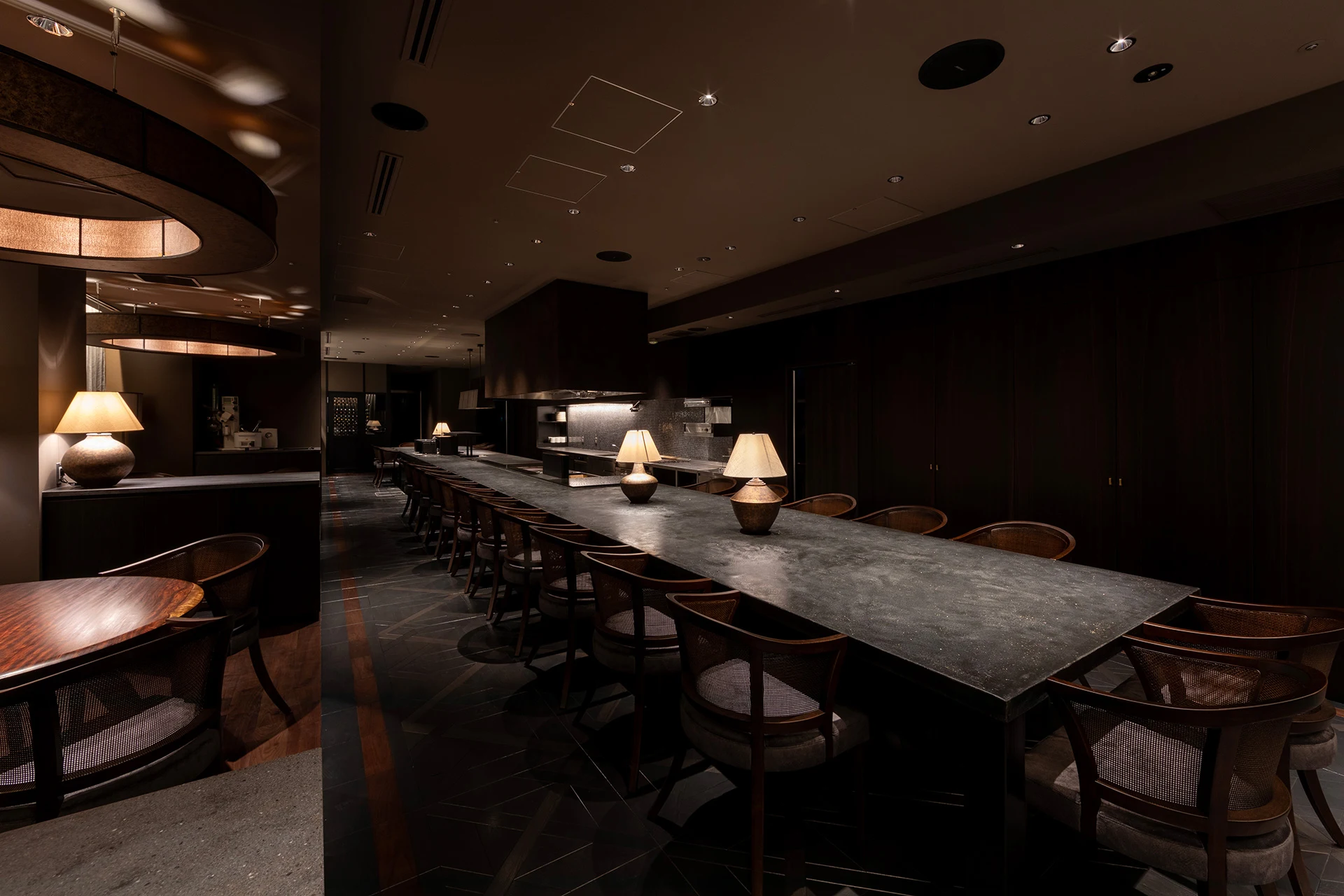
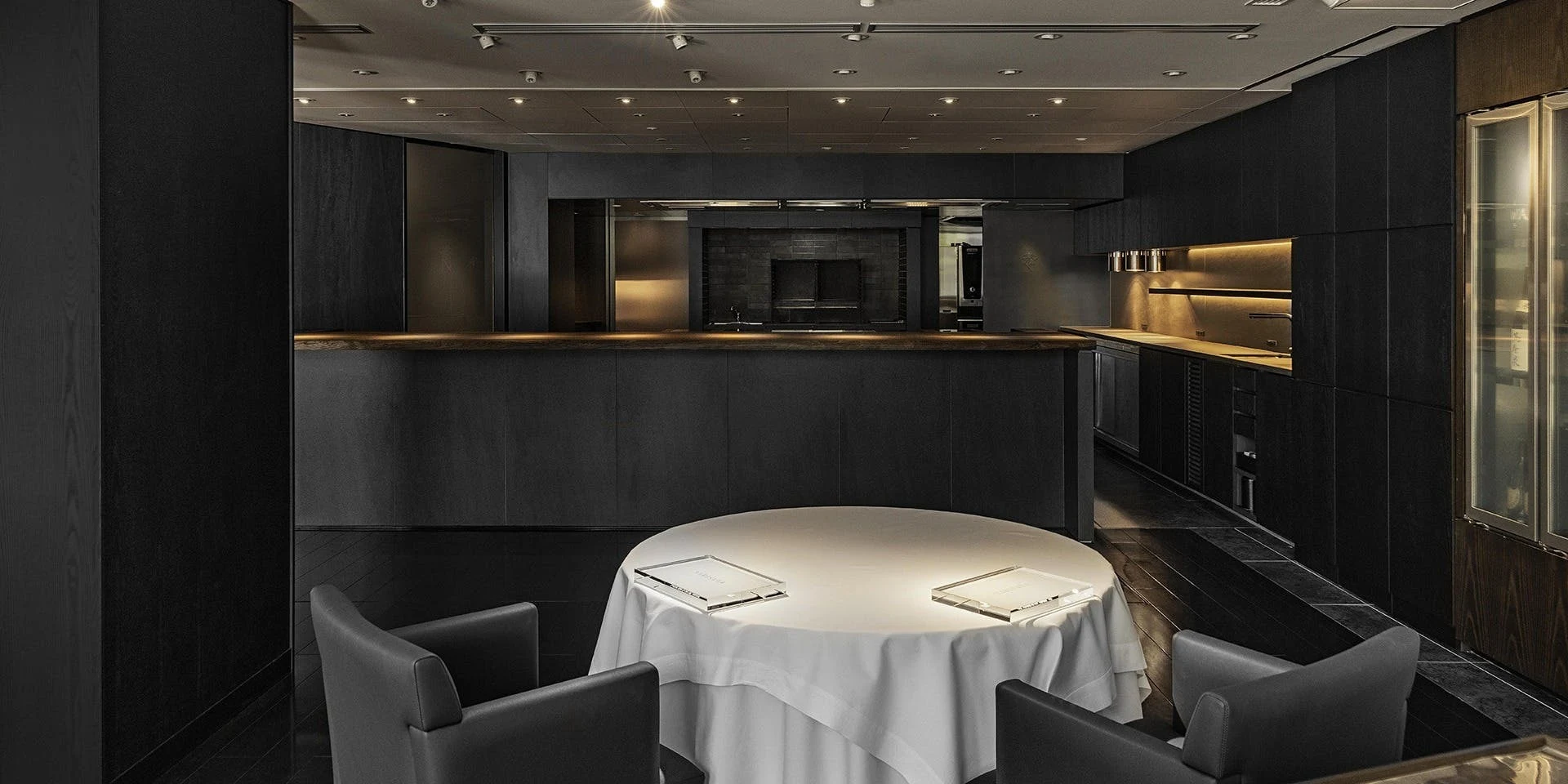
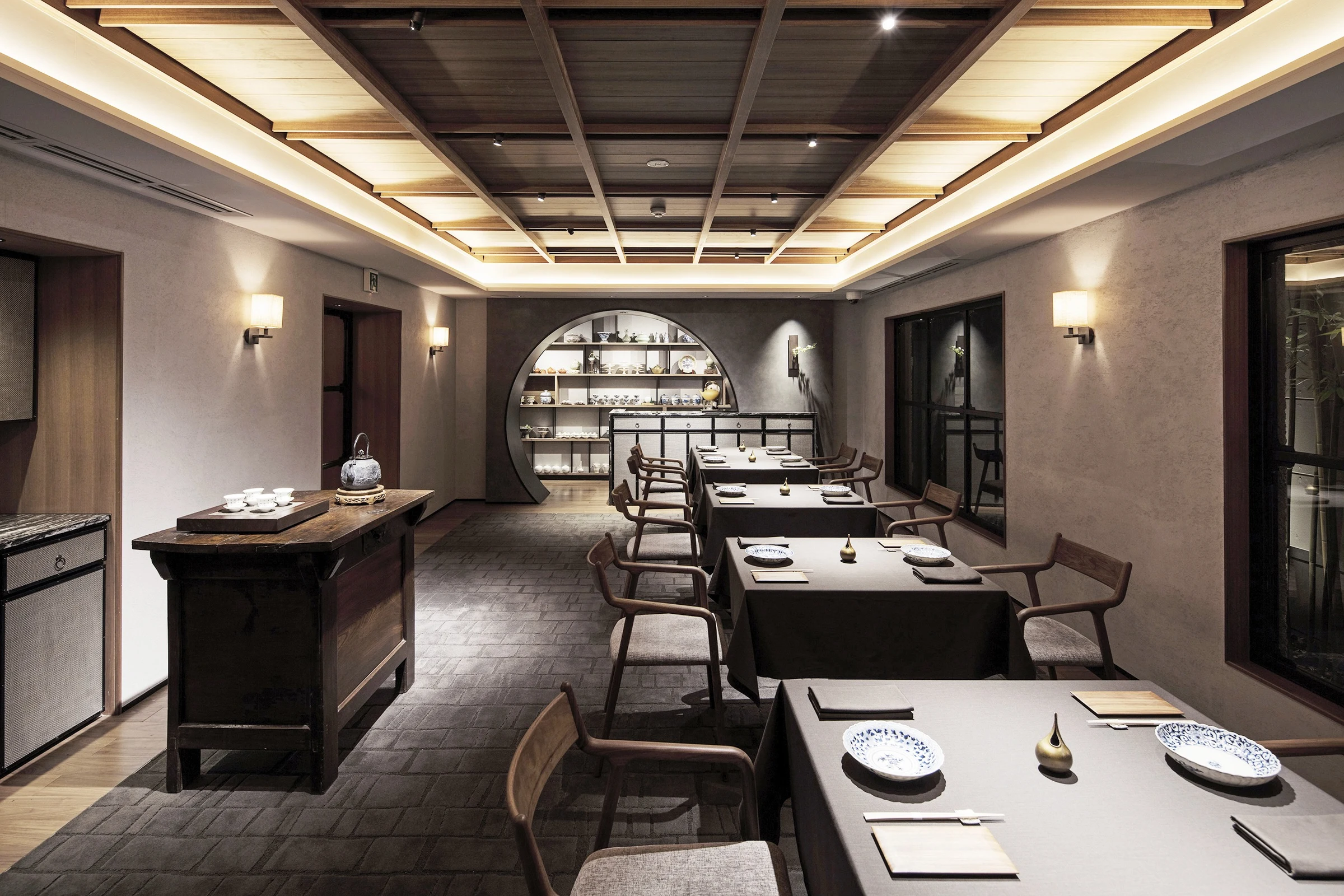
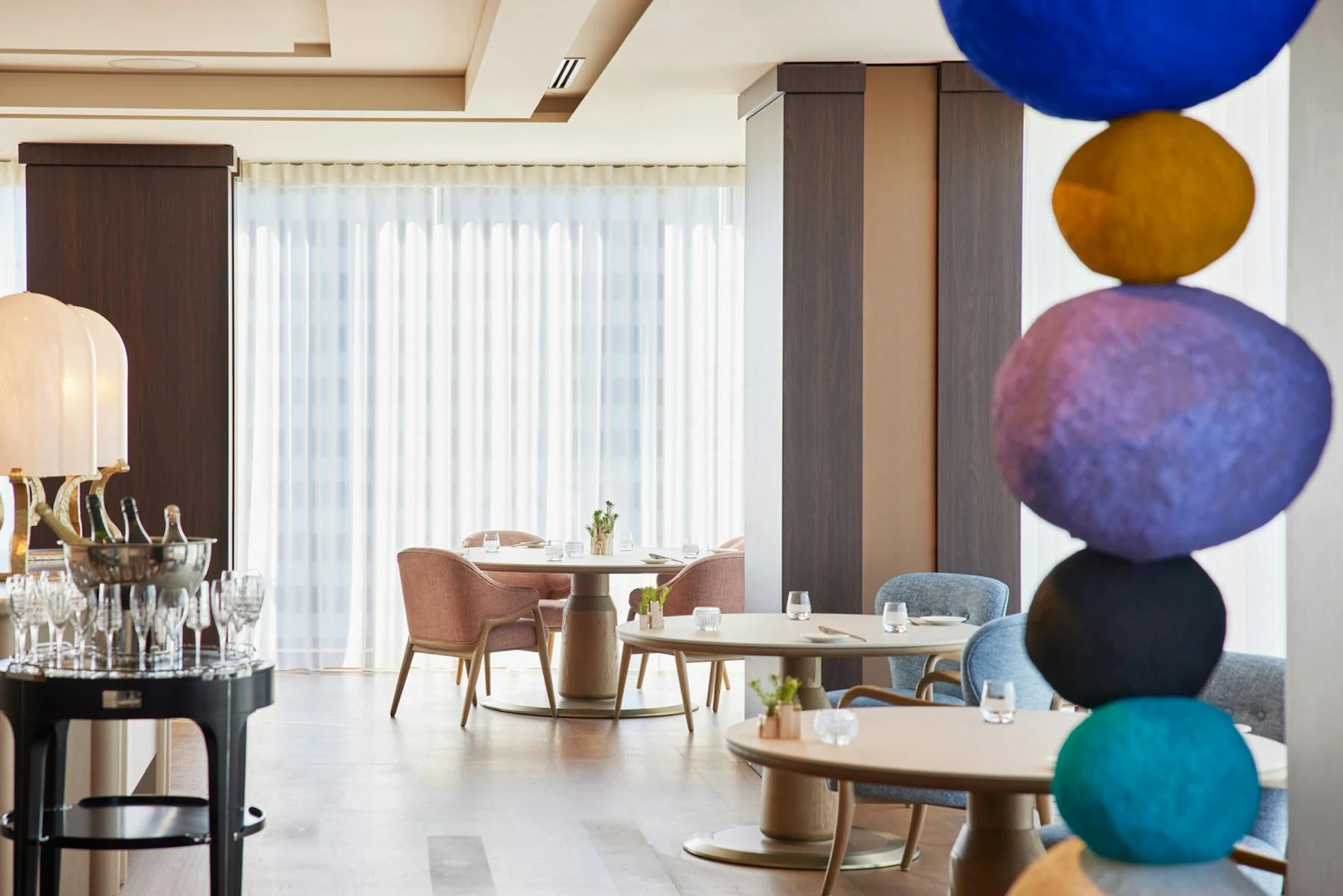
    The room is divided with intent. On the ground floor, a Western-influenced main dining hall uses pistachio green and deep burgundy upholstery, softened light, and an open kitchen seen from a chef’s counter that draws from Chinese and Japanese references. The counter gives the most direct view of the pass: plates moving out in sequence, sauces landing with restraint, fish treated as the center of the argument.

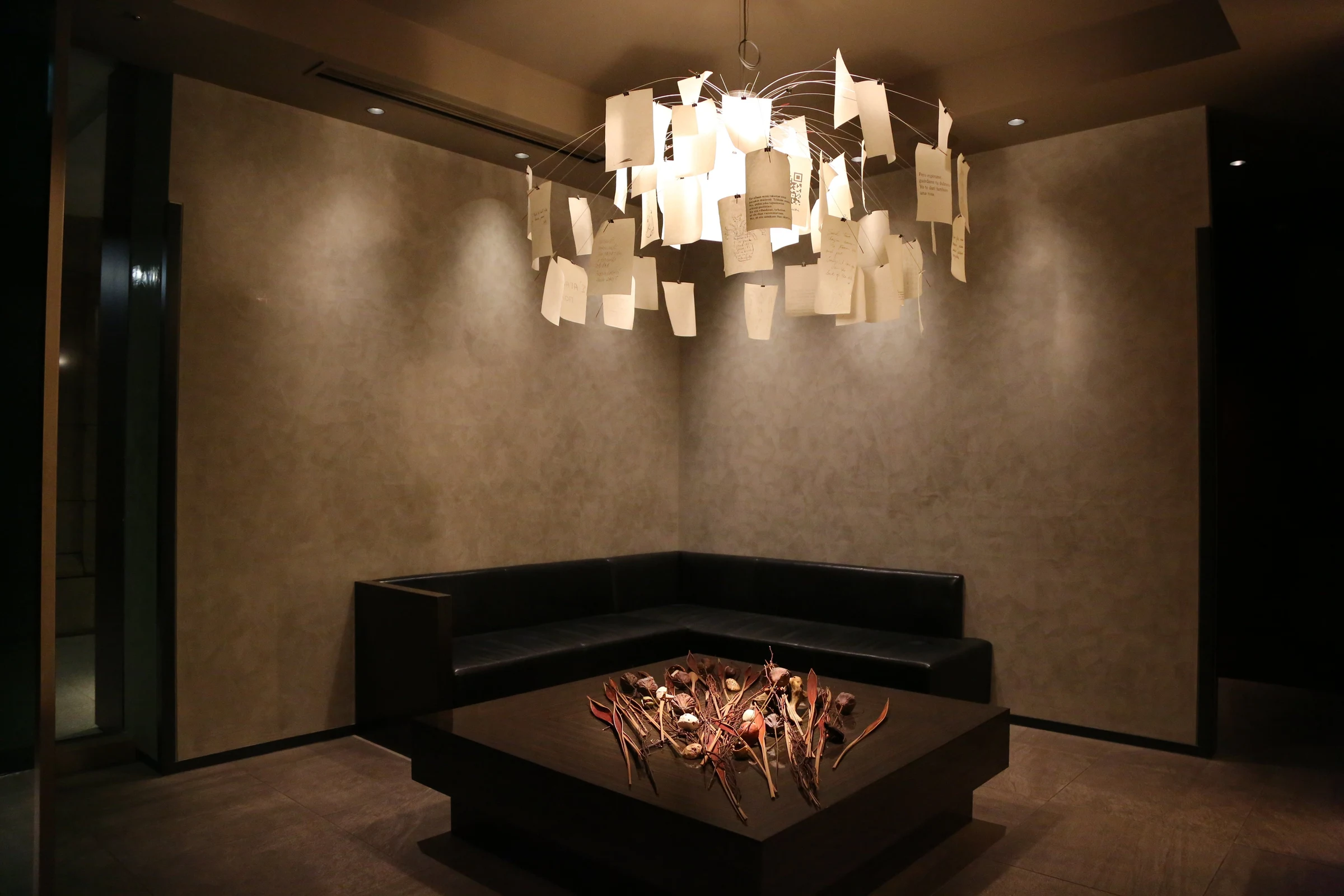
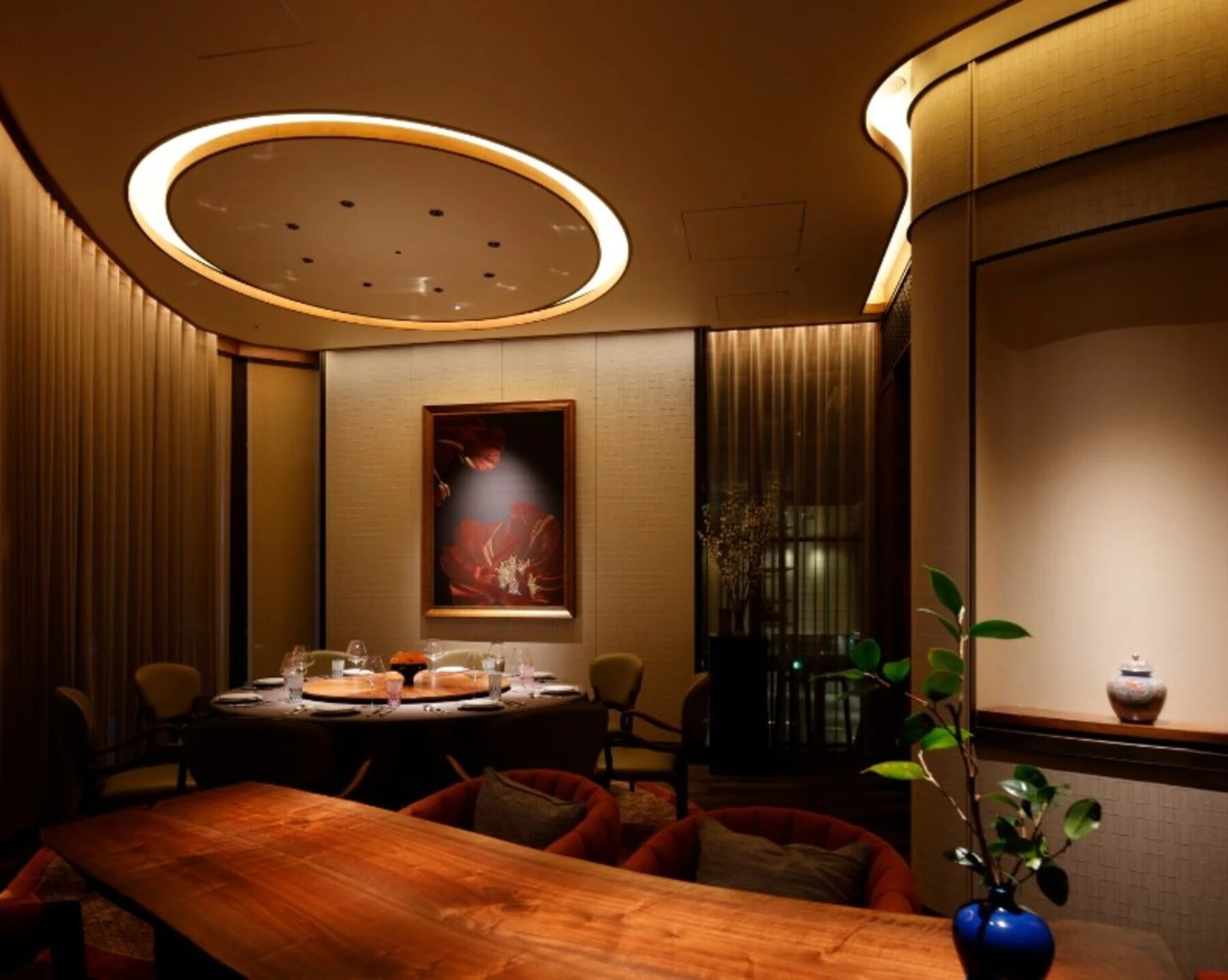
    Upstairs, private dining suites and a cigar lounge shift the register lower and warmer. Porcelain art, woven silk wall coverings, wood paneling, and a layered timber lattice ceiling give the house a composed surface while the kitchen keeps its attention on the plate. The Tokyo address sits in Akasaka, but the craft signal remains Taizhou: natural umami, yellow croaker, bean curd, and the founder’s insistence on endurance. If the next chapter is not yet named, the present work is concrete enough: Zhang Yong’s Tokyo kitchen still turns on Sour Garlic Braised Bean Curd.

    Questions

    Frequently asked

    Who is behind Xin Rong Ji, Tokyo?

    Zhang Yong, the founder of Xin Rong Ji, leads the Tokyo restaurant and brings the group’s Taizhou discipline to Akasaka. His approach here is described as continuity rather than reinvention, with restraint and steady repetition at its core.

    What kind of cooking does the Tokyo branch serve?

    The kitchen begins from Taizhou cuisine and a preference for natural flavor, with seasoning kept close to the ingredient. It uses selected Japanese ingredients and seafood associated with the East China Sea while keeping the house’s Chinese grammar intact.

    What is Xin Rong Ji, Tokyo known for on the menu?

    Named dishes include Jia Hua Dong Hai Wild Yellow Fish, made from rare yellow croaker, and Sour Garlic Braised Bean Curd. The Tokyo branch also offers an omakase course that presents those signatures alongside the wider Chinese repertoire.

    What recognition has the group received?

    Zhang Yong received the SevenRooms Icon Award in 2026. The text frames that as a formal marker on a career that he describes as being built on passion, perseverance, and keeping the restaurants going.

    What is the dining room like?

    The restaurant is inside Akasaka Biz Tower and is arranged across two levels. The ground floor has a main dining hall and chef’s counter, while upstairs holds private dining suites and a cigar lounge.

    The field

    How it compares

    PlaceCuisineAwardsNotes
    Xin Rong Ji, TokyoChinese··
    DenModern Japanese KaisekiMichelin 2 Stars, World's 50 BestTokyo
    FlorilègeModern French-Japanese Plant-Based Fine DiningMichelin 2 Stars, World's 50 BestTokyo
    NarisawaModern Japanese Satoyama Fine DiningMichelin 2 Stars, World's 50 BestTokyo
    QuintessenceModern French Fine DiningMichelin 3 StarsTokyo
    SazenkaModern Chinese Fine DiningMichelin 3 Stars, World's 50 BestTokyo
    SézanneFrenchMichelin 3 Stars, World's 50 BestTokyo

    In residence

    Similar places

    More in Tokyo← Browse all places