- The Best Chef One Knife · 2025
Where the Research Meets the Fire
Halachó sits in the western corridor of Yucatán, roughly an hour from Mérida on the road toward Campeche, a stretch of the Peninsula that most itineraries skip in favour of colonial-centre restaurants or coastal resort properties. The town is agricultural in pace and character, and Ya'axché occupies that atmosphere honestly. This is not a project dressed up for tourism, it is an ethno-gastronomic complex that has grown from academic fieldwork, and the physical setting on Calle 18 in the La Soledad neighbourhood reflects that grounding. Arriving here, you are entering a working research environment as much as a dining space.
Mexico's most-discussed restaurants currently cluster in a few well-mapped nodes: Mexico City's avant-garde tier (see Pujol in Mexico City), Oaxaca's heritage-cooking revival (represented at places like Levadura de Olla Restaurante in Oaxaca), the Yucatán Peninsula's coastal circuit from Le Chique in Puerto Morelos to Arca in Tulum and HA' in Playa del Carmen, and the northern Mexico scene anchored by Monterrey projects like KOLI Cocina de Origen and Pangea. Ya'axché operates outside every one of those orbits. Its comparable set is not defined by tasting-menu format or international press attention; it is defined by a commitment to ethnographic rigour applied to Peninsular Maya cuisine, a far smaller cohort, but one that does some of the most consequential preservation work in Mexican gastronomy.
The Research Tradition Behind the Recipes
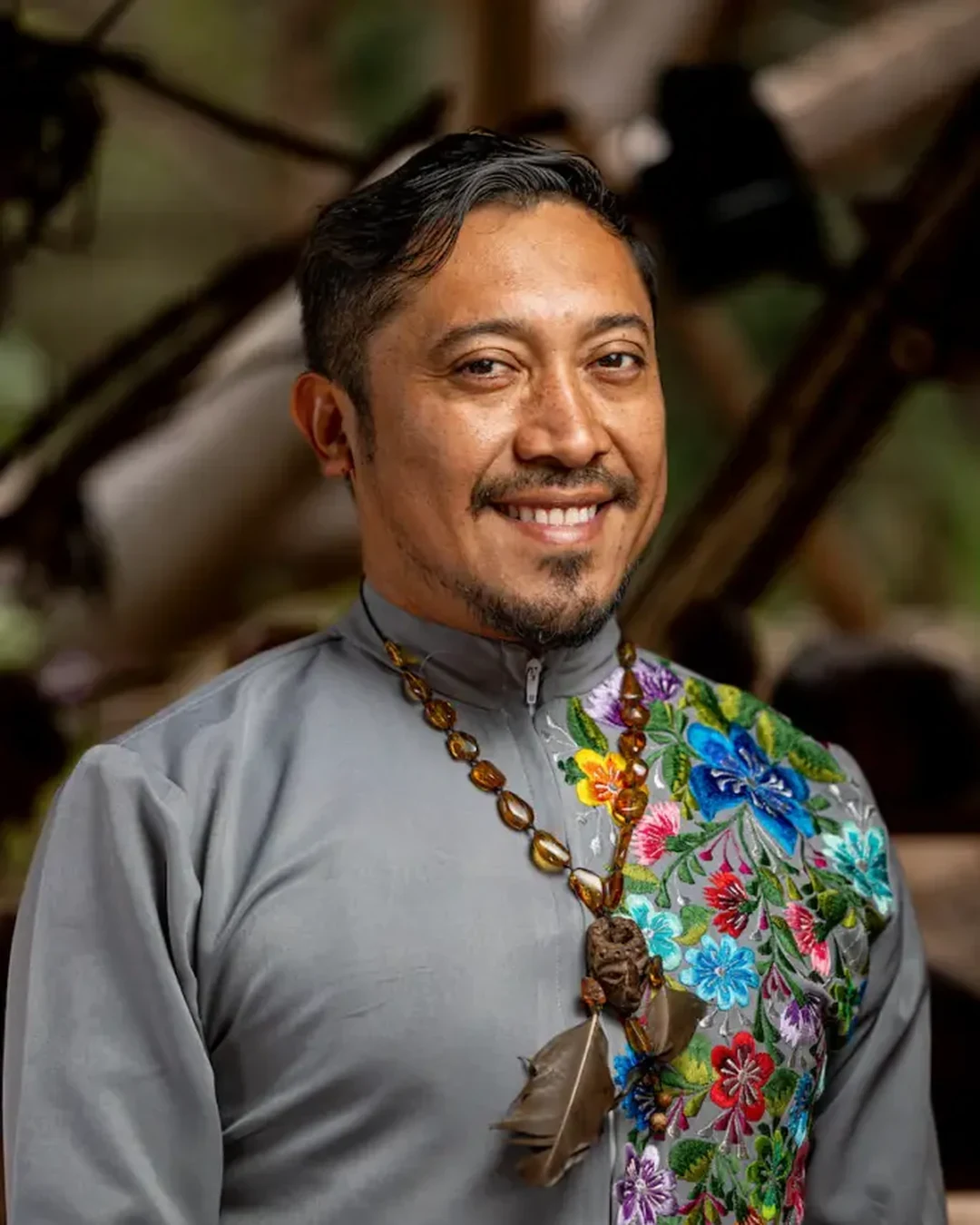
Yucatecan cuisine carries a documentation problem that is common across Mexico's regional food cultures: a large portion of its knowledge base exists in the hands of home cooks rather than in written records, transmitted through practice rather than recipe, vulnerable to generational attrition. The culinary research happening at Ya'axché addresses that gap directly. Chef Wilson Alonzo has built his practice around ethnographic methods, field interviews, community engagement, and collaboration with UADY's anthropology faculty, to locate, interpret, and reconstruct recipes of Maya origin before that oral record further contracts.
This approach places Ya'axché in a tradition that connects it to similar projects in other Mexican states: the herb-and-market knowledge that underpins Levadura de Olla in Oaxaca, or the terroir-driven sourcing philosophy at Valle de Guadalupe operations like Animalón and Baja properties such as Olivea Farm to Table in Ensenada. The common thread is a deep regional specificity that resists standardisation. At Ya'axché, that specificity is Peninsular Maya: the ingredients, the fire techniques, the seasoning logic that predates colonial-era recombination.
Alonzo teaches the Yucatecan regional cooking workshop at the Technological University of the West in Maxcanú, which gives his culinary work an institutional grounding unusual in this category. His academic journeys have taken the Yucatán argument to Paris, London, Madrid, and Barcelona, a circuit that signals both the appetite for this material internationally and the degree to which Alonzo functions as an ambassador rather than simply a chef. That dual role as practitioner and advocate is consistent with a broader shift in how Mexican regional cuisine is being exported: less through fine-dining franchises, more through the credibility of specific, place-rooted researchers.
What the Format Actually Delivers
Ya'axché is positioned as an ethno-gastronomic complex, a designation that carries more information than a standard restaurant category. It signals that the food is part of a larger educational and research operation, not a standalone dining service. Visitors engaging with this model should expect an experience shaped by workshop logic and scholarly intent rather than the service choreography of a high-end tasting-menu room like Huniik in Mérida.
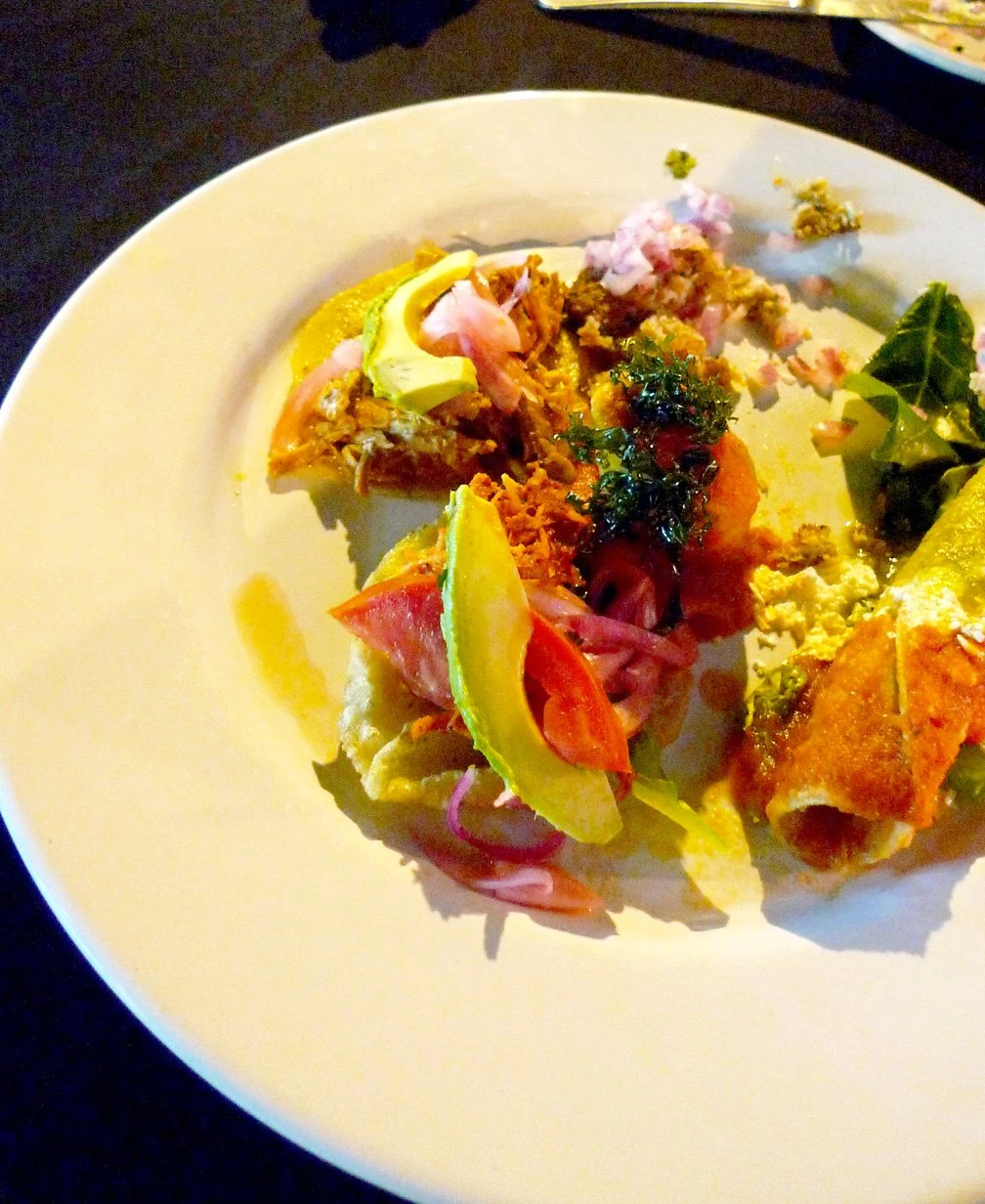
The specific dishes, seating format, and menu structure are not documented in publicly available records at this time, which is consistent with a project still in active development. What is known is that the culinary output draws on ethnographically sourced recipes of Maya origin, the kind of material that does not appear at the contemporary-Mexican operations of the Yucatán coast or the internationally trained kitchens of Mexico City. Visitors looking for the technical register of Le Chique or the international fine-dining calibration of Atomix in New York City or Le Bernardin in New York City will find neither here. This is a different mode of encounter with food: rooted, research-led, and deliberately positioned in the municipality that its founder is trying to document and champion.
Planning a Visit to Halachó
Because phone and website details for Ya'axché are not currently listed in public directories, direct outreach through local contacts or prior research is the practical route for anyone planning to visit. Halachó itself warrants consideration as a base for exploring western Yucatán: the municipality sits between Mérida and the Campeche border, with the Puuc region accessible to the south. For accommodation and broader orientation, our full Halachó hotels guide covers the local options, while our full Halachó restaurants guide maps the wider dining picture in the municipality.
Those building an itinerary around Yucatecan food research would do well to combine a visit here with the Mérida dining scene, which offers a more accessible on-ramp to Peninsular cuisine before the deeper archival register of Ya'axché. Halachó's bar scene, local producers, and cultural experiences round out the area's offer for visitors willing to spend time in this part of the state rather than passing through en route to the coast. Lunario in El Porvenir (see our guide) represents a useful comparison case from Baja California, another operation that has built its identity around place-specific agricultural research rather than resort-circuit fine dining.
Questions
Frequently asked
Who works at Ya’axché?
Made By profiles Wilson Alonzo (Chef) at Ya’axché.
How expensive is Ya’axché?
Ya’axché is listed at a price level of $$$$.
Where is Ya’axché and what does it serve?
Ya’axché is in Halachó, Halachó, serving Traditional Yucatecan Maya.
The field
How it compares
| Place | Cuisine | Notes | Awards |
|---|---|---|---|
| Ya’axché | Traditional Yucatecan Maya | Halachó, $$$$ | · |
| Casa Marcial | Modern Asturian Fine Dining | Arriondas | Michelin 3 Stars |
| Coque | Modern Spanish Fine Dining | Madrid | Michelin 2 Stars |
| Les Amis | Classic French Haute Cuisine | Singapore | Michelin 3 Stars, World's 50 Best |
| Mugaritz | Avant-Garde Basque Fine Dining | Errenteria | Michelin 2 Stars, World's 50 Best |
| Osteria Francescana | Avant-Garde Italian Contemporary | Modena | Michelin 3 Stars, World's 50 Best |
| Smyth | Modern American Tasting Menu | Chicago | Michelin 3 Stars, World's 50 Best |
In residence
Similar places
Modern Asturian Fine Dining
Casa Marcial
Arriondas, Spain
★★★
Modern Spanish Fine Dining
Coque
Madrid, Spain
★★
Classic French Haute Cuisine
Les Amis
Singapore, Singapore
★★★ · 50 Best
Avant-Garde Basque Fine Dining
Mugaritz
Errenteria, Spain
★★ · 50 Best
Avant-Garde Italian Contemporary
Osteria Francescana
Modena, Italy
★★★ · 50 Best
Modern American Tasting Menu
Smyth
Chicago, United States
★★★ · 50 Best