Skip to Content
    Made ByRestaurant

    Yakiniku Sudo Kumamoto
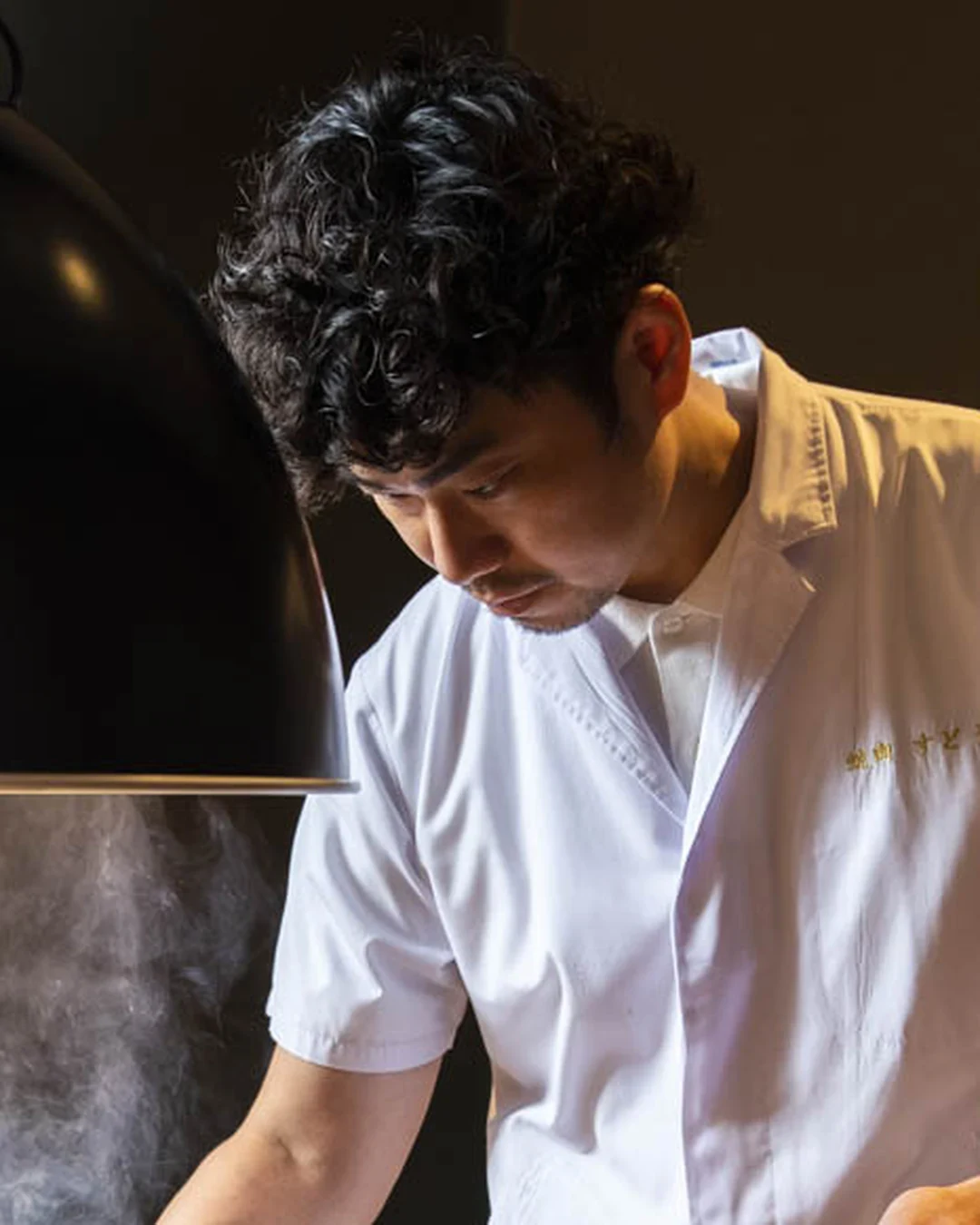
    Sudo Haruyoshi

    In Residence

    Sudo Haruyoshi

    Chef

    1. 01CuisineYakiniku
    2. 02CityFukuoka, Japan
    Yakiniku Sudo Kumamoto (restaurant)

    Sudo Haruyoshi cooks as chef at Yakiniku Sudo Kumamoto, Fukuoka, reading Kuroge wagyu through fire, cut, and timing.

    • Opinionated About Dining Top Restaurants in Japan Recommended · 2026

    Fire read from the table

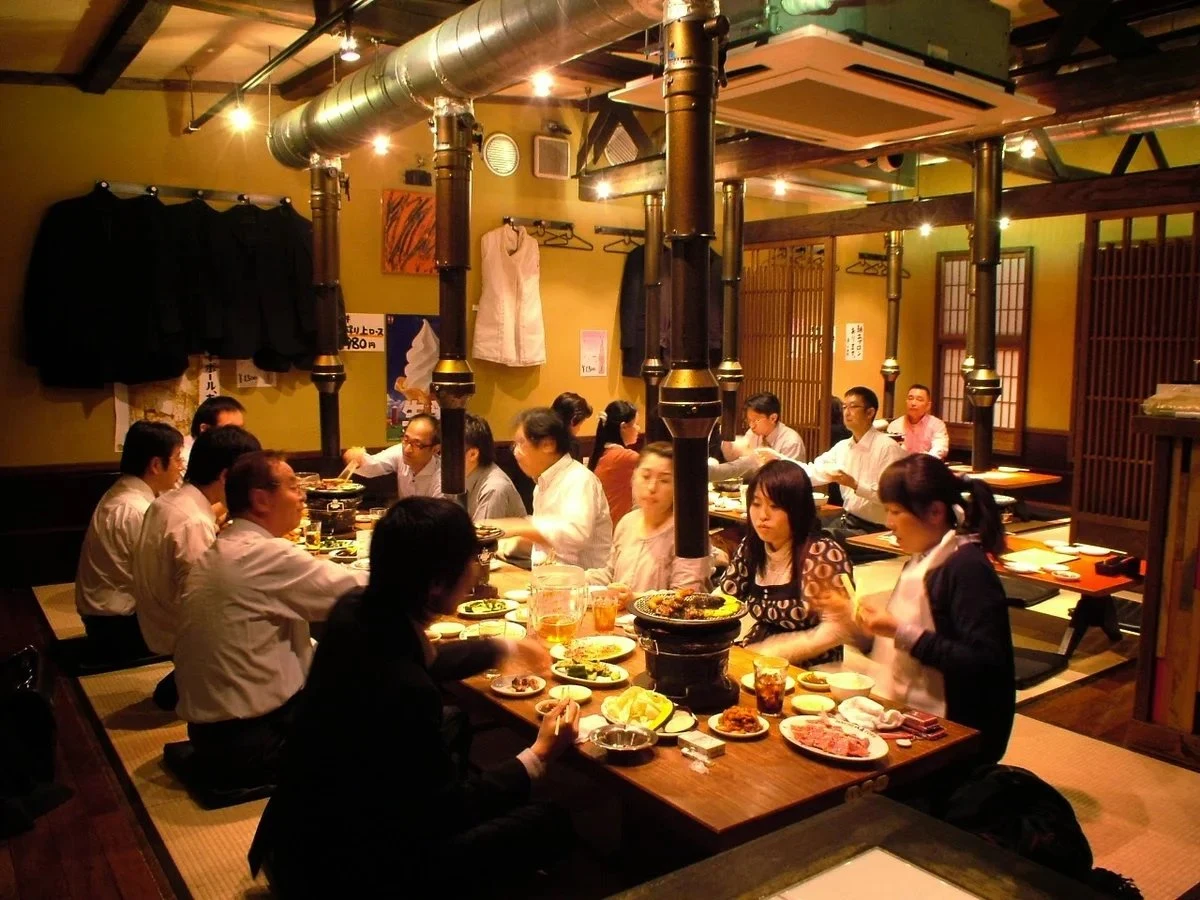
    The grill work begins close to the guest, with Sudo Haruyoshi as chef at Yakiniku Sudo Kumamoto, Fukuoka, reading each cut before it meets the charcoal. His discipline is yakiniku as preparation, not spectacle: divide the beef well, choose the heat that suits it, and let char, smoke, and surface sear carry the flavor. The restaurant is addressed in Kumamoto City, on the 3F of the Toraya Building in Kamitoricho, and works with carefully selected Japanese black beef, Kuroge wagyu, and Kumamoto Akaushi beef. Sudo’s own name is tied to Fukuoka through Yakiniku Sudo Haruyoshi, where the same language of fire, cut selection, and timing defines the kitchen. Here, the method stays legible at the table. Staff tend the shichirin, adjust the pace, and cook the meat in front of the room rather than leaving the guest to guess at the moment between red center and spent edge. What it does state, through the meal, is a working belief: yakiniku holds when the hands respect the cut.

    Kuroge wagyu over domestic charcoal

    The program is built around beef handled in several registers. Yakiniku remains the spine, but the table can move through steak, shabu-shabu, selected seasonal vegetables, and preparations that bring dashi broth, spiced curry, cold noodles, and grilled vegetables into the same rhythm. The full-attendance service matters because the cooking is not neutral. A thin slice of sirloin for shabu-shabu asks for a different gesture than a thicker piece bound for the grate; Kumamoto Akaushi carries a different reading from Kuroge wagyu. The grill master works at the table with a shichirin and domestic charcoal, turning attention into sequence: place, wait, turn, rest, serve. The restaurant’s courses include omakase and Tobikiri, both built around selected meats rather than abundance for its own sake. Local ingredients widen the frame without loosening it. Kumamoto’s Amakusa Daio chicken and horse sashimi sit beside the beef program, while homemade pudding, made with fresh eggs and rich milk, closes the meal in a quieter register. Sudo’s signature Chateaubriand sando belongs to the same method, premium beef assembled without fuss so texture and richness stay in front.

    Oguni cedar and a steady pass

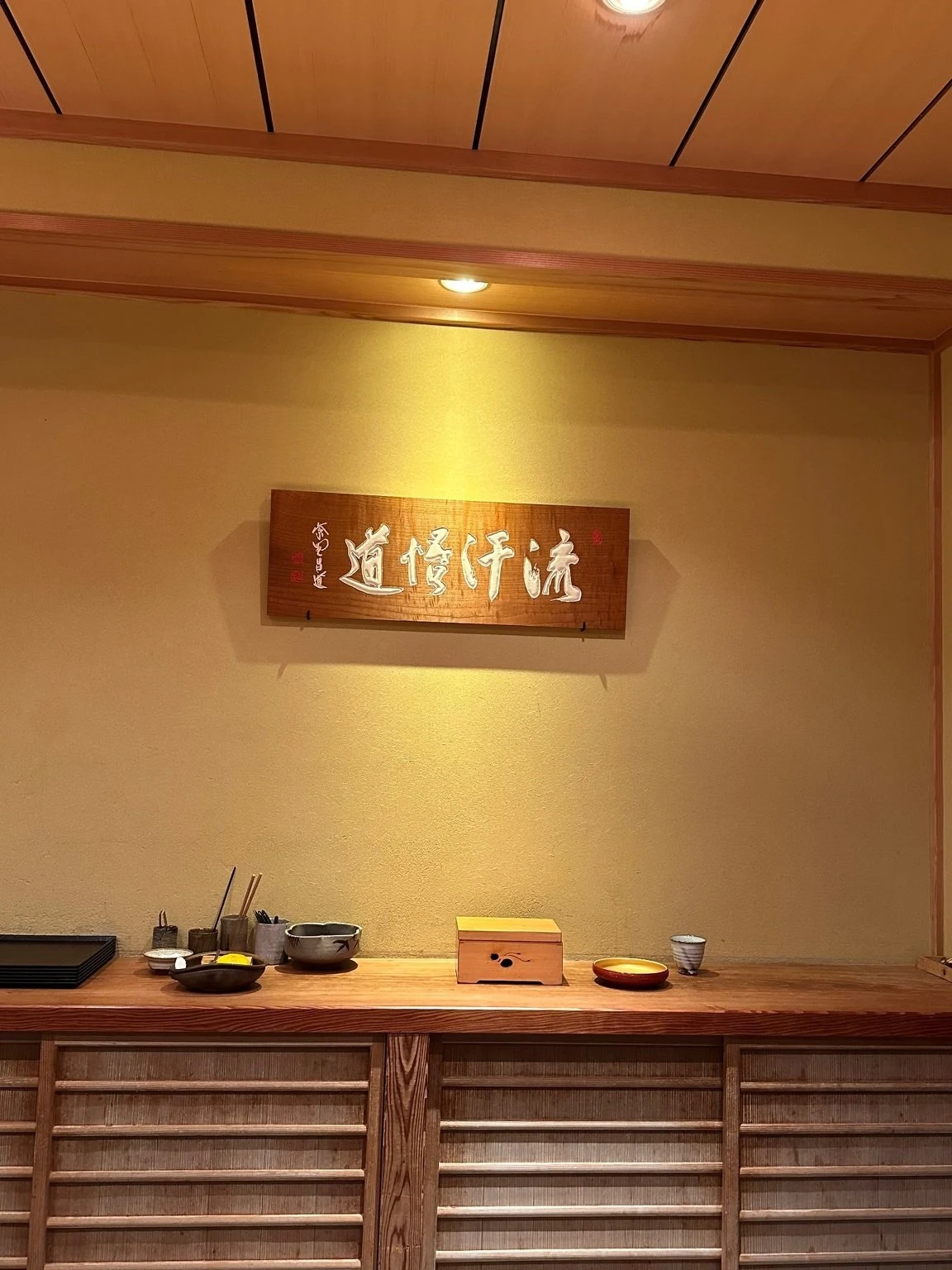
    The room keeps the cooking close but not crowded. Local Oguni cedar warms the dining room, and the tables carry enough space for the shichirin, plates of cut meat, vegetables, sauces, and the small pauses that table-side grilling needs. Roll-screen partitions give the room privacy without sealing it off from the sound of the pass. From parts of the restaurant, Kumamoto Castle comes into view, but the eye returns to the grill because that is where the timing happens. Staff explain the best way to eat each piece, then return to the work of heat and surface. The counterpoint is important: yakiniku can become excess quickly, especially when the cuts are rich. Here the room asks for sequence, and the bench-side discipline keeps the meal from drifting.

    Recognition held in the cooking

    The restaurant has been selected for Tabelog’s Yakiniku WEST Hyakumeiten from 2020 through 2025, a recognition tied to this address and this kind of consistency. Awards do not change the station; they put a frame around work already being done in public, piece by piece, over charcoal. If the next measure of the house is to stay exact while the room remains relaxed, it will be found in the same place as the method itself: the Chateaubriand sando.

    Questions

    Frequently asked

    Who cooks at Yakiniku Sudo Kumamoto?

    Sudo Haruyoshi is the chef, and the cooking is shaped by his way of reading each cut before it meets the charcoal.

    What is the restaurant known for?

    It is a yakiniku restaurant built around carefully selected Japanese black beef, or Kuroge wagyu, and Kumamoto Akaushi beef, with the meat cooked at the table over a shichirin and domestic charcoal.

    How is the meal served?

    Staff tend the grill and cook the meat in front of the room, while also explaining the best way to eat each piece. The courses include omakase and Tobikiri, and the table can also move through steak, shabu-shabu, selected seasonal vegetables, dashi broth, spiced curry, cold noodles, and grilled vegetables.

    What recognition has Yakiniku Sudo Kumamoto received?

    The restaurant has been selected for Tabelog’s Yakiniku WEST Hyakumeiten from 2020 through 2025.

    Where is it located?

    Yakiniku Sudo Kumamoto is in Kumamoto City, on the 3F of the Toraya Building in Kamitoricho.

    The field

    How it compares

    PlaceCuisineNotesAwards
    Yakiniku Sudo KumamotoYakiniku··
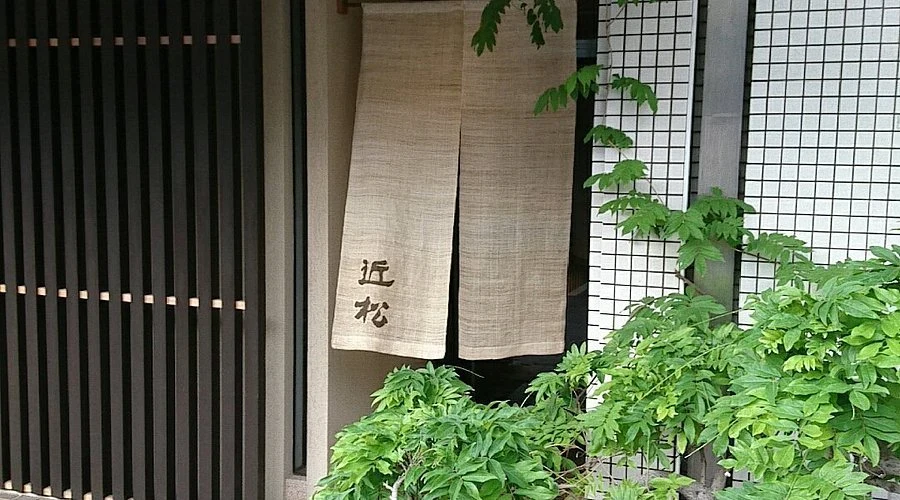
    ChikamatsuEdomae Sushi OmakaseFukuoka·
    GohFrench-Japanese OmakaseFukuokaWorld's 50 Best
    Sushi Gyoten3-Star Michelin Edomae OmakaseFukuoka·
    Sushi KarashimaKyushu-Style Edomae OmakaseFukuoka·
    Sushi SakaiEdomae-style Omakase SushiFukuoka·
    Tenzushi KyomachiModern Kyushu-style Omakase SushiFukuoka·

    In residence

    Similar places

    More in Fukuoka← Browse all places