Made ByRestaurant
Yakitori Ichimatsu
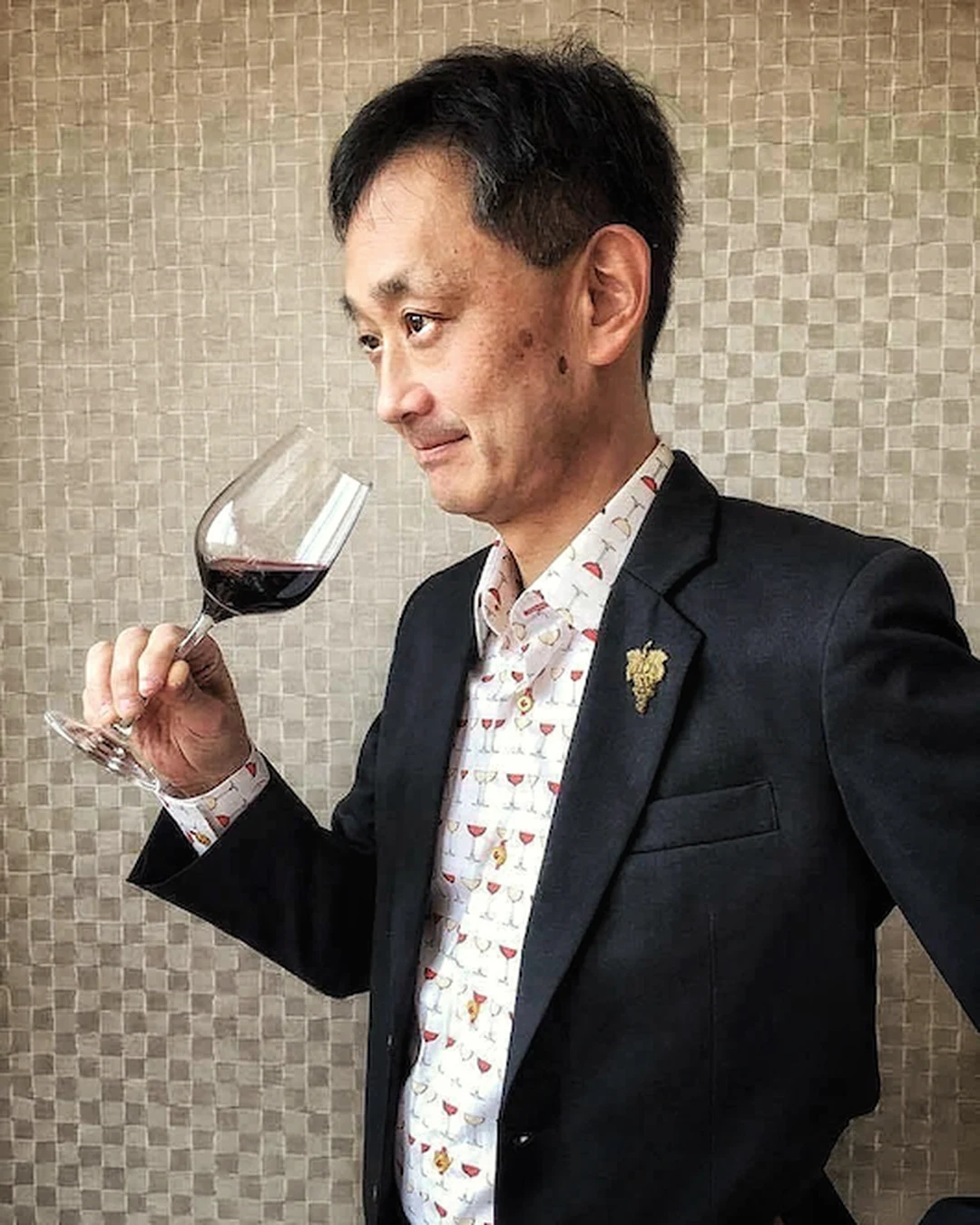
Chef in Residence
Hideto Takeda
Chef
- 01CuisineMichelin-starred Yakitori Chicken Kaiseki
- 02CityOsaka, Japan
- 03RecognitionOne Michelin Star
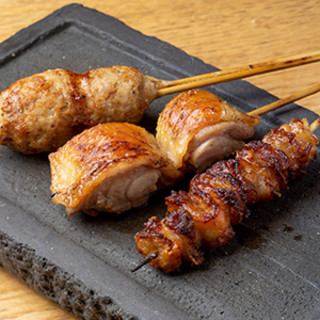
Yakitori Ichimatsu belongs to Osaka’s serious counter-yakitori tier, where charcoal control, pacing, and reservation planning matter as much as the chicken itself. Recognition from The Tabelog Award and repeated Tabelog Yakitori WEST 100 selections place it in a competitive Kansai set, with a compact room that rewards diners who plan rather than drift in.
- 1 Michelin Star
At a glance
- Cuisine
- Michelin-starred Yakitori Chicken Kaiseki
- Price
- $$$$
- Per person
- $130
- Neighborhood
- Kitashinchi
<p>After office hours, Kitashinchi changes: suit traffic thins, elevator banks fill, and small dining rooms feel less like restaurants than appointments. Here, yakitori is not casual bar food but a timed counter format built on fire, sequence, and restraint, with diners watching heat management rather than simply receiving skewers. Yakitori Ichimatsu belongs to this deliberate Osaka tradition, closer to a compact tasting-menu room than a late-night drinking stop.</p><p>The experience is not variety for its own sake. Serious yakitori in Japan relies on repetition handled precisely: different cuts, fat levels, and exposure to heat, paced so the meal moves without becoming a checklist. Osaka’s version has a directness. Compared with Kyoto’s ritual calm or Tokyo’s polished counter culture, Kitashinchi dining can read as transactional at first, but its stronger rooms reward timing and restraint over spectacle.</p><h2>Charcoal, chicken, and the Osaka counter discipline</h2><p>Yakitori’s modern premium tier has moved beyond skewers as drinking food toward a format borrowing from kappo and kaiseki: controlled progression, close-range cooking, and a tighter counter-grill relationship. That is why a compact yakitori room can sit beside sushi, tempura, and kappo in Japan’s reservation culture. The value lies in heat management and sourcing discipline, not decorative plating.</p><p>Yakitori Ichimatsu’s recognition clarifies the context. It has been named a Tabelog Award Bronze winner across multiple years, including 2026, and selected for Tabelog Yakitori WEST 100 in successive editions. Opinionated About Dining also lists it in the 2026 OAD Top Restaurants in Japan Recommended selection. In Kansai’s crowded yakitori category, repeated recognition usually signals consistency rather than one burst of attention.</p><p>The room’s scale shapes the meal. A small counter-led format reduces the distance between technique and service, leaving few ways to hide weak pacing. In yakitori, that intimacy is unforgiving: a missed resting interval, rushed sequence, or heavy seasoning registers quickly when the meal is built around single pieces rather than large composed plates.</p><p>That makes booking part of the assessment before anyone sits down. Counter yakitori like this is capacity-constrained by design. It cannot expand like an izakaya or absorb spontaneous demand like a larger hotel dining room. The planning burden belongs to the category: commit early, understand the format, and treat the evening as a fixed meal, not an open-ended stop between bars.</p><h2>Kitashinchi rewards planning more than improvisation</h2><p>Kitashinchi shows how Osaka dining geography shapes behavior. The district is dense, vertical, and appointment-driven, with restaurants often on upper floors, side streets, and in compact rooms that do not announce themselves to casual foot traffic. Its stronger restaurants are not built for wandering tourists choosing by window display. They function on intent.</p><p>That matters when building an Osaka itinerary. A counter yakitori evening in Kitashinchi is a different decision from a pork bun run at <a href="https://www.enprimeurclub.com/restaurants/551-horai-551-osaka-restaurant">551 Horai (551蓬莱)</a>, a bakery stop at <a href="https://www.enprimeurclub.com/restaurants/52cho-me-bakery-27059169">52CHO-ME BAKERY</a>, or a daytime coffee pause at <a href="https://www.enprimeurclub.com/restaurants/cafe-27116441">.cafe</a>. Osaka is strong because those registers coexist: station food, specialist counters, Italian-leaning rooms such as <a href="https://www.enprimeurclub.com/restaurants/a-canto-osaka-restaurant">a canto (Italian)</a>, and outliers like <a href="https://www.enprimeurclub.com/restaurants/99-pizza-napoletana-gourmet-27115009">99 Pizza Napoletana Gourmet</a> all belong to the same city, but require different planning habits.</p><p>Within Kitashinchi, the comparison set helps. Dojima Samboa operates in a drinking register, Kitashinchi Fuka sits in a similar premium dinner band, and Kitashinchi Yamagata Ya moves at a higher listed spend. Synergy shows inexpensive specialist dining can exist nearby without competing for the same evening. Yakitori Ichimatsu belongs to the tight-capacity specialist tier, where the decision is not just where to eat, but how much structure the diner wants around the night.</p><p>For travelers, that structure can help. Osaka encourages over-scheduling because it is easy to move through and packed with tempting second stops. A focused yakitori counter argues for fewer commitments, a clean arrival, and no expectation that the meal will bend around a loose evening. The stronger play is to let Kitashinchi anchor the night, then place drinking or hotel plans around it using our full Osaka bars guide and our full Osaka hotels guide.</p><h2>How it fits into a wider Japan dining itinerary</h2><p>Premium yakitori is often misunderstood by visitors who know the category through lively izakaya counters. The higher tier is quieter, more technical, and less forgiving of distraction. It also travels poorly as a checklist item. Diners wanting volume, noise, and a broad menu may be happier elsewhere; diners interested in how a Japanese meal can be built from fire, sequence, and small decisions will understand the appeal faster.</p><p>Osaka’s dining identity is often reduced to street food and comfort dishes, but that misses its serious specialist culture. The better itinerary pairs both sides: casual daytime eating, then a disciplined evening counter. For broader planning, our full Osaka restaurants guide gives city context, while our full Osaka experiences guide and our full Osaka wineries guide help separate dinner from the rest of the trip instead of forcing every night to serve the same purpose.</p><p>Japan’s specialist restaurant culture is regional, not just metropolitan. A traveler comparing categories across cities might place this Osaka yakitori alongside unrelated but equally focused stops such as [ki:] in Kyoto,. 鮪と炭火焼き うお炭 秋葉原店 in Tokyo,.know in Kumamoto, (Shoku) Vietnam in Kawasaki, [Curry Senmon Ten] Maruyama Kyoju. in Sapporo, or -Grilled beef Sukiyaki- KAMAKURA TANUKIAN 鎌倉 たぬき庵 in Kamakura. Outside Japan, Japanese-format dining takes different shapes at Jōdo Saké Bar in Los Angeles and Onigiri Time in Pasadena, but the useful comparison is discipline: narrow format, clear purpose, and a diner who understands what the room is built to do.</p><p>The editorial case for Yakitori Ichimatsu is not that it represents all Osaka yakitori. It represents a particular, reservation-led end of the category: compact, recognized, and built around the concentration charcoal cooking demands. For a city often sold through abundance, that restraint is the reason to pay attention.</p>
Know before you go
- Dress code
- smart_casual
- Reservations
- essential
- Payment
- cash, credit_card
- Children
- Welcomed
Frequently asked
Where do I go for Yakitori Ichimatsu?
Yakitori Ichimatsu is located at 大阪府大阪市北区堂島1-5-1 エスパス北新地23・1F, Osaka.
What's the pricing like at Yakitori Ichimatsu?
Pricing at Yakitori Ichimatsu is listed as JPY 15,000 - JPY 19,999 JPY 15,000 - JPY 19,999.
Can I walk in to Yakitori Ichimatsu?
Reservations are available through OMAKASE, and the restaurant lists same-day reservations as possible. With 13 seats in Osaka’s Kitashinchi area, planning ahead is the safer approach.
What is Yakitori Ichimatsu known for?
Yakitori Ichimatsu is primarily known for its core concept and execution in Osaka.
Address
大阪府大阪市北区堂島1-5-1 エスパス北新地23・1F
Kitashinchi · Osaka
How it compares
- Cuisine
- Michelin-starred Yakitori Chicken Kaiseki
- Awards
- —
- Notes
- Kita, $$$$
- Cuisine
- High-end Yakitori Counter
- Awards
- —
- Notes
- Kita, $$$$
- Cuisine
- High-End Yakitori Omakase
- Awards
- —
- Notes
- Kita, $$$$
- Cuisine
- Premium Kuroge Wagyu Yakiniku
- Awards
- —
- Notes
- Chūō, $$$$
- Cuisine
- High-End Tempura Counter
- Awards
- —
- Notes
- Kita, $$$$
- Cuisine
- Traditional Edomae Sushi Omakase
- Awards
- —
- Notes
- Kita, $$$$
In residence
Similar places
Modern French with Japanese Ingredients
La Cime
Osaka, Japan
★★ · 50 Best
Avant-Garde Japanese Fine Dining
HAJIME
Osaka, Japan
★★★ · 50 Best
Michelin-Starred Modern Cantonese
Sawada
Osaka, Japan
★
Traditional Kaiseki
Honkogetsu
Osaka, Japan
Seasonal Kaiseki Omakase
Kashiwaya Osaka Senriyama
Osaka, Japan
★★★
Traditional Japanese Kaiseki Omakase
Taian
Osaka, Japan
★★★