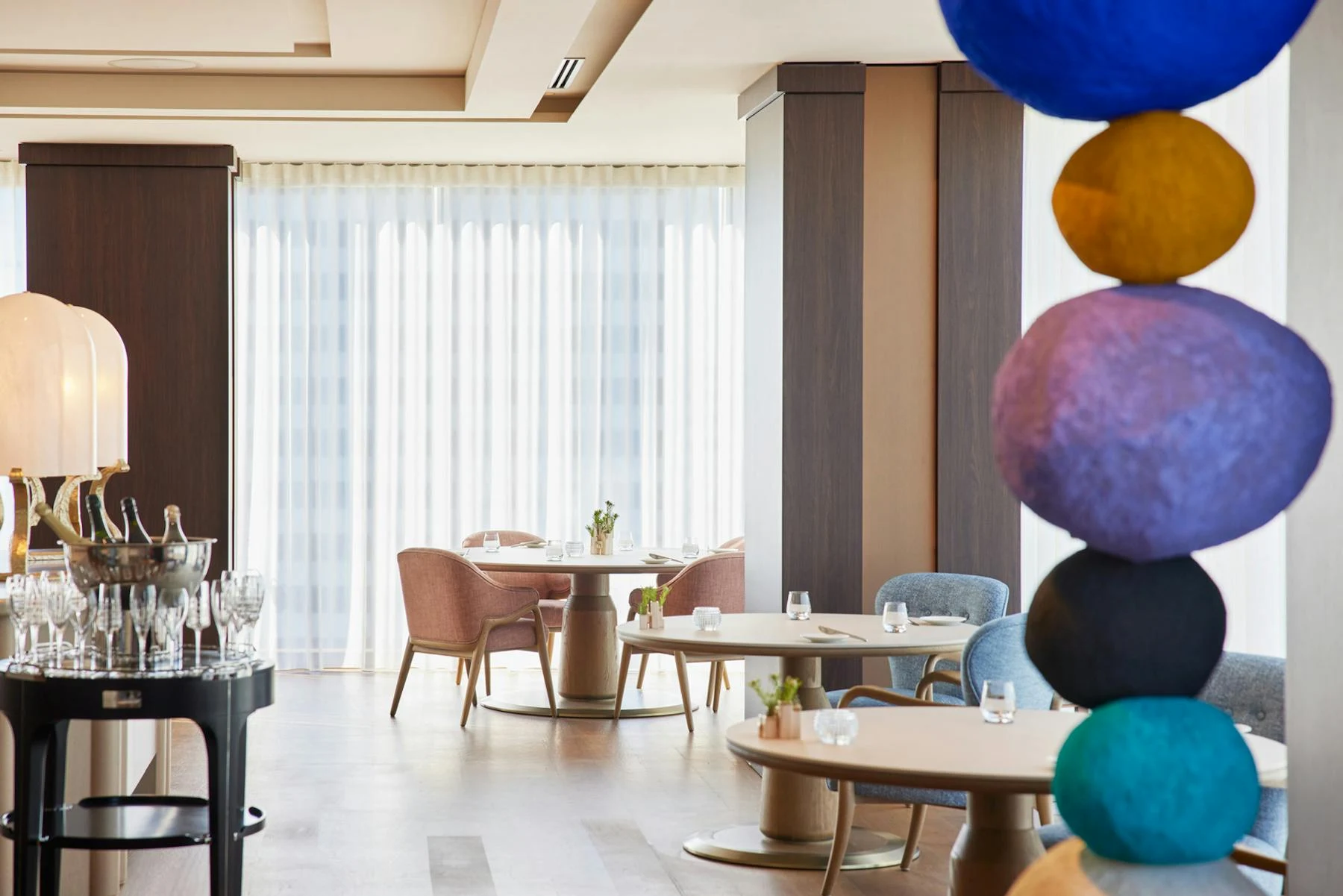
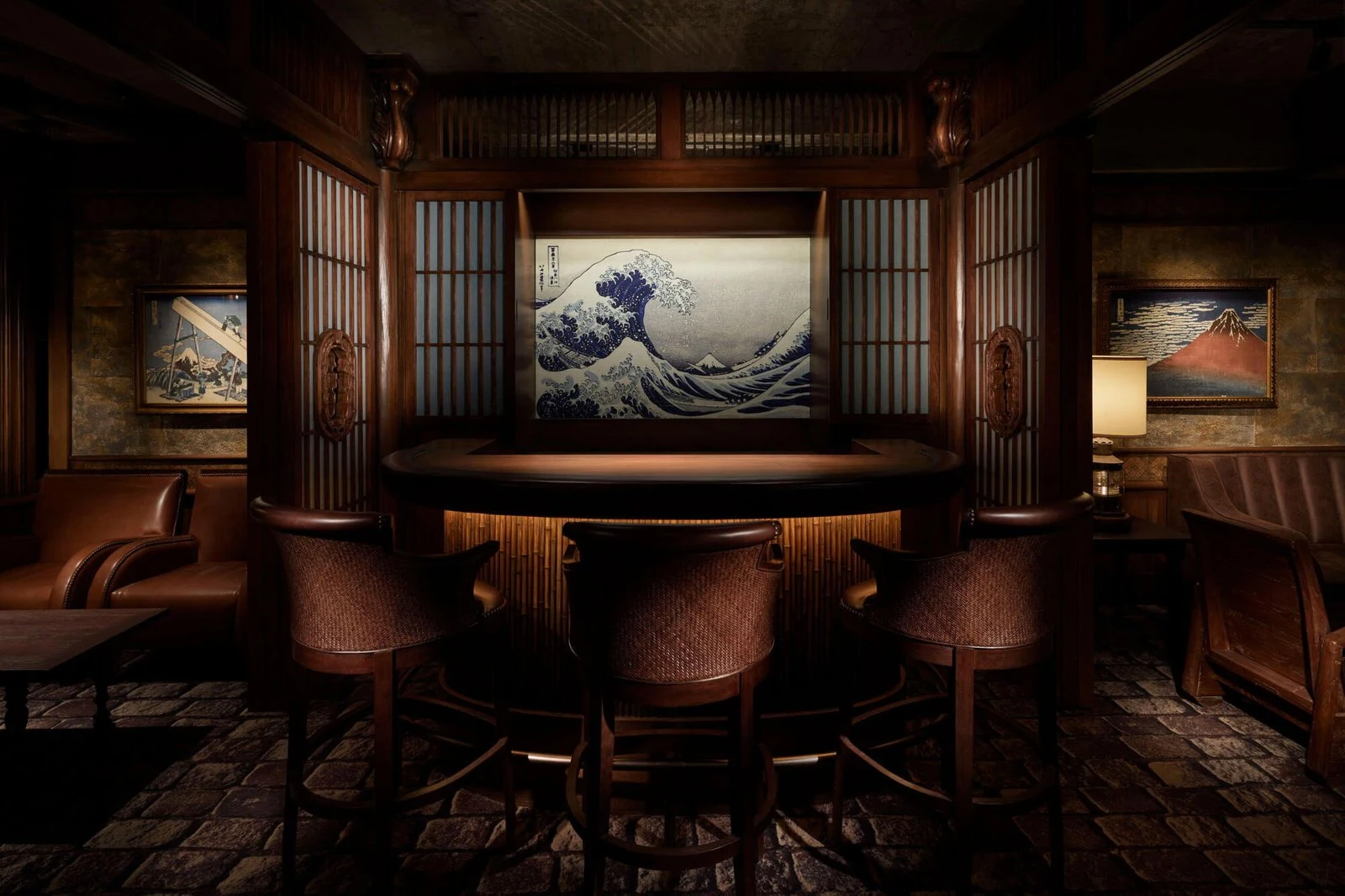
- Opinionated About Dining Top Restaurants in Japan Ranked #408 · 2024
- Opinionated About Dining Top Restaurants in Japan Recommended · 2023
Yakitori at Its Most Deliberate
Tokyo's yakitori tradition operates across a wide spectrum, from standing izakayas where skewers arrive without ceremony to counter-format rooms where the sequence, sourcing, and timing of each piece are treated with the same discipline applied to kaiseki or omakase sushi. The latter category has grown noticeably in the past decade, with a cohort of chef-led yakitori counters in Minato, Shinjuku, and Shibuya attracting the kind of critical attention once reserved for white-tablecloth formats. Yakitori Shinka, on the fourth floor of a building in Nishiazabu, sits firmly in that more considered tier.
Opinionated About Dining listed the restaurant as Recommended in 2023 and moved it to a ranked position of #408 among all Japan restaurants in 2024. That year-on-year progression within OAD's system, which aggregates experienced-diner assessments rather than purely critic visits, marks Shinka as a place gaining traction among the audiences most likely to notice the difference between a technically serious yakitori operation and a competent one. It holds.
The Architecture of a Yakitori Meal
Yakitori, at its most reduced, is chicken over charcoal. What separates the category's leading counters from its middle tier is how that simplicity is structured into a complete eating experience. The ritual of a serious yakitori meal follows a recognisable logic: an opening with lighter, more delicate pieces, often breast or skin, moving through richer cuts, offal, and vegetable skewers before arriving at a final piece, typically the tsukune (minced chicken ball), which functions as both a technical showcase and a closing punctuation mark.
At counters operating at this level, the charcoal selection matters as much as the chicken sourcing. Binchotan, the dense white charcoal derived from ubame oak, burns at high heat without producing the smoke or chemical flavor that would compromise subtler pieces. The distance between grill and charcoal, the rotation timing, and the decision to season with tare (a basting sauce, often house-aged) or simply salt are the variables through which a yakitori chef communicates skill. These are not visible theatrics in the way that, say, a tableside finishing move might be in a French kitchen. The craft is almost entirely in the heat management and the restraint to stop cooking at the right moment.
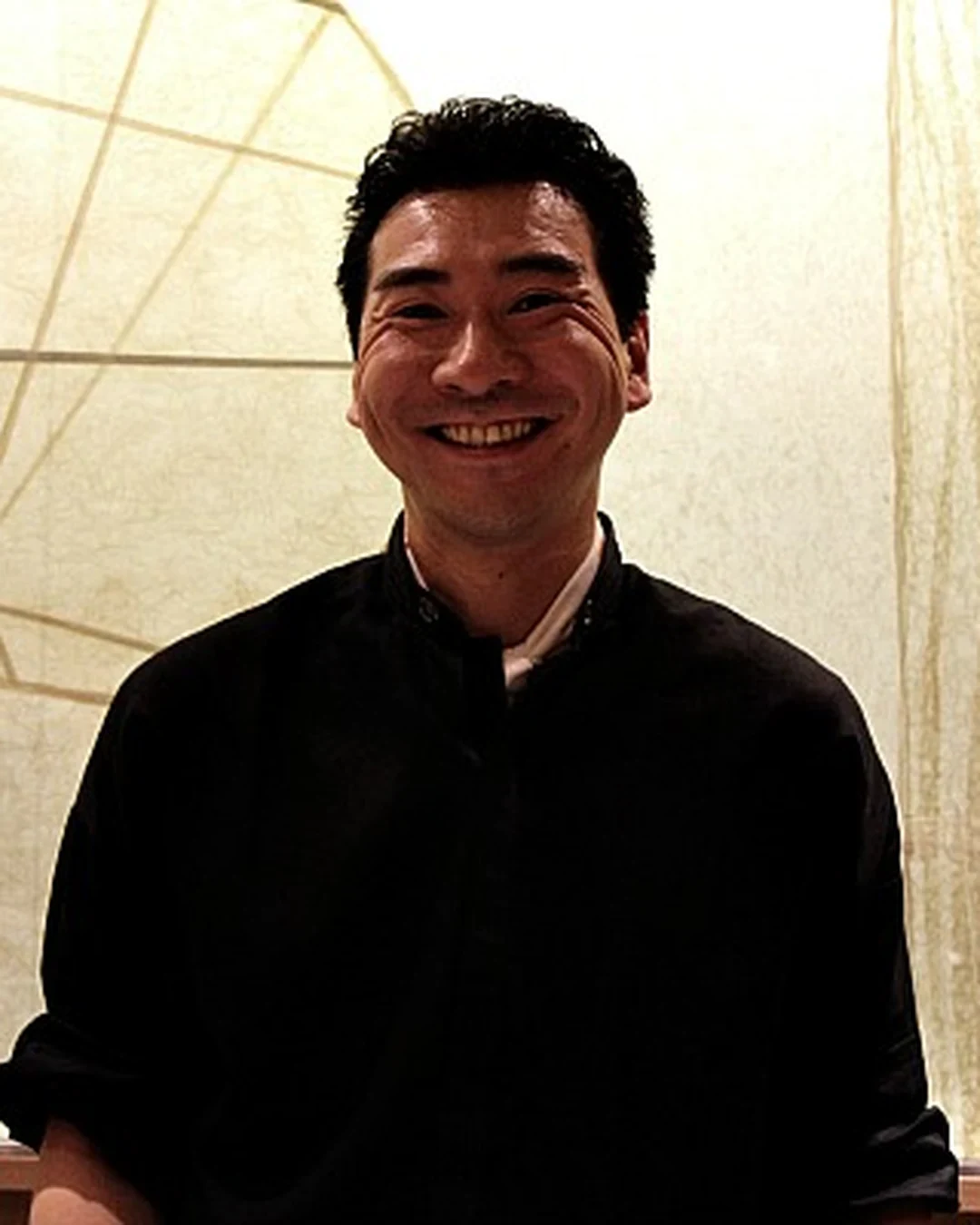
Chef Takuhiro Murakawa works within this framework at Shinka. The Nishiazabu location places the restaurant in one of Tokyo's dining corridors, with a mix of established kaiseki rooms, contemporary Japanese menus, and wine-forward bistros. Operating a yakitori counter at this address, and at a level that warrants OAD recognition, positions Shinka as a specialist playing in a generalist's neighbourhood.
Pace, Sequence, and the Counter Dynamic
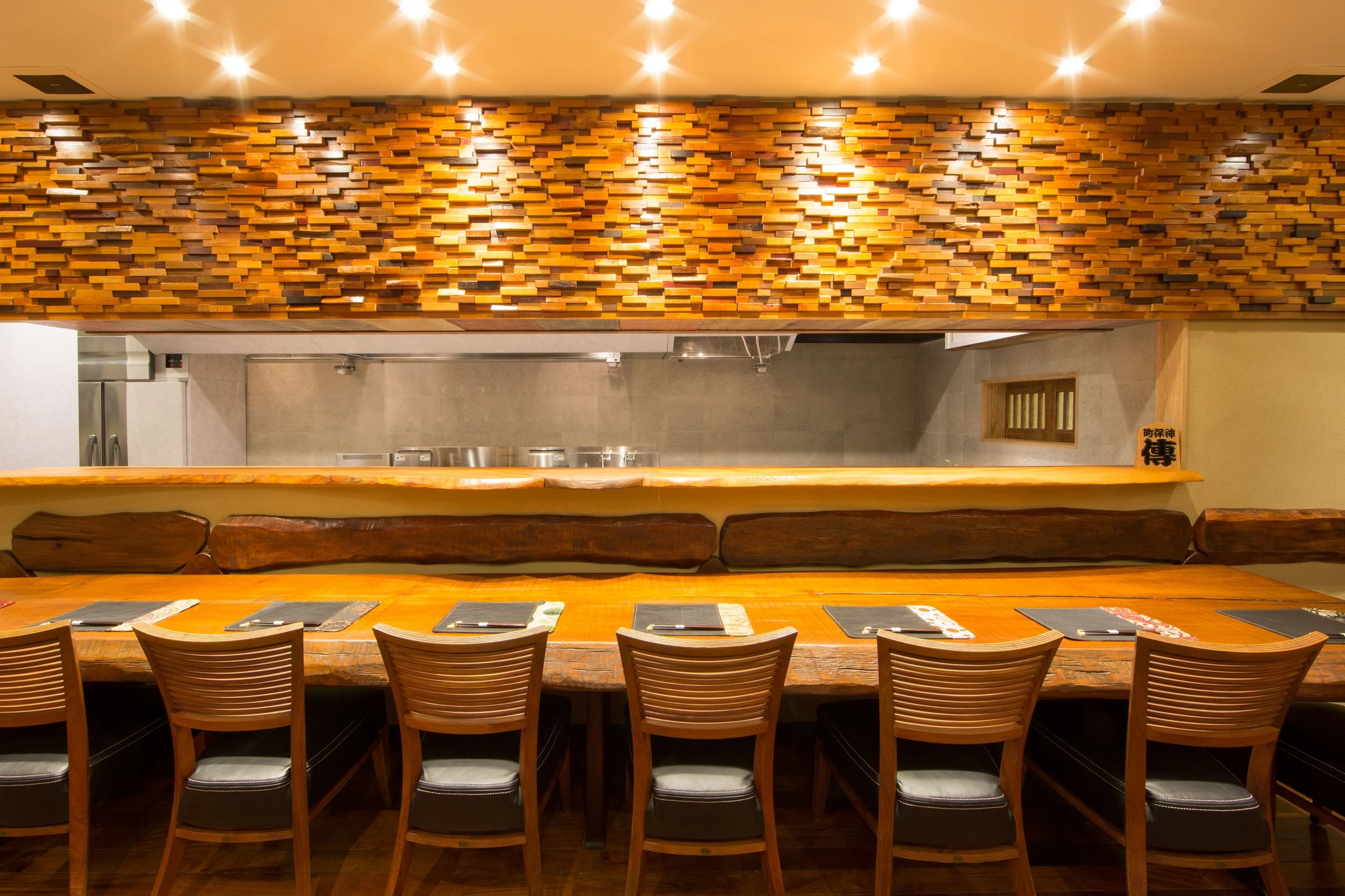
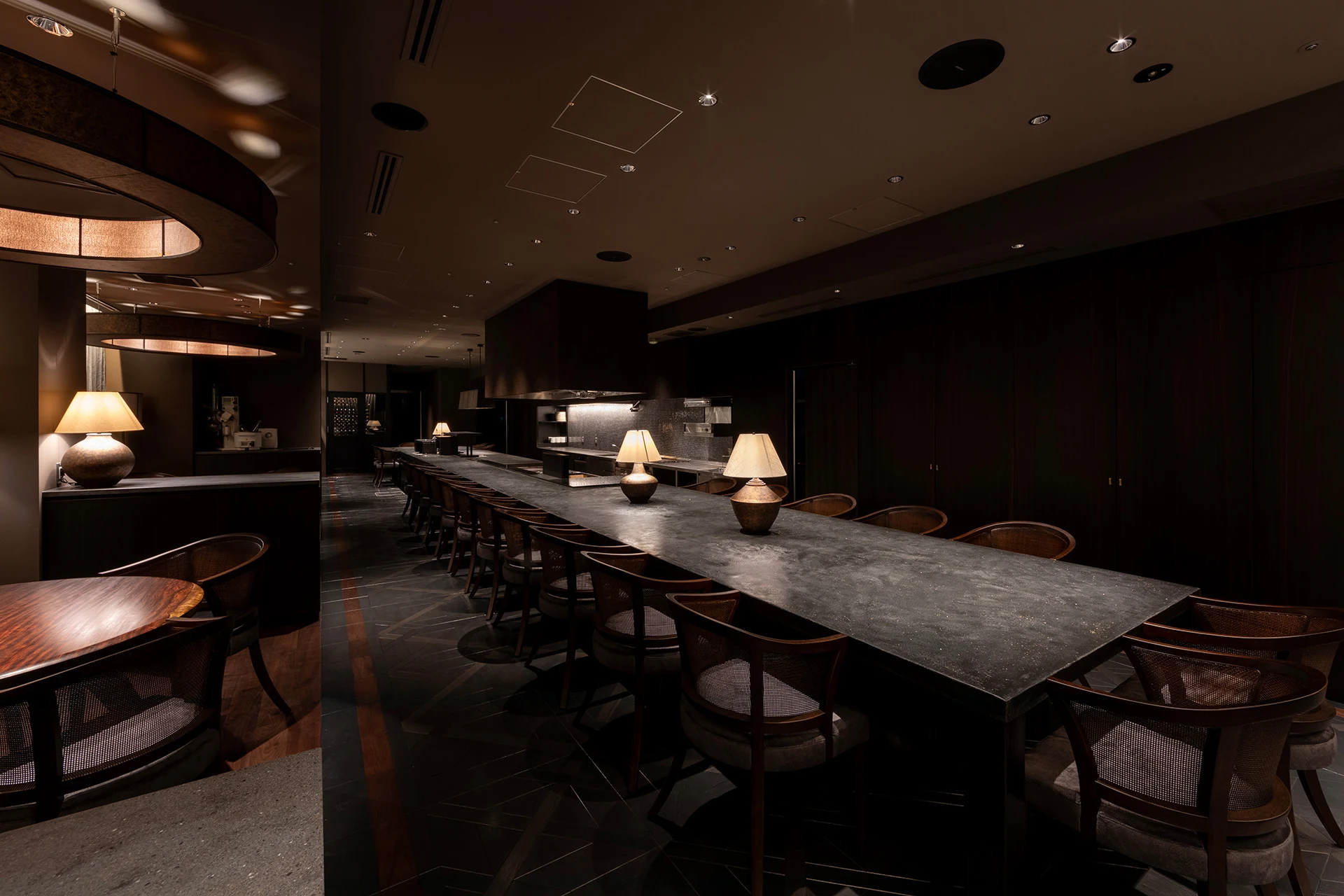
The counter format is central to how a yakitori meal of this calibre functions. Seated directly in front of the grill, diners receive skewers one or two at a time, at a pace determined by the chef rather than the table. This is a different social contract from a la carte ordering. The expectation is that you follow the sequence, eat each piece promptly while temperature and texture are at their intended state, and engage with the rhythm the kitchen sets. It is closer to the omakase logic of high-end sushi than to the communal, order-as-you-like format of a neighbourhood yakitori-ya.
This pacing also shapes the drinks pairing. Japanese highballs, cold beer, and sake all work alongside yakitori in traditional settings, but counters at this level increasingly attract guests who approach the beverage component with some intentionality. The smoky, umami-forward profile of tare-glazed skewers rewards low-acid, lightly effervescent drinks; salt-seasoned pieces have more range and can hold up to structured sake or even light wine. None of this is prescribed, but awareness of the sequence helps guests make better decisions at the drinks stage.
Nishiazabu in Context
The neighbourhood itself rewards some orientation. Nishiazabu connects Roppongi's commercial energy to the quieter, more residential character of Hiroo and Minami-Azabu. The dining scene here tends toward quality over volume: fewer chains, more standalone rooms with identifiable chef profiles. A fourth-floor address above street level is a common configuration for specialist counters across Tokyo, it filters walk-in traffic, keeps the room focused, and signals to those who find it that the journey upstairs was the point. In Nishiazabu, that kind of address is familiar enough that it reads not as obscurity but as intent.
For those extending a Japan trip beyond the capital, HAJIME in Osaka, Gion Sasaki in Kyoto, akordu in Nara, Goh in Fukuoka, 1000 in Yokohama, and 6 in Okinawa provide anchoring points across the country's main dining cities.
Know Before You Go
- Address: 1 Chome-11-10 4F, Nishiazabu, Minato City, Tokyo 〒106-0031
- Floor: Fourth floor, look for building signage, not a street-level frontage
- Cuisine: Yakitori (counter format, chef-sequenced)
- Chef: Takuhiro Murakawa
- Recognition: Opinionated About Dining Ranked #408 in Japan (2024); OAD Recommended (2023) 5 from 73 reviews
- Booking: Contact details not listed, check OAD or Tableall for current reservation access
- Nearest area: Nishiazabu, Minato City; closest major transit hub is Roppongi
What People Recommend at Yakitori Shinka
Guests tend to focus on the meal as a whole rather than individual skewers. The tsukune tends to draw the comment, as it does at most counters operating at this level, it functions as the clearest single expression of a yakitori chef's technique, where texture, seasoning, and finish are all visible in one piece. Salt-seasoned breast and thigh cuts are frequently noted for precision of cook. The OAD ranking and the trajectory from Recommended to a numbered position in 2024 suggest that the assessment among experienced diners is that execution across the full sequence is consistent, which at a counter of this type is the more meaningful signal than any single standout dish. Chef Murakawa's work aligns with the broader tendency among Tokyo's serious yakitori counters to treat the format as a complete tasting structure rather than an à la carte selection, and the awards recognition from OAD, which weights its rankings toward frequent, experienced-diner input, reinforces that read.
Questions
Frequently asked
Who works at Yakitori Shinka?
Made By profiles Takuhiro Murakawa (Chef) at Yakitori Shinka.
How expensive is Yakitori Shinka?
Yakitori Shinka is listed at a price level of $$$.
Where is Yakitori Shinka and what does it serve?
Yakitori Shinka is in Minato, Tokyo, serving Yakitori.
The field
How it compares
| Place | Cuisine | Notes | Awards |
|---|---|---|---|
| Yakitori Shinka | Yakitori | Minato, $$$ | · |
| Den | Modern Japanese Kaiseki | Tokyo | Michelin 2 Stars, World's 50 Best |
| Florilège | Modern French-Japanese Plant-Based Fine Dining | Tokyo | Michelin 2 Stars, World's 50 Best |
| Narisawa | Modern Japanese Satoyama Fine Dining | Tokyo | Michelin 2 Stars, World's 50 Best |
| Quintessence | Modern French Fine Dining | Tokyo | Michelin 3 Stars |
| Sazenka | Modern Chinese Fine Dining | Tokyo | Michelin 3 Stars, World's 50 Best |
| Sézanne | Modern French Fine Dining | Tokyo | Michelin 3 Stars, World's 50 Best |
In residence
Similar places
Modern Japanese Kaiseki
Den
Tokyo, Japan
★★ · 50 Best
Modern French-Japanese Plant-Based Fine Dining
Florilège
Tokyo, Japan
★★ · 50 Best
Modern Japanese Satoyama Fine Dining
Narisawa
Tokyo, Japan
★★ · 50 Best
Modern French Fine Dining
Quintessence
Tokyo, Japan
★★★
Modern Chinese Fine Dining
Sazenka
Tokyo, Japan
★★★ · 50 Best
Modern French Fine Dining
Sézanne
Tokyo, Japan
★★★ · 50 Best