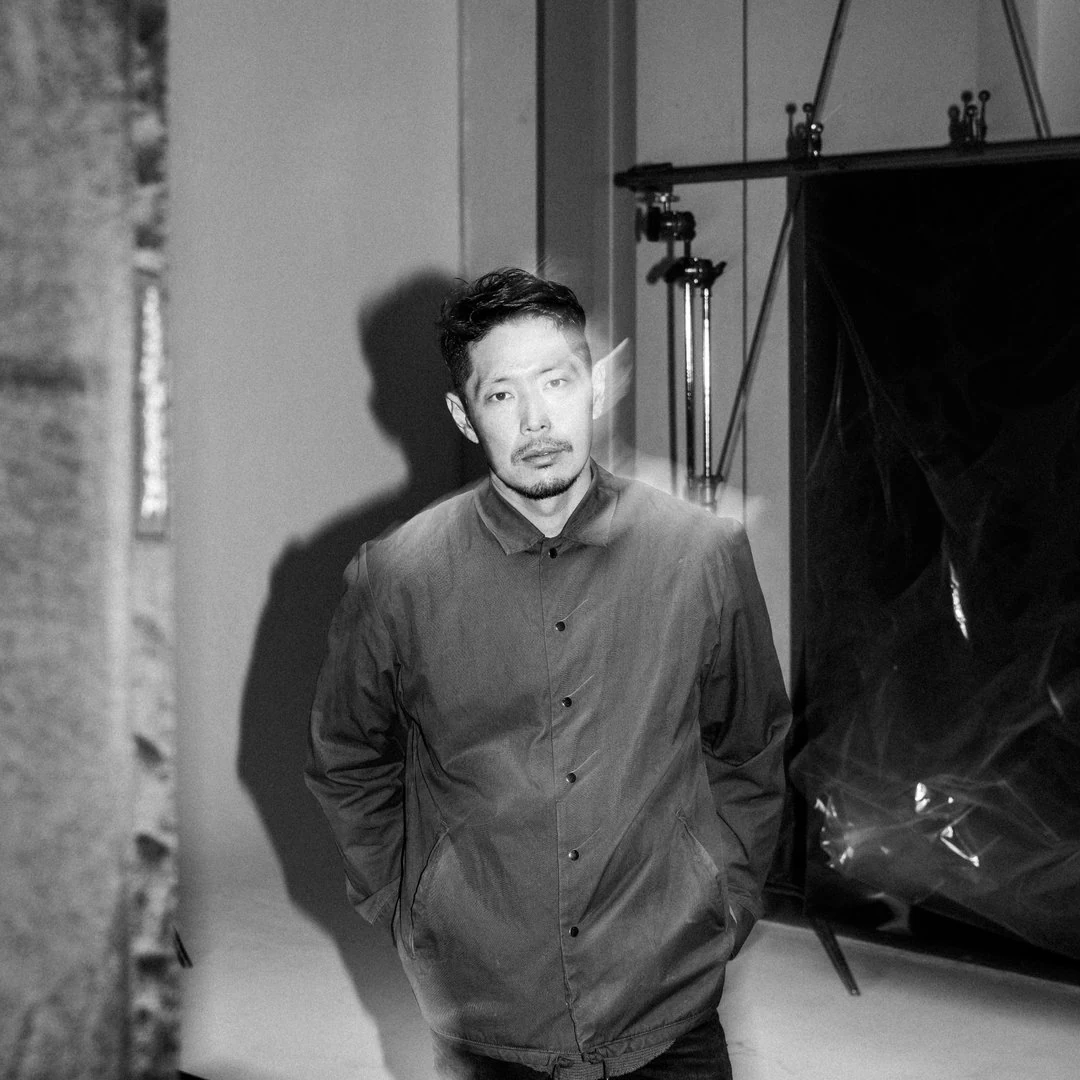
Koichi Inoue, chef at Yakitori Torila in Fukuoka, builds yakitori omakase around aged local chicken and measured charcoal.
- Opinionated About Dining Top Restaurants in Japan Recommended · 2026
Charcoal after the chicken is ready
A skewer reaches the charcoal only when Koichi Inoue, chef at Yakitori Torila in Fukuoka, decides the meat is ready for fire. His station is built around that interval before cooking, when aged local chickens from producers across the region have been held long enough for flavour to settle and deepen. At Torila, the work is yakitori omakase, not a parade of garnish or theatre around the grill. The chef’s task is to keep seasoning, heat, cut and sequence in proportion, so the chicken remains legible from the first skewer to the last bowl.
Inoue’s role here is Executive Chef, and the restaurant’s discipline reflects a cook who trusts restraint more than decoration. What is clear is the station itself: a grill program shaped by timing, texture and control, with each piece served when the heat has done enough and not more. That is a narrow line. Yakitori gives a chef little cover, because the hand is visible in the cut, the salt, the tare, the angle of the skewer and the moment it leaves the charcoal.
Aged chicken, measured heat
The kitchen’s base is aged local chicken, with Takasaka chicken appearing across accounts of the omakase. The bird is valued for density and depth, and Torila uses that structure to build a course that moves through different textures rather than repeating one idea of grilled meat. Tenderloin with egg yolk, liver, tsukune and hatsumoto each ask for a different reading of heat. Breast wants moisture preserved. Wing wants skin taken further. Liver needs the center protected. Minced chicken roll depends on seasoning and compression as much as flame.
This is where measurement becomes the voice of the place, even without published production figures. The skewer is small, but the decisions are many: how long the meat has rested, how much surface to expose, when to turn, when to season, when to let smoke speak and when to keep it quiet. Inoue’s omakase structure puts those choices in sequence. Chicken sashimi and chicken sushi, when served, widen the program beyond the grill, but the pass still returns to charcoal as the point of judgment.
Counter, pass, and the open kitchen
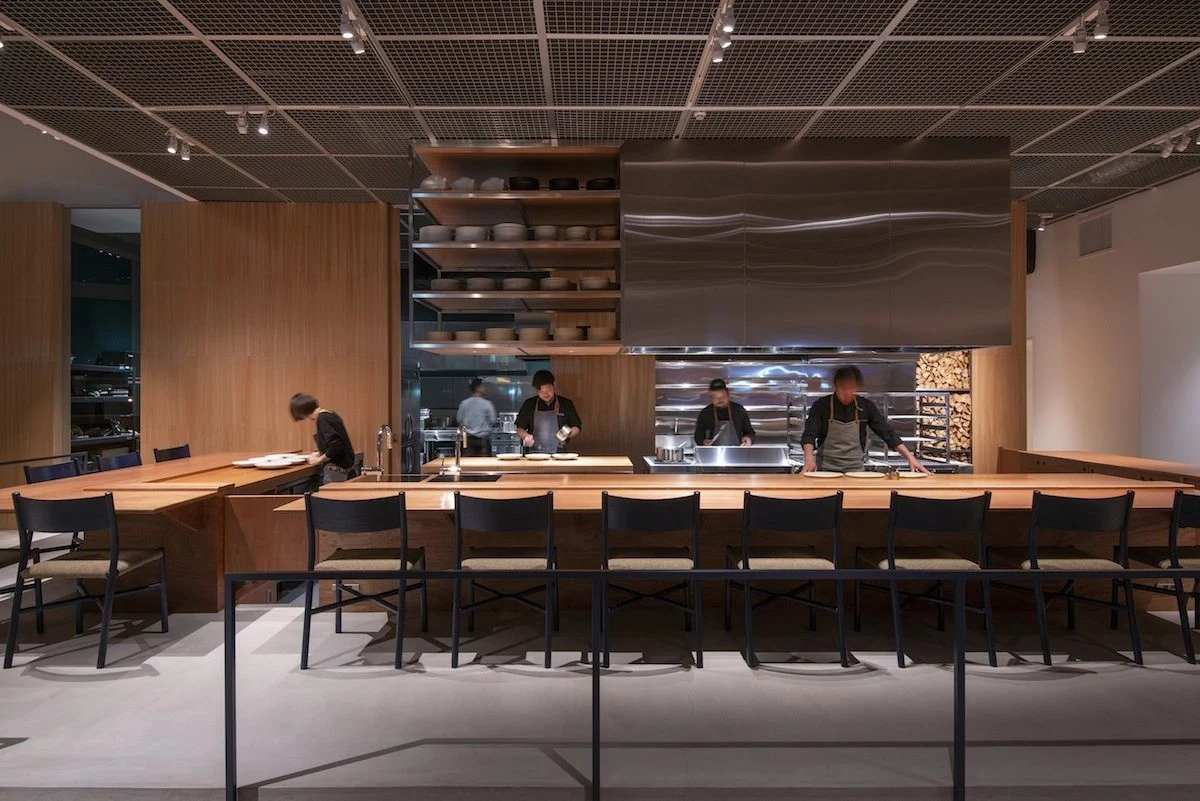
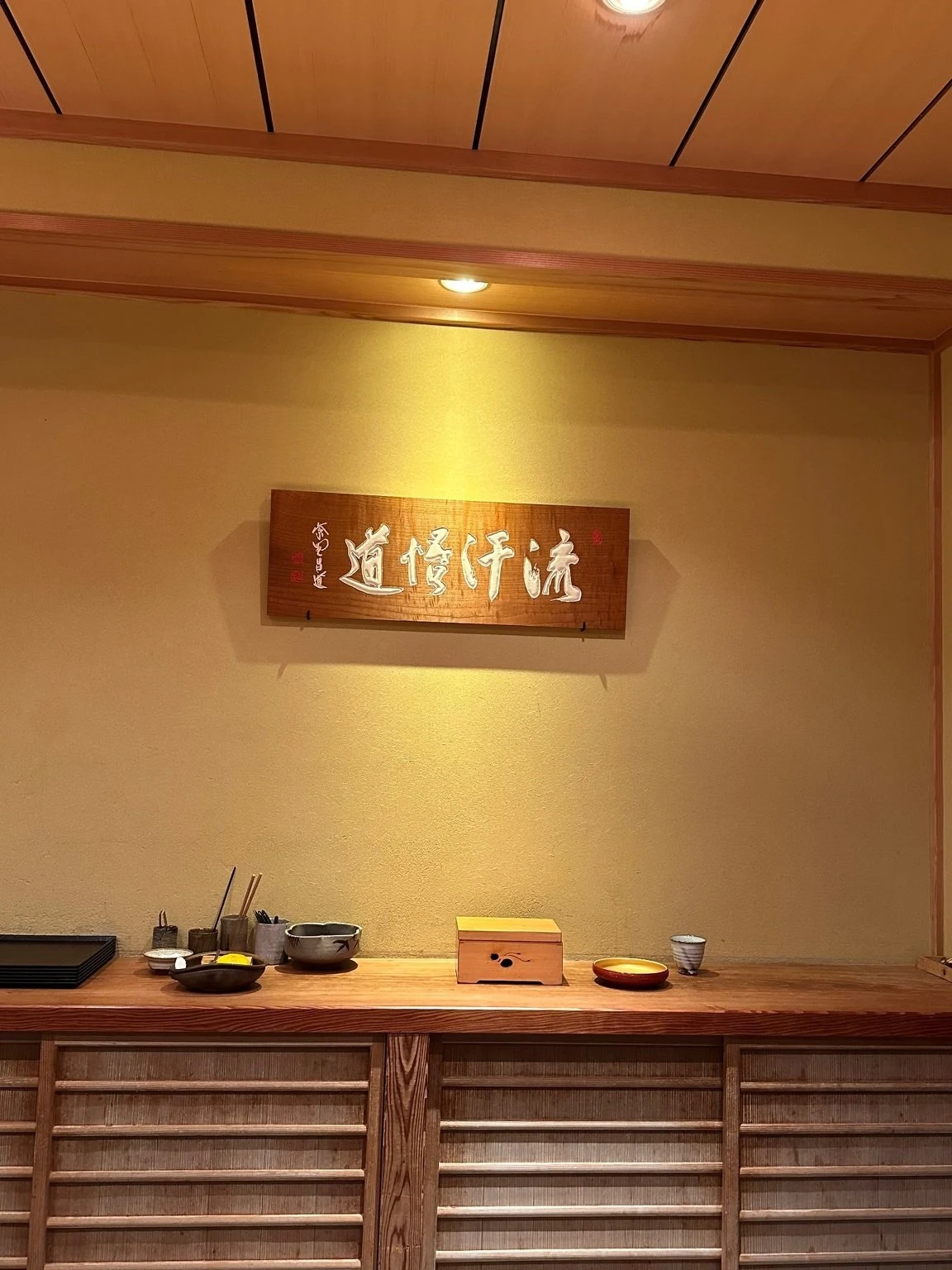
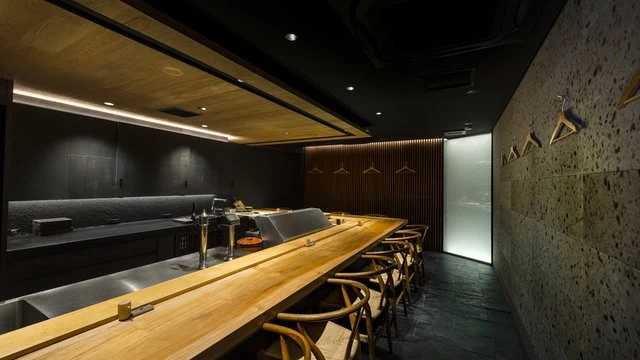
The room is counter led, with an open kitchen that keeps the grill in the guest’s line of sight. Wood, tableware and sake glasses set a calm register around a craft that can become severe if it loses warmth. At Torila, the counter lets the work arrive at bench-side distance: skewers lifted from the fire, soup placed before the next cut, vegetables used as intervals rather than decoration. The restaurant sits in Hirao, in Chuo Ward, above the street rather than on display at it.
That physical closeness matters because yakitori is a craft of seconds and surface. Guests see the hands before they see the course as a whole. The room leaves little distance between the pass and the plate, so the meal depends on Inoue’s pacing as much as his sourcing. If the close of the omakase turns toward ramen, it reads as a final use of chicken depth rather than an extra course. The last measure is still the bird, and at Yakitori Torila that measure is Takasaka chicken.
Questions
Frequently asked
What is Yakitori Torila known for?
Yakitori Torila is known for yakitori omakase built around aged local chicken and carefully measured charcoal cooking. Koichi Inoue treats timing, seasoning, heat and cut as the central parts of the meal.
Who is the chef at Yakitori Torila?
Koichi Inoue is the Executive Chef at Yakitori Torila in Fukuoka.
What kind of chicken does the kitchen use?
The kitchen’s base is aged local chicken, with Takasaka chicken appearing across accounts of the omakase. The bird is used to build a sequence of different textures rather than a repeated grilled format.
What is the dining room like?
The room is counter-led with an open kitchen, so the grill stays in view throughout the meal. The restaurant sits in Hirao, in Chuo Ward, above the street rather than on it.
The field
How it compares
| Place | Cuisine | Notes | Awards |
|---|---|---|---|
| Yakitori Torila | Yakitori | · | · |
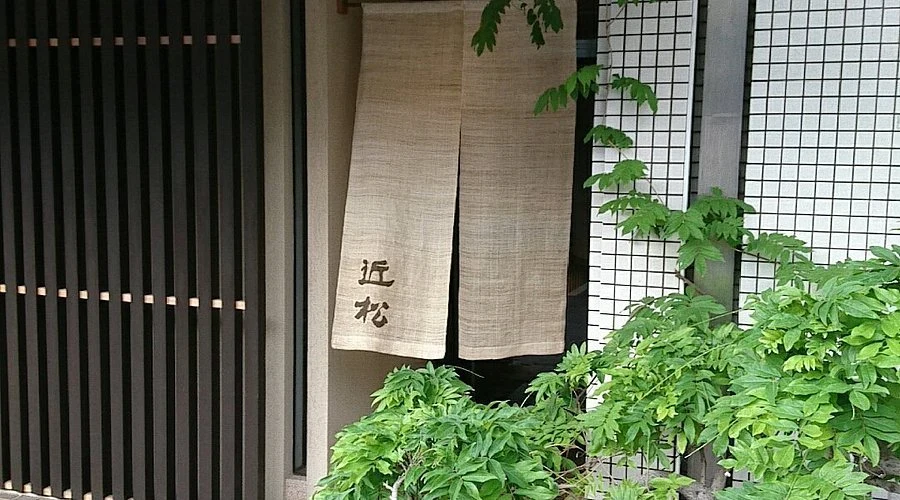
| Chikamatsu | Edomae Sushi Omakase | Fukuoka | · |
| Goh | French-Japanese Omakase | Fukuoka | World's 50 Best |
| Sushi Gyoten | 3-Star Michelin Edomae Omakase | Fukuoka | · |
| Sushi Karashima | Kyushu-Style Edomae Omakase | Fukuoka | · |
| Sushi Sakai | Edomae-style Omakase Sushi | Fukuoka | · |
| Tenzushi Kyomachi | Modern Kyushu-style Omakase Sushi | Fukuoka | · |
In residence
Similar places
Edomae Sushi Omakase
Chikamatsu
Fukuoka, Japan
French-Japanese Omakase
Goh
Fukuoka, Japan
50 Best
3-Star Michelin Edomae Omakase
Sushi Gyoten
Fukuoka, Japan
Kyushu-Style Edomae Omakase
Sushi Karashima
Fukuoka, Japan
Edomae-style Omakase Sushi
Sushi Sakai
Fukuoka, Japan
Modern Kyushu-style Omakase Sushi
Tenzushi Kyomachi
Fukuoka, Japan