YAKUMO
- 01CuisineJapanese Ramen
- 02CityTokyo, Japan
Black and white dashi wontonmen
- Michelin Bib Gourmand · Michelin Guide
- Michelin Bib Gourmand · 2026
- Michelin Bib Gourmand · 2024
Black dashi, white dashi, and one bowl
The ticket comes first, then the bowl. YAKUMO is a ramen shop in Meguro, Tokyo, built around wontonmen and a yin-yang grammar of black and white: black is the soy sauce dashi, white is the sweeter one, and a mixed bowl lets the two meet without making either anonymous. The house opened near Nakameguro Station in 1999, then moved in January 2017 to a site just south of Ikejiri-Ohashi Station, keeping its reputation for some of the best wonton noodles in the city. No executive chef is named publicly, which suits a shop whose consistency is the whole claim.
The founding idea is a balance rather than a signature: light, clear broth against plump, flavourful wontons, with the guest choosing the base. Ordering runs through a vending machine, so the kitchen works from a fixed grammar rather than a conversational menu. That efficiency is not a shortcut. It removes negotiation from the counter and leaves only execution.
Wontonmen held to the line
The bowl begins with a clear soup made from meat, dried shrimp, mackerel and kombu, then turns on the choice between black dashi, white dashi, or the mix. The method is not theatrical. It is sequencing. Pork wontons bring a darker, richer seasoning; shrimp wontons arrive plump and translucent; thin wrappers keep the dumpling from becoming heavy in the spoon. The noodles are described for spring and bite rather than excess, and the chashu carries a honeyed note against the salt and soy.
A signature order can bring shrimp and pork wontons together, a useful reading of the house’s contrast: meat against shellfish, sweetness against shoyu, soft wrapper against springy noodle. That restraint matters. The craft here is not the accumulation of toppings but the maintenance of a light broth strong enough to carry dumplings without dulling them, at a price that keeps the room accessible rather than ceremonial.
The room keeps the bowl in focus
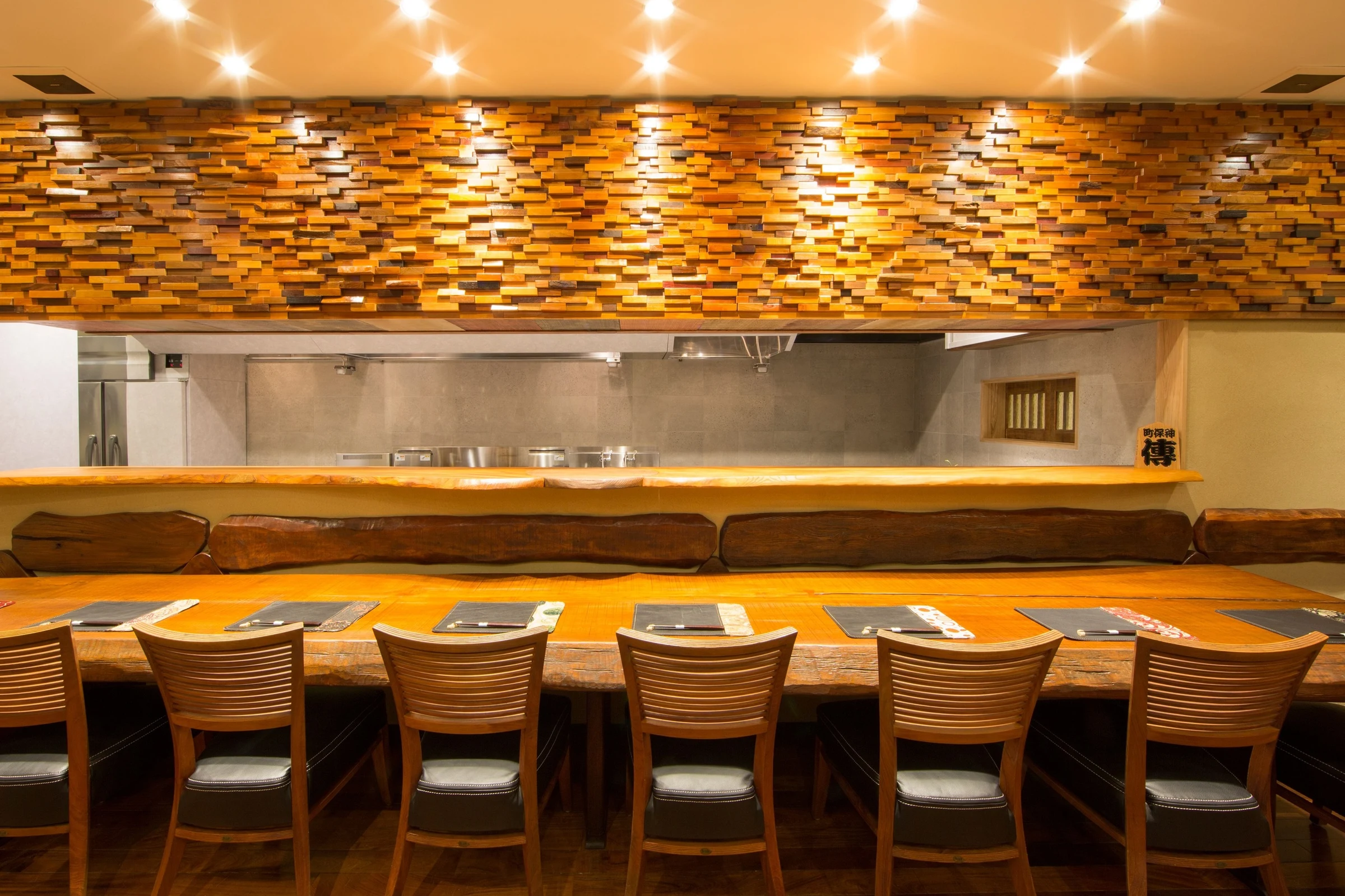
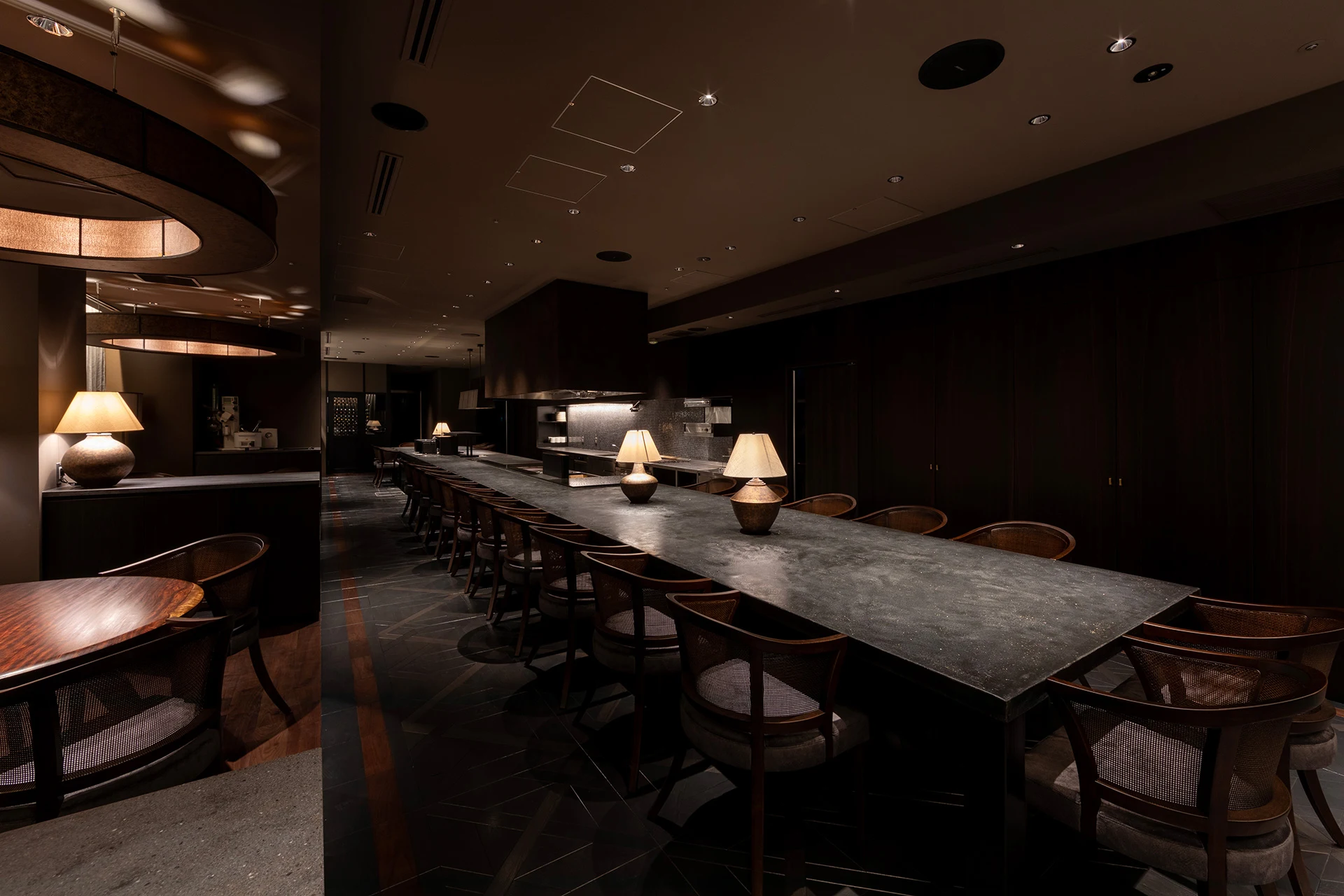
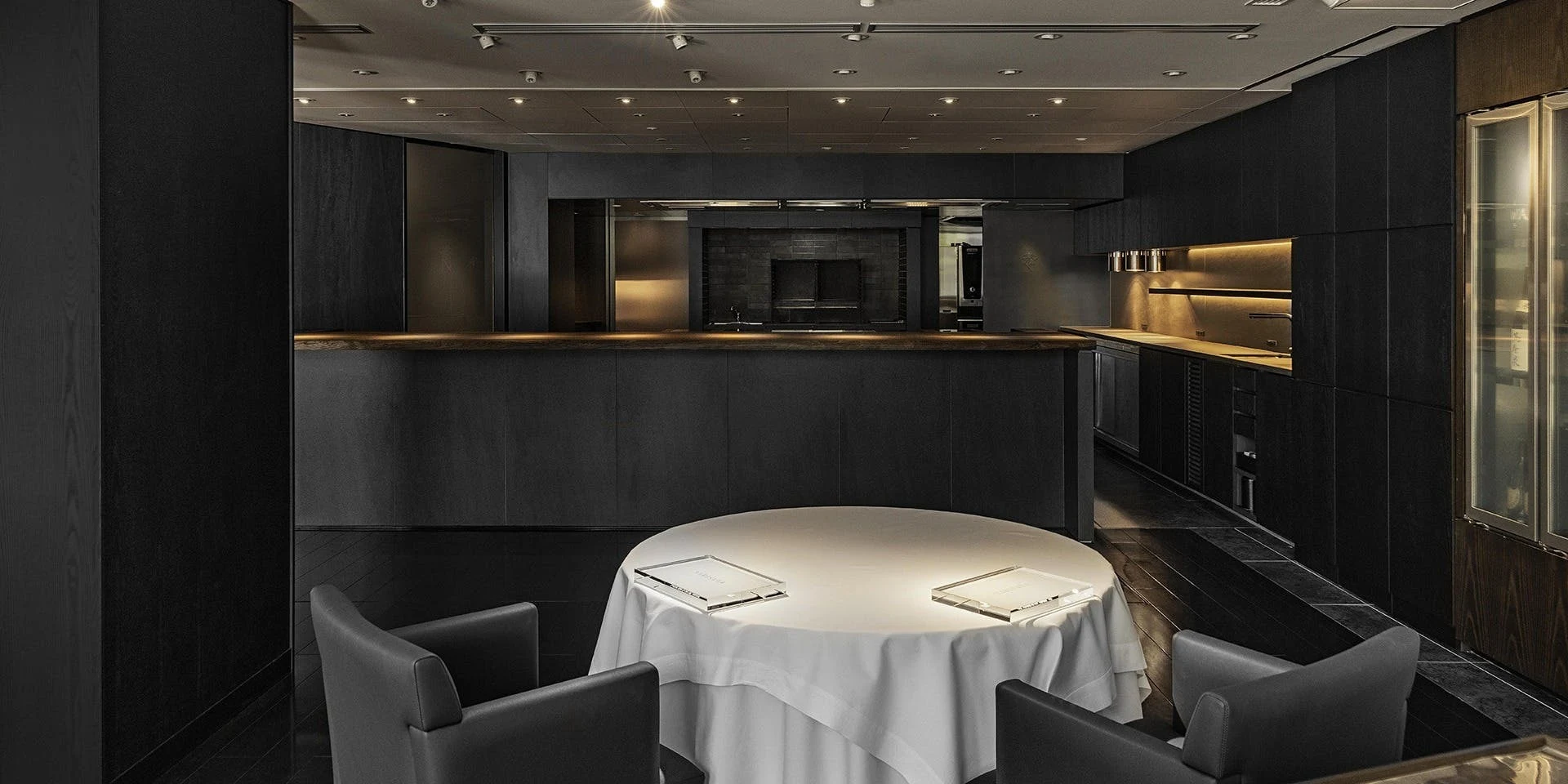
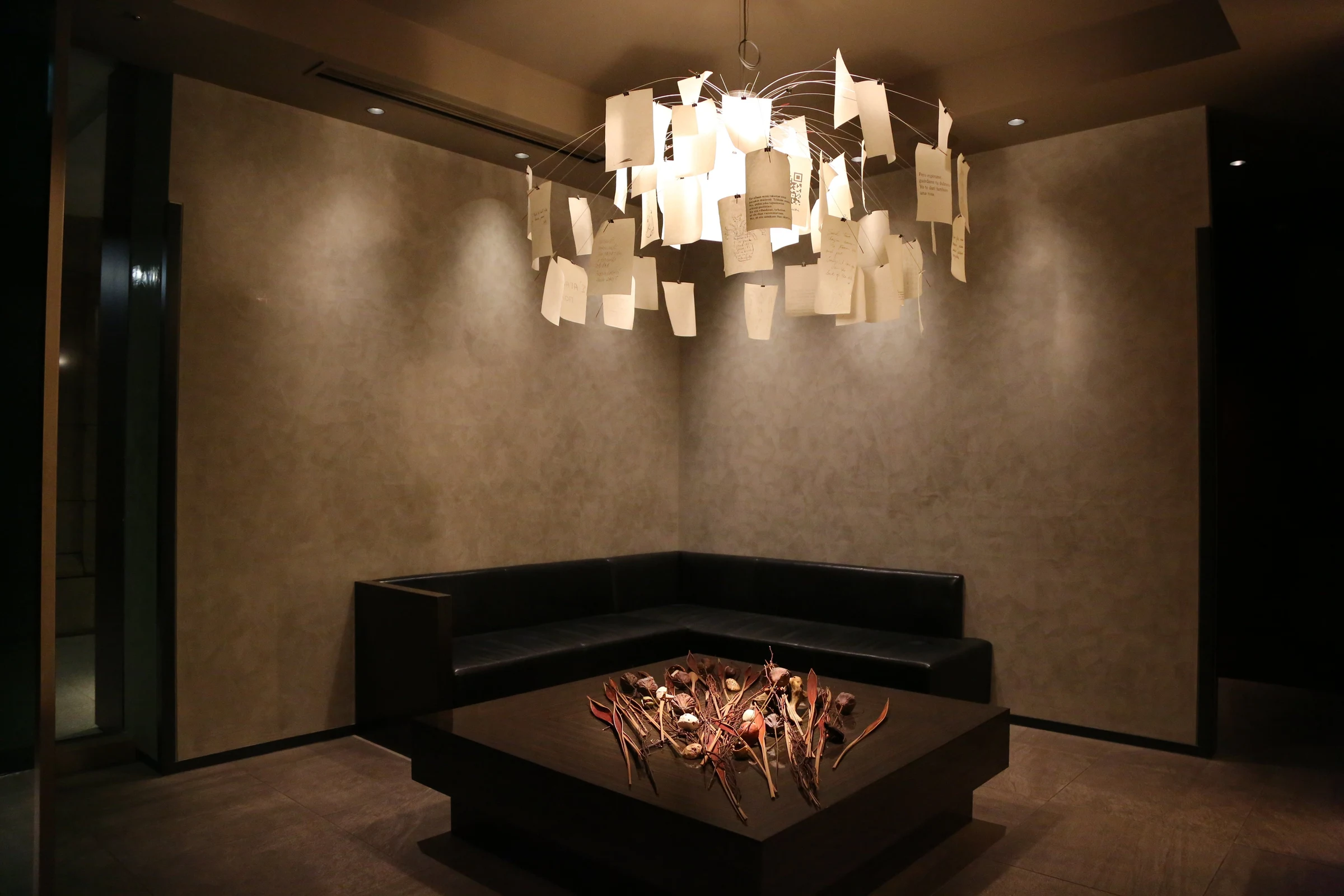
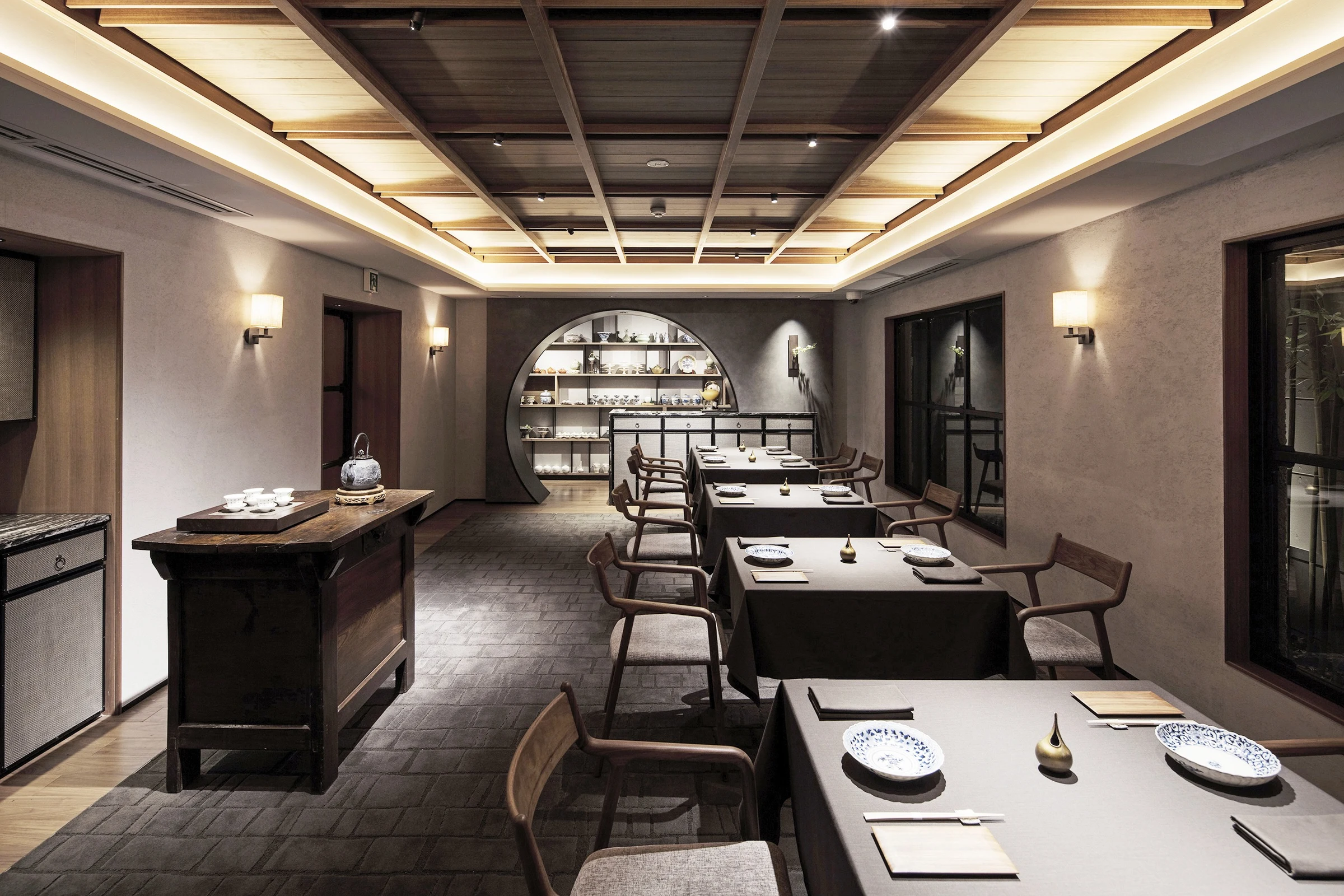
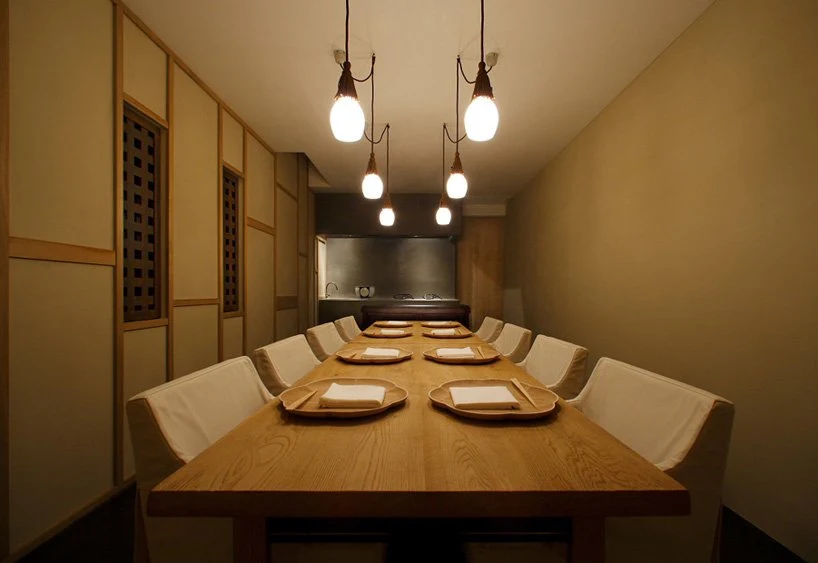
The room carries the same black and white thinking as the menu, with art, oak wood, and a polish unusual for a small ramen counter. It does not make the shop formal. It gives the bowl space. Solo diners and pairs move through the ticketed rhythm, water comes after seating, and the counter keeps attention on the pass: broth ladled cleanly, wontons set into place, slices of chashu laid where fat and lean can warm through.
The design can read almost gallery-like, but the working sound is ramen shop directness. Tickets pass forward. Bowls return. Meguro has plenty of hideout addresses, and this one draws locals and visitors for the same reason: the craft stays close to the hand even when the system around it is efficient.
A Bib Gourmand bowl with a narrow brief
Michelin lists YAKUMO with a Bib Gourmand in its 2026 guide, and the award belongs to this Tokyo address. What sits behind it is the narrowness of the brief: wontonmen, three broth choices, pork and shrimp dumplings, chashu, noodles with spring. In a city where chains dominate the ramen field, a boutique shop holding one form for more than twenty-five years is its own argument. Hold the broth clear. Let the filling speak. At YAKUMO, the bowl to order is the mixed wontonmen with pork and shrimp.
Questions
Frequently asked
What is YAKUMO known for?
YAKUMO is a ramen shop in Meguro built around wontonmen, with black soy dashi, sweet white dashi, or a mixed bowl that combines the two.
How does ordering work at YAKUMO?
Ordering runs through a vending machine, and the ticket comes first before the bowl.
What recognition does YAKUMO hold?
Michelin lists YAKUMO with a Bib Gourmand in its 2026 guide.
The field
How it compares
| Place | Cuisine | Notes | Awards |
|---|---|---|---|
| YAKUMO | Japanese Ramen | Meguro, $ | · |
| Den | Modern Japanese Kaiseki | Tokyo | Michelin 2 Stars, World's 50 Best |
| Florilège | Modern French-Japanese Plant-Based Fine Dining | Tokyo | Michelin 2 Stars, World's 50 Best |
| Narisawa | Modern Japanese Satoyama Fine Dining | Tokyo | Michelin 2 Stars, World's 50 Best |
| Quintessence | Modern French Fine Dining | Tokyo | Michelin 3 Stars |
| Sazenka | Modern Chinese Fine Dining | Tokyo | Michelin 3 Stars, World's 50 Best |
| Sézanne | Modern French Fine Dining | Tokyo | Michelin 3 Stars, World's 50 Best |
Similar places
Modern Japanese Kaiseki
Den
Tokyo, Japan
★★ · 50 Best
Modern French-Japanese Plant-Based Fine Dining
Florilège
Tokyo, Japan
★★ · 50 Best
Modern Japanese Satoyama Fine Dining
Narisawa
Tokyo, Japan
★★ · 50 Best
Modern French Fine Dining
Quintessence
Tokyo, Japan
★★★
Modern Chinese Fine Dining
Sazenka
Tokyo, Japan
★★★ · 50 Best
Modern French Fine Dining
Sézanne
Tokyo, Japan
★★★ · 50 Best