Yamazato
In Residence
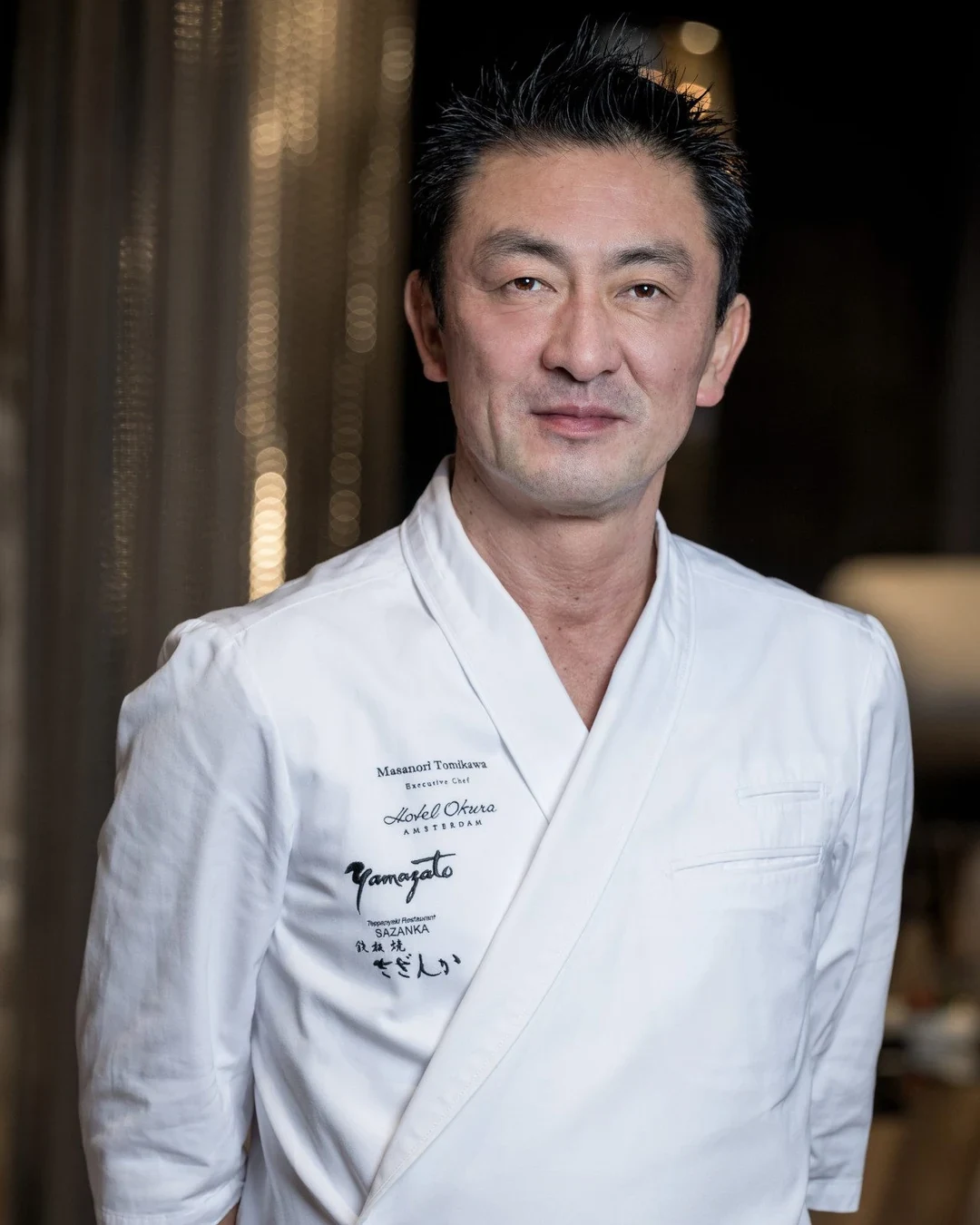
Masanori Tomikawa
Chef
- 01CuisineTraditional Japanese Kaiseki
- 02CityAmsterdam, Netherlands
- 03RecognitionOne Michelin Star
- 1 Michelin Star · Michelin Guide
- Opinionated About Dining Top Restaurants in Europe Recommended · 2026
- Michelin 1 Star · 2025
- Michelin 1 Star · 2024
A Japanese Garden in Amsterdam's South
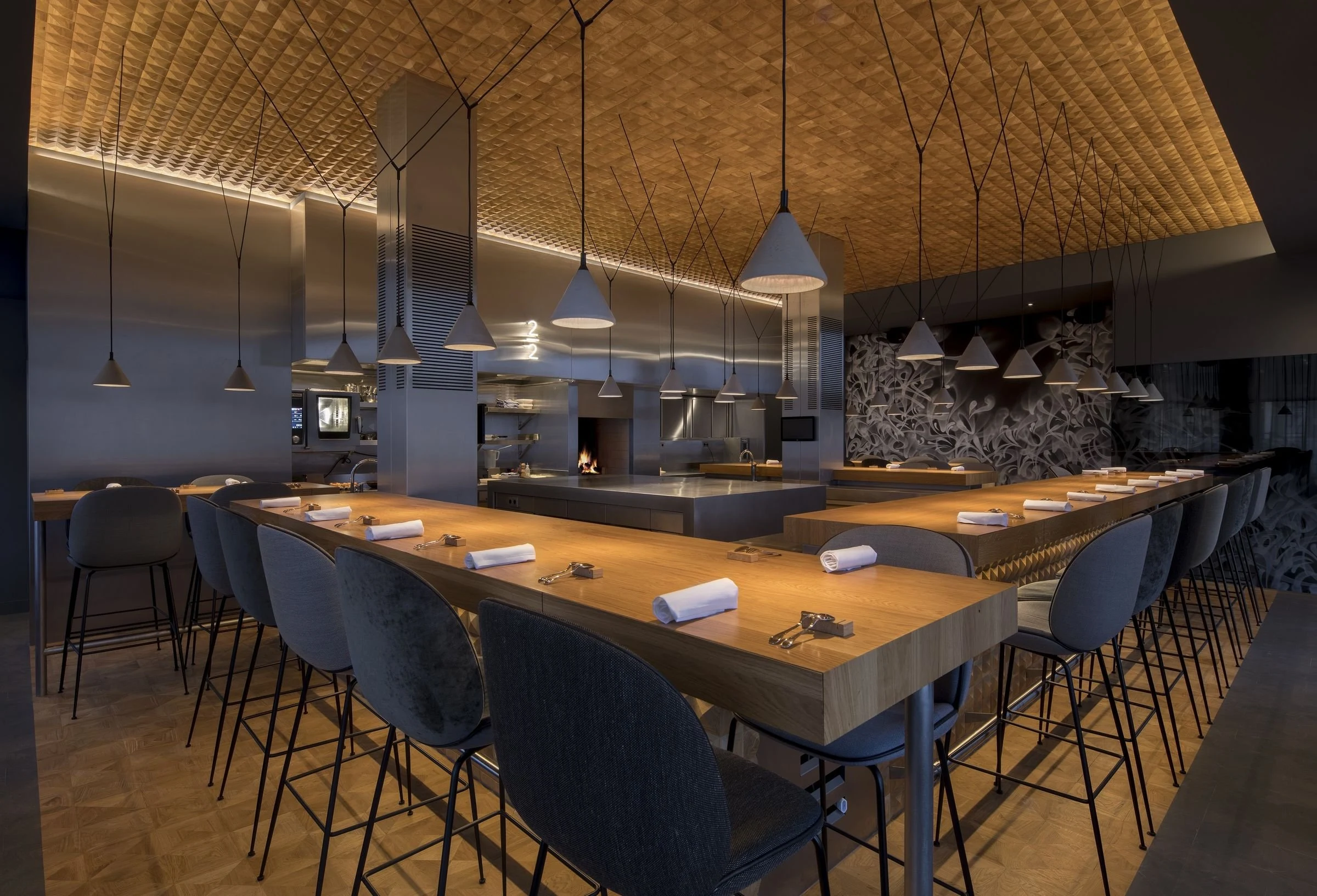
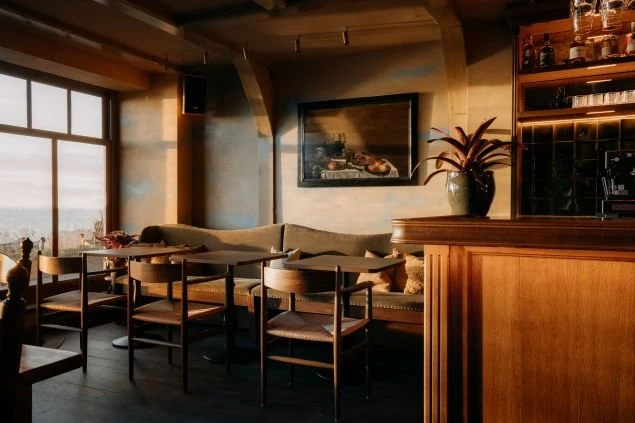
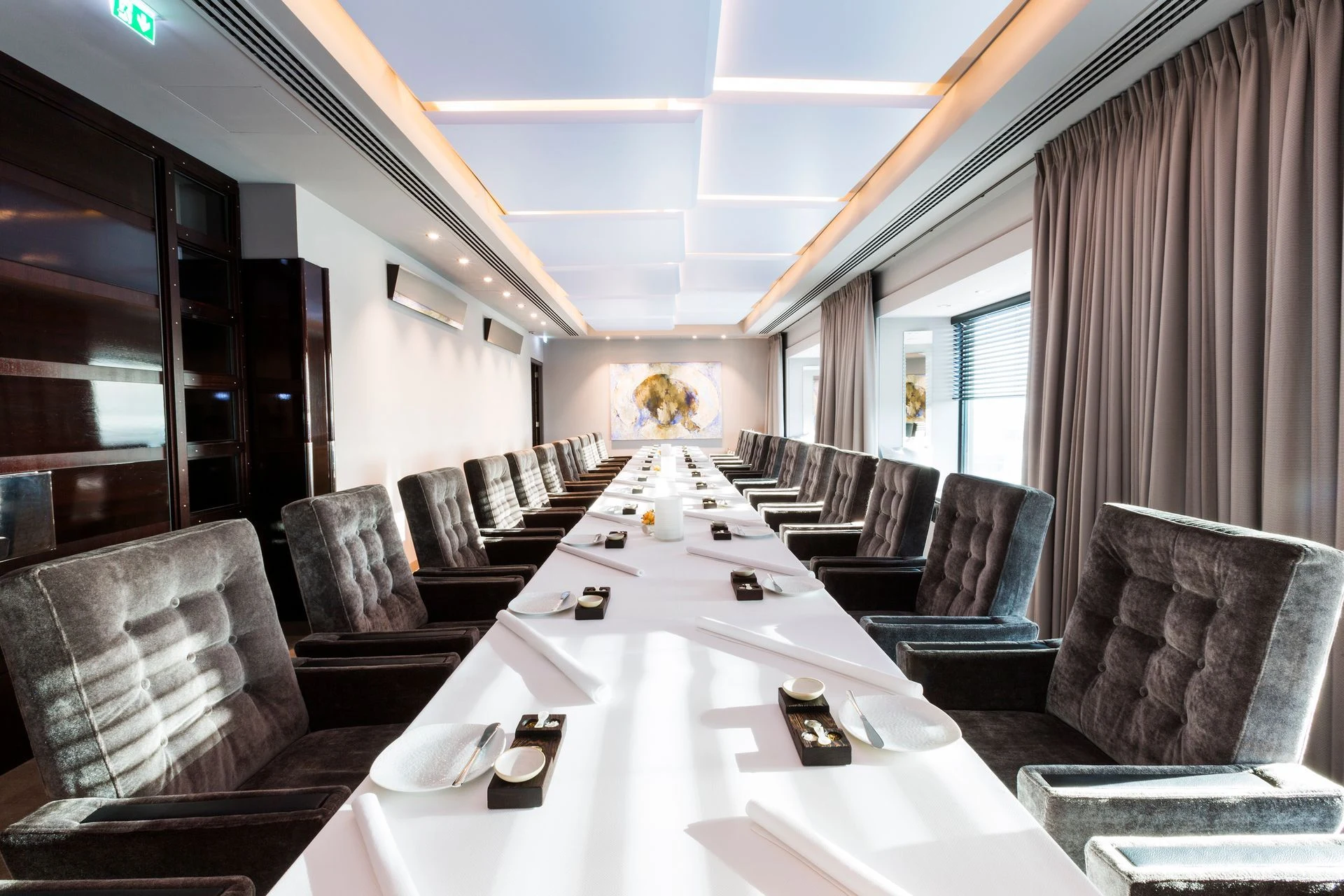
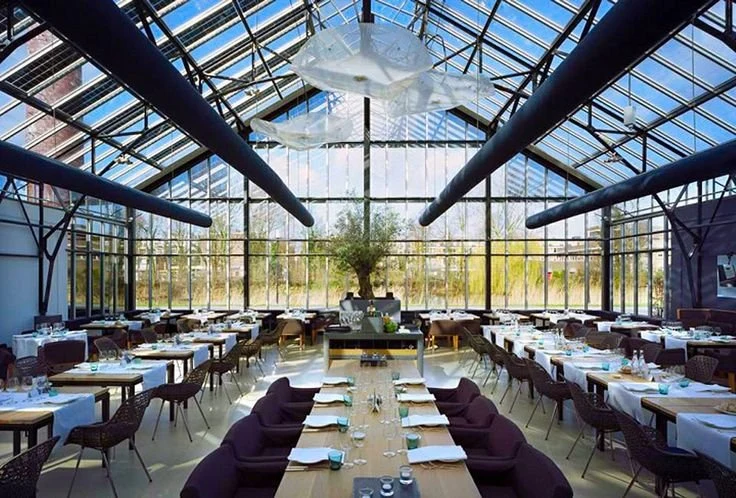
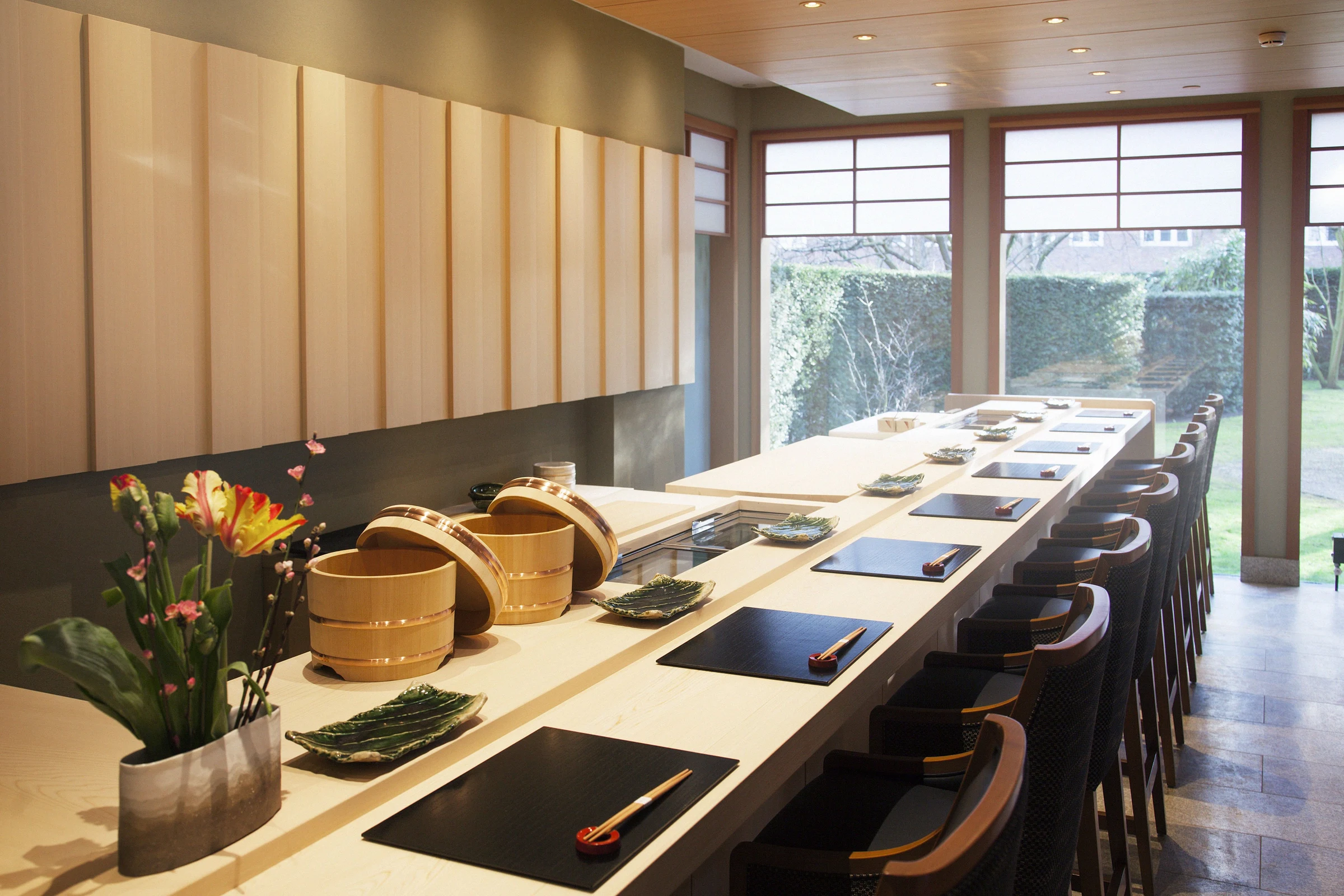
Yamazato is a one-star Kaiseki restaurant in Amsterdam, set at Ferdinand Bolstraat 333. Step into Yamazato and the city outside Ferdinand Bolstraat dissolves. The dining room is built around minimalist wooden tones, the kind of restrained aesthetic that signals intent rather than decoration, this is not a room designed for drama but for focus. A Japanese garden is visible from the interior, and staff move through the space dressed in kimono, a detail that reinforces the restaurant's sustained commitment to cultural context rather than surface-level theming. In a city where Amsterdam's Michelin-starred tier spans creative European cooking at places like Ciel Bleu, contemporary tasting menus at Flore and Spectrum, and refined French-inflected formats at Vinkeles, Yamazato occupies a genuinely separate category, traditional Japanese kaiseki, executed with no concessions to a Western-facing reinterpretation.
The Architecture of Kaiseki
Kaiseki is one of Japanese cuisine's most codified formats. It follows a sequence that evolved from the tea ceremony tradition: a procession of small, precisely ordered courses that move through flavour registers, textures, and temperatures according to established conventions. The structure is not decorative; each stage of the meal carries a specific role. The owan, a Japanese soup course, anchors the sequence at Yamazato and features white fish as a constant, beginning with a highly aromatic consommé before the vegetables and fish are introduced. This progression matters because kaiseki is fundamentally a cuisine of accumulation: each course contextualises the next, and the sequence only reveals its full logic at the end.
What distinguishes Yamazato within this format is the sourcing discipline. Ingredients are frequently flown in from Japan, a logistical commitment that keeps the flavour profiles calibrated to the same producers and seasons that inform restaurants in Tokyo or Kyoto. This is not a common practice in European Japanese dining, where proximity to Japanese suppliers is limited and the temptation to substitute local ingredients is strong. The result is a menu whose depth comes from integrity of ingredient rather than technical complexity for its own sake.
Reading the Menu as a Series of Arguments
Chef Masanori Tomikawa's approach to the menu reads as a sustained argument about restraint. A thinly sliced sea bream sashimi carries its precision as the primary statement: the quality of the cut, the temperature of service, the ceramic it arrives on, these are the communication. A seemingly simple green bean soup, cited by Michelin assessors, is constructed to reward close attention: the simplicity of presentation is the technique, not the absence of it.
A dish that has drawn particular notice involves a persimmon: hollowed to half its form, stuffed with small cubes of the fruit alongside Japanese scallops and maitake mushroom, then finished with a gratinated mousse of egg, lotus root, and dashi. The combination sits at the intersection of sweet and saline that kaiseki navigates with specific precision, fruit used not as dessert logic but as a structural element within a savoury sequence. This is the kind of dish that makes the kaiseki format difficult to explain in Western culinary shorthand, because it doesn't map cleanly onto any European course convention.
The menu's depth of flavour is the consistent editorial point made by Michelin across both of its citations for the restaurant. Precisely cut tuna sashimi and the green bean soup are referenced alongside the more architecturally complex dishes, signalling that the kitchen's standard is applied uniformly across the sequence rather than concentrated in a showpiece course.
A Milestone in European Japanese Dining
When Yamazato received its Michelin star, it became the first traditional kaiseki restaurant outside Japan to achieve the distinction. That credential matters in context: European cities have hosted Japanese restaurants at various quality tiers for decades, and the Michelin Guide has recognised Japanese cooking internationally in forms that ranged from sushi counters to fusion formats. What the Yamazato star marked was the guide's formal recognition of pure kaiseki, the structurally and philosophically specific of Japanese haute cuisine formats, as operating at the highest level on European soil.
For comparison within the Netherlands' Michelin-recognised tier, the country's other starred restaurants largely operate across creative European and modern Dutch idioms: De Librije in Zwolle, Aan de Poel in Amstelveen, De Bokkedoorns in Overveen, De Groene Lantaarn in Staphorst, De Lindehof in Nuenen, and De Lindenhof in Giethoorn. Yamazato is the outlier in that comparable set, defined by a cuisine tradition with no Dutch parallel.
Internationally, Yamazato sits in a specific bracket of European Japanese fine dining that is small in number and spread thinly across major cities. For comparison, Toki in Madrid and Nobu Budapest represent different registers of Japanese dining in European capitals, but neither operates within the kaiseki framework at this level. The format itself is the differentiator.
The Hotel Context and the Evening Format
Yamazato operates within the Okura Hotel on Ferdinand Bolstraat, a positioning that places it within Amsterdam's southern hotel corridor rather than the canal-belt restaurant concentration. The Okura has historically served as the principal address for Japanese corporate and diplomatic hospitality in the Netherlands, which has both shaped the restaurant's clientele and reinforced its commitment to formal kaiseki rather than a more accessible Japanese format.
Service runs in a narrow evening window: 6 PM to 8 PM on Monday, Thursday, Friday, Saturday, and Sunday, with Tuesday and Wednesday closed. The compressed service window is characteristic of kaiseki operations, where the sequence of courses requires a synchronised kitchen and front-of-house rhythm that is difficult to sustain across multiple, overlapping seatings.
Questions
Frequently asked
What recognition does Yamazato hold?
Yamazato holds 1 Michelin star.
Who works at Yamazato?
Made By profiles Masanori Tomikawa (Chef) at Yamazato.
How expensive is Yamazato?
Yamazato is listed at a price level of $$$$.
Where is Yamazato and what does it serve?
Yamazato is in Lizzy Ansinghbuurt, Amsterdam, serving Traditional Japanese Kaiseki.
The field
How it compares
| Place | Awards | Cuisine | Notes |
|---|---|---|---|
| Yamazato | Michelin 1 Star | Traditional Japanese Kaiseki | Lizzy Ansinghbuurt, $$$$ |
| 212 | Michelin 2 Stars | Modern Fine Dining | Amsterdam |
| Choux | Michelin 1 Star | Modern Dutch Vegetable-Forward Fine Dining | Amsterdam |
| Ciel Bleu | Michelin 2 Stars | Modern French Fine Dining | Amsterdam |
| De Kas | Michelin 1 Star | Seasonal Farm-to-Table Fine Dining | Amsterdam |
| RIJKS® | Michelin 1 Star | Modern Dutch Low Countries Cuisine | Amsterdam |
| Vinkeles | Michelin 2 Stars | Modern French Fine Dining | Amsterdam |
In residence
Similar places
Modern Fine Dining
212
Amsterdam, Netherlands
★★
Modern Dutch Vegetable-Forward Fine Dining
Choux
Amsterdam, Netherlands
★
Modern French Fine Dining
Ciel Bleu
Amsterdam, Netherlands
★★
Seasonal Farm-to-Table Fine Dining
De Kas
Amsterdam, Netherlands
★
Modern Dutch Low Countries Cuisine
RIJKS®
Amsterdam, Netherlands
★
Modern French Fine Dining
Vinkeles
Amsterdam, Netherlands
★★