Made ByRestaurant
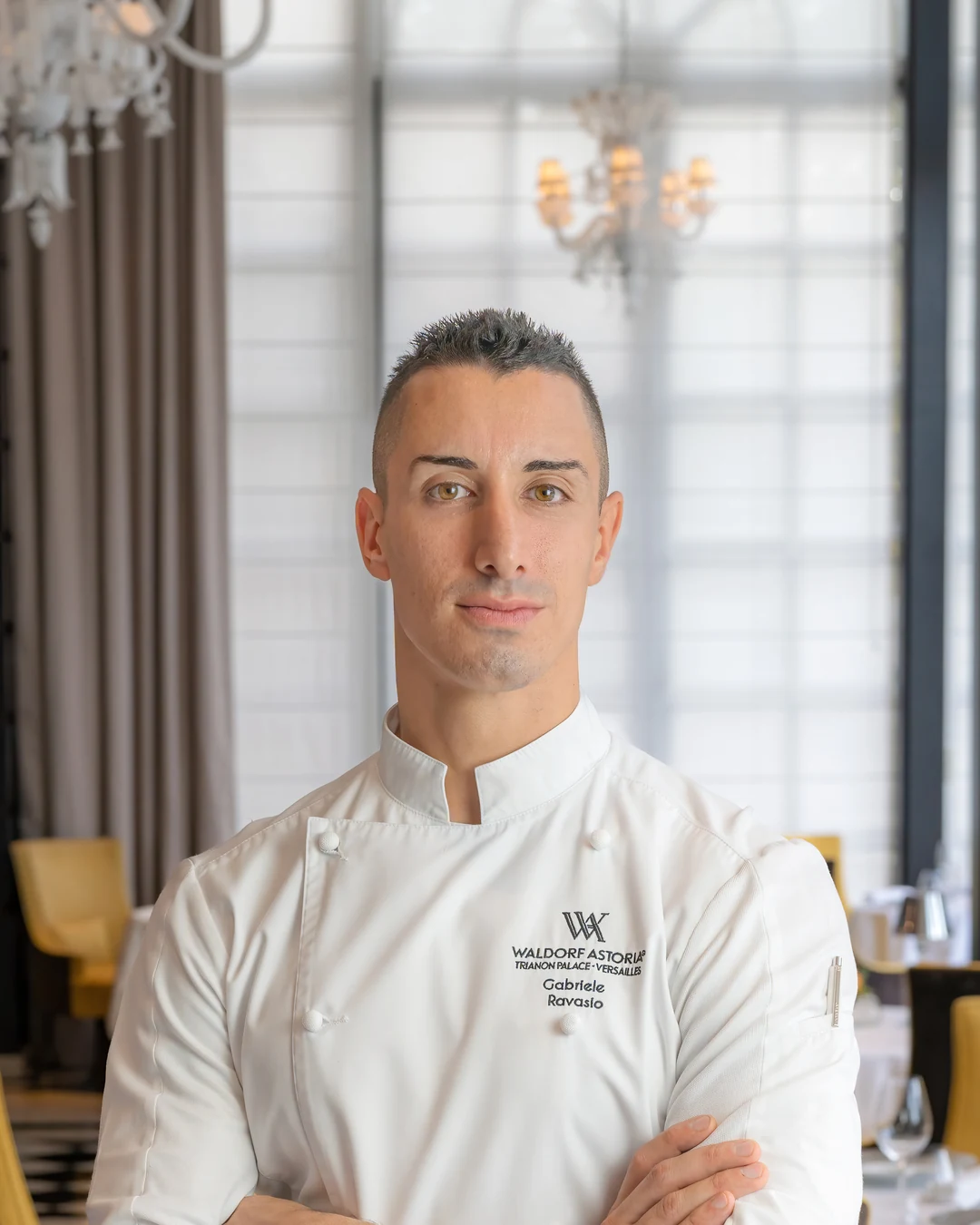
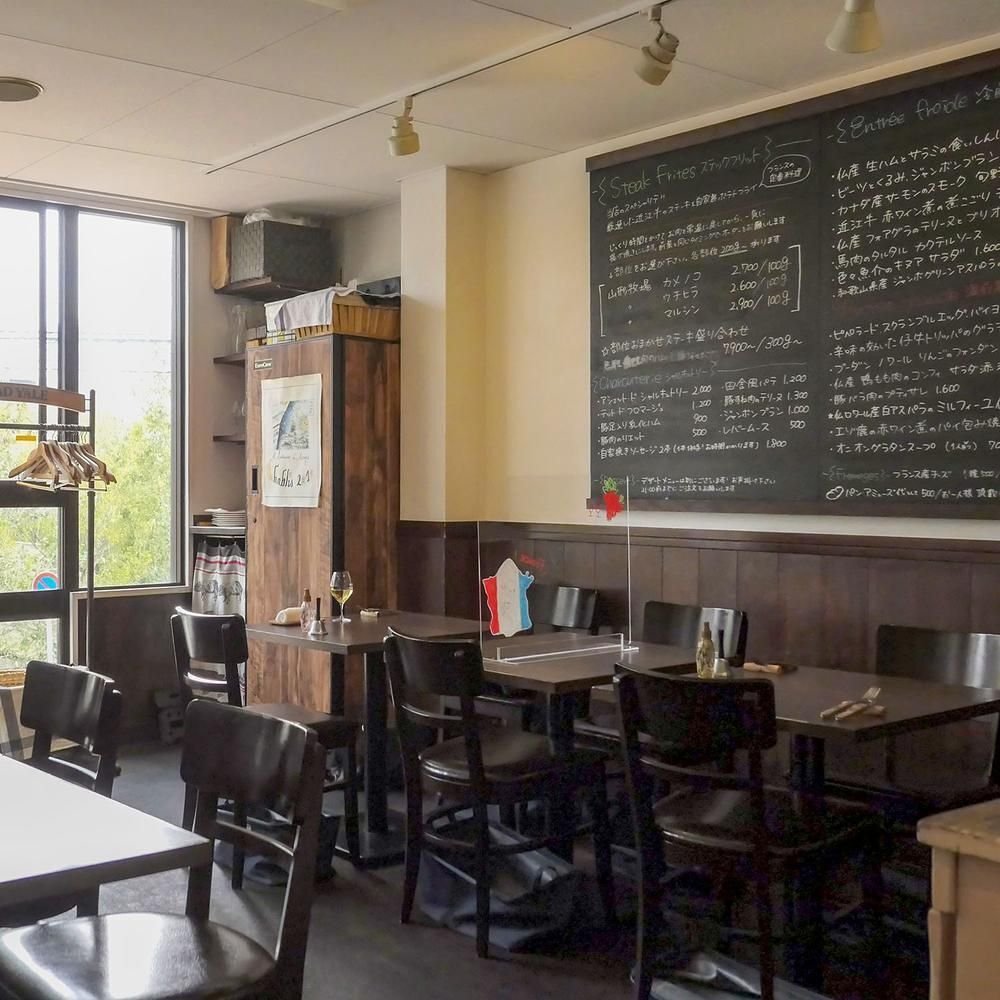
Yiwanshui in Osaka's Nishi Ward serves Chinese home cooking through a prix fixe format that has earned consecutive Michelin Plate recognition in 2024 and 2025. The menu draws on imperial court traditions while keeping oil and seasoning light, letting the natural character of each ingredient carry the dish. Chef Gabriele Ravasio runs a room designed for repeat visits, not one-off occasions.
At a glance
- Cuisine
- Chinese
- Price
- $$$
- Hours
- Mon: Closed; Tue: 12–2 PM, 5–9:30 PM; Wed: 12–2 PM, 5–9:30 PM; Thu: 12–2 PM, 5–9:30 PM; Fri: Closed; Sat: 12–2 PM, 5–9:30 PM; Sun: 12–2 PM, 5–9:30 PM
- Rating
- 4.5 (73)
<h2>A Room Built for Return</h2><p>In Utsubohonmachi, the quieter residential-commercial stretch of Nishi Ward that sits apart from Osaka's more theatrically busy dining corridors, Yiwanshui is a Chinese restaurant in Osaka. The Chinese characters on Yiwanshui's sign read <em>tàocān</em>, which translates roughly as "set menu", a declaration of format before the door is even opened. That transparency is intentional. The room is not designed to surprise a first-time visitor with its concept; it is designed to become somewhere a guest already knows.</p><p>This is the regulars' restaurant in the fullest sense of that phrase. The prix fixe structure removes decision fatigue and creates a shared experience across tables, the kind of steady rhythm that makes a room feel coherent rather than transactional. Return visits are not just welcomed; they are structurally encoded into the experience.</p><h2>Chinese Home Cooking in an Osaka Context</h2><p>Osaka's Chinese dining tier has grown considerably more sophisticated over the past decade. Where the city once sorted broadly into Chinatown casual and hotel banquet, a smaller cohort of Michelin-recognised Chinese restaurants now operates in a different register entirely. <a href="https://www.enprimeurclub.com/restaurants/chi-fu-osaka-restaurant">Chi-Fu</a> and <a href="https://www.enprimeurclub.com/restaurants/kamigatachuka-shintani-osaka-restaurant">Kamigatachuka SHINTANI</a> represent the formal, technique-forward end of that cohort. Yiwanshui occupies a different but equally deliberate position: Chinese home cooking executed with precision, in a prix fixe format, at the ¥¥¥ tier that also houses Osaka kaiseki rooms like <a href="https://www.enprimeurclub.com/restaurants/az-osaka-restaurant">Az</a>.</p><p>The distinction matters. Home cooking as a category is often read as unpretentious shorthand for "informal" or "uncomplicated." At Yiwanshui, it means something more considered: familiar ingredients handled with patience, oil kept light, seasoning restrained, so that what arrives at the table reads as the ingredient itself rather than the technique applied to it. This philosophy connects to a broader shift in Chinese fine dining globally, visible at places like Mister Jiu's in San Francisco and, in Europe, at <a href="https://www.enprimeurclub.com/restaurants/restaurant-tim-raue-berlin-restaurant">Restaurant Tim Raue in Berlin</a>, a movement away from the richness-as-luxury assumption toward restraint as the actual marker of quality.</p><h2>The Menu: Imperial Roots, Domestic Register</h2><p>The prix fixe at Yiwanshui is anchored by dishes that draw on Chinese imperial court traditions while maintaining the accessible texture of home cooking. <em>Jiǔ cǎi pén</em>, one of the fixed menu's reference points, reflects this lineage: court-influenced in its origins, but delivered without the architectural plating that signals high-end theatre. The approach keeps the guest's attention on the food rather than the presentation of the food.</p><p>Chef Gabriele Ravasio's presence in this kitchen is itself a piece of context worth noting. A European chef running a Chinese home-cooking menu in Osaka is not a configuration that announces itself, and at Yiwanshui, it doesn't need to. The format absorbs the credential quietly. What the Michelin Plate, awarded consecutively in 2024 and 2025, confirms is that the execution meets a threshold of technical seriousness.</p><p>For a comparison of how Chinese cooking sits within Osaka's broader fine-dining tier, <a href="https://www.enprimeurclub.com/restaurants/chugokusai-ssawada-osaka-restaurant">Chugokusai S.Sawada</a> represents the more elaborate, multi-course Chinese banquet tradition, while Yiwanshui's register is deliberately domestic, the kind of cooking that rewards familiarity rather than novelty.</p><h2>What Keeps the Regulars Returning</h2><p>Prix fixe menus with a fixed philosophy tend to create a different loyalty pattern than à la carte rooms. At a tasting menu restaurant, the draw is often seasonal rotation, guests return to see what has changed. At a home-cooking prix fixe, the return is about depth of familiarity: the same dish tasted across seasons, understood more fully each time. Regulars at Yiwanshui are, in this sense, eating the same menu more fluently with each visit.</p><p>The light touch on oil and seasoning that defines the cooking also means the food is constitutionally easy to eat frequently. Heavy banquet Chinese, no matter how technically accomplished, is not weekly-visit food for most people. Yiwanshui's caloric and textural restraint positions it in the habitual-haunt category, the restaurant a guest returns to not because it is the occasion, but because it has become part of the routine.</p><p>That positioning also distinguishes it from Osaka's higher-tariff innovation rooms. <a href="https://www.enprimeurclub.com/restaurants/atelier-hanada-by-morimoto-osaka-restaurant">atelier HANADA by Morimoto</a> occupies the inventive end of the spectrum; the ¥¥¥¥ rooms like HAJIME, La Cime, and Fujiya 1935 sit in a tier structured around singular, occasion-specific visits. Yiwanshui at ¥¥¥ is a room that fits a different use case entirely.</p><h2>Nishi Ward as Setting</h2><p>The Utsubohonmachi address places Yiwanshui in Nishi Ward, a part of Osaka with a more settled, residential character than the eating-and-drinking density of Shinsaibashi or the Minami corridor. Restaurants in this part of the city tend to build neighbourhood followings rather than destination-visitor traffic. The regulars at Yiwanshui are, in all likelihood, partly constituted by the surrounding ward itself, office workers, local families, and the kind of repeat diner who values a room that knows them.</p><p> Those extending the trip regionally might look at <a href="https://www.enprimeurclub.com/restaurants/gion-sasaki-kyoto-restaurant">Gion Sasaki in Kyoto</a>, <a href="https://www.enprimeurclub.com/restaurants/akordu-nara-restaurant">akordu in Nara</a>, <a href="https://www.enprimeurclub.com/restaurants/harutaka-tokyo-restaurant">Harutaka in Tokyo</a>, <a href="https://www.enprimeurclub.com/restaurants/goh-fukuoka-restaurant">Goh in Fukuoka</a>, <a href="https://www.enprimeurclub.com/restaurants/1000-yokohama-restaurant">1000 in Yokohama</a>, or <a href="https://www.enprimeurclub.com/restaurants/6-okinawa-restaurant">6 in Okinawa</a>. The <a href="https://www.enprimeurclub.com/restaurants/osaka-milan-restaurant">Osaka hotels guide</a>, <a href="https://www.enprimeurclub.com/restaurants/osaka-milan-restaurant">bars guide</a>, <a href="https://www.enprimeurclub.com/restaurants/osaka-milan-restaurant">wineries guide</a>, and experiences guide cover the rest of the city's offer.</p><h2>Planning Your Visit</h2><p>Address: 2 Chome-6-13 Utsubohonmachi, Nishi Ward, Osaka, 550-0004, Japan. Price tier: ¥¥¥. Format: Prix fixe (set menu), as indicated by the <em>tàocān</em> signage. Recognition: Michelin Plate 2024 and 2025. Google rating: 4.5 from 73 reviews.</p>
Know before you go
- Dress code
- smart_casual
Frequently asked
Where is Yiwanshui located?
Yiwanshui is located at 2 Chome-6-13 Utsubohonmachi, Nishi Ward, Osaka, 550-0004, Japan, Osaka.
Has Yiwanshui won any awards?
Yiwanshui has received recognition including: The characters on the sign read ‘tàocān’, meaning ‘set menu’ in Chinese. Keen to become their customers’ habitual haunt, Yiwanshui serves Chinese home cooking. Jiǔ cǎi pén on the prix fixe menu is influenced by Chinese imperial court cuisin….
What dish is Yiwanshui famous for?
The prix fixe menu at Yiwanshui features jiǔ cǎi pén, a dish with documented roots in Chinese imperial court cuisine. It represents the kitchen's core approach: familiar ingredients, restrained use of oil and seasonings, and a focus on natural flavour over technique as spectacle. Yiwanshui holds a Michelin Plate for both 2024 and 2025, recognition that sits in line with the seriousness of the fixed menu format.
Address
2 Chome-6-13 Utsubohonmachi, Nishi Ward, Osaka, 550-0004, Japan
How it compares
- Notes
- Nishi, Chinese
- Price
- $$$
- Notes
- Chūō, Modern Japanese Izakaya with Fusion Elements
- Price
- $$$
- Notes
- Chūō, Modern Cantonese-Sichuan Chinese
- Price
- $$$
- Notes
- Fukushima, Authentic Regional Spanish
- Price
- $$$
- Notes
- Chūō, Northern Italian Trattoria
- Price
- $$$
- Notes
- Kita, Traditional Kaiseki
- Price
- $$$
In residence
Similar places
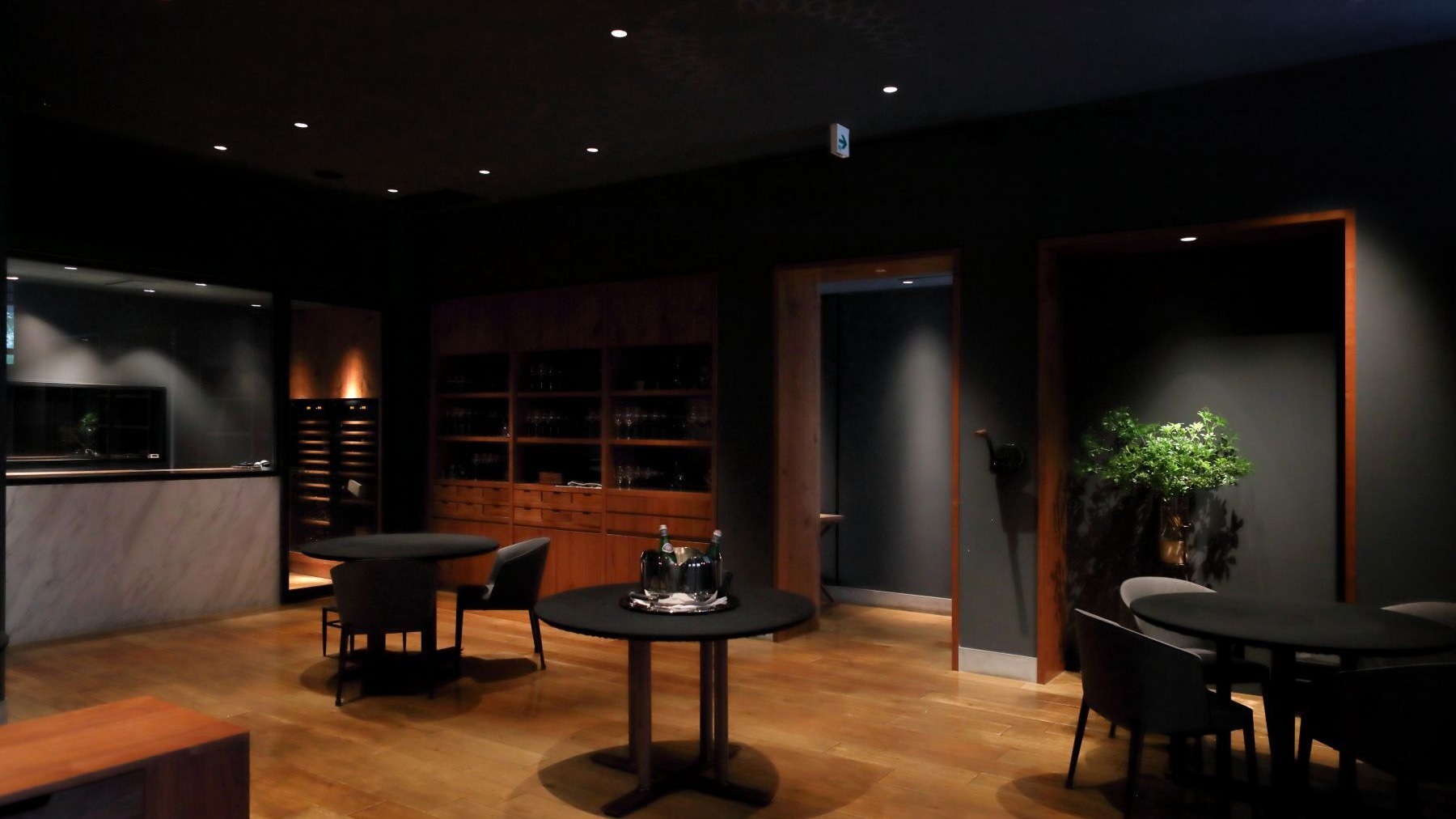
Modern French with Japanese Ingredients
La Cime
Osaka, Japan
★★ · 50 Best
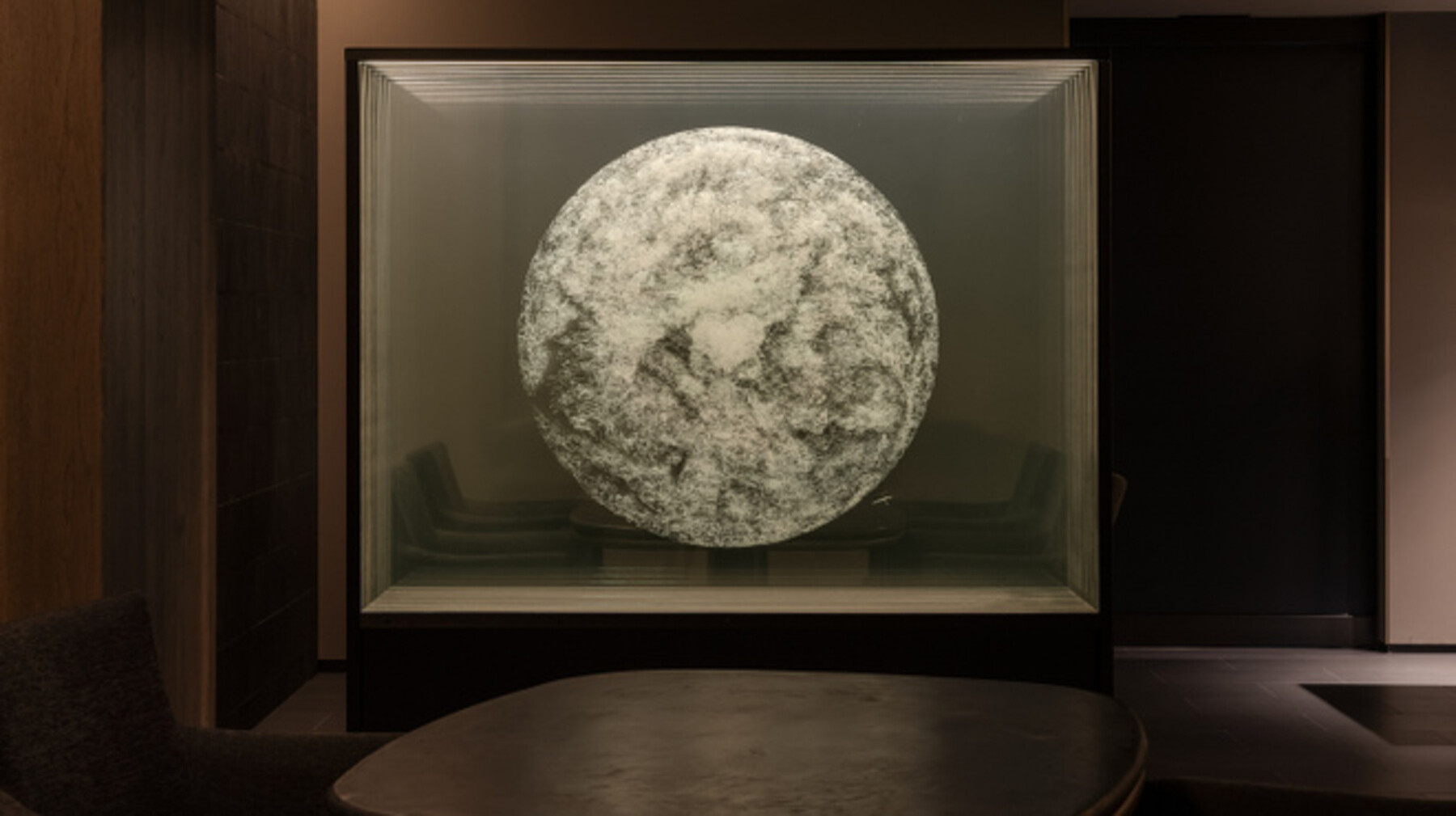
Avant-Garde Japanese Fine Dining
HAJIME
Osaka, Japan
★★★ · 50 Best
Michelin-Starred Modern Cantonese
Sawada
Osaka, Japan
★
Traditional Kaiseki
Honkogetsu
Osaka, Japan
Seasonal Kaiseki Omakase
Kashiwaya Osaka Senriyama
Osaka, Japan
★★★
Traditional Japanese Kaiseki Omakase
Taian
Osaka, Japan
★★★