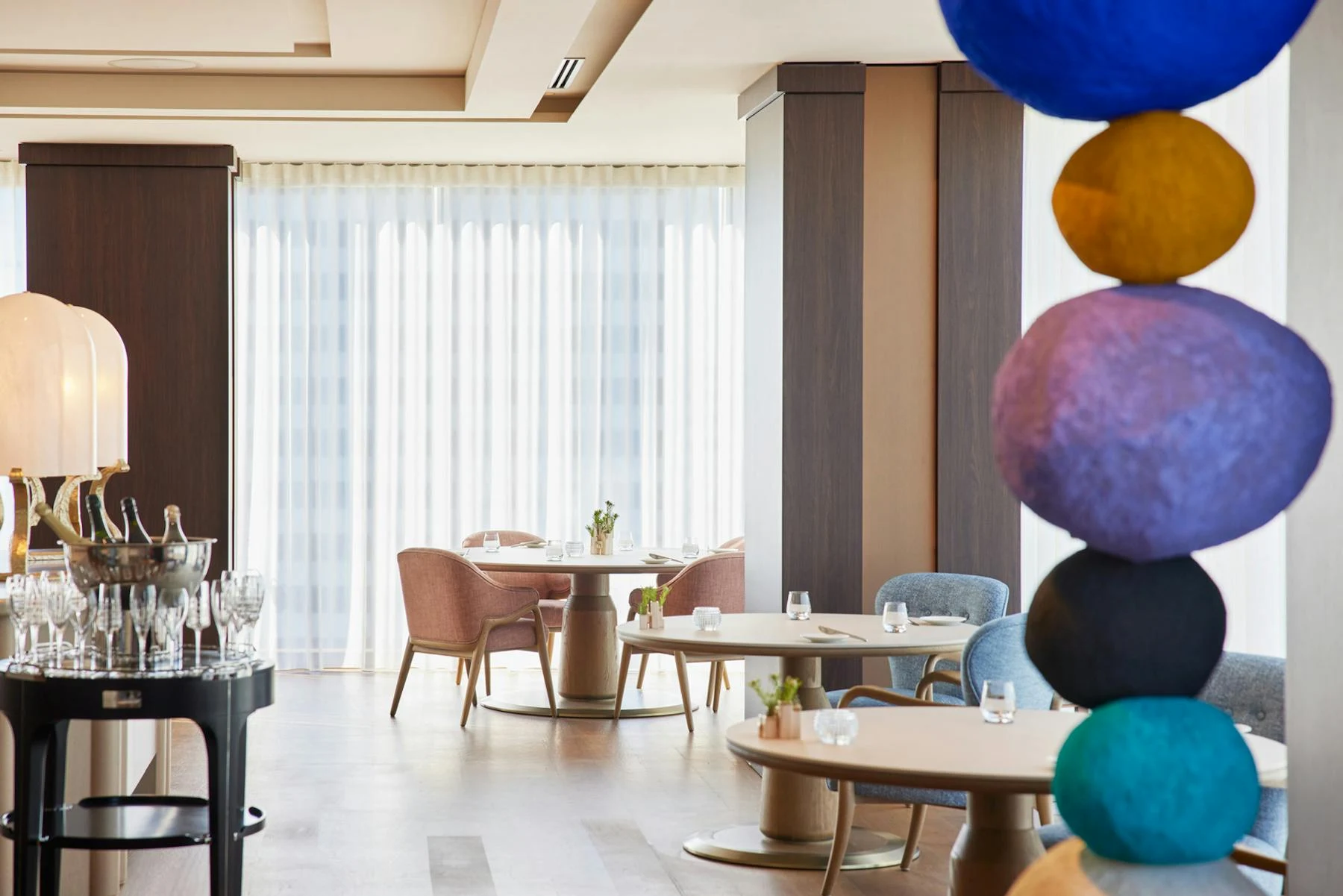
Yoroniku Azabudai Hills
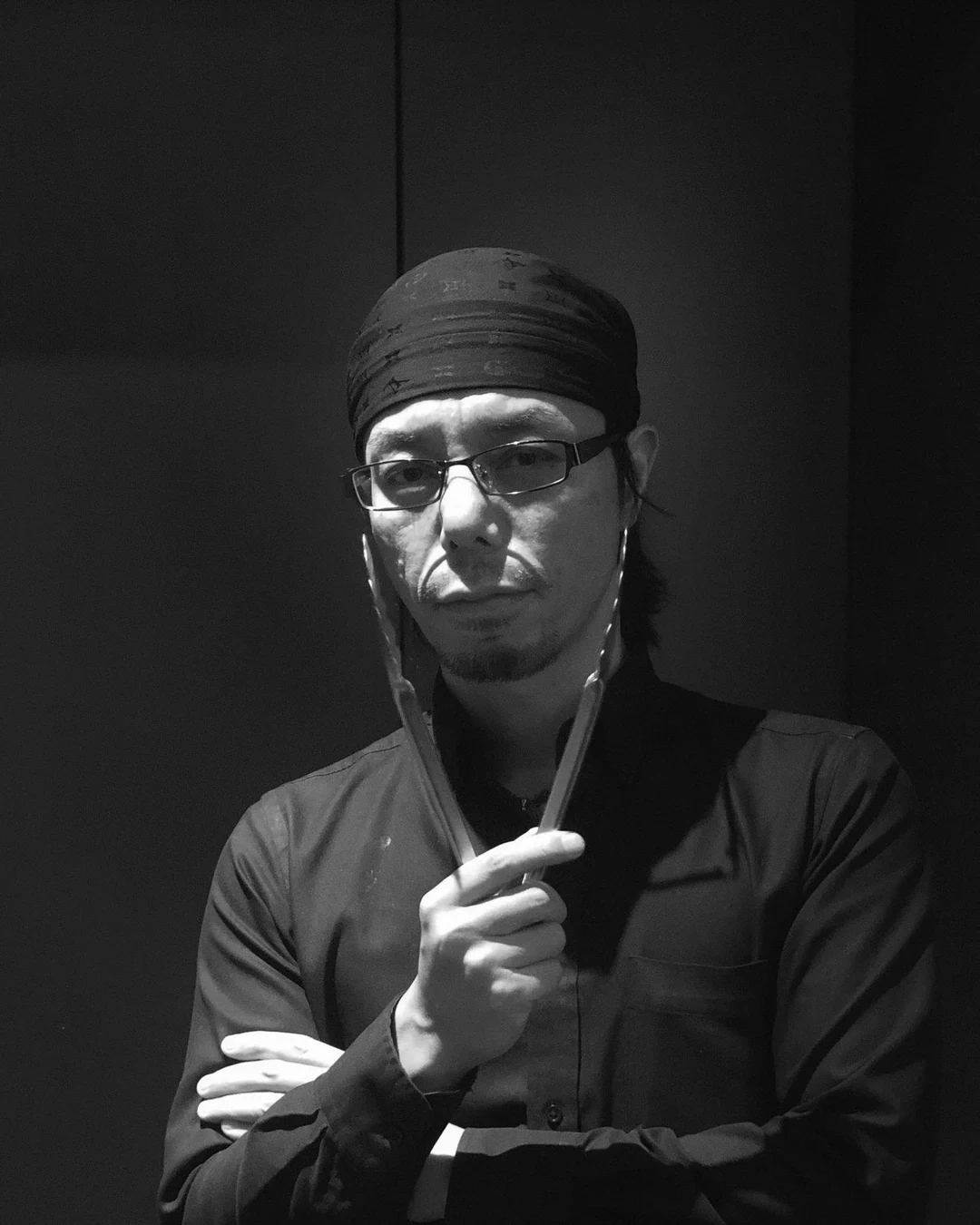
In Residence
Vanne Kuwahara
Chef
- 01CuisineModern Wagyu Yakiniku Kaiseki
- 02CityTokyo, Japan
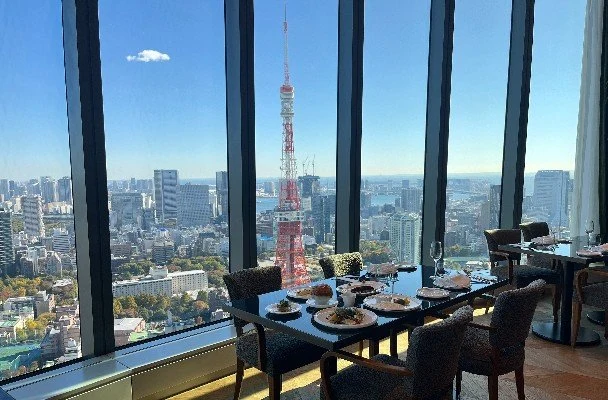
- Tabelog Silver #159: 4.4pts · 2026
- Opinionated About Dining Top Restaurants in Japan Ranked #109 · 2026
- Opinionated About Dining Top Restaurants in Japan Ranked #189 · 2025
- Tabelog 100 #6: 4.3pts · 2025
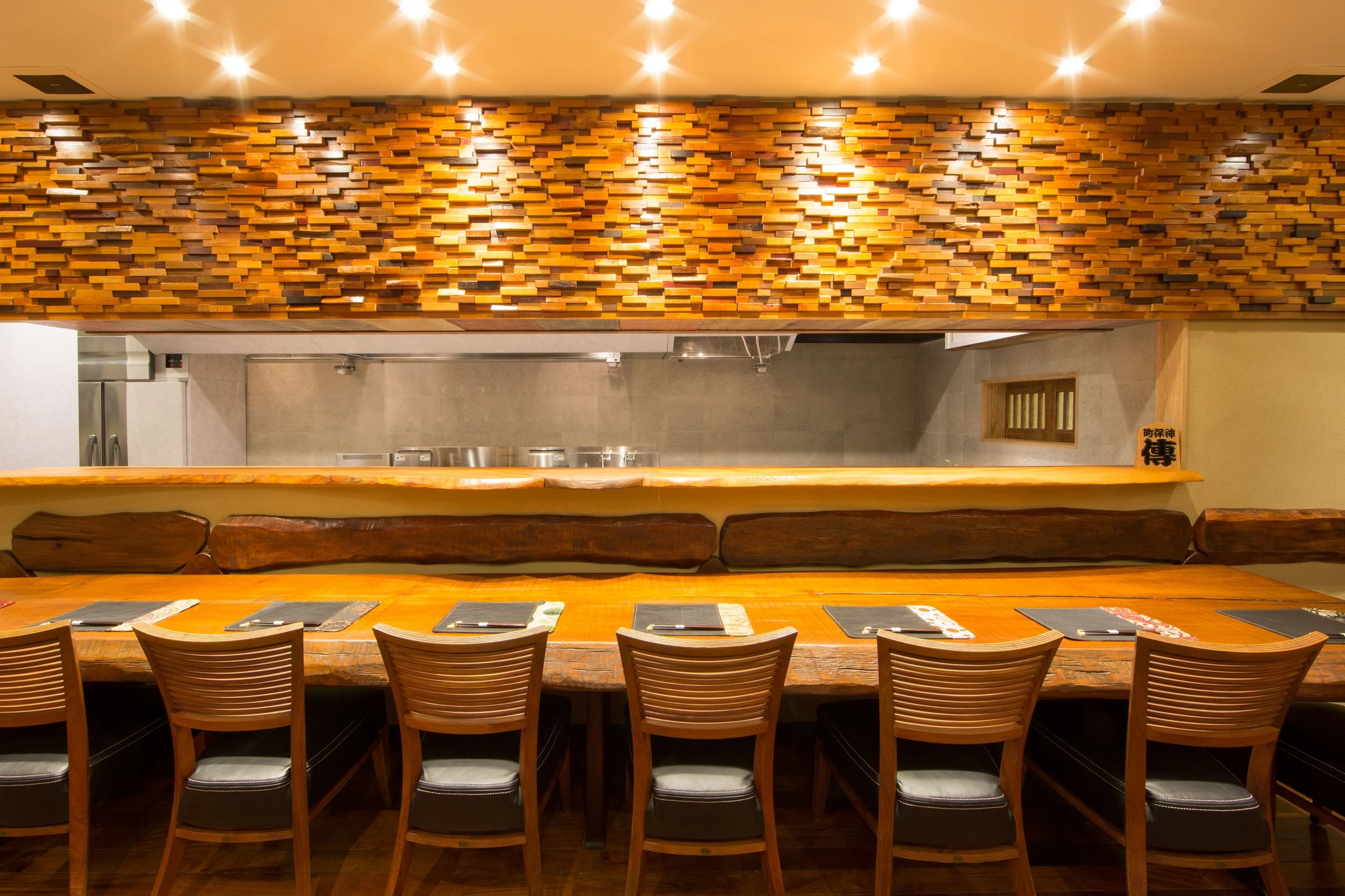
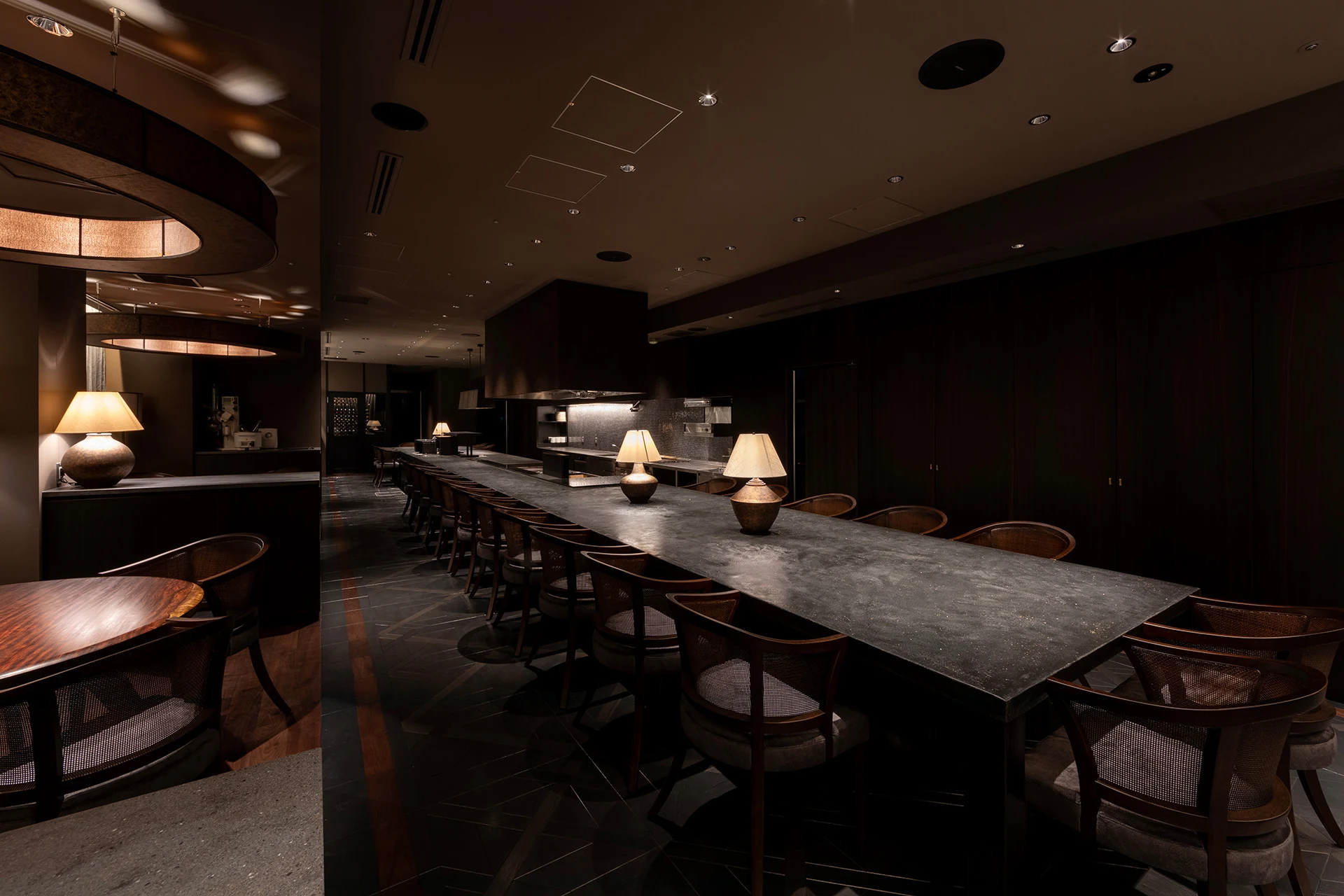
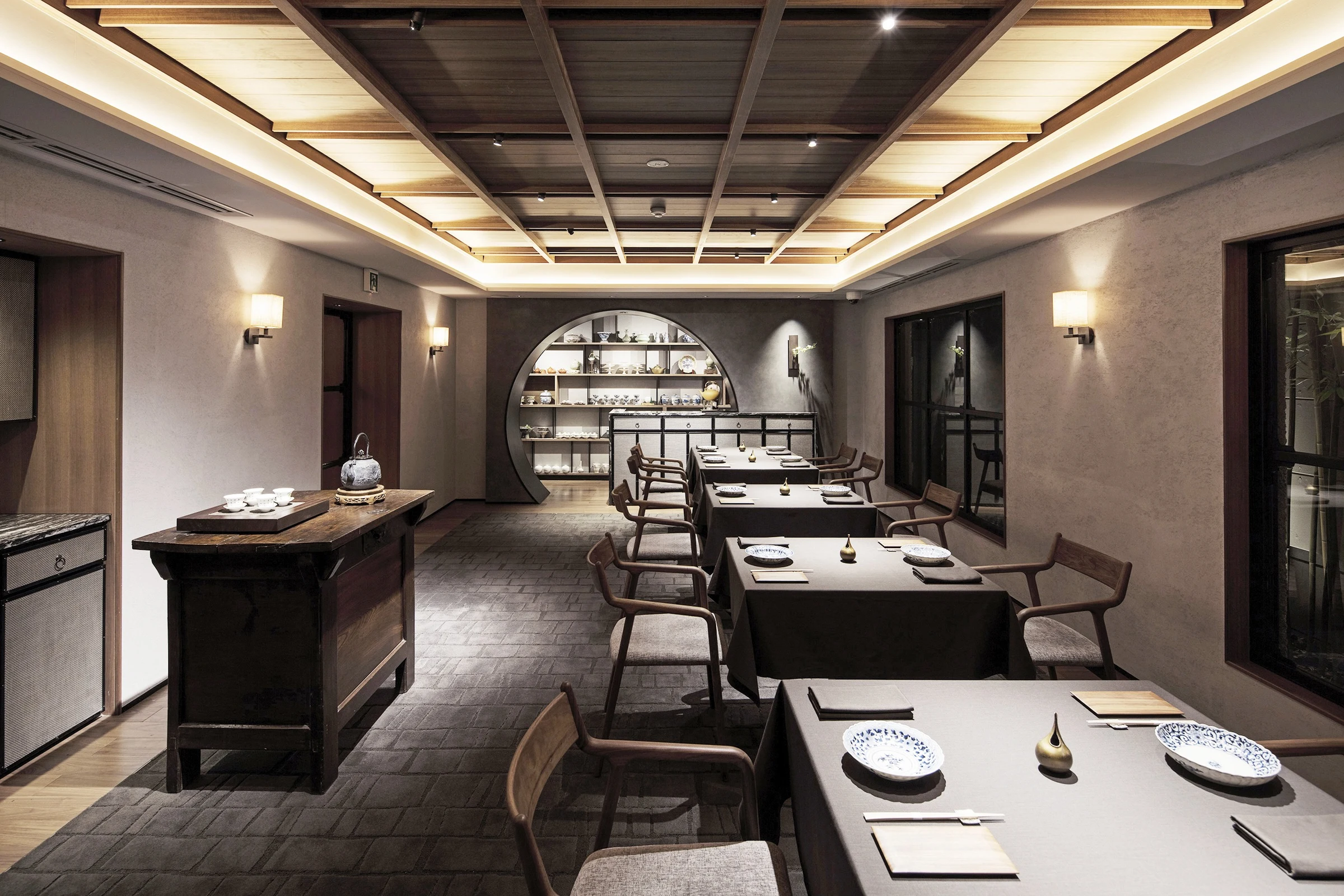
Yoroniku Azabudai Hills changes the register of a Tokyo dinner. Instead of leaning on bustle, noise, and table-to-table energy, it gives the evening a cleaner architectural frame: measured pacing, polished service, and a room where the meal reads less as a loose sequence of orders than as a composed dinner. In Tokyo, premium dining has split across many moods: one track remains democratic, noisy, and casual; the other has moved toward more formal progression, wine, private-dinner poise, and service choreography once associated with the city’s most exacting rooms.
Yoroniku Azabudai Hills belongs firmly to the second track. Its recognition is meaningful: Opinionated About Dining included it in its 2026 Japan restaurant coverage, giving list-following diners a useful signal beyond local word of mouth. In a city where serious meals are judged by product handling, timing, pacing, and how much the guest must manage, that signal places it among Tokyo’s more considered rooms. The format, as experienced by diners, confirms the broader idea: a polished dinner setting for business meals, visiting diners, and local regulars who want the pleasure of a structured evening without surrendering the night to improvisation.
Yoroniku Azabudai Hills turns a Tokyo dinner into a controlled dining format
Tokyo’s premium dining scene has never been one category. Some restaurants represent the cult of rarity and hard-to-secure seats; others carry an old-school aura serious local diners understand without translation; Cossott’e, Raimon, Ushigoro S NishiAzabu, Ushimatsu, Yakiniku Ten, and Yoroniku Azabudai Hills offer different readings of room, service, and occasion. Yoroniku Azabudai Hills shifts the conversation by placing this kind of meal inside a contemporary Tokyo frame where dinner meets polished fine-dining expectations rather than loose neighborhood energy.
That shift changes how the experience reads. More casual formats ask diners to accept speed, noise, and self-directed rhythm as part of the fun. The refined Tokyo version reduces friction. The table remains social, but the meal follows a course-like logic rather than a free-form order. The useful way to understand Yoroniku Azabudai Hills is not as a simple translation for visitors, but as Tokyo dining adopting the grammar of a more formal Japanese dinner.
The larger point is technical repetition: preparation, seasoning, timing, and calibrated richness. A premium meal can collapse into heaviness when every moment pushes intensity. The better high-end versions build contrast through progression, portioning, and service discipline. That is the standard Yoroniku Azabudai Hills appears designed to pursue.
How it compares inside Tokyo's dining hierarchy
The city’s hierarchy for serious dining is nuanced. Some rooms draw diners for reservation rarity, some for nostalgia, some for craft, and some for the assurance that a business dinner will run cleanly from first plate to final bite. Yoroniku Azabudai Hills sits in the last two categories: a considered meal, structured service, and a setting designed to remove anxiety. That practicality matters when a Tokyo dinner is meant to feel premium, organized, and reliable rather than improvised.
Recognition clarifies the competitive set. Opinionated About Dining’s 2026 Japan coverage adds an international dining-obsessive signal for travelers who follow lists beyond the most familiar guidebooks. That distinction does not tell a diner what a bite tastes like, or substitute for preference. It does confirm that the restaurant is being considered against serious peers rather than treated as ordinary convenience dining.
For visitors building a Tokyo food itinerary, the comparison is not only with other specialist rooms but with where to spend a premium dinner slot. Some counters offer intimacy and seasonality; other formal rooms rhythm, precision, and ceremony. A polished dinner at Yoroniku Azabudai Hills offers structure, comfort, and control. In Tokyo, that pleasure fits easily into a broader evening, especially for diners pairing dinner with other unnamed city bars, hotels, or cultural programming. For broader planning, Our full Tokyo restaurants guide, Our full Tokyo hotels guide, Our full Tokyo bars guide, Our full Tokyo wineries guide, and Our full Tokyo experiences guide give the meal its proper city context.
The reader decision: polished Tokyo dinner, not casual night out
The right diner wants a dinner with order. The room suits a controlled, polished meal, a client dinner, or a visitor’s first serious Tokyo restaurant experience when structure and service have practical value. It is less suited to diners chasing crowded neighborhood energy, where smoke, speed, and informality are the appeal. Premium dining is not simply a more expensive version of a casual night out. It asks diners to value sequencing, service, and product handling as much as abundance.
Japan’s broader restaurant culture has many forms, from regional traditions to accessible casual formats and highly specialized local rooms. Tokyo’s premium version is narrower and more exacting. It rewards diners who care how a meal is portioned and paced, not only how much reaches the table. Yoroniku Azabudai Hills should be understood within that more precise Tokyo context rather than as a catch-all example of Japanese dining.
The Tokyo setting sharpens that identity. Contemporary Tokyo can package dining, design, offices, residences, and international visitor flow into a single polished urban experience. That can make restaurants feel interchangeable. Here, the setting gives the restaurant a useful new container: less nostalgic than classic rooms, more formal than the casual table, and easier for many visitors to understand than some specialist counters. Diners comparing Tokyo options should decide whether they want old local texture or a cleaner expression of the category. Yoroniku Azabudai Hills makes the second case clearly.
For readers mapping a longer Japan itinerary, the contrast is instructive. Tokyo’s serious restaurants sit within a national dining field that ranges from casual everyday meals to highly personal counters and destination restaurants. Against that spread, Yoroniku Azabudai Hills is not trying to represent all Japanese dining. It represents a specific Tokyo move: taking a participatory dinner tradition and refining it into a polished, award-recognized format built around pacing, service, and control.
Questions
Frequently asked
Who works at Yoroniku Azabudai Hills?
Made By profiles Vanne Kuwahara (Chef) at Yoroniku Azabudai Hills.
How expensive is Yoroniku Azabudai Hills?
Yoroniku Azabudai Hills is listed at a price level of $$$$.
Where is Yoroniku Azabudai Hills and what does it serve?
Yoroniku Azabudai Hills is in Minato, Tokyo, serving Modern Wagyu Yakiniku Kaiseki.
The field
How it compares
| Place | Cuisine | Notes | Awards |
|---|---|---|---|
| Yoroniku Azabudai Hills | Modern Wagyu Yakiniku Kaiseki | Minato, $$$$ | · |
| Den | Modern Japanese Kaiseki | Tokyo | Michelin 2 Stars, World's 50 Best |
| Florilège | Modern French-Japanese Plant-Based Fine Dining | Tokyo | Michelin 2 Stars, World's 50 Best |
| Narisawa | Modern Japanese Satoyama Fine Dining | Tokyo | Michelin 2 Stars, World's 50 Best |
| Quintessence | Modern French Fine Dining | Tokyo | Michelin 3 Stars |
| Sazenka | Modern Chinese Fine Dining | Tokyo | Michelin 3 Stars, World's 50 Best |
| Sézanne | Modern French Fine Dining | Tokyo | Michelin 3 Stars, World's 50 Best |
In residence
Similar places
Modern Japanese Kaiseki
Den
Tokyo, Japan
★★ · 50 Best
Modern French-Japanese Plant-Based Fine Dining
Florilège
Tokyo, Japan
★★ · 50 Best
Modern Japanese Satoyama Fine Dining
Narisawa
Tokyo, Japan
★★ · 50 Best
Modern French Fine Dining
Quintessence
Tokyo, Japan
★★★
Modern Chinese Fine Dining
Sazenka
Tokyo, Japan
★★★ · 50 Best
Modern French Fine Dining
Sézanne
Tokyo, Japan
★★★ · 50 Best