Zhong
- 01CuisineHuaiyang Cuisine
- 02CityBeijing, China
Seven tables for Huaiyang craft
- Michelin Bib Gourmand · Michelin Guide
- Michelin Bib Gourmand · 2025
- Michelin Bib Gourmand · 2024
One chef between bench and room
The cold platter starts at the bench before Huaiyang restraint reaches the small dining room at Zhong in Xicheng, Beijing. Chef Zhong, from Yangzhou, works a station that is not separated from the guest by much ceremony. The restaurant opened in 2020 in a converted courtyard house on Gulou West Street, and its scale keeps the work close: seven tables, a small sign, a kitchen built around hometown dishes from Yangzhou and the discipline they require.
What can be said with confidence is the shape of the work: a restaurant whose identity rests on traditional Huaiyang cooking rather than on a broad regional survey, with the chef personally serving his hometown delicacies. The house’s public story gives little by way of apprenticeship, predecessor, or formal training, and the visible structure of the work remains. At Zhong, the maker’s authority comes through direct execution, not hierarchy. The same hands that decide the cut and the heat also shape the pace of the room, a model closer to a small craft workshop than a Beijing dining group.
Yangzhou delicacy by knife and heat
Huaiyang cuisine asks for exactness without weight. At Zhong that means fresh ingredients, clean sauces, and the kind of knife work that lets texture carry the dish before seasoning announces itself. The wine lees-marinated cold appetiser platter brings green soybeans, shrimps, duck tongues, and abalone into the first pass of aroma and chill, using fermentation as lift rather than cover. It is a quiet opening move. The kitchen then turns to sautéed shredded swamp eel, where the craft sits in the cut, the heat of the wok, and the short window before the eel loses its bounce.
The format is à la carte, which matters here because the kitchen can keep the program rooted in dishes rather than sequence. Dim sum, lacquered meats, vegetable plates, clear broths, and lightly glossed proteins all belong to the same discipline: restraint, freshness, and texture held in balance. Zhong carries Michelin Bib Gourmand recognition, with two awards recorded, but the number is best understood as a marker around the work, not the work itself. The method remains traditional, scaled to a room where the chef can still feel the timing of each table from the pass.
A courtyard room kept close
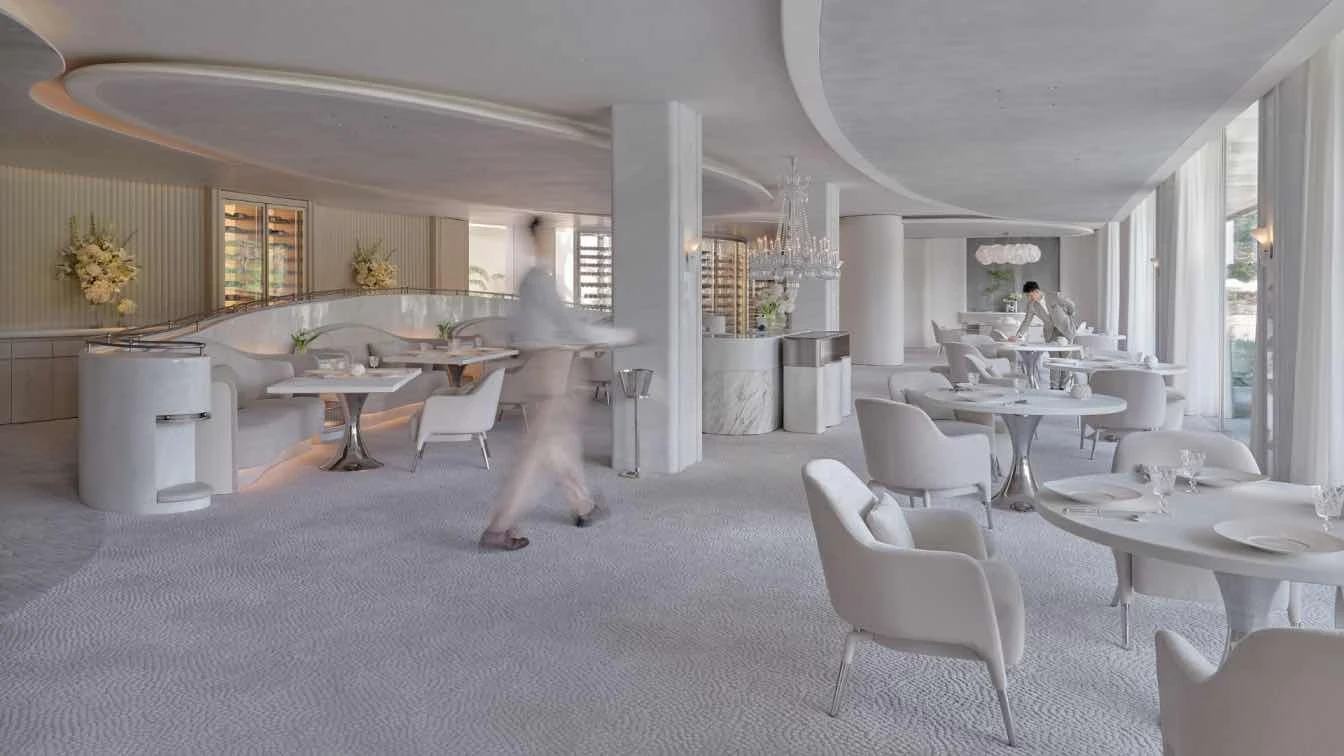
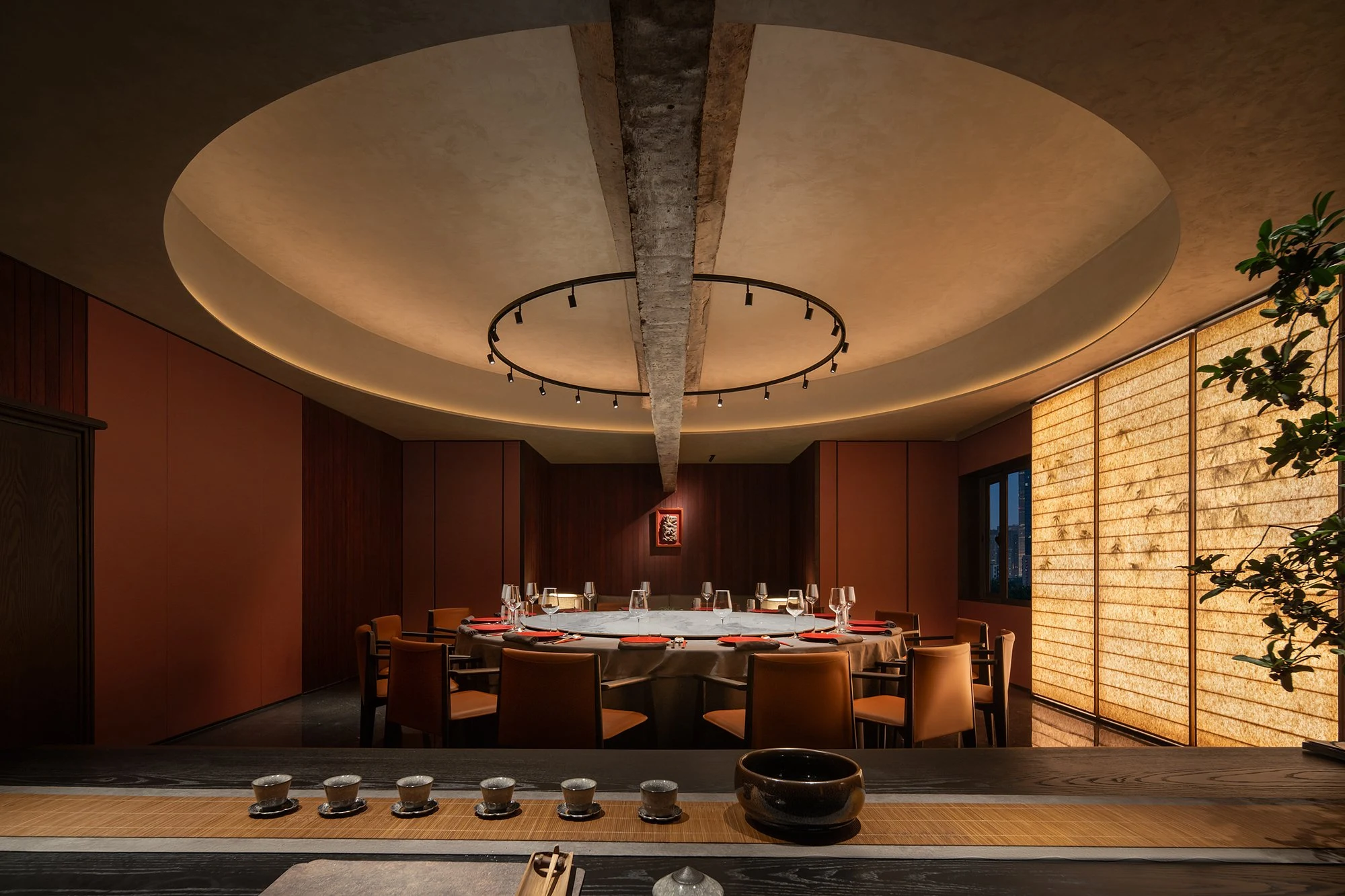
The room is intimate, quiet, and tucked away inside the converted courtyard house, with Beijing’s older domestic architecture doing more of the atmosphere than decoration could. There is no need for theatrical lighting or a loud open kitchen vocabulary. The counter, the pass, and the tables sit within a small orbit, so the movement of service feels bench-side: a dish leaves the station, crosses a few steps, and lands before its steam has thinned.
That closeness suits Huaiyang cooking. A cold dish can arrive with its lees aroma intact; a stir-fry can keep the sheen it had at the wok. The minimal wine program leaves the food in the foreground, while tea and measured pairings can answer the lighter broths and perfumed fillets without forcing the room into cellar talk. The place asks the guest to attend to cut, temperature, and texture. The measure stays the same at Zhong, a plate of sautéed shredded swamp eel judged on cut, heat and timing.
Questions
Frequently asked
What kind of restaurant is Zhong?
Zhong is a seven-table restaurant in Beijing serving Huaiyang cuisine, with a focus on traditional Yangzhou dishes and a calm, restrained style of cooking.
What is Zhong known for?
The kitchen is known for exact knife work, fresh ingredients, clean sauces, and dishes such as the wine lees-marinated cold appetiser platter and sautéed shredded swamp eel.
Does Zhong have any recognition?
Zhong carries Michelin Bib Gourmand recognition.
Is booking required at Zhong?
Reservations are essential at Zhong.
What is the dining room like at Zhong?
The restaurant is set in a converted courtyard house, and the small room keeps the service close to the cooking, with the chef personally serving his hometown dishes.
The field
How it compares
| Place | Cuisine | Notes | Awards |
|---|---|---|---|
| Zhong | Huaiyang Cuisine | Beijingzhan, $$ | · |
| Blackswan | Modern French Fine Dining | Beijing | Michelin 1 Star |
| Chao Shang Chao (Chaoyang) | Modern Teochew (Chaoshan) Fine Dining | Beijing | Michelin 3 Stars |
| Chef 1996 | Refined Sichuan Fine Dining | Beijing | World's 50 Best |
| Jing | Modern French with Asian Influences | Beijing | Michelin 1 Star |
| King's Joy | Modern Vegetarian Chinese Fine Dining | Beijing | Michelin 2 Stars |
| Lamdre | Modern Plant-Based Chinese Vegetarian | Beijing | Michelin 1 Star, World's 50 Best |
Similar places
Modern French Fine Dining
Blackswan
Beijing, China
★
Modern Teochew (Chaoshan) Fine Dining
Chao Shang Chao (Chaoyang)
Beijing, China
★★★
Refined Sichuan Fine Dining
Chef 1996
Beijing, China
50 Best
Modern French with Asian Influences
Jing
Beijing, China
★
Modern Vegetarian Chinese Fine Dining
King's Joy
Beijing, China
★★
Modern Plant-Based Chinese Vegetarian
Lamdre
Beijing, China
★ · 50 Best