Chef
Carlos Barroz
- Discipline
- Chef
i. Biography
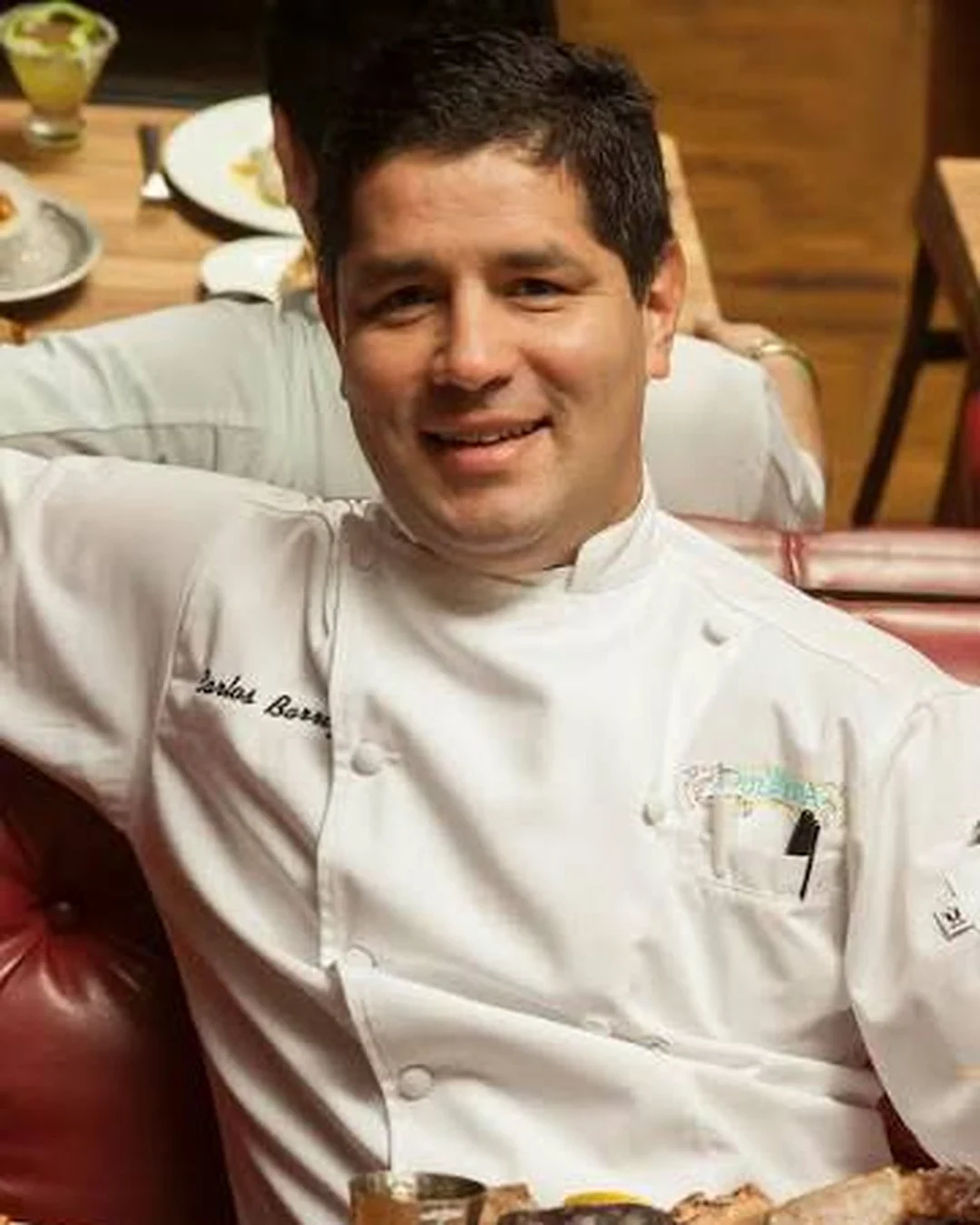
New York City gives Carlos Barroz a hard, useful contrast: fire and beef on one side, seafood, corn, squash, peppers, and pasta on the other. The Argentine-born chef works from materials that carry memory—wood-fired parrilladas, premium imported steaks, mollejas, fresh corn, potatoes, onions, pimentón de la vera—and brings them into the kitchen as Executive Chef of Palermo Argentinian Bistro in New York City.
The Place Barroz is Argentine, and his cooking keeps returning to Argentine steak and barbecue traditions. At Palermo Argentinian Bistro, that means a menu built around traditional wood-fired parrilladas, premium imported steaks, unique Latin American-inspired dishes, and downtown pasta and salad offerings. His career has also run through La Pulperia in New York City, where he was a co-owner. In Hell’s Kitchen, his cooking there was described as simple yet refined cuisine from Latin American countries with European influences from Italy and Spain. On the Jersey Shore, Barroz was chef/owner of Quahog's Seafood Shack in Stone Harbor, New Jersey, and chef/owner of Taco Shack in the same town. Those roles sit naturally beside the La Pulperia side of his work: rustic Latin American fare and signature seafood dishes, handled without unnecessary ornament.
The Method The center of his kitchen language is heat applied with restraint. At Palermo Argentinian Bistro’s Gramercy location, Barroz introduced parrilla-grilled seafood prepared with attention and simplicity alongside traditional Argentinian cuisine such as premium steaks, seasonal vegetables, housemade pastas, and classic dishes. That method does not treat fire as spectacle. It uses the grill to clarify: seafood stays direct, steak remains the main argument, vegetables keep their season, and pasta gives the table a softer counterpoint to smoke and char. His Latin American cooking also carries European influence from Italy and Spain, a thread visible in dishes that move between corn, squash, peppers, potatoes, onions, mozzarella, aioli, and pimentón. The result is not a break from Argentina, but a broader map of the foods and techniques that have shaped his restaurants.
The Range Three dishes show the range clearly. Mollejas are lightly battered and fried sweetbreads served with butternut squash purée and salsa criolla, a plate that moves from crisp exterior to offal richness to the acidity of the condiment. Humita en Olla works in a different register: a creamy fresh-corn dish with onions, roasted red peppers, butternut squash, mozzarella, and pimentón de la vera. It has been described as similar to an Argentinian take on Italian polenta, which fits Barroz’s habit of letting Latin American and European references sit together on the plate. Tortilla de Papas brings Spain into the room more directly. The traditional omelet of potatoes and onions is served in quarters with píquillo pepper aioli, simple in structure and clear in flavor. Across these kitchens, Barroz’s work moves between parrilla, seafood, rustic Latin American fare, and handmade comfort. The through-line is concrete: meat over fire, seafood handled plainly, corn and squash used generously, and European technique folded into Argentine memory.
FAQ What style or method defines Carlos Barroz's work? His work is defined by Argentine steak and barbecue traditions, especially wood-fired parrilladas, alongside Latin American cooking with Italian and Spanish influences. What are Carlos Barroz's signature releases or dishes? His signature dishes include mollejas with butternut squash purée and salsa criolla, Humita en Olla, and Tortilla de Papas with píquillo pepper aioli. What is Carlos Barroz known for making? He is known for Argentine steak and barbecue traditions, Rustic Latin American fare, signature seafood dishes, parrilla-grilled seafood, premium steaks, seasonal vegetables, housemade pastas, and classic dishes.


