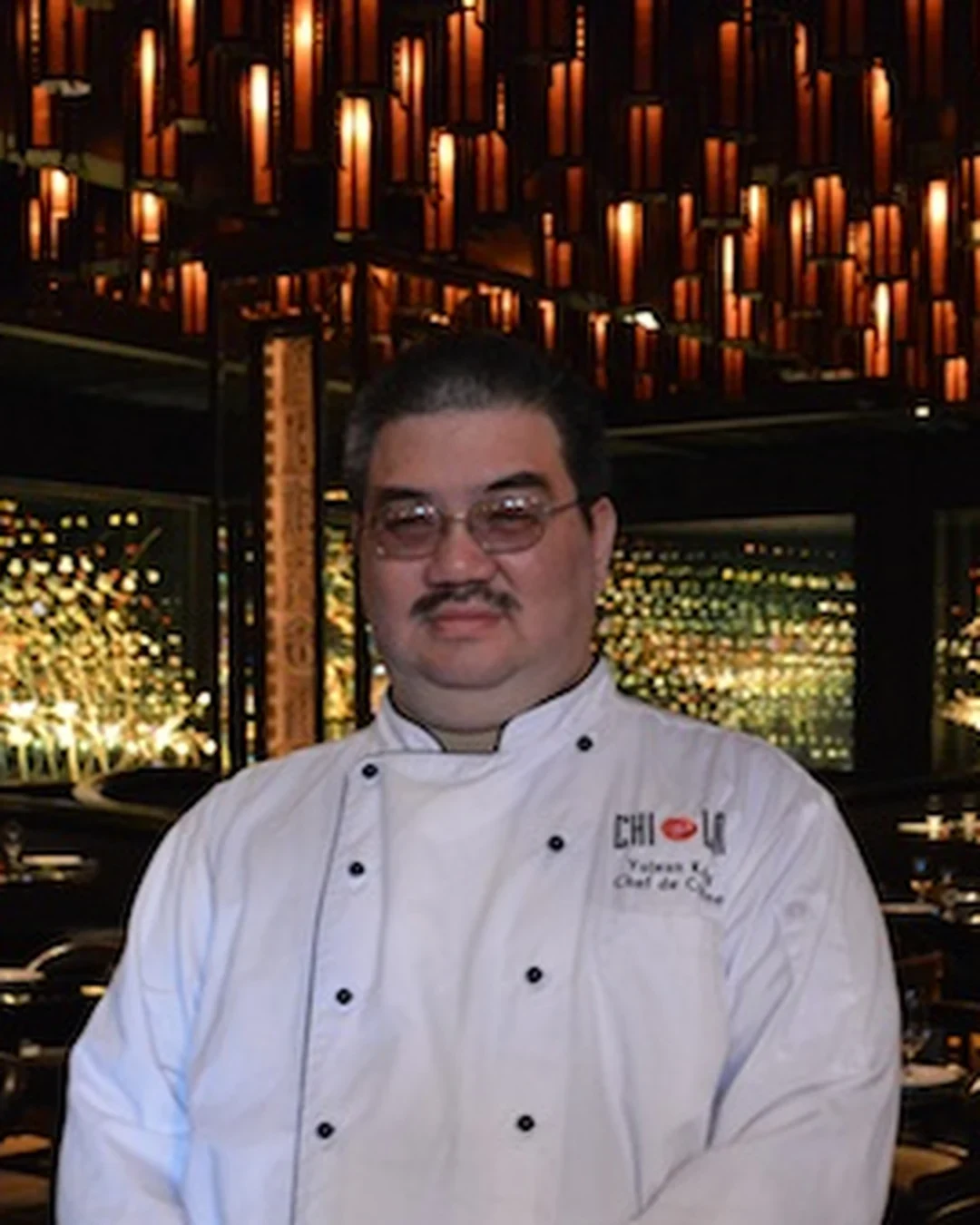
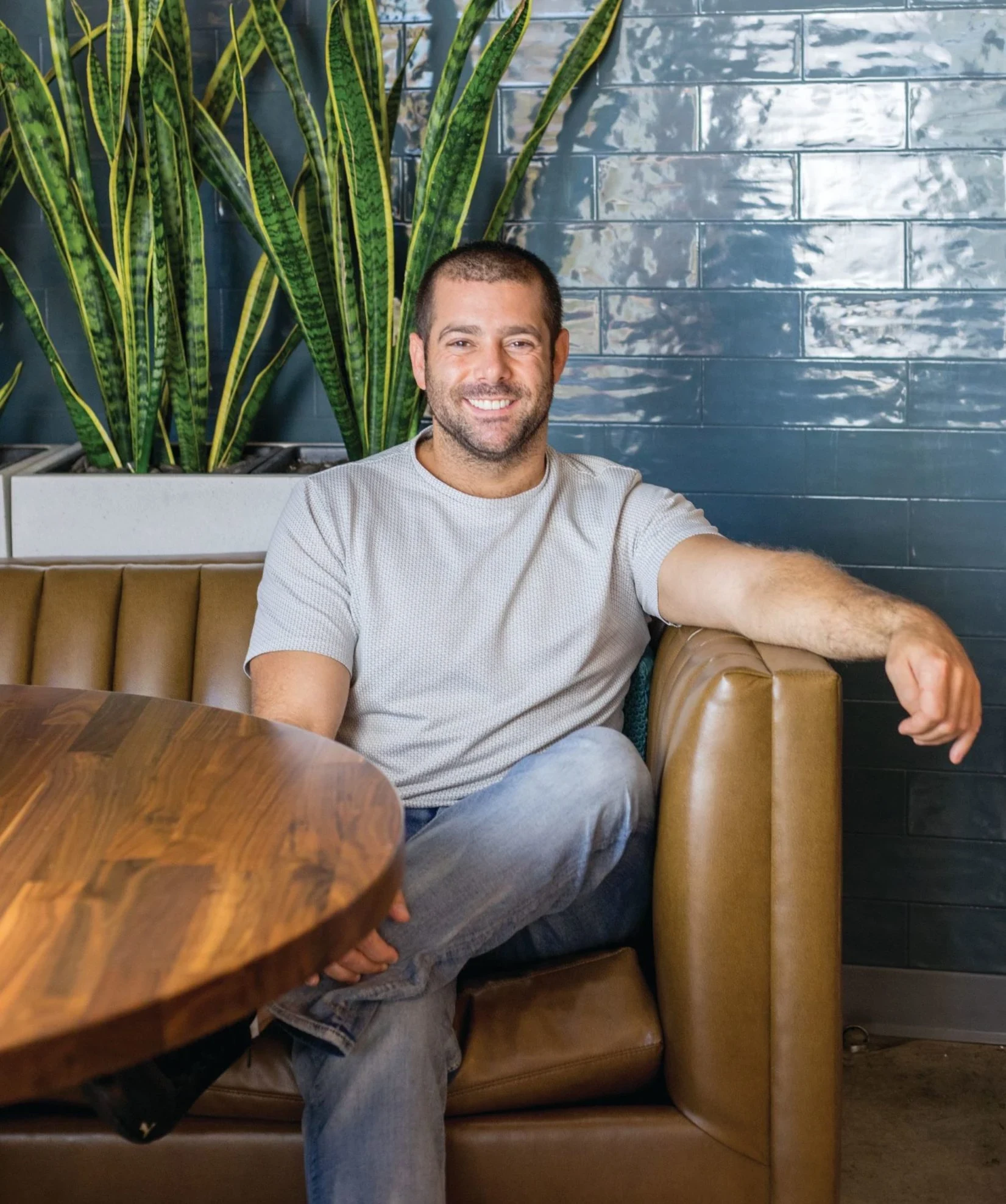
Portrait of Changki Kang
i. Biography
Owner-chef practice at Odre in New York, NY, is built on Korean home cooking as a working discipline rather than a reference point. In Changki Kang’s kitchen, Traditional Korean food is reinterpreted through New York seasonal ingredients, with family traditions, nostalgic childhood memories in Korea, and gamasot cauldron cooking setting the frame. The restaurant received a Michelin Bib Gourmand for that approach. Korean meal structure carries the work at Odre: rice with purpose, soup with clarity, banchan with range, and deeper savor built through restrained handling of ingredients. Kang’s cooking keeps the table rooted in Korean tradition while adjusting it to the present season, so memory and technique remain active rather than decorative.
The Sunday letter
Read Made By's new profiles every Sunday.
Meet the chefs, winemakers and sommeliers behind the places we cover. See a sample below before you subscribe.
See a sample of the Sunday emailOne email a week. Unsubscribe from any issue.
The Climb
Korean flavor and technique were developed through repeated service in kitchens including Her Name is Han, Chodanggol, and Take31, where Changki Kang honed the fundamentals of heat, acidity, fermentation, texture, and meal balance. The training ground was not a single showpiece dish but the Korean table as a system, where many elements have to speak to one another. Contemporary Korean heritage work became part of the craft through Onjium in Seoul, where Kang was a founding member. The path then moved to Europe, where he served as chef at Korean Embassy in Vienna, before returning to restaurant development as menu research and development lead at HAND Hospitality. Restaurant craft, cultural representation, and research and development each require a different standard of execution. Those roles gave Kang experience with everyday Korean appetite, formal representation of Korean food, and the conversion of ideas into repeatable dishes. Today, Changki is Executive Chef of Odre (since 2024), applying that accumulated discipline to a seasonal Korean prix-fixe table.
Today
Seasonal Korean prix-fixe cooking at Odre in New York, NY, draws from family traditions and nostalgic childhood memories in Korea. In Changki Kang’s hands, home cooking is translated into an upscale format through pacing, temperature, texture, and taste, without treating tradition as fixed or ornamental. Gamasot, or cauldron cooking, gives the restaurant one of its clearest technical anchors. The large Traditional Korean iron pot is used for preparing dishes such as stews, soups, and rice. In Kang’s dining room, that vessel gives weight to the meal: rice functions as a central preparation, soup carries structure, and stew shows the depth that comes from Korean technique handled with patience. Banchan has a defined role within Bansang, which includes rice, soup of the day, and six seasonal banchan across categories including jangajji, jjim, kimchi, saengchae, jorim, and namul. The format lets Kang work in small, exact registers: pickled, braised, fermented, fresh, seasoned, and softened by time. The result is generous without excess and refined without losing the home-style logic of the table. The prix-fixe includes Cuttlefish Hwe, Shrimp Jeon, Spicy Beef Jjim, and Bansang. These dishes keep several Korean textures and temperatures in play: raw preparation, jeon, jjim, rice, soup, and banchan. The cooking is Home-style Korean fare presented in an upscale format, seasonally driven, rooted in Korean tradition, and measured by the calibrations that matter in this cuisine: temperature, texture, and taste.
In Their Words “I decided to become a chef simply because I love to cook and eat.”
Career - Executive Chef — Odre, East Village, New York, NY (2024–present) - Founding member — Onjium, Seoul - Chef — Korean Embassy, Vienna - Menu research and development lead — HAND Hospitality Education: Her Name is Han; Chodanggol; Take31
Recognition
Recognition for this Korean table includes Michelin Bib Gourmand, Top Restaurants in NYC (2025), and Best New Restaurants.
FAQ What is Changki Kang's current role? Changki Kang is Owner-chef. Where did Changki Kang train or study? Changki Kang trained at Her Name is Han and
The Sunday letter
Get the next Made By profile in your inbox.
We send one email every Sunday morning with the people we profiled that week.
See a sample of the Sunday emailOne email a week. Unsubscribe from any issue.