i. Biography
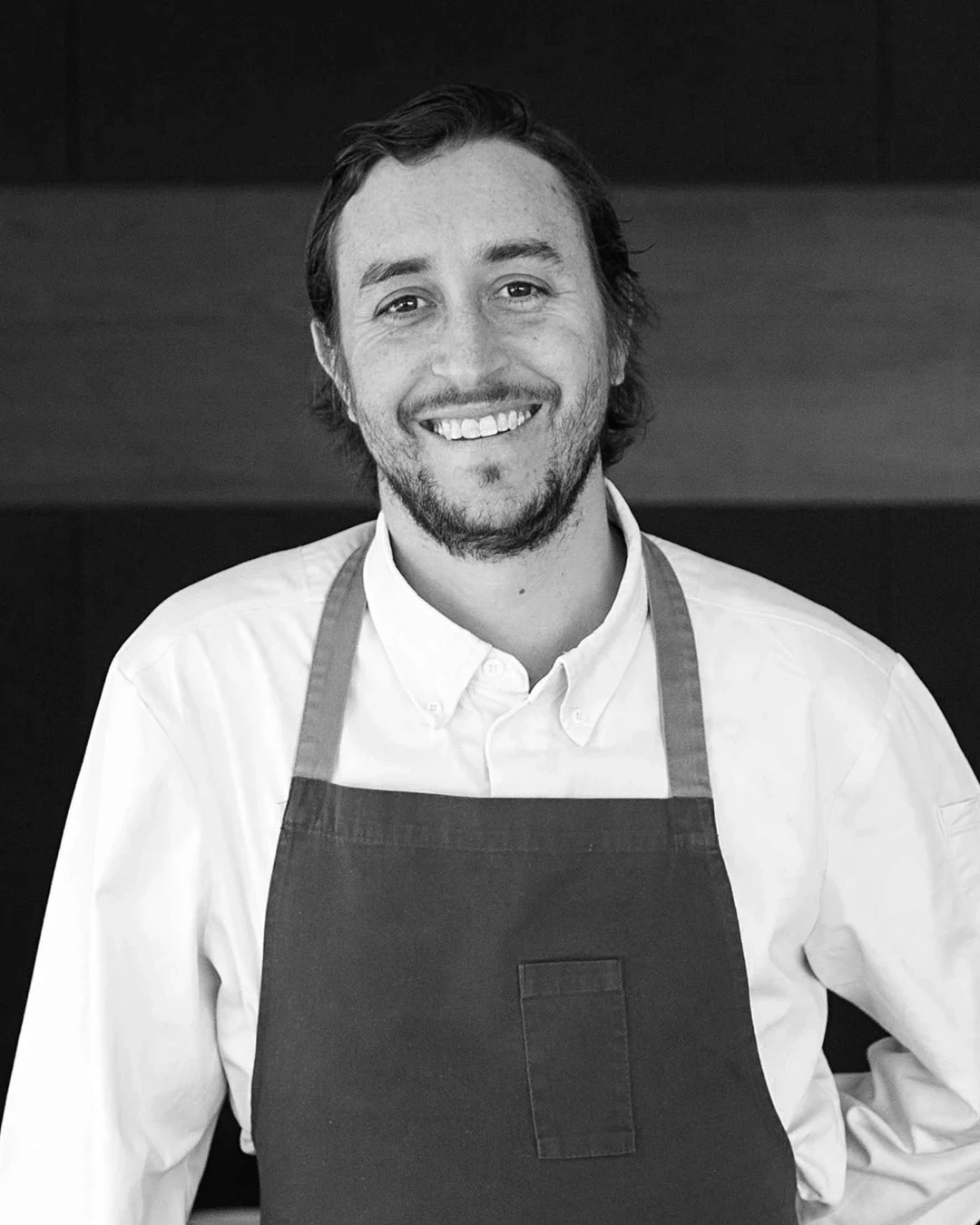
Formation in fine dining often moves through discipline before authorship: the apprentice bench, the senior station, the small room where every choice is exposed, then a dining room with enough time to develop its own grammar. In Daniel Puskas’s case, that sequence ran through Tetsuya’s, Marque, Sepia, Oscillate Wildly and Sixpenny, with restraint and precision carrying through the line.
Career Arc
Apprenticeship at Tetsuya’s from 2002 placed Daniel Puskas inside a kitchen culture where timing, focus and composure were part of the craft, not separate from it. The early training was in detail and consistency: the work that sits behind clean service and controlled plates. Senior kitchen roles at Marque and Sepia extended that formation through different pressures. As chef at Marque and sous chef at Sepia, Daniel Puskas worked within Sydney’s serious dining field while broadening the technical range expected of a cook moving from execution toward judgement. Head chef work at Oscillate Wildly in Newtown from 2007 brought the craft closer to authorship. In a smaller, more exposed setting, Daniel Puskas developed an ingredient-led, pared-back style: dishes built to read clearly without losing flavour or generosity. Restaurant authorship has required longer discipline than any single role. Since 2012, Daniel Puskas has been co-founder; chef and owner of Sixpenny, a dining room where apprenticeship, responsibility and experimentation have been consolidated into a sustained practice.
Today
Modern Australian and Contemporary Australian tasting menus at Sixpenny in Stanmore, Australia, are built around place, season and producer relationships. Since 2012, Daniel Puskas has worked there as co-founder, chef and owner, within a three-hatted Sydney fine dining address where luxury is expressed through concentration, reduction and tight editing rather than ornament. Producer-led menu development at Sixpenny depends on local suppliers, growers and producers. Daniel Puskas and Tony Schifilliti work with small-scale farmers, fishermen and producers to build a narrative around Australia, with the tasting menu moving with the seasons rather than a fixed script. Fermentation functions as part of the Sixpenny pantry rather than as a garnish. Koji is central to fermented pastes and sauces used for savoury, umami depth, while Daniel Puskas also pickles, smokes and ferments ingredients, including some he grows himself. The technique supports acidity, smoke and savouriness without crowding the plate. Minimal plating at Sixpenny is tied to maximum extraction of flavour from each ingredient. That method can be seen in a gougere filled with gouda and sweet chutney, a snack noted on the minimal, flavour-focused Sixpenny menu; in a confit pumpkin doughnut bomb finished with pumpkin seed salt, remembered for disappearing on the tongue in seconds with lasting flavour; and in venison tartare with boudin noir, baked beetroot and hazelnut, one of the ingredient-led dishes from the restaurant’s tasting menus. The through-line is precision: richness, sweetness, earthiness and texture held in service of the ingredient.
Career - Co-founder; chef and owner — Sixpenny, Stanmore (2012–present) - Apprentice — Tetsuya’s (from 2002) - Chef — Marque - Sous chef — Sepia - Head chef — Oscillate Wildly, Newtown (from 2007)
Signature
Signature dishes include Venison tartare with boudin noir.
Honors
Daniel Puskas has received Good Food Guide: Citi Chef of the Year (2018). Recognition for Daniel Puskas includes 3 hats (2026), Chef of the Year (2022), and Josephine Pignolet Young Chef award.
FAQ What is Daniel Puskas's current role? Daniel Puskas is chef at Sixpenny — Australian Contemporary. Where did Daniel Puskas work before? Earlier in their career, Daniel Puskas worked at Tetsuya’s, Marque, and Sepia. What recognition has Daniel Puskas received? 3 hats (2026).