Chef
Diego Hernandez-Baquedano
- Discipline
- Chef
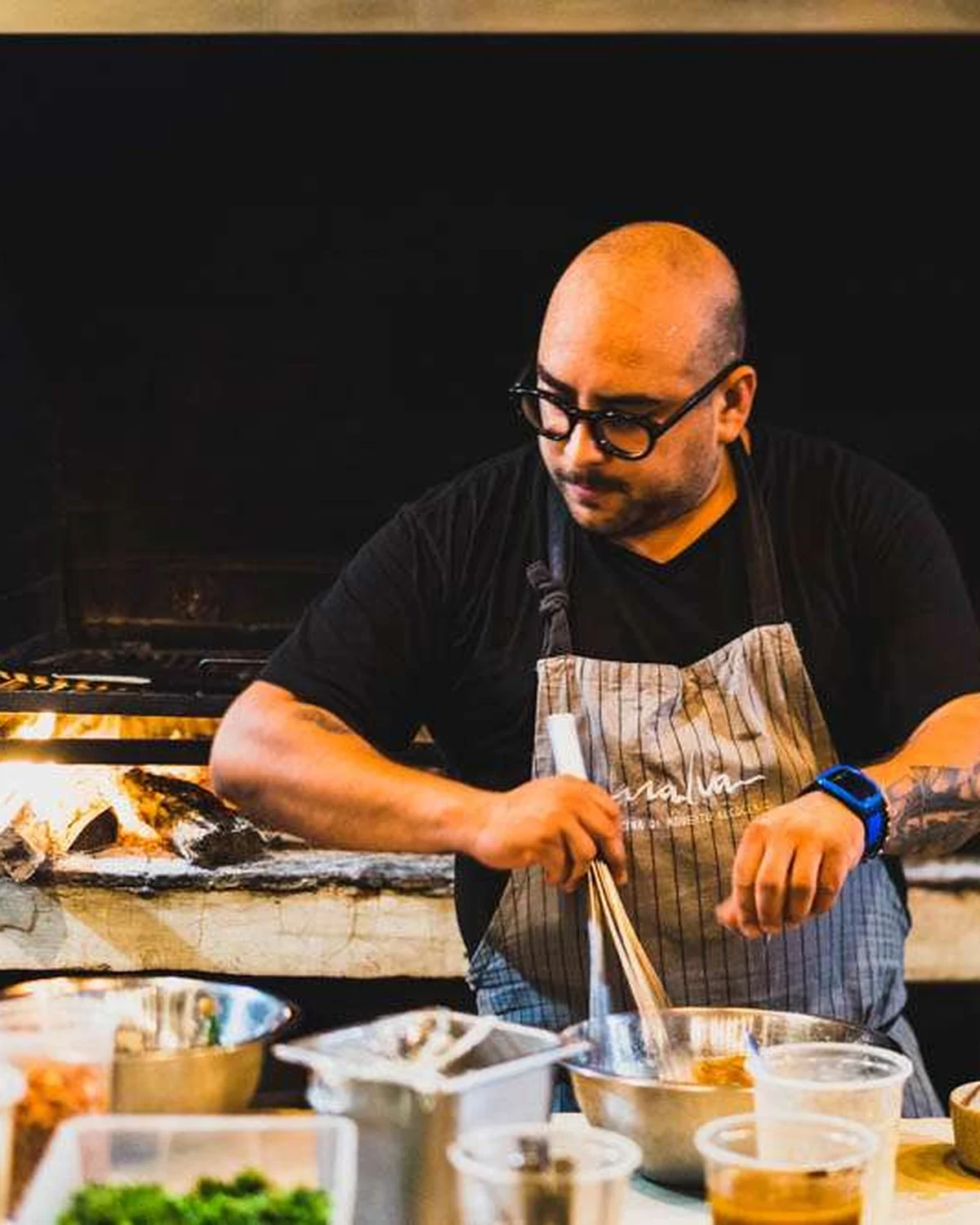
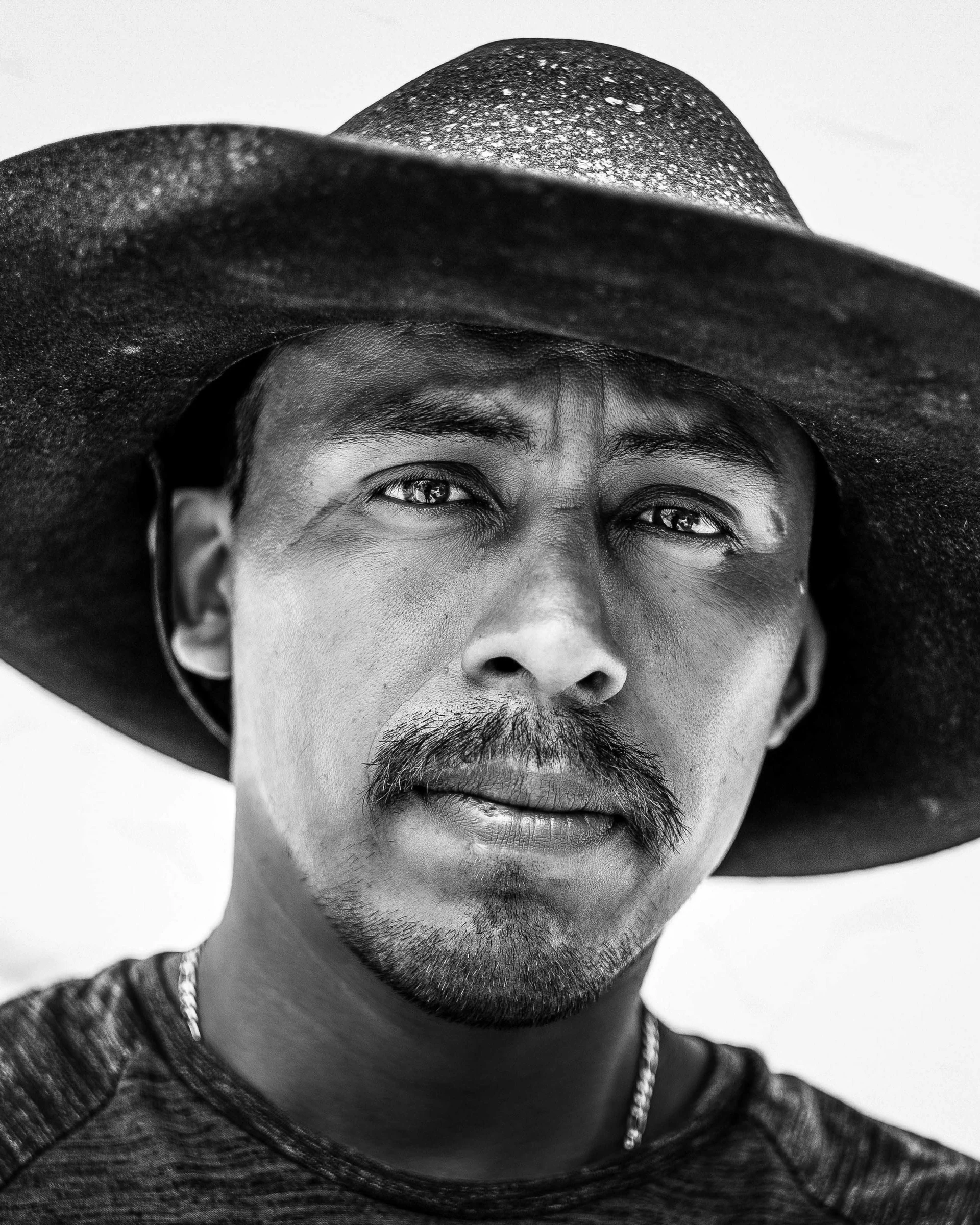
Portrait of Diego Hernandez-Baquedano
i. Biography
The Path
Kitchen formation came first through technical schooling: at Tijuana's Culinary Art School, Diego Hernandez-Baquedano trained in the repetition, sequencing, and discipline that make later regional work legible. The early frame is important because place-based cooking still depends on command of station work, timing, and the basic grammar of service. Regional movement sharpened that frame rather than replacing it. In Tulum, Mexico, the role of Executive Chef at Mur Mur put Hernandez-Baquedano in a kitchen shaped by heat, salt air, markets, travelers, and short feedback loops. Leading there required control without rigidity: the ability to read product, service pressure, and audience while keeping the cooking tied to origin, season, and restraint. Authorship now gathers under Diego-Hernández.
Where They Are Now
Baja gives the current cooking its working conditions. The organic, local, sustainable approach attached to Hernandez-Baquedano is clearest on the peninsula where he was born and raised, because those terms have practical meaning there: terrain, proximity, harvest, supply, and the daily condition of ingredients. Sea and valley, aridity and abundance, and a borderland sensibility form the map from which the menu is built. The present work connects Valle de Guadalupe and Los Angeles while keeping Baja ingredients, daily menu change, and the local-food discipline established at Corazón de Tierra at the center. Daily change is a production method, not decoration. It asks the kitchen to respond to what producers bring, what the weather allows, and what arrives in usable condition, with permanence giving way to attention. The Valle de Guadalupe and Los Angeles connection creates a useful tension for the craft. One side carries Baja wine country’s agricultural and cooking; the other brings a large urban audience trained to look for regional specificity. Hernandez-Baquedano’s cooking holds that line without flattening either place, keeping the through-line in Baja ingredients and local-food practice. The number is spare, but in trade terms it marks visibility for a specific restaurant in Valle de Guadalupe. It placed attention on the work without requiring ornament, bringing the restaurant into a wider Latin American dining conversation. That kind of placement matters when the cooking is region-bound. For Hernandez-Baquedano, the recognition signaled that Baja ingredients, daily rhythms, and local-food discipline could register beyond the peninsula while still being understood as products of that place.
FAQ What does Diego Hernandez-Baquedano do now? Diego Hernandez-Baquedano is chef at Diego-Hernández. Where did Diego Hernandez-Baquedano train or study? Diego Hernandez-Baquedano trained at Tijuana's Culinary Art School. What is Diego Hernandez-Baquedano known for? At Corazón de Tierra, he focused on local foods that show Baja's diversity and changed the menu daily.