i. Biography
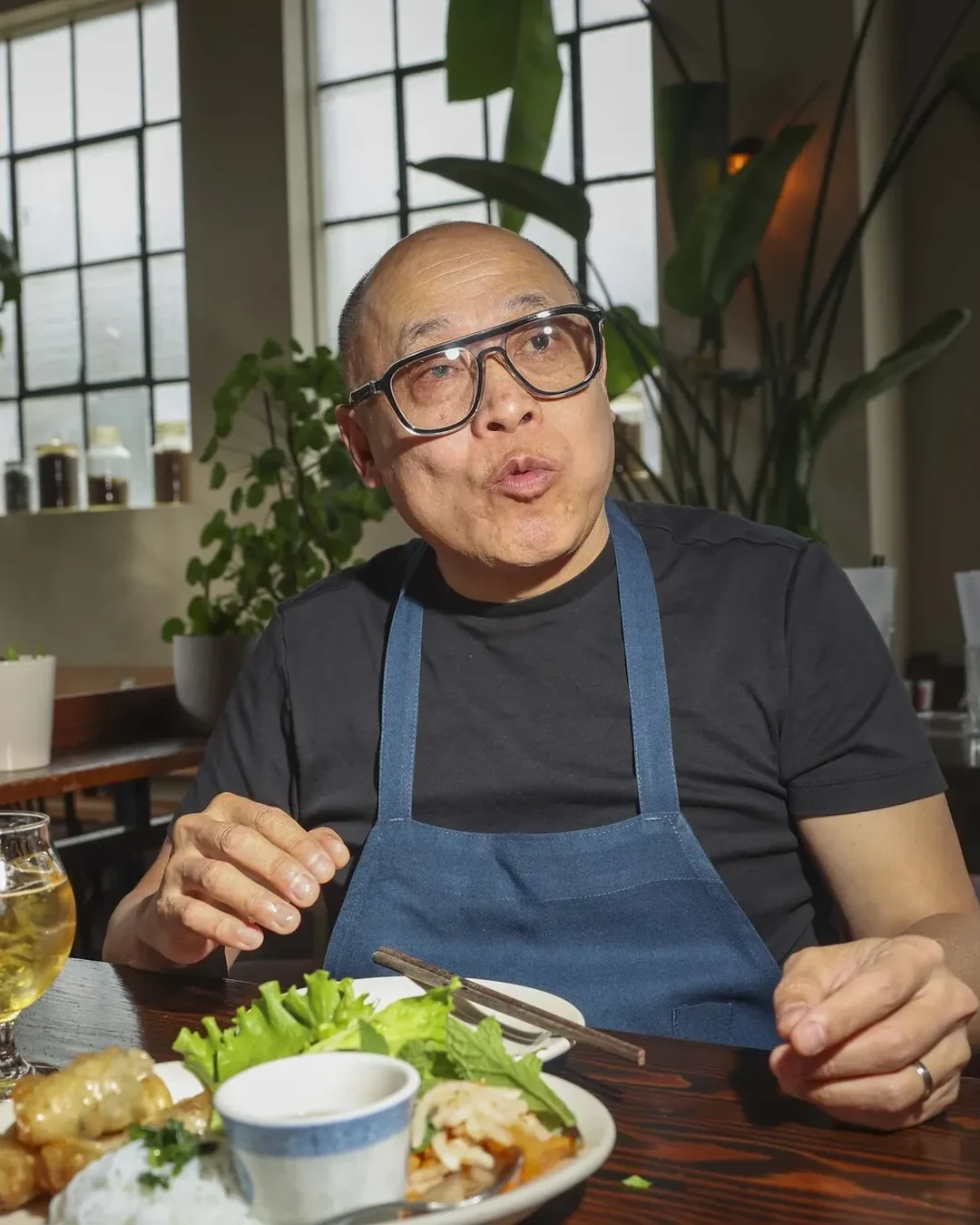
Saigon sits at the beginning of Eric Banh’s cooking: a place-name tied here to Vietnamese cuisine in Seattle, to street-food forms, to the clean force of one excellent ingredient. At Ba Bar in Seattle, United States, where he is chef and owner, the work is described through Creative Vietnamese street-food flavors and the patience to let a tomato, a crab, or a sheet of rice paper carry its own weight.
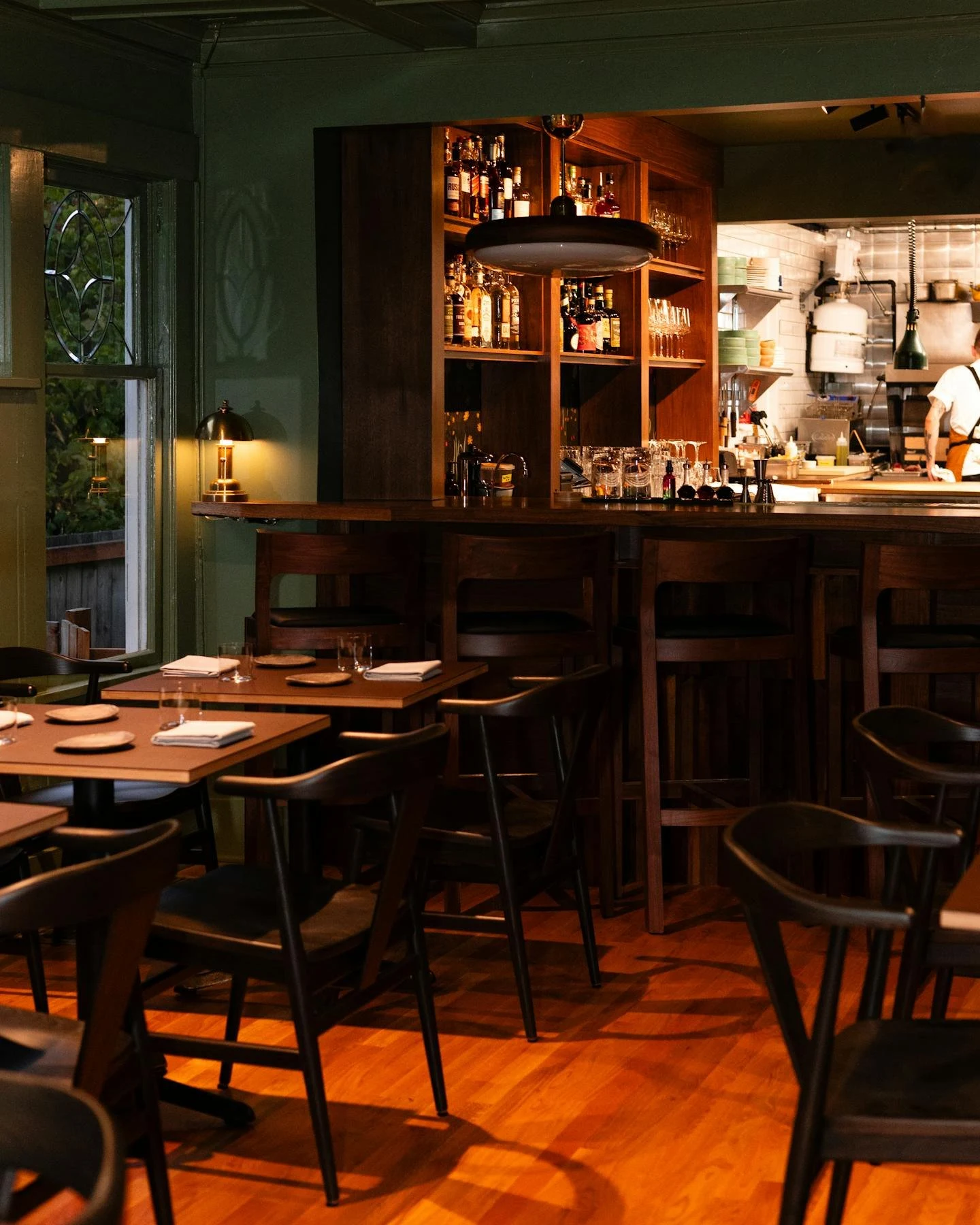
The Place Born in Saigon, Vietnam, Banh’s cooking is rooted in Vietnamese cuisine as it is made and served in Seattle. The geography matters in the ingredients that enter the food: Pacific Northwest Dungeness crab, shrimp, rice paper, the crackle of deep-frying, and the insistence that a dish can be both street-born and precise. He has described the Seattle address with direct personal shorthand: "Hi, my name is Eric Banh, chef and owner of Ba Bar. This is where we all started 15 years ago!" The line places the room as a beginning, not just a workplace, and it matches the grounded way his food is often explained—through something held in the hand, tasted plainly, and understood before it is dressed up. Alongside that role, Banh is Executive Chef and Founder of Saigon Siblings. The title widens the frame without changing the center: Vietnamese food, handled through ownership, leadership, and the practical decisions of a chef responsible for flavor as well as form.
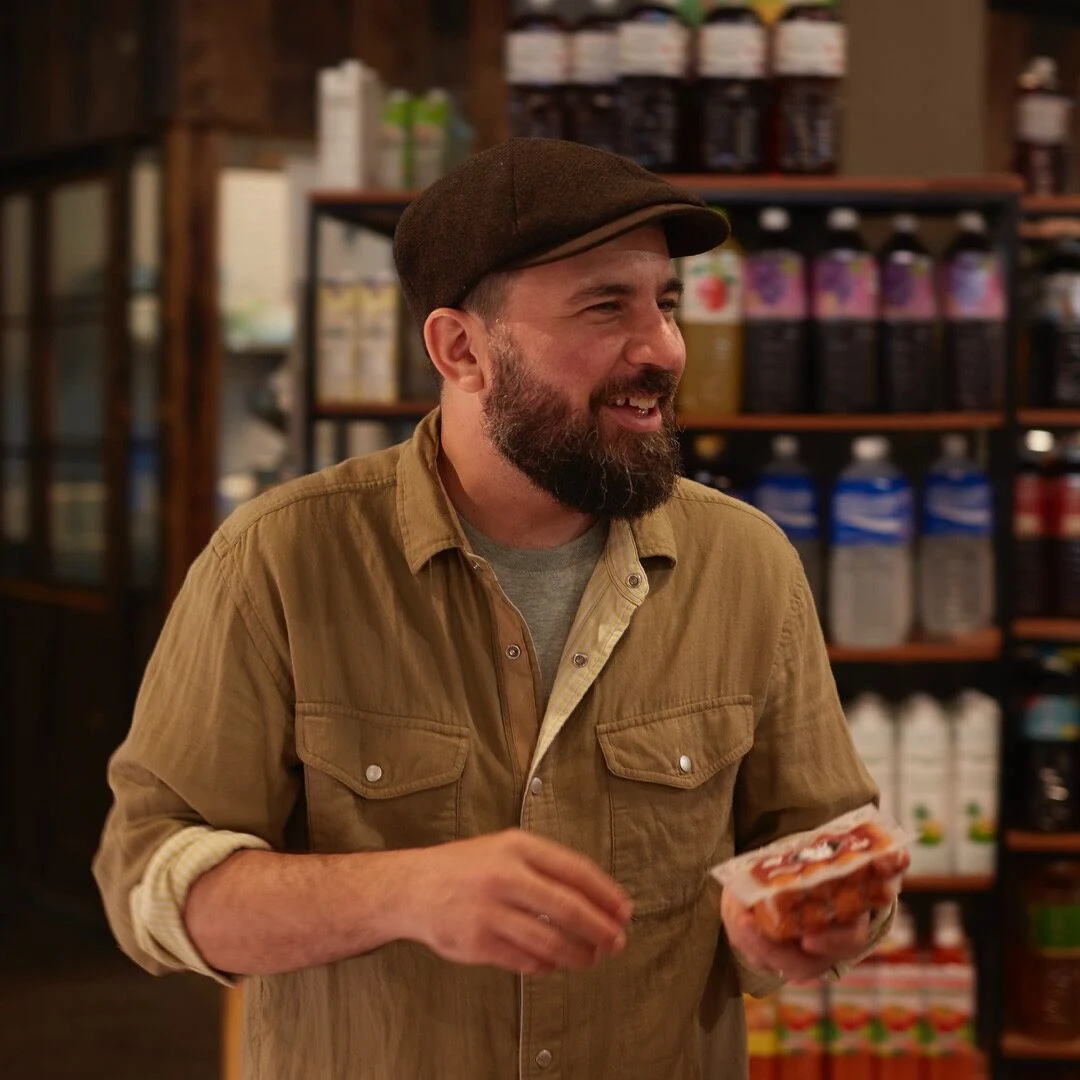
The Method The method begins with ingredient respect rather than ornament. One Ba Bar story has him handing friends an heirloom tomato to show that great food can start with a single ingredient; the lesson is simple, but not small. Before technique, there is ripeness. Before complexity, there is the taste of the thing itself. That approach explains the way Creative Vietnamese street-food flavors appear in his work at the Seattle venue. The food is not presented as abstraction; it is built from recognizable materials and direct pleasures—the snap of fried rice paper, the sweetness of shellfish, the memory of a street-food shape made newly polished through a different filling. At Monsoon in Seattle, United States, Eric and Sophie Banh made a Dungeness crab imperial roll that took a usually pork-filled street food and changed its center. Rice paper held Dungeness crab and shrimp, then went into hot oil for a crackling coating. The dish showcased Pacific Northwest crab while keeping the street-food structure legible: hand-held, crisp, filled, immediate.
The Range Banh’s path includes work outside the expected chef biography. He was a busboy at Bentley in Edmonton, Canada, a role close to the floor, the tables, and the physical rhythm of service. He also worked as a junior accountant, a detail that adds another kind of discipline to the picture: numbers, order, and attention to what must balance. Those earlier roles sit beneath the current ones rather than apart from them. A chef-owner has to read a room as well as a plate; a founder has to think past the dish toward the systems that let it reach a guest. In Banh’s case, the through-line is concrete: Vietnamese cuisine in Seattle, shaped by direct ingredients and street-food memory, with craft measured in texture, filling, and restraint.
FAQ Where does Eric Banh work? Eric Banh works as chef and owner of Ba Bar in Seattle, United States, and is Executive Chef and Founder of Saigon Siblings. What style or method defines Eric Banh's work? His work centers on Vietnamese cuisine in Seattle, Creative Vietnamese street-food flavors, and an emphasis on great ingredients, illustrated by the heirloom tomato story. What are Eric Banh's signature releases or dishes? A key dish is the Dungeness crab imperial roll made at Monsoon with Sophie Banh, using rice paper filled with Dungeness crab and shrimp, deep-fried for a crackling coating.