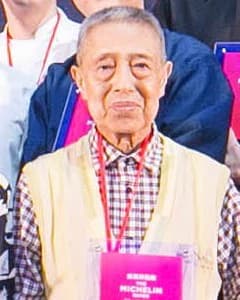
i. Biography
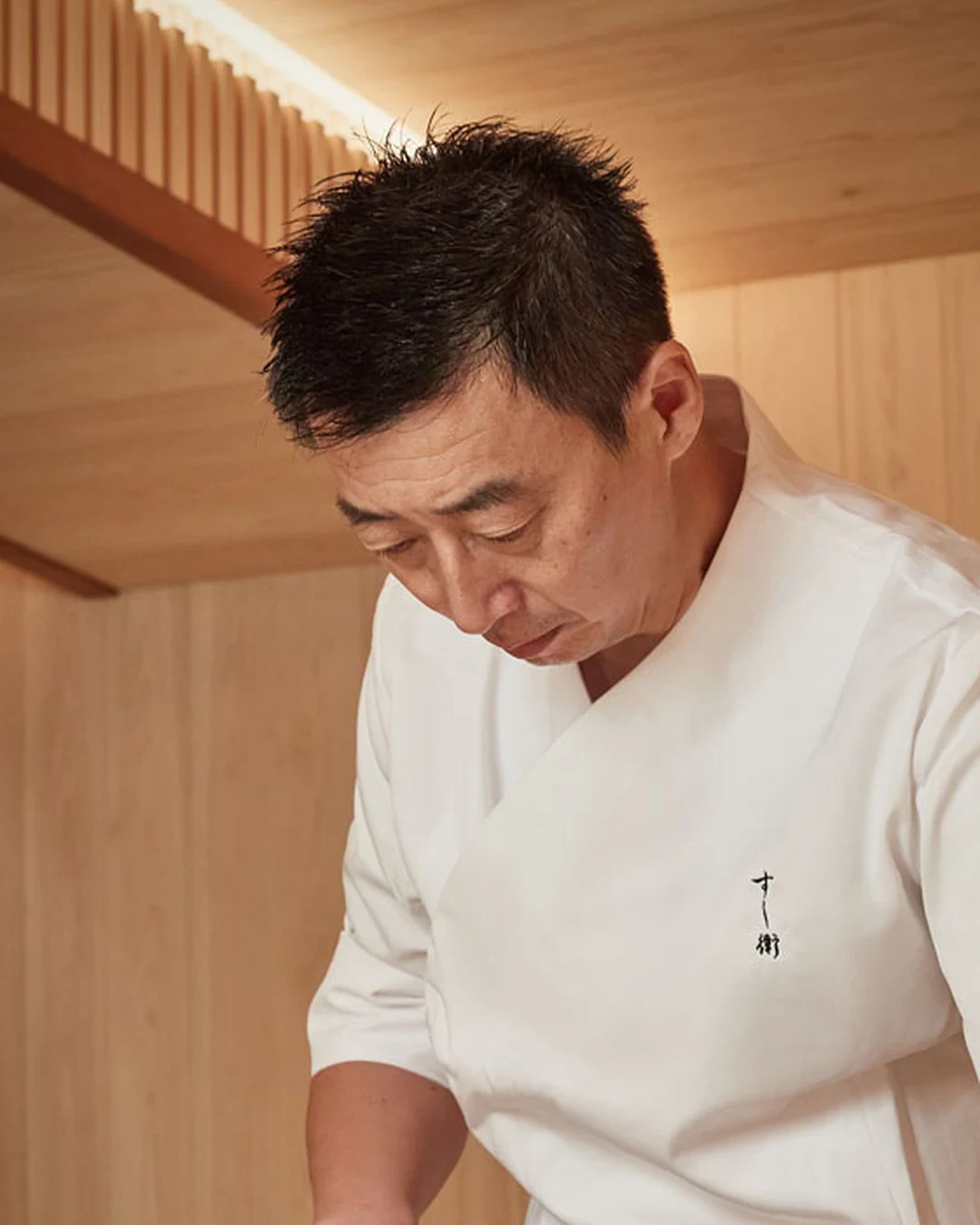
His path runs from Tsukiji Sushi Iwa to an apprenticeship at Zorokuzushi Minami, then on to Sushi Kohaku before arriving at a restaurant built around Traditional Edomae-style sushi and seasonal omakase.
Where It Started In sushi, inheritance is not background; it is part of the working method, and Chiba’s early identity sits inside that line. Tsukiji Sushi Iwa in Tokyo was the first professional stop. That venue fixes the beginning of his career in the city’s sushi culture, before the discipline of apprenticeship takes over. Zorokuzushi Minami in Tokyo followed as the apprenticeship site. This is where the standard sushi training structure applies: learning inside a house, absorbing routine, and building the habits that later show up quietly at the counter.
Who Shaped Them The shape of Chiba’s work is defined by places of training and service. Tsukiji Sushi Iwa marks the start, Zorokuzushi Minami marks the apprenticeship, and Sushi Kohaku in Hong Kong extends the line beyond Tokyo. Before taking the chef role at Sushi Mamoru, Chiba worked at Sushi Kohaku, carrying that structure into the setting where his work is now most closely associated. Traditional Edomae-style sushi is the craft attached to his name. Seasonal omakase is the format that carries it, with the sequence arranged around ingredients and the chef’s judgment.
The Work Today
Kiwami Omakase appears at lunch as a shorter expression of the same practice. It is the lunch-only menu, distinct in length but still tied to the same Edomae-centered approach. Read as lineage, the career does not leave its beginnings behind; it keeps them active in the work.
Signature
Hirofumi's signature dishes include Takumi Omakase and Kiwami Omakase.
FAQ What is Hirofumi Chiba's current role? As of 2026, Hirofumi Chiba is Chef. What is Hirofumi Chiba known for? Traditional Edomae-style sushi.