Chef
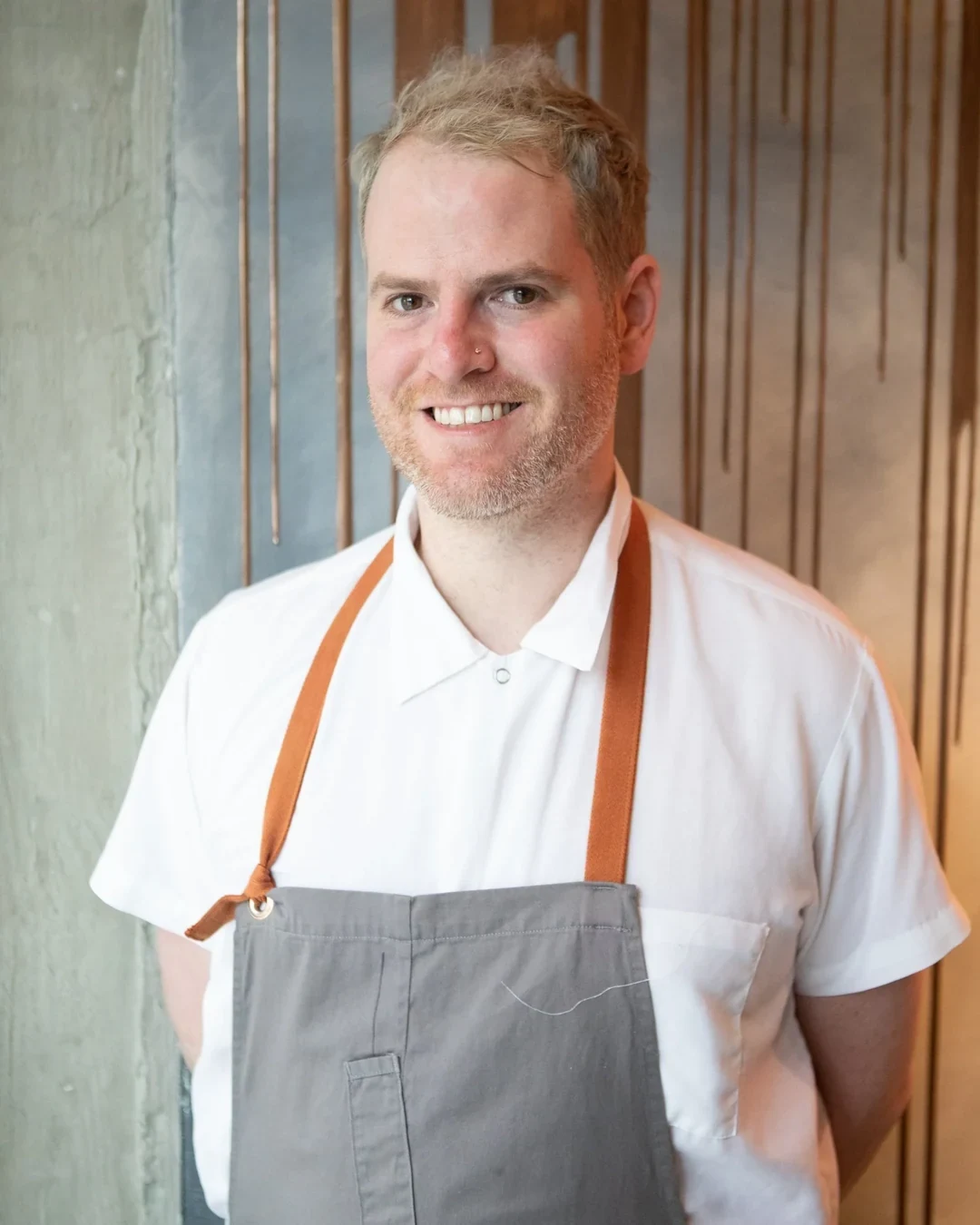
Jason Zhan
- Discipline
- Chef
- Based in
- San Francisco, California, United States
i. Biography
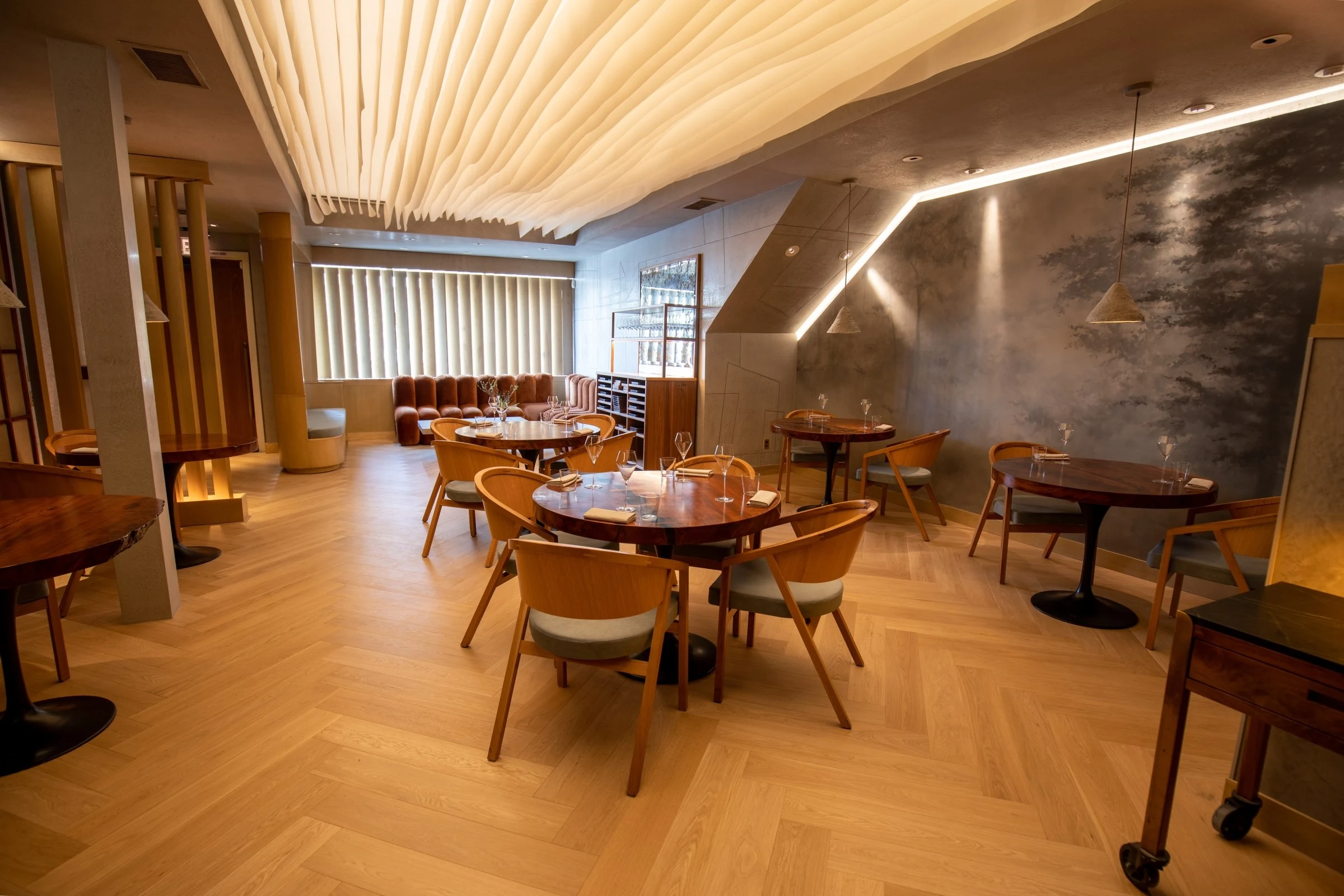
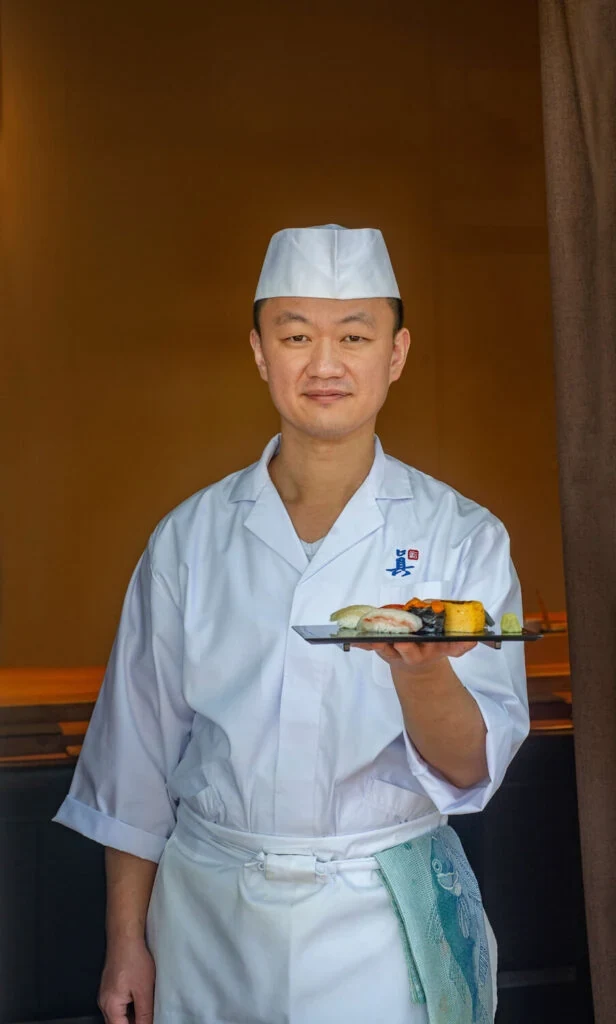
At Ranzan in Redwood City, kaiseki sets the working terms before a course is served. The form depends on seasonality, sourcing, technique, pacing, and sequence; Executive Chef Jason Zhan works inside that structure rather than around it. Ingredients are chosen for their moment, and restraint is part of the method. Precision functions as architecture: each course has to carry its place in the progression, not simply stand alone. Omakase and kaiseki both reward cooks who can make small decisions consistently. In Jason Zhan’s work, the pressure points are timing, withholding, serving temperature, cut, and the order in which a guest receives information. The cooking is built around clarity rather than accumulation: the right ingredient, in the right condition, at the right point in the meal.
Coming Up
Training in sushi and Japanese cooking often happens through repetition under service pressure. Early work at Ushiwakamaru in New York City, 15 East in New York City, Kappo Masa in New York City, and O Ya in New York City placed Jason Zhan in rooms where precision and composure were daily requirements. The craft depended on close calibration: cut, temperature, pacing, timing of service, and the ability to adjust without disrupting the meal. Work as a cook at San Francisco sushi restaurants in San Francisco carried that discipline into another dining landscape. The through line was counter craft: understanding how ingredients behave, how a sequence develops, and how judgment can shape a meal without crowding it. Those years formed the groundwork for the roles he holds today. The current practice is split between Sushi Shin and Ranzan. As founder of Sushi Shin since 2020 and Executive Chef of Ranzan, Jason Zhan works in two formats with a shared reliance on seasonality, restraint, sourcing, and sequence. The emphasis is not on excess; it is on decisions made close to service and made in the order the meal requires.
Where They Are Now
A nine-seat omakase restaurant changes the scale of responsibility. Sushi Shin, opened by Jason Zhan in Redwood City in 2020, works at that size, with an omakase menu that changes daily based on seasonality, availability, and what Zhan chooses to serve. In that format, the market, the counter, and the chef’s judgment are linked. The menu is a daily response to what is present and what can carry the meal’s arc. Kaiseki at Ranzan in Redwood City uses a different frame. As Executive Chef, Jason Zhan works with cuisine rooted in seasonal Japanese tradition, where seasonal ingredients, precise technique, deliberate pacing, sourcing, and careful course sequence define the experience. The attention is not only to flavor; it is to progression. One course prepares the space for the next, and order becomes part of the craft. Together, the two roles keep the work inside formats that resist excess. Sushi Shin is a nine-seat omakase counter with a menu that can change each day; Ranzan is a kaiseki restaurant where course order and season carry the meal. Across both, Jason Zhan’s cooking is grounded in responsiveness, precision, and a willingness to let the season set the terms.
Career - Founder — Sushi Shin, Redwood City (2020–present) - Executive Chef — Ranzan, Redwood City - Worked at — Ushiwakamaru, New York City - Worked at — 15 East, New York City - Worked at — Kappo Masa, New York City - Worked at — O Ya, New York City - Cook — San Francisco sushi restaurants, San Francisco
Honors
The dated career milestone is 2020, when Jason Zhan opened Sushi Shin in Redwood City; the current role is Executive Chef at Ranzan.
FAQ What is Jason Zhan's current role? Jason Zhan is Executive Chef at Ranzan. Where did Jason Zhan work before? Earlier in their career, Jason Zhan worked at Ushiwakamaru, 15 East, and Kappo Masa. What is Jason Zhan known for? Kaiseki cuisine rooted in seasonal Japanese tradition.