i. Biography
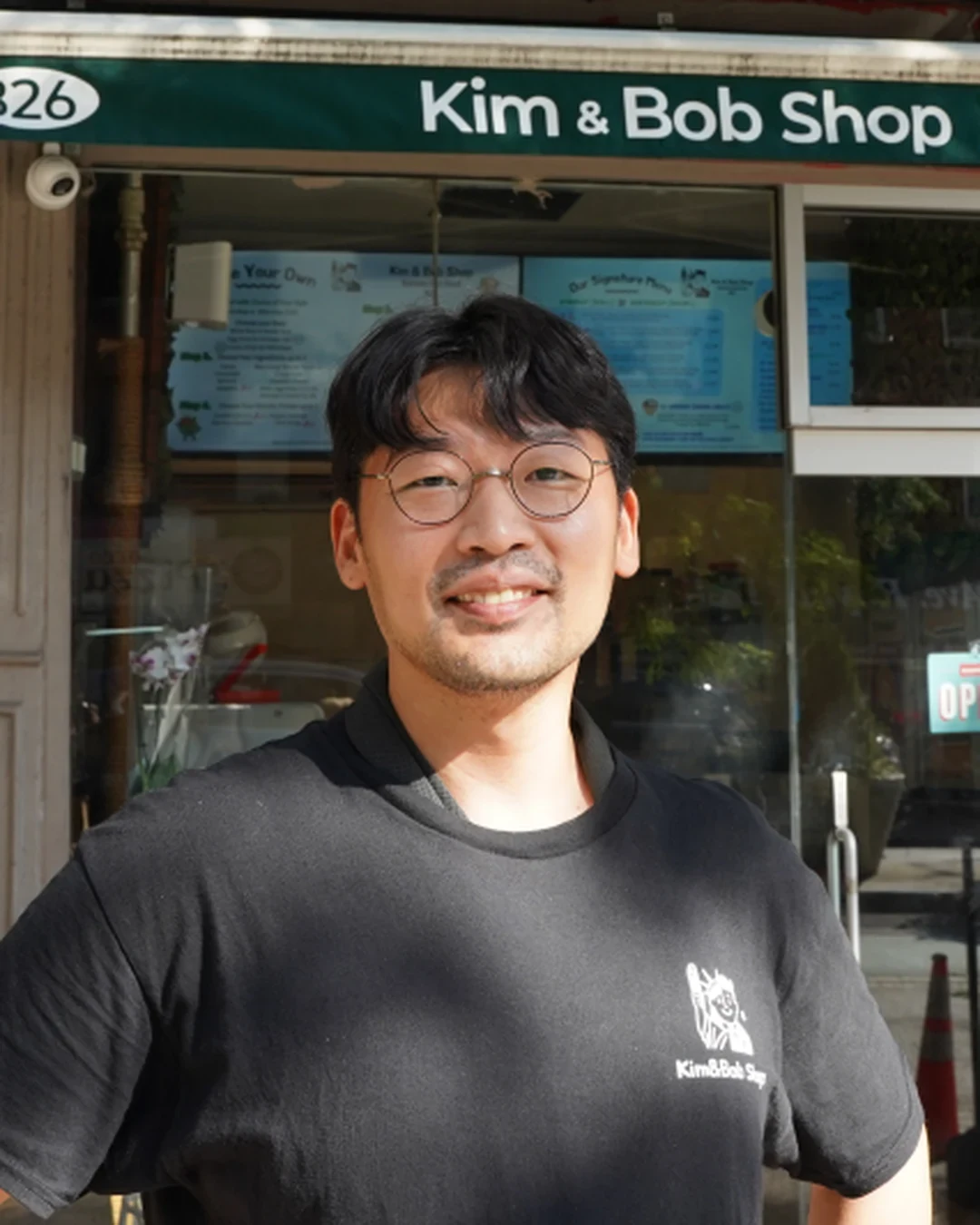
Jonghwi Lim works at the meeting point of Korean cooking and Manhattan restaurant pace. At Osamil in New York City, his role as chef and Co-Executive Chef sits alongside work that also includes Foodream corp. And Kim&Bob Shop, with each step tied to Korean food in New York rather than a single format or room.
Coming Up
A technical base from The Culinary Institute of America, Hudson Valley gave Jonghwi Lim the kitchen discipline that later carried into New York’s Korean dining scene. In Koreatown, that training moved into the role of Executive Chef at Jongro, placing him inside one of the city’s most active Korean restaurant neighborhoods. From there, his work expanded into Osamil, Kim&Bob Shop, and Foodream corp, building a career that connects service, ownership, and the structure behind Korean food spaces.
Where They Are Now
The daily work at Osamil puts Jonghwi Lim in both the kitchen and the restaurant’s broader direction as chef and Co-Executive Chef. Kim&Bob in New York City extends that work into a format built around Korean rice-based staples like kimbap and bibimbap, with the menu centered on dishes that are direct, familiar, and part of everyday Korean eating. Foodream corp. adds the founder’s side of the ledger, showing the same focus on making food while also shaping the business around it.
Career - Co-Executive Chef — Osamil, NYC - Owner — Kim&Bob Shop, NYC - Executive Chef — Jongro, Koreatown Education: The Culinary Institute of America, Hudson Valley
Signature
Kimbap, bibimbap, and Korean Spicy Pork / 제육볶음 define Jonghwi Lim’s signature range. The set shows a cooking style grounded in practical Korean dishes rather than ornament: kimbap and bibimbap require clean handling and balance, while Korean Spicy Pork / 제육볶음 brings the sharper, fuller heat associated with comfort and appetite.
In Their Words “Today, I will introduce a delicious jeyuk-bokkeum that anyone can easily and quickly make at home.” “Hello, I am Lim Jong-hwi, who works as a chef at Jongro Sanghoe.”
FAQ Where did Jonghwi Lim train or study? Jonghwi Lim trained at The Culinary Institute of America, Hudson Valley. What is Jonghwi Lim known for? Korean rice-based classics like kimbap and bibimbap.