i. Biography
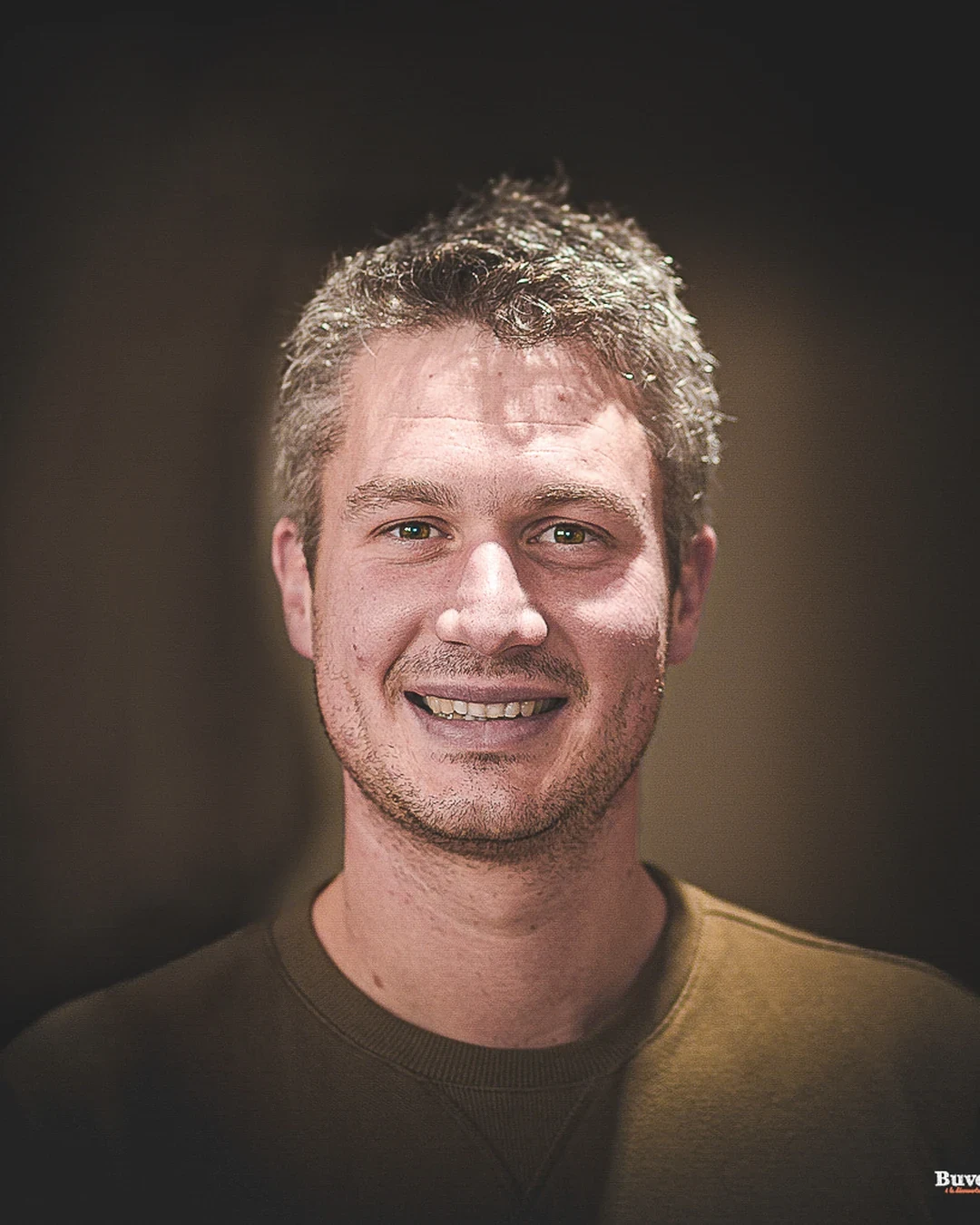
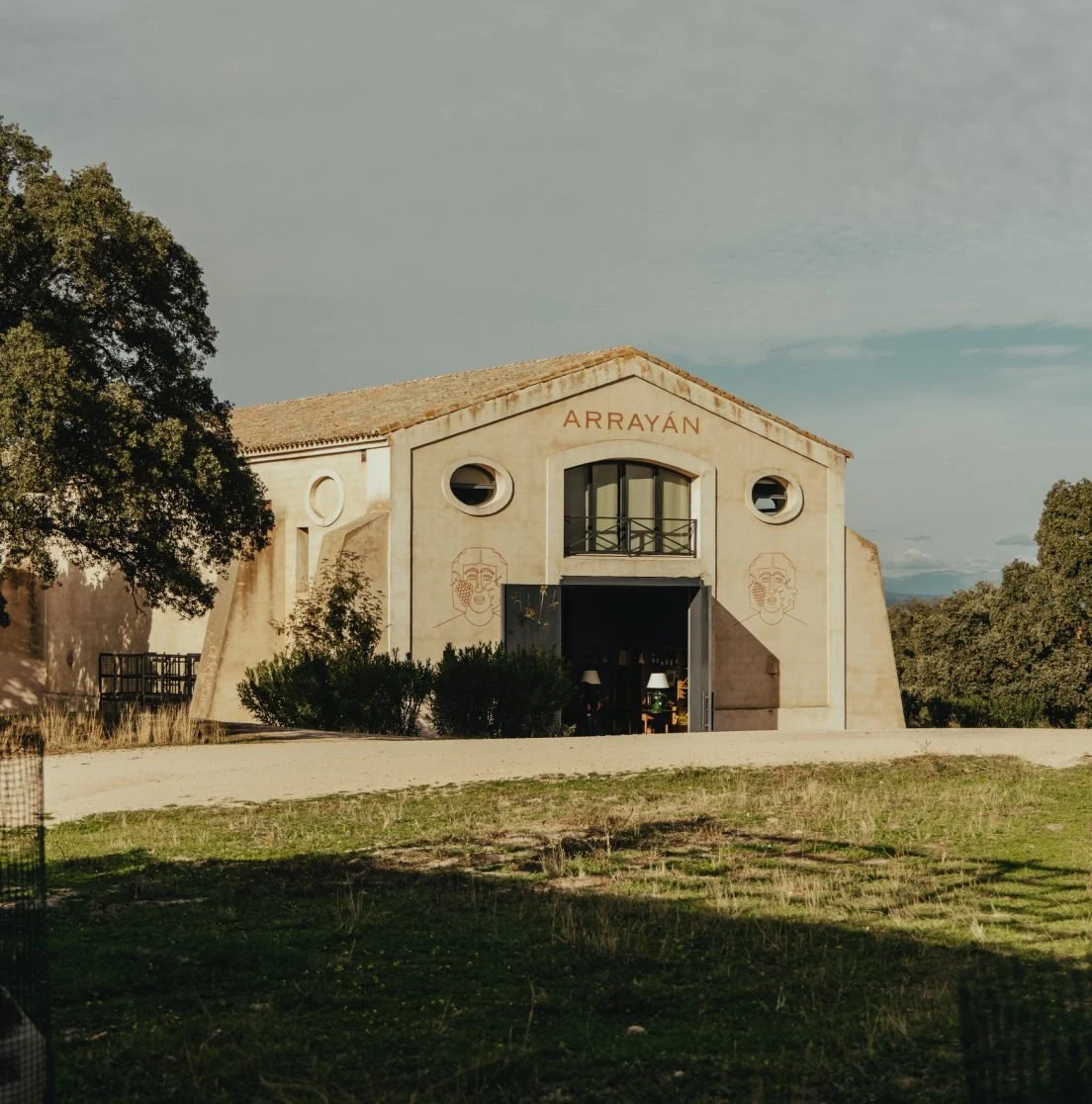
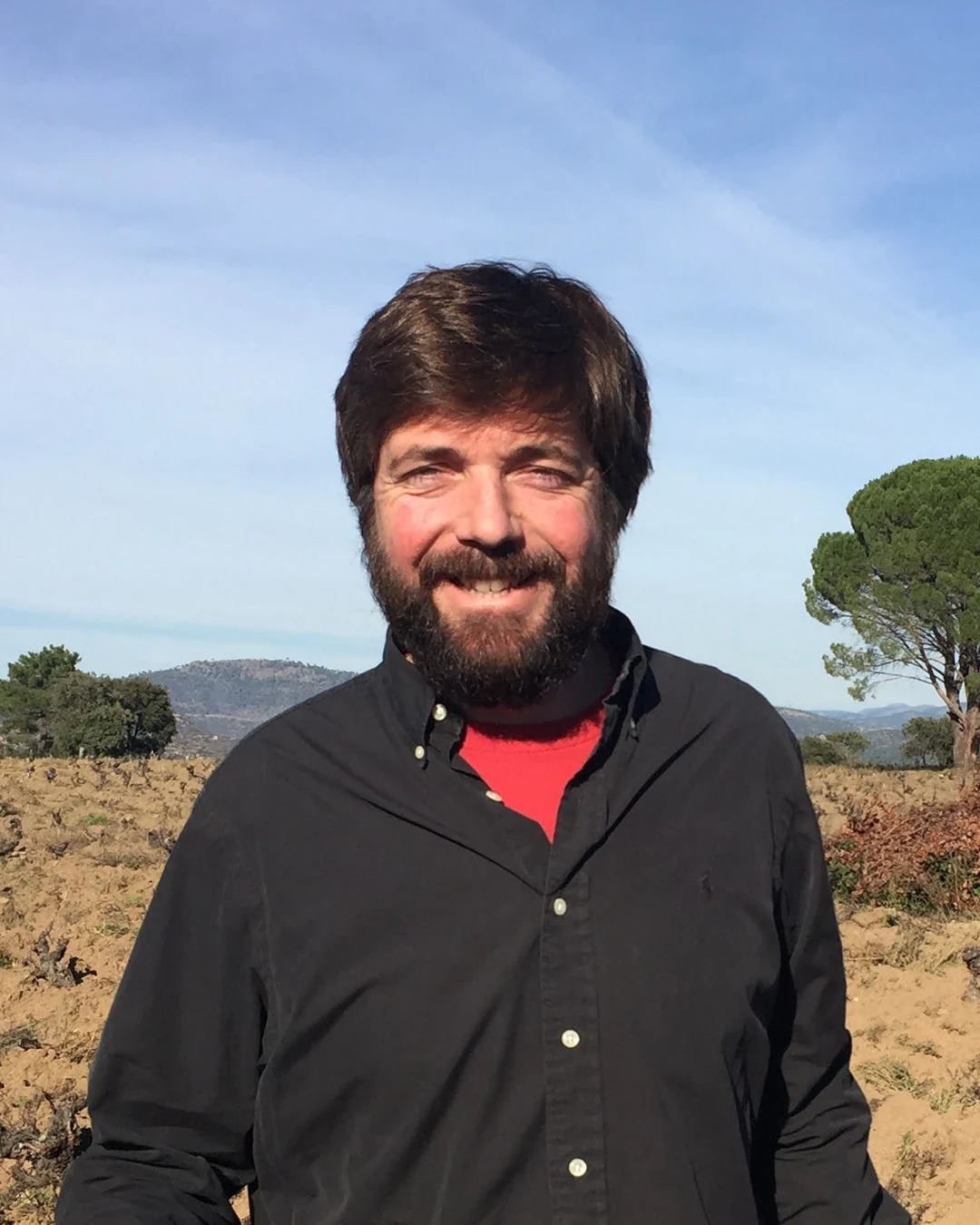
Juan Díez Bulnes, owner of Bodegas Bernabeleva in San Martín de Valdeiglesias, Spain, belongs first to a family line: in 2006, he and Santiago Matallana Bulnes, great-grandchildren of Vincente Alvarez-Villamil, set out to fulfill their ancestor’s dream of making wine from the Bernabeleva estate. That inheritance became practical work when Juan Bulnes began the winery’s modern-day story by hiring Raúl Pérez to make wine from his family’s old-vine holdings.
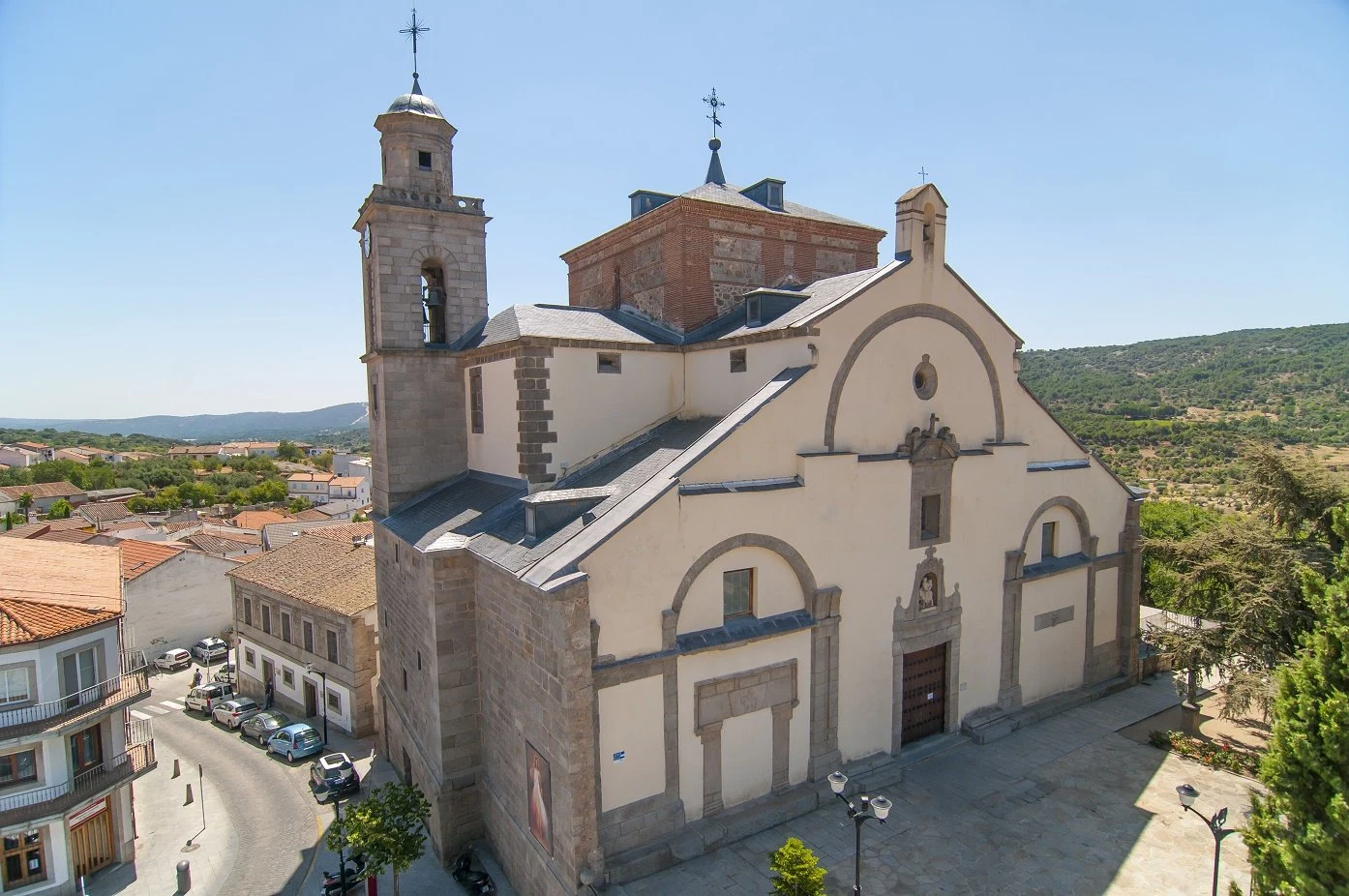
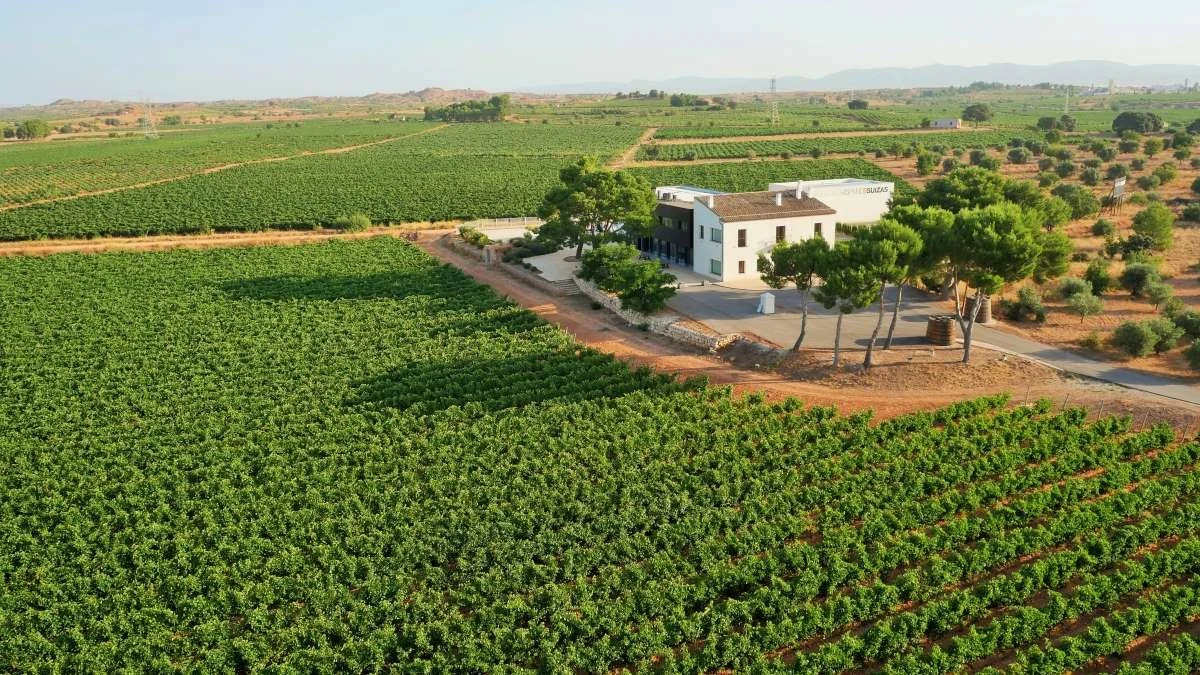
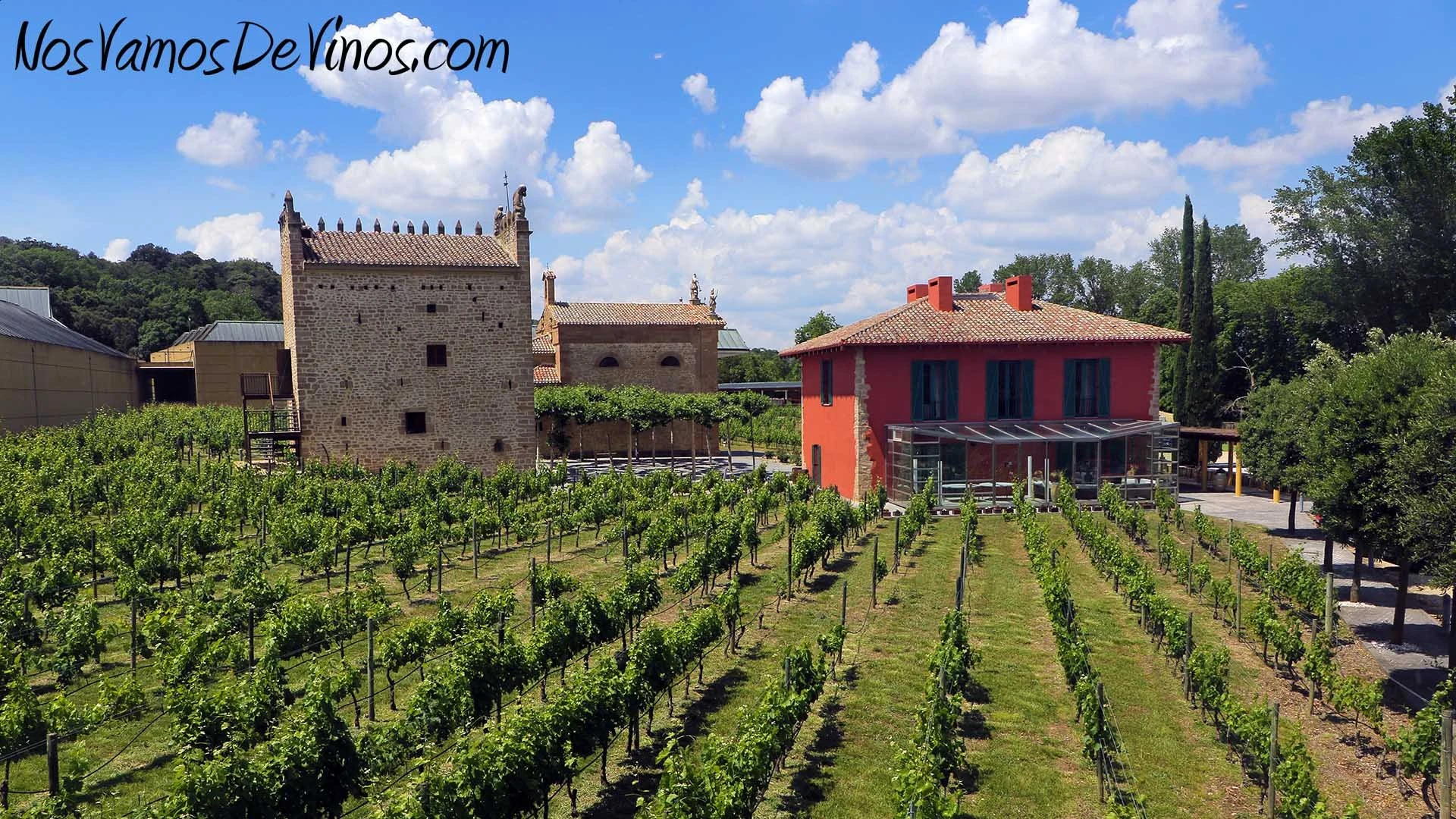
Where It Started The origin point is 2006, when two great-grandchildren took up an unfinished family vision and turned it toward wine from the estate. The place was San Martín de Valdeiglesias, in the Gredos Mountains west of Madrid, where Garnacha could be read through old vines, altitude, slope, granite, exposure, and patient cellar work. From the start, the emphasis was not on size or force. Juan’s own words set the tone: "here we are comfortable with low yields from old vines, but not massive concentration." That sentence gives a useful key to the wines: old bush-pruned vines in the San Martín de Valdeiglesias zone of the Sierra de Gredos, handled for expression rather than weight. The specialty that emerged is Garnacha from those old bush-pruned vines. In the family story, the estate was the inheritance; in the wine story, the Gredos landscape became the teacher.
Who Shaped Them Vincente Alvarez-Villamil’s unrealized winery vision shaped the work before the first modern vintage named in this story. The bond is generational: great-grandchildren returning to an ancestor’s dream, then translating it into farming, vinification, and bottles tied to individual parcels. Raúl Pérez also belongs to that formation. In 2006, Juan Bulnes hired him to make wine from the family’s old-vine holdings, a decision that placed the project’s early winemaking in the hands of a named maker while the estate’s identity gathered around Garnacha and Gredos. That lineage is not abstract. It can be followed through the parcels: Arroyo del Tórtolas, a single-vineyard red wine from a north-facing granitic-soil parcel with an average vine age of 65 years at 800 meters altitude; Carril del Rey, from an 80-year-old, south-facing vineyard on slightly deeper granitic soil; and Viña Bonita, from an 80-year-old plot on the upper part of a slope, in more compact granitic soil at 700 meters altitude.
The Work Today
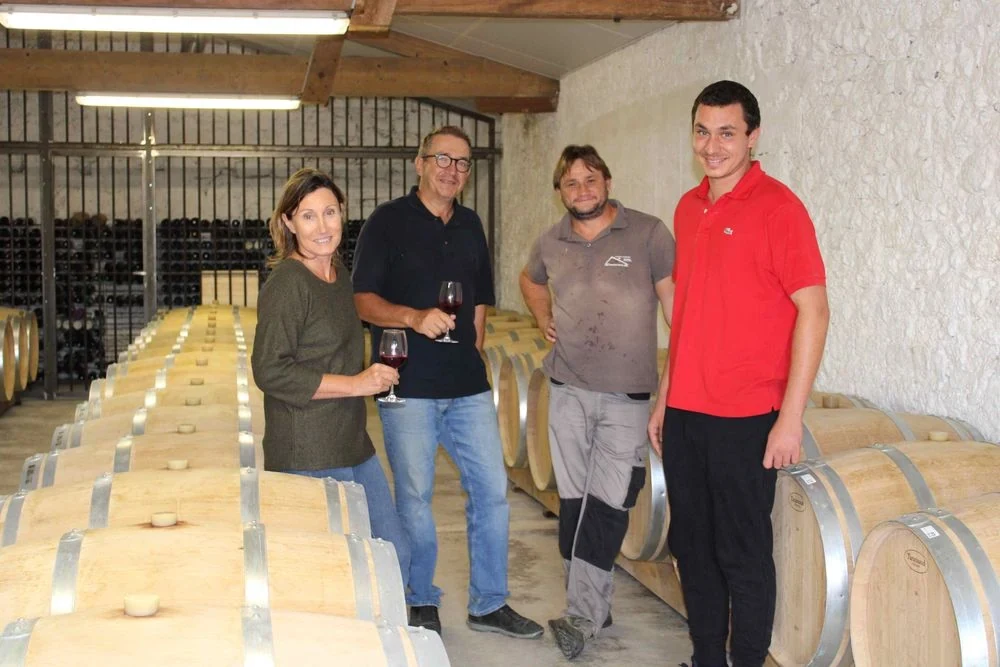
As owner, Juan Díez Bulnes is tied to a winery whose work is manual, biodynamic, and natural in both vineyard and cellar. The vineyards are worked by hand, with biodynamic viticulture guiding the farming; beyond manure if needed, only copper and sulfur are used. The cellar follows the same restraint. Fruit is hand harvested, plots are vinified separately, red-wine maceration typically exceeds 30 days, and aging takes place in French oak barrels of various sizes with only some new wood. The broader method is old-school and minimal-intervention: long macerations, aging mostly in neutral wood, and vineyard work carried out in harmony with nature. The named wines hold the family map in liquid form. Arroyo del Tórtolas, Carril del Rey, and Viña Bonita each read as a parcel rather than a blend of general place; Rompepalos is described as Juan Díez Bulnes’s Oloroso-like marvel, a signature work set apart from the single-vineyard reds.
FAQ What tradition or house shaped Juan Díez Bulnes? He was shaped by the Bernabeleva estate in San Martín de Valdeiglesias and by the ancestor’s winery vision he and Santiago Matallana Bulnes set out to fulfill in 2006. Who did Juan Díez Bulnes train under? The named formative winemaking link is Raúl Pérez, whom Juan Bulnes hired in 2006 to make wine from his family’s old-vine holdings.