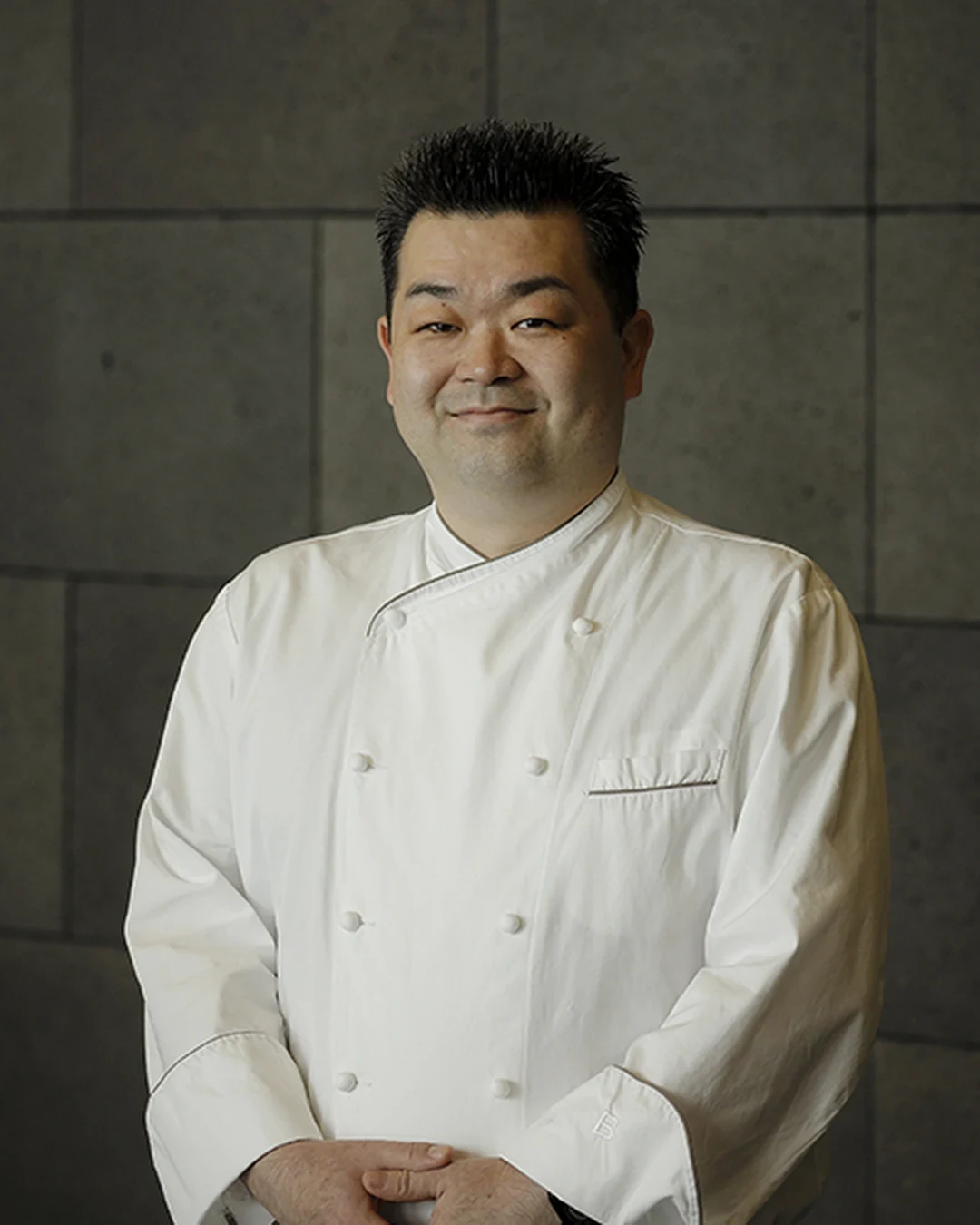
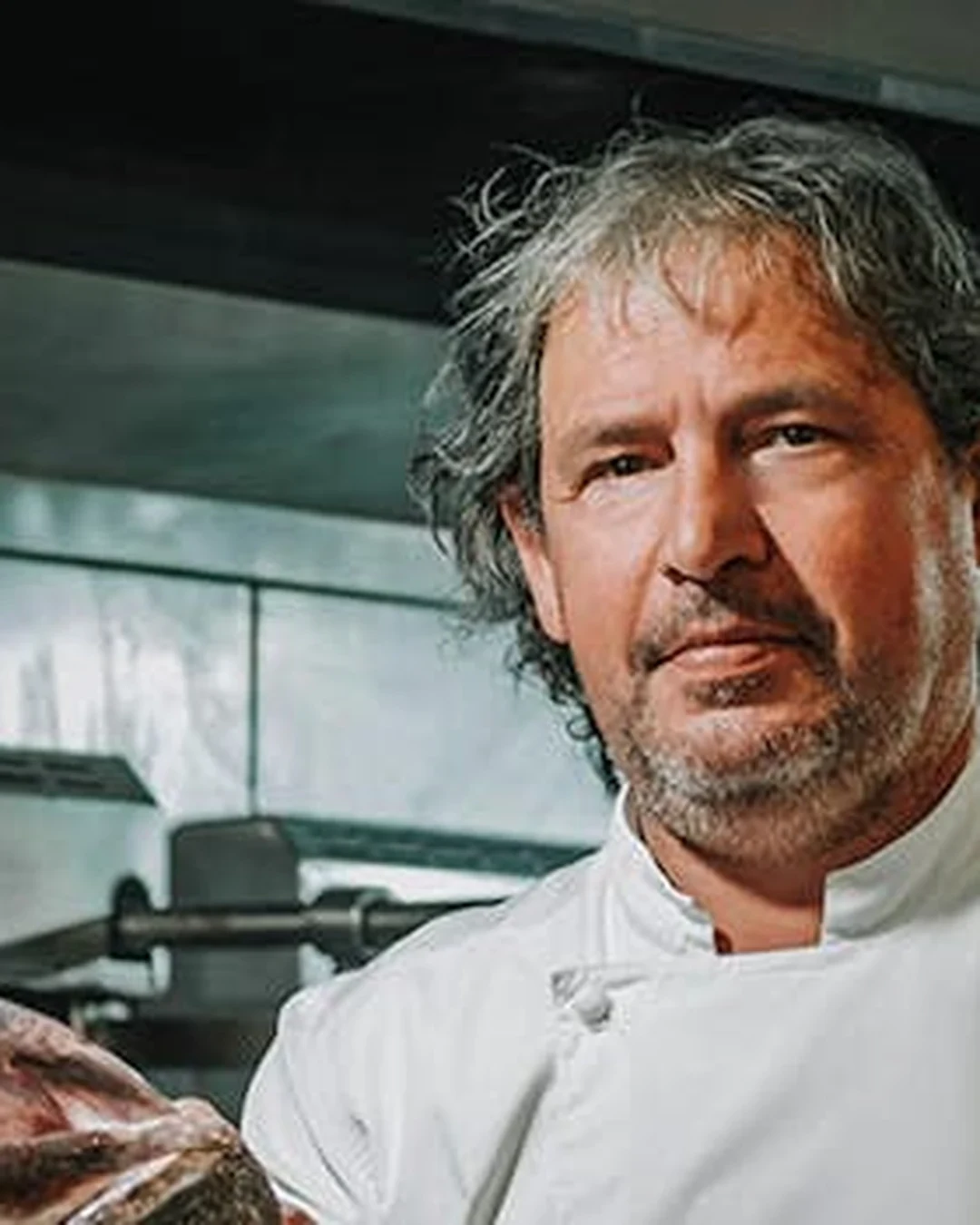
Portrait of Kawakubo Satoshi
i. Biography
Early Years
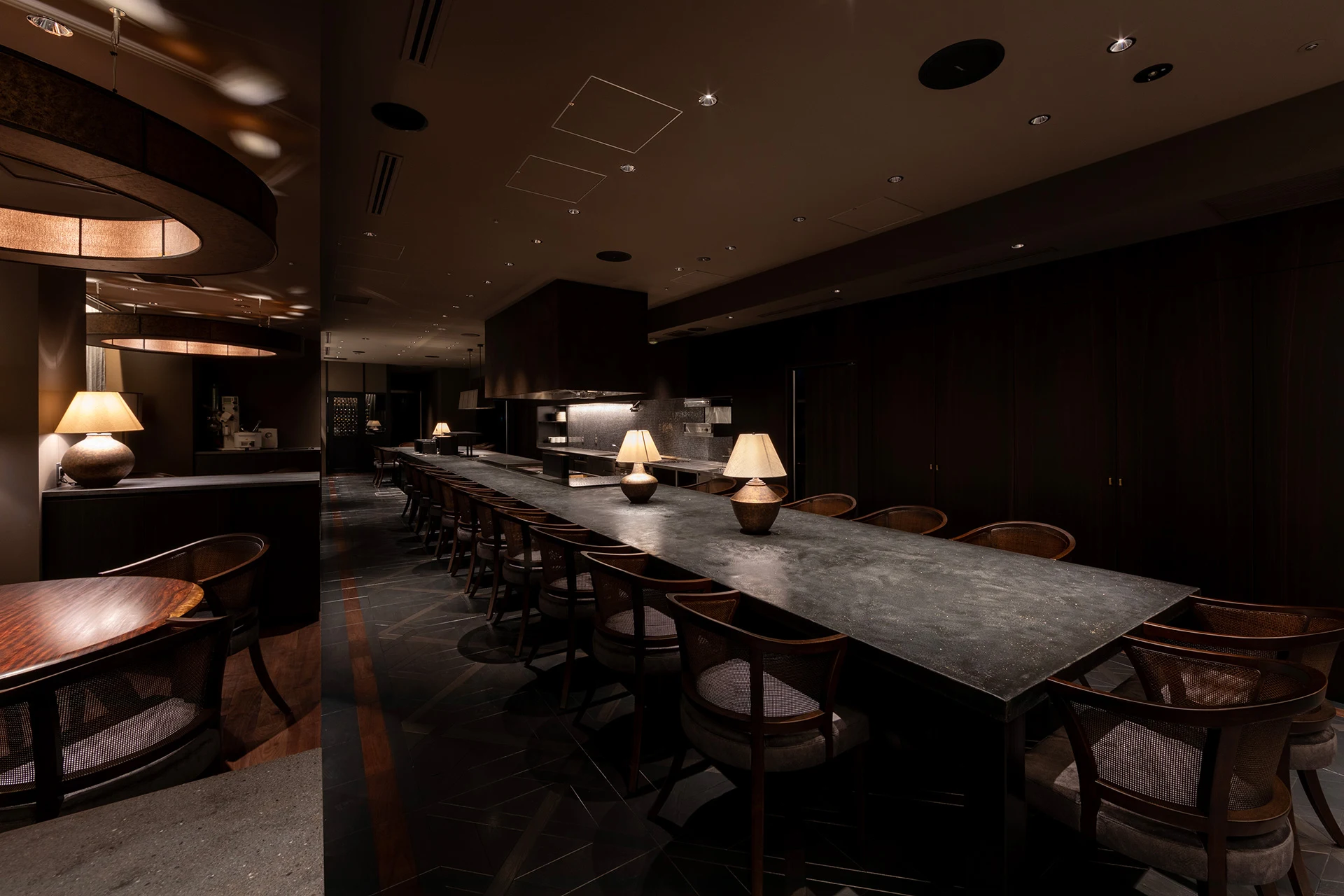
Beverage-led Japanese cooking treats the glass as part of the structure, not a late pairing exercise. In Kawakubo Satoshi’s dining room, the food menu and the drinks program are built in conversation, with the sake and shochu list assembled directly from brewery visits. That sourcing method gives the cellar a traceable logic: personal selection, regional contact, and choices shaped by place rather than convenience. A sake and shochu program gains definition when it moves beyond the standard Tokyo izakaya shorthand. In Kawakubo’s work, regional and small-production labels give the meal a broader register, with Japanese wine, sake, shochu, and craft beer all used within the experience. Sake from Fukuoka Prefecture appears within that wider spectrum, making the drinks list part of the table’s pacing rather than a simple accompaniment.
The Sunday letter
Read Made By's new profiles every Sunday.
Meet the chefs, winemakers and sommeliers behind the places we cover. See a sample below before you subscribe.
See a sample of the Sunday emailOne email a week. Unsubscribe from any issue.
Making a Name
Japanese cooking built around sake pairing asks for generosity and precision at the same time. Kawakubo’s reputation has formed around a meal structure that uses generous portions, sake pairing, and an unusual emphasis on meat dishes, widening the sequence beyond an expected seafood-and-rice progression. The breadth comes from moving through texture, weight, and appetite while keeping the pour central to the meal’s logic. Generous plating, sake-attuned tsukuri arrangements, and meat as a structural course define the menu’s working pattern. In Kawakubo’s cooking, appetiser combination platters are built to function across multiple sake pours, so the opening stretch can shift as the glass changes. Rather than fixing one dish to one drink, the early courses allow salt, sweetness, delicacy, and richness to come forward in turn. Tsukuri holds its place inside the full architecture of the meal, not apart from it. In Kawakubo’s service, that course remains tied to the beverage program and to the appetite of the table, helping the sequence gather momentum without losing balance. The result is composed but not rigid, abundant but still controlled.
The Present
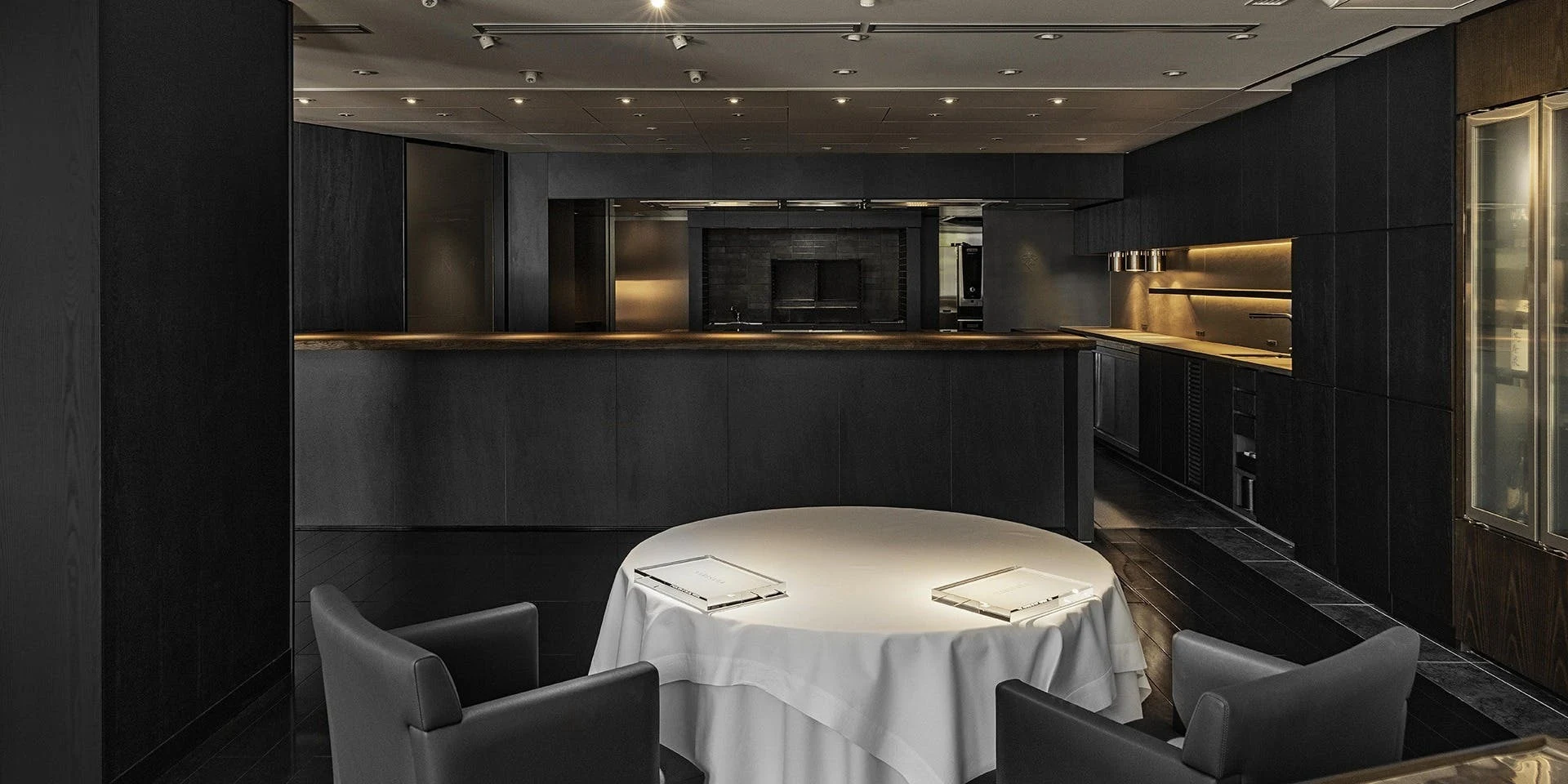
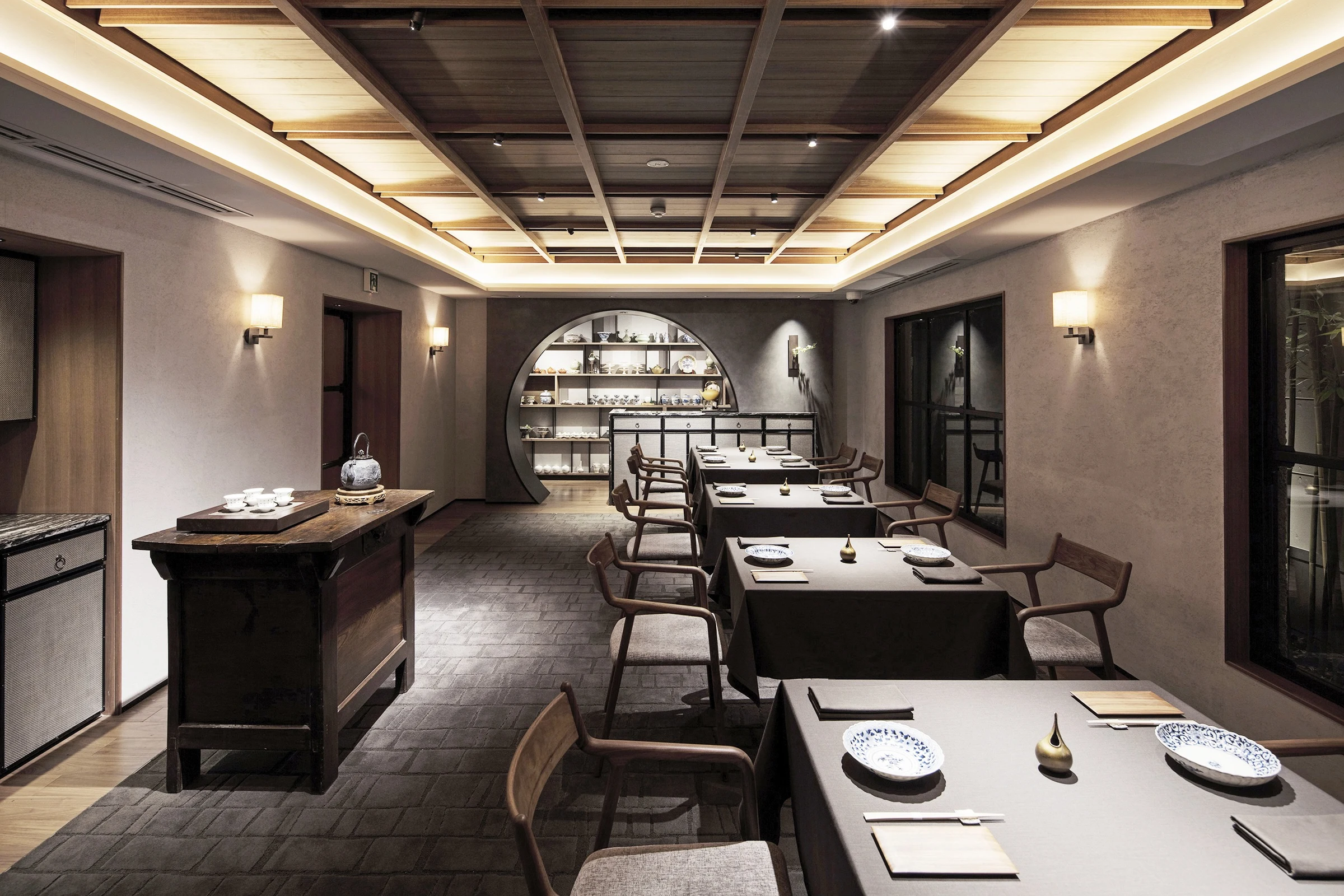
The restaurant’s 2024 Michelin Bib Gourmand recognises a style of service built on pairing logic, generous plating, and a clear decision to make meat part of the architecture of a Japanese meal. In Kawakubo’s work, value is measured not only by portion or price, but by how each glass, plate, and transition supports the whole service. Omakase depends on structure with room for day-of judgment. Kawakubo decides the specifics on the day, using that flexibility to highlight the freshest ingredients possible and keep the meal tied to what is best at that moment. The framework remains in place, while the details stay responsive to the day’s materials. The table is shaped by the beverage program as much as by the food. In Kawakubo’s restaurant, sake from Fukuoka Prefecture may sit alongside shochu, Japanese wine, or craft beer, while the cooking moves through appetisers, tsukuri, and meat with the glass already accounted for. The meal works as a continuous exchange across the evening rather than a set of isolated courses.
FAQ What is Kawakubo Satoshi's current position? Kawakubo Satoshi is chef at Seki Hanare — Japanese. What is Kawakubo Satoshi known for? Sake-focused creative Japanese cooking and kaiseki at Seki Hanare. What recognition has Kawakubo Satoshi received? Michelin Bib Gourmand (2024).
The Sunday letter
Get the next Made By profile in your inbox.
We send one email every Sunday morning with the people we profiled that week.
See a sample of the Sunday emailOne email a week. Unsubscribe from any issue.