i. Biography
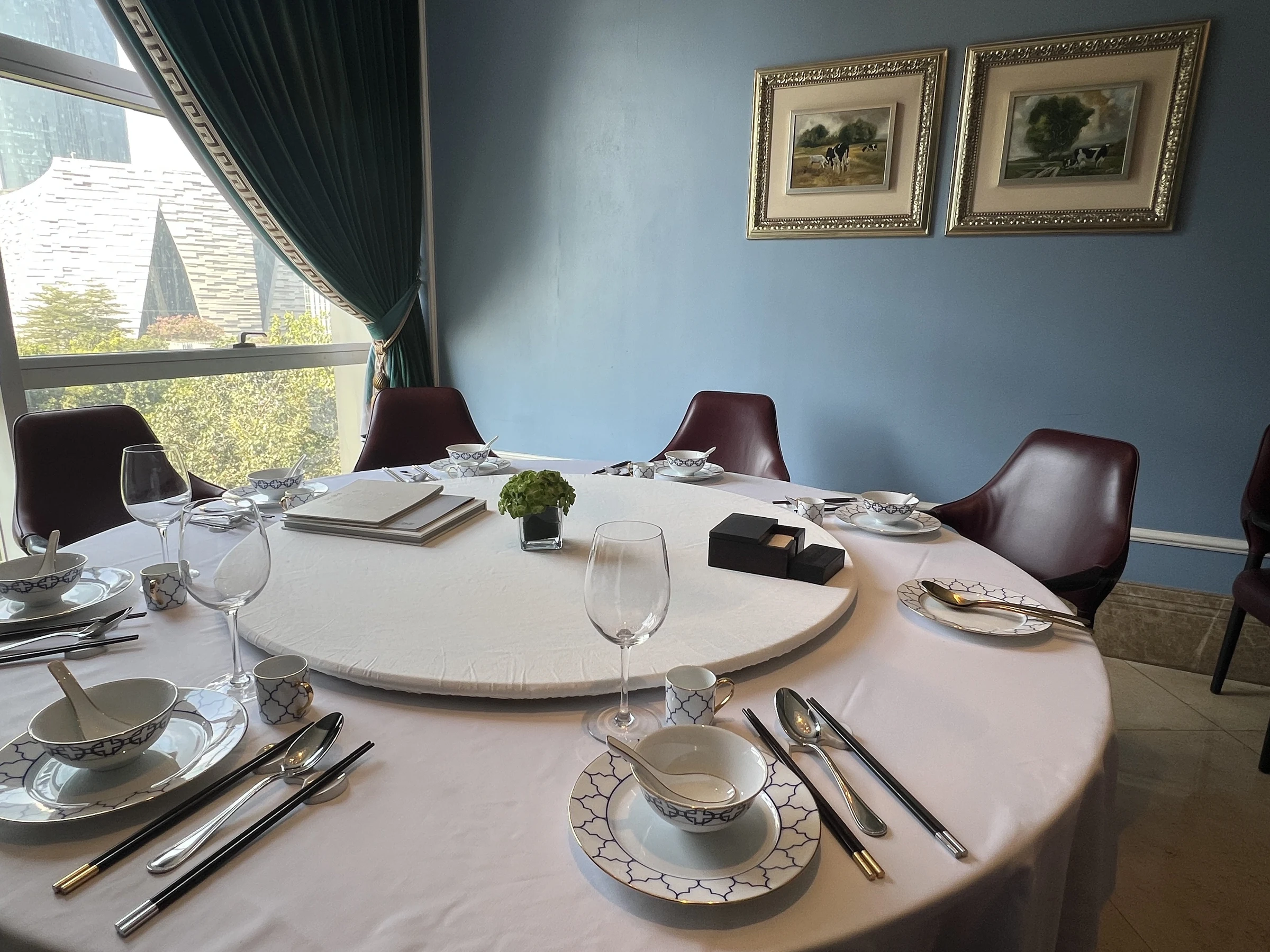
Guangzhou supplies the working context for Chōwa: a dining room where Contemporary Japanese and French cuisine is organized around balance rather than contrast. In Louis Tam’s kitchen, the cross-cultural frame is carried by foundations made in-house — sauces, pickles, plum wine, and bread — each doing practical work in the meal. Depth, acidity, warmth, and texture are built before a plate reaches the table. The piping hot brioche, made with a yudane recipe and noted for its springy texture and softness, puts that position plainly: refinement can start with flour, water, heat, and control.
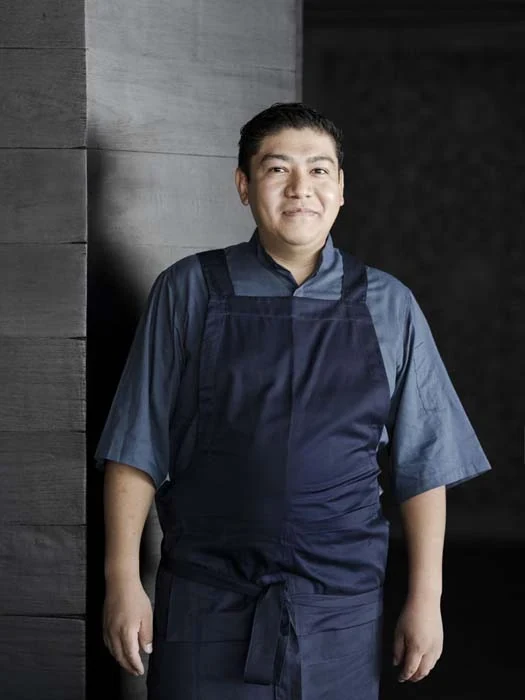
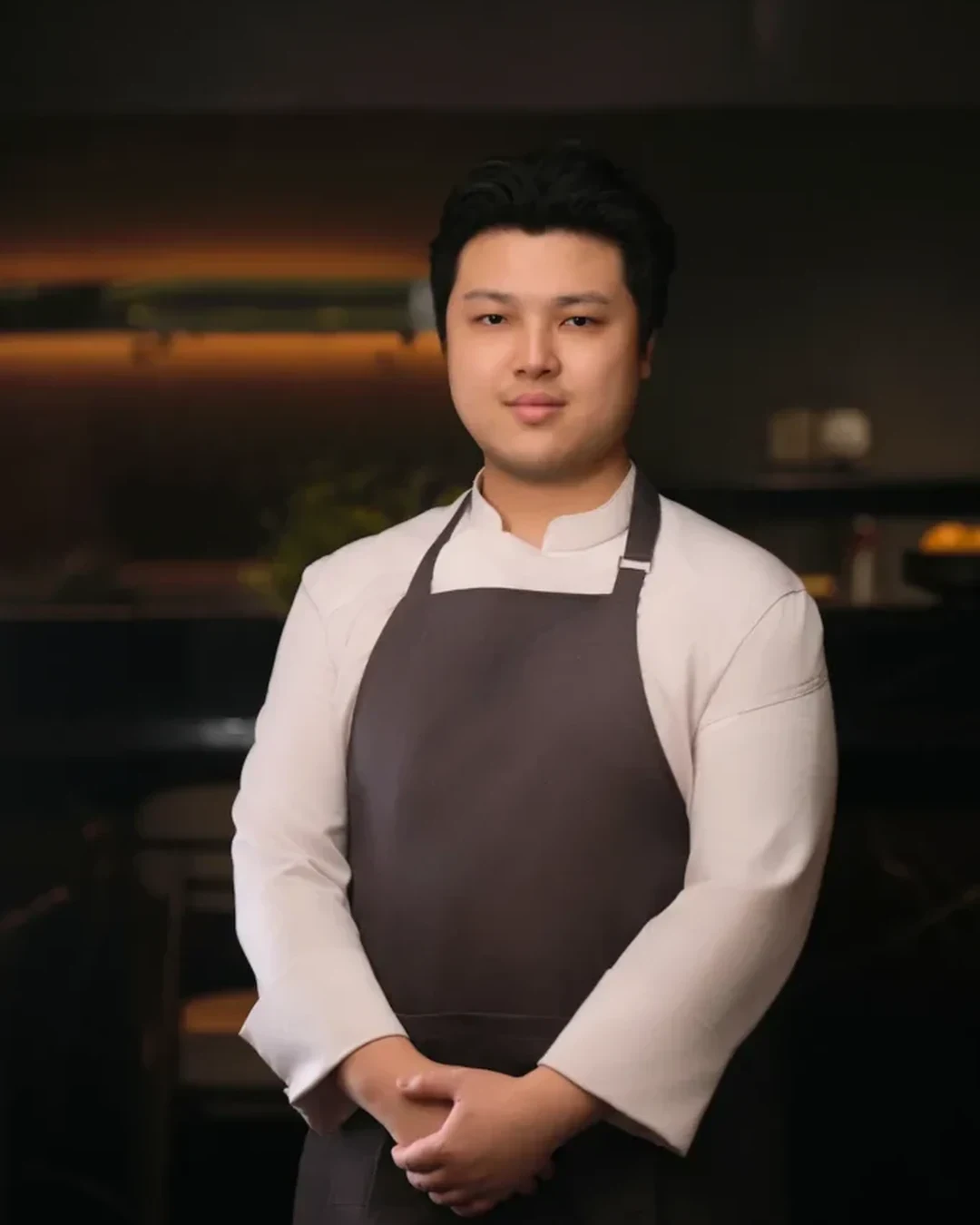
The Place Louis Tam is the chef-founder of Chōwa in Guangzhou, China. Guangzhou gives Chōwa a setting built on appetite, movement, and exchange. The restaurant’s name points to harmony, and the cooking follows that premise through Japanese and French references held in proportion. Technique is not used as a display of range; it is used to make one element sharpen, soften, or steady another. In 2025, Chōwa earned one Michelin star in the MICHELIN Guide, recognition tied to the Guangzhou restaurant and to Tam’s cross-cultural cooking. The award sits on consistency: a room and kitchen built around restraint, precision, and the discipline of giving each component a clear reason to be present. Balance and harmony define the restaurant’s philosophy. Tam describes great cuisine as a dialogue between cultures, people, and nature, which keeps the cooking oriented toward exchange: technique meeting season, craft meeting appetite, and one tradition answering another without overwhelming it.
The Method The method at Chōwa starts with the parts that often stay out of view. Sauces are made from scratch, pickles are prepared in-house, and plum wine is part of its own making rather than a purchased accent. These foundations set the grammar of the meal: acidity, sweetness, depth, and lift established before finishing begins. The piping hot brioche made with a yudane recipe carries the same logic in bread form. Served warm and noted for its springy texture, it relies on hydration, heat, and timing rather than embellishment. Its value is tactile as well as flavorful: soft crumb, warmth, and the controlled resistance that shows the work behind a simple form.
The Range The range at Chōwa is built through texture as much as geography: softness, snap, warmth, acidity, and restraint. The menus are fermentation-forward, giving the cooking depth without heaviness and allowing change, preservation, and brightness to do structural work across the meal. Harmony gives the restaurant its operating principle. Contemporary Japanese and French cuisine, as practiced by Tam at Chōwa, is less a category than a method of organization: structure held against delicacy, richness checked by acidity, and detail kept close to the basics that make flavor durable. Culture, people, and nature remain part of the same table conversation in Tam’s framework. In Guangzhou, that idea is expressed through a Michelin-starred restaurant where the craft begins with foundations made in-house and stays accountable to them.
FAQ What does Louis Tam currently do? Louis Tam is chef at Chōwa — Innovative. What is Louis Tam known for? Contemporary Japanese and French cuisine. What recognition has Louis Tam received? MICHELIN Guide Guangzhou — Young Chef Award (2025).