Lingnan House
In Residence
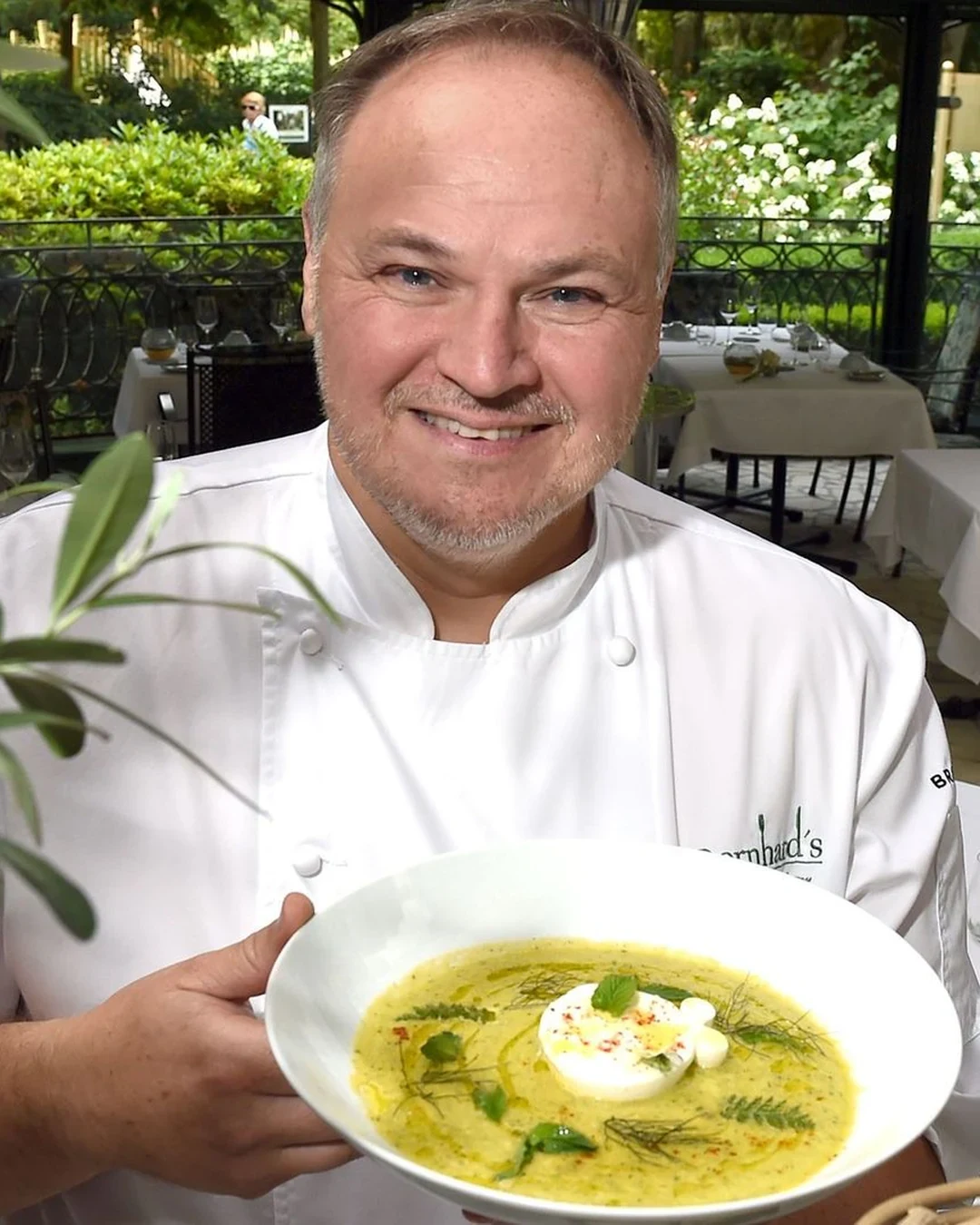
Stéphan Bernhard
Chef
- 01CuisineMichelin-Starred Cantonese
- 02CityGuangzhou, China
- 03RecognitionOne Michelin Star
- 1 Michelin Star · Michelin Guide
- Black Pearl 2 Diamond · 2026
- SCMP 100 Top Tables Restaurants · 2026
- Opinionated About Dining Top Restaurants in Asia Highly Recommended · 2026
- Chinese Restaurant Awards — Elite 15 Asia: Elite 15 Asia #7: 100pts · 2025
- Chinese Restaurant Awards — Top 30 Honouree Asia: Top 30 Honouree Asia: 100pts · 2025
- Michelin 1 Star · 2025
- Michelin 1 Star · 2024
Dining Inside a Heritage Precinct
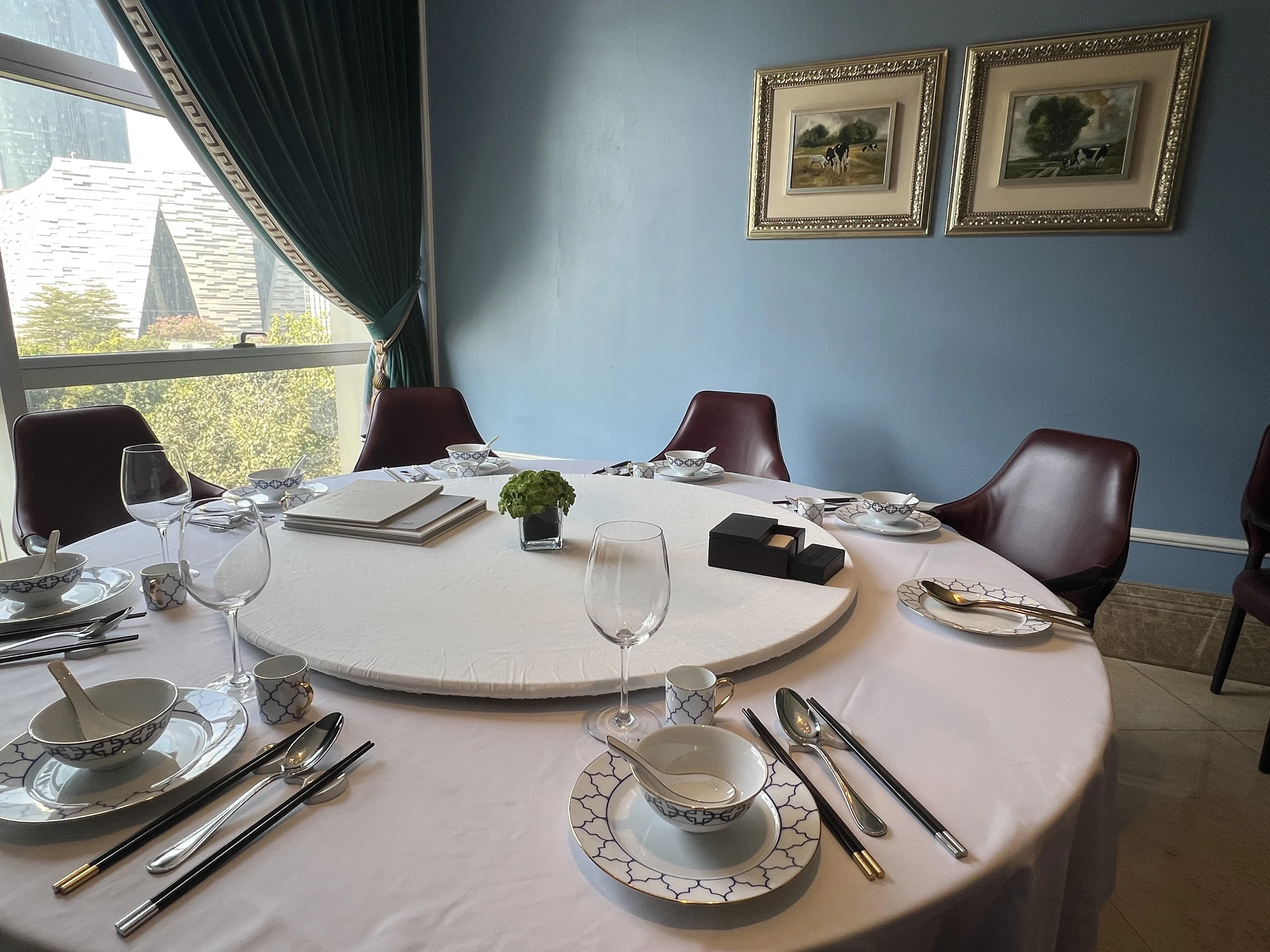
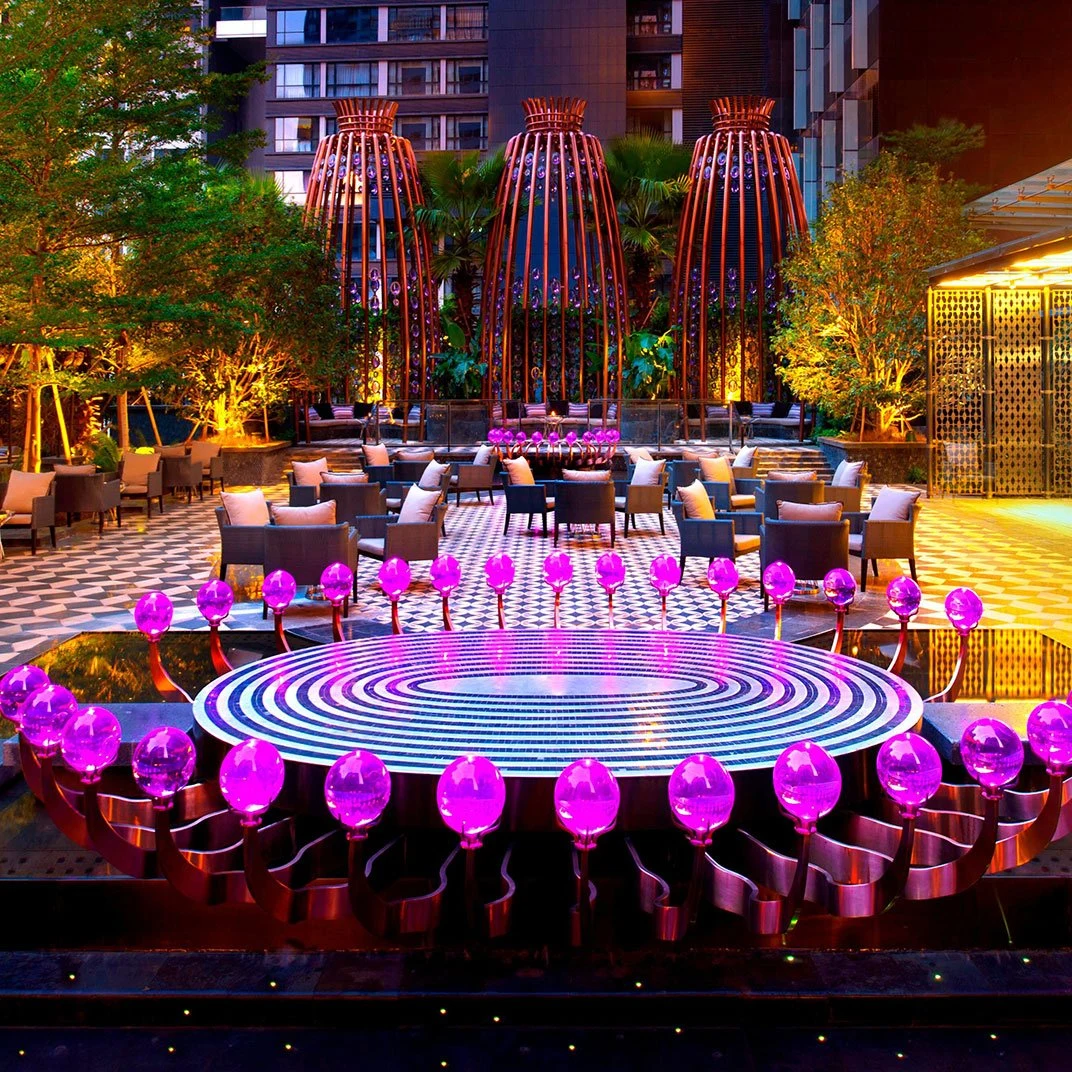
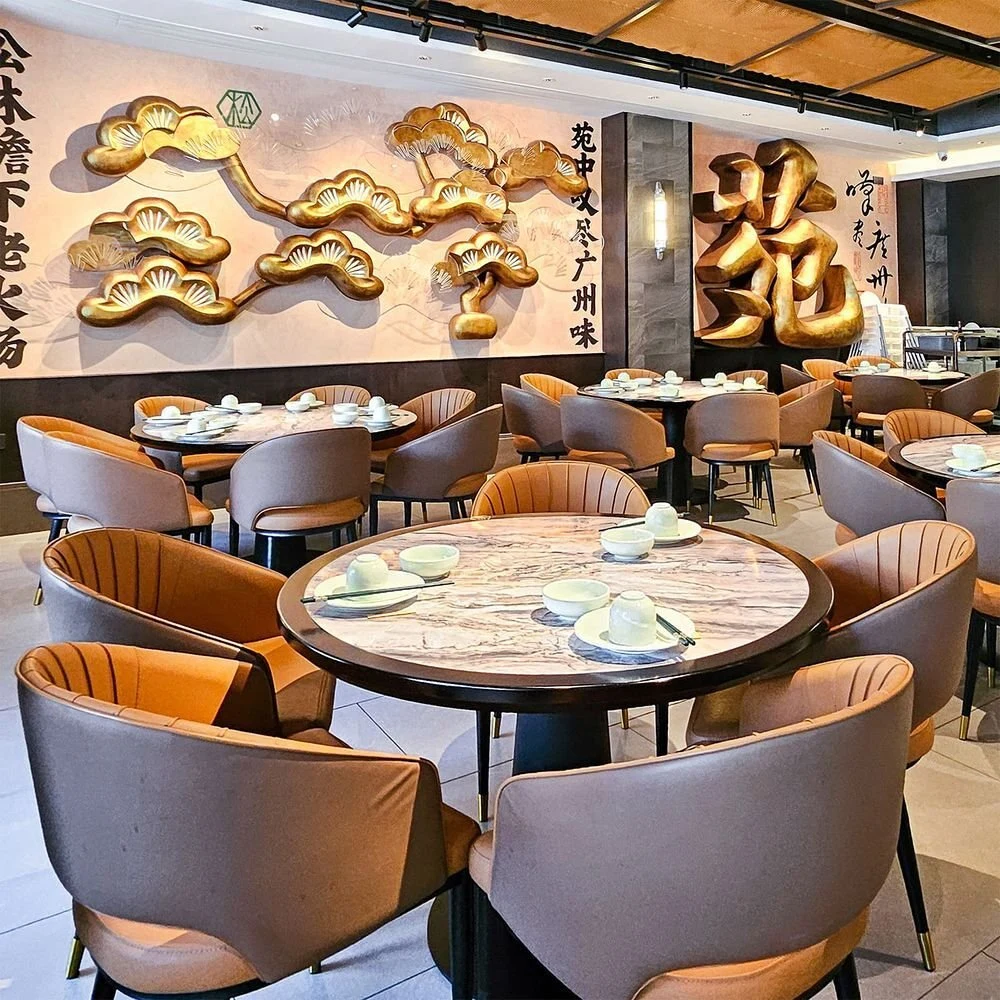
Panyu District sits at some remove from the dense commercial corridors that house most of Guangzhou's recognised dining rooms. The approach to Lingnan House runs through Lingnan Yinshangyuan, a living-culture park that recreates the architectural vocabulary of the Pearl River Delta's historical villages: tiled rooflines, whitewashed courtyard walls, and the particular quiet that comes from a site designed to resist the pace of the city outside it. Arriving here for a significant meal is not the same experience as walking into a hotel restaurant or an urban fine-dining address, and that difference is part of what the occasion requires.
Guangzhou has long held the argument that Cantonese cuisine is best understood here rather than in any of its global offshoots. The city's premium dining tier has attracted institutional names alongside this kind of site-specific address. Restaurants such as Imperial Treasure Fine Chinese Cuisine and Jiang by Chef Fei compete within the same ¥¥¥ bracket and share a commitment to Cantonese form, while Lai Heen and Jade River approach the category from a luxury-hotel positioning. Lingnan House occupies a different register: the cultural setting provides an occasion frame before anyone sits down.
What the Star Means in This Context
Lingnan House has held a Michelin one-star rating in consecutive years, recognised in both the 2024 and 2025 Guangzhou guides. In a city where the Michelin selection is relatively compact, back-to-back recognition at this level is a meaningful consistency signal. It places the restaurant within a peer group of Guangzhou addresses that have demonstrated sustained kitchen discipline rather than a single strong showing.
The kitchen operates under chef Stéphan Bernhard, a European-trained figure working within a Cantonese idiom, a positioning that itself says something about the broader moment in Chinese fine dining, where cross-cultural culinary credentials have become a recognisable category rather than an anomaly. The relevant comparison is not simply other Guangzhou Cantonese rooms but a wider circuit of tradition-grounded Chinese restaurants attracting chefs with international training: Forum in Hong Kong, Le Palais in Taipei, and, further afield, Chef Tam's Seasons in Macau, each represent a strand of the same broader pattern: formal Cantonese or Chinese cooking being treated as a discipline deserving the same rigour applied to European haute cuisine.
The Occasion Argument
Guangzhou's milestone-dining circuit tends to concentrate in hotel ballrooms and the private rooms of large-format restaurants that specialise in family-style banquet service. Lingnan House functions differently. The heritage setting imposes a natural scale, and a Michelin-starred kitchen within a cultural park produces a considered occasion. For visitors to the city planning a single landmark meal, or for locals marking a personal milestone, the combination of setting and consistent critical recognition makes this address a strong celebratory choice.
The ¥¥¥ price tier, shared with the strongest Cantonese competition in the city, signals that the investment is comparable. What distinguishes the choice is the specificity of where you are eating: not a tower restaurant or a hotel lobby, but a room inside a precinct that reconstructs the material culture of the Pearl River Delta's past. That context does not guarantee a meal, but it adds a layer of meaning that purely urban settings cannot replicate.
For broader occasion planning in Guangzhou, BingSheng Mansion on Xiancun Road handles large-group Cantonese banqueting at a different scale and price tier. Both serve legitimate occasion purposes, but for a table of two to four marking a meaningful date, Lingnan House's intimacy-by-setting offers something that banquet formats structurally cannot.
Cantonese Tradition as the Reference Point
Cantonese cuisine is among the most technically demanding of China's regional traditions: its insistence on the quality of the raw ingredient, minimal intervention to preserve natural flavour, and the precise timing required for steamed and wok-fired preparations mean that the craft is exposed rather than hidden by sauce or spice. The leading Cantonese rooms in Guangzhou, Hong Kong, and across the diaspora are distinguished by an almost unforgiving relationship between sourcing and execution. There is nowhere to hide.
Within this tradition, Lingnan House's consistent Michelin recognition implies a kitchen that has satisfied inspectors who know the category well. The Guangzhou Michelin guide evaluates a city where Cantonese cooking is practiced at every level of the market, from dim sum teahouses with decades of neighbourhood loyalty to hotel rooms with imported talent. Earning and holding a star in this context requires more than novelty.
The regional reach of this tradition extends beyond Guangzhou itself. Dai Yuet Heen in Nanjing brings Cantonese form to the Yangtze Delta market, while in other cuisine categories, comparable precision-led Chinese kitchens in cities like Beijing, Shanghai, Hangzhou, and Chengdu demonstrate how seriously China's fine-dining tier now treats regional culinary identity as a point of distinction rather than a limiting category.
Planning the Visit
Lingnan House is located within Lingnan Yinshangyuan in Panyu District, at some distance from the central Tianhe and Yuexiu areas where most visitors to Guangzhou are based. The journey out is part of the commitment the occasion demands; this is not a restaurant you fall into after a meeting. Reservations should be made well in advance, particularly for weekend evenings and during public holidays, when the cultural park itself draws visitors and dining options in the precinct see concentrated demand. Given the consecutive Michelin recognition and the relatively limited size implied by a heritage-site setting, a booking window of several weeks is a reasonable working assumption.
The ¥¥¥ price point places Lingnan House at the upper-middle tier of Guangzhou dining, comparable to peer Cantonese starred addresses in the city.
Questions
Frequently asked
What recognition does Lingnan House hold?
Lingnan House holds 1 Michelin star.
Who works at Lingnan House?
Made By profiles Stéphan Bernhard (Chef) at Lingnan House.
How expensive is Lingnan House?
Lingnan House is listed at a price level of $$$$.
Where is Lingnan House and what does it serve?
Lingnan House is in Panyushi, Guangzhou, serving Michelin-Starred Cantonese.
The field
How it compares
| Place | Awards | Cuisine | Notes |
|---|---|---|---|
| Lingnan House | Michelin 1 Star | Michelin-Starred Cantonese | Panyushi, $$$$ |
| BingSheng Private Kitchen (Tianhe East Road) | Michelin 1 Star | Michelin-Starred Cantonese Private Kitchen | Guangzhou |
| Chōwa | Michelin 1 Star | Franco-Japanese Fusion | Guangzhou |
| Imperial Treasure Fine Teochew Cuisine | Michelin 1 Star | Fine Teochew Cuisine | Guangzhou |
| Jiang by Chef Fei | Michelin 2 Stars | Modern Cantonese Fine Dining | Guangzhou |
| Lingnan Haiyanlou (Binjiang East Road) | · | Cantonese | Guangzhou |
| Song Chinese Cuisine | Michelin 1 Star | Modern Sichuan Cuisine | Guangzhou |
In residence
Similar places
Michelin-Starred Cantonese Private Kitchen
BingSheng Private Kitchen (Tianhe East Road)
Guangzhou, China
★
Franco-Japanese Fusion
Chōwa
Guangzhou, China
★
Fine Teochew Cuisine
Imperial Treasure Fine Teochew Cuisine
Guangzhou, China
★
Modern Cantonese Fine Dining
Jiang by Chef Fei
Guangzhou, China
★★
Cantonese
Lingnan Haiyanlou (Binjiang East Road)
Guangzhou, China
Modern Sichuan Cuisine
Song Chinese Cuisine
Guangzhou, China
★