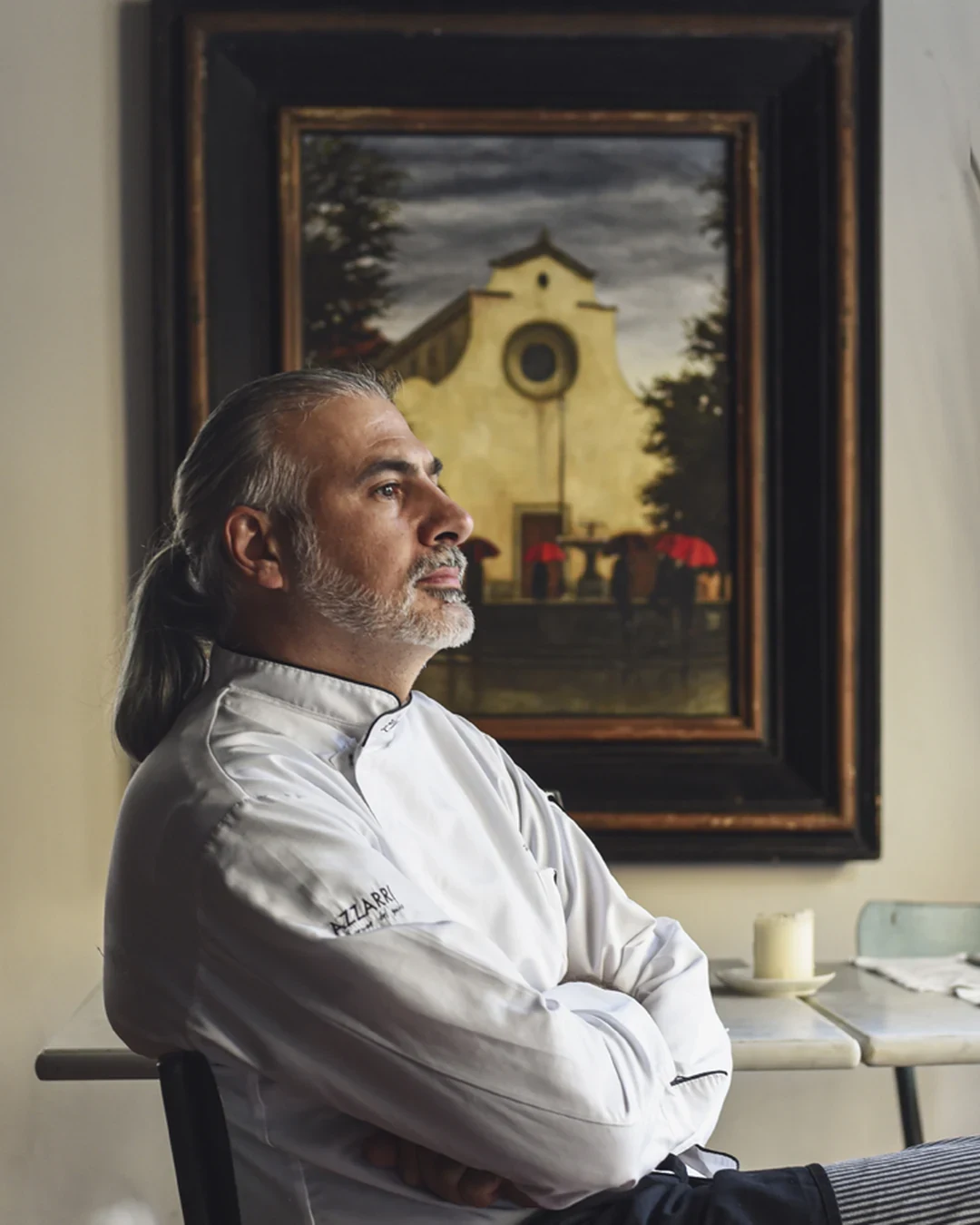
i. Biography
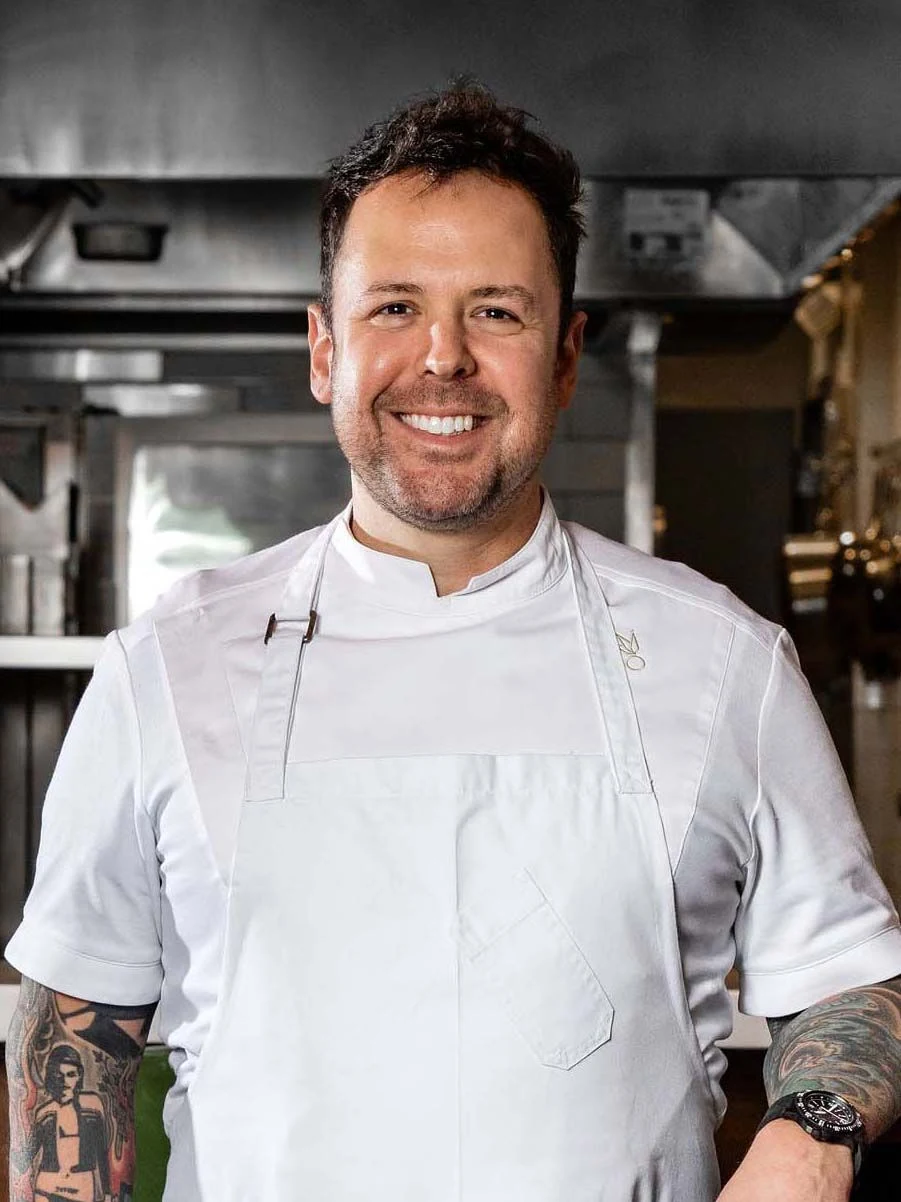
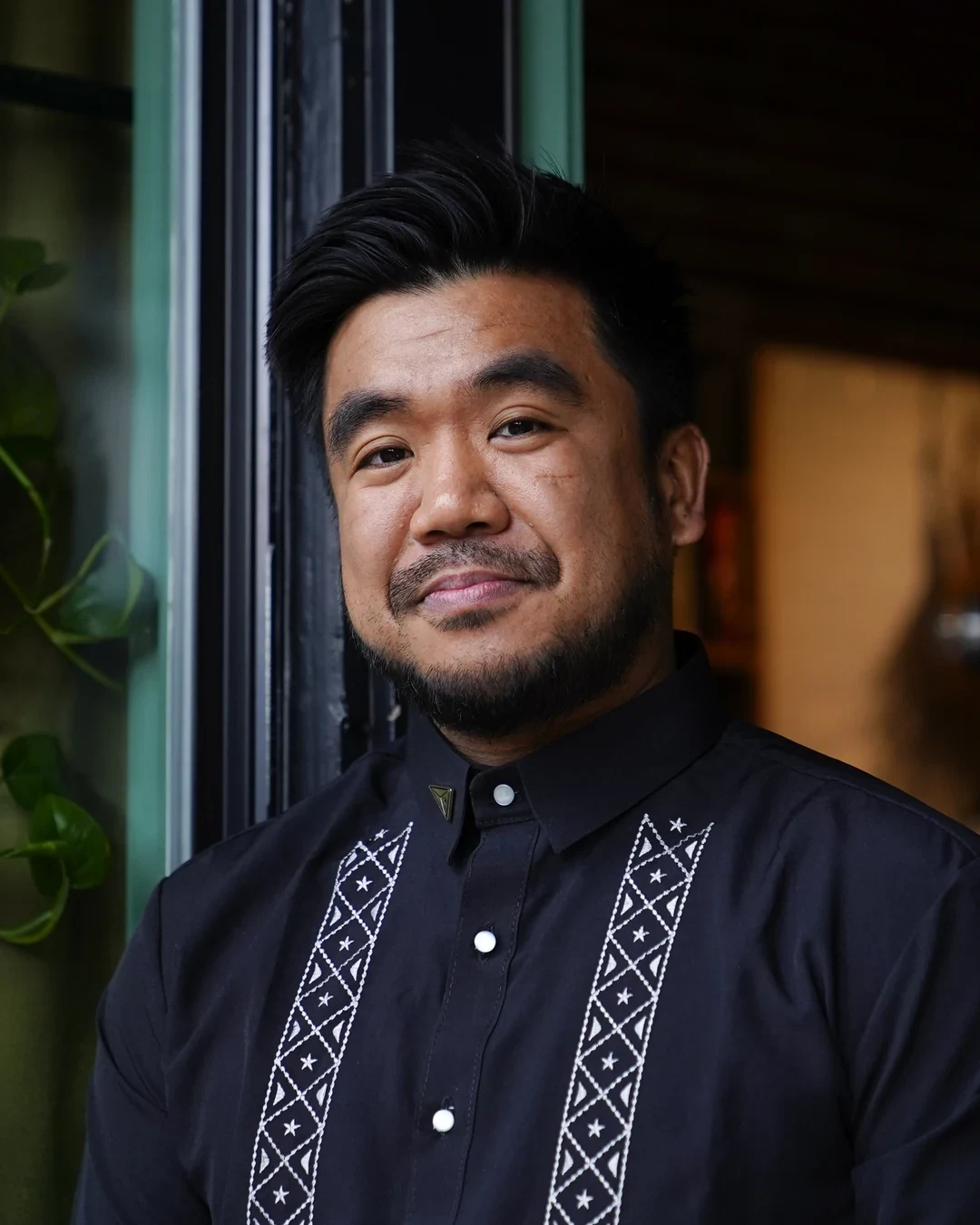
Modern Tuscan cooking at Il Santo Bevitore works from season, produce, and the tavern grammar of Florence. Luca Marin, born in Treviso, brings a northern Veneto reference point into that frame without shifting the restaurant away from its Tuscan focus. The useful craft problem is translation: memory from one region held inside the forms, appetite, and expectations of another. At Il Santo Bevitore, the register is Modern Tuscan cooking built on seasonal Italian produce and a lighter handling of tavern classics. The trattoria table remains the reference, but the weight is reduced, the freshness brought forward, and the combinations kept legible. The cooking aims to stay rooted without becoming fixed, contemporary without losing the generosity that defines Florentine dining.
The Climb
Today, Luca Marin is chef of Il Santo Bevitore. Leading a kitchen in Florence carries a specific obligation: place has to remain visible without becoming repetition. In Marin’s case, the route from Treviso to Florence is read through the cooking now on the plate rather than through a catalogue of prior stops. The Veneto remains as background memory; Tuscany sets the working language.
Today
At Il Santo Bevitore, Marin is head chef and cooks in a register best described as modern Florentine cuisine: simple, modern versions of Florentine dishes, grounded in freshness, ingredient quality, skilled cooking, and intelligent combinations. The menu changes with the seasons, using regularly changing produce and giving Tuscan tavern classics a lighter, more refined interpretation. This is a kitchen organized by restraint as much as expression. Seasonal ingredients set the rhythm, and the familiar grammar of Tuscany gives the work its structure. The craft is in making a dish read clearly: clean flavors, controlled textures, and combinations that feel deliberate rather than decorated. Hospitality here also includes the non-drinker. Marin states the standard directly: "People who don’t drink have a right to enjoy themselves just as much as someone who does." In a city where tradition can harden into script, the work at Il Santo Bevitore remains seasonal, Tuscan, and deliberately contemporary. Contemporary, in this context, is not novelty for its own sake. It is a way of treating Florence as a working city rather than a display case, and of handling tavern food as a living form capable of lightness, nuance, and renewal.
Career - Chef — Il Santo Bevitore, Florence, Italy
Signature
Signature dishes include Risotto with lobster and Calamari stuffed with artichokes and mint. The signatures show a preference for balance over display. Risotto with lobster works in a richer register, but inside Marin’s broader language it is still governed by clarity and control. Calamari stuffed with artichokes and mint uses herbaceous and vegetable-led brightness, showing how a classic idea can be sharpened without being overworked.
In Their Words “Though I’m from the Veneto, our menu is always weighted towards Tuscany, so we’ve got wild boar ravioli, which are served with parmesan foam and a smoked broth seasoned with onions, speck, marrow and leeks.” “People who don’t drink have a right to enjoy themselves just as much as someone who does.”
Recognition
Recognition for this kitchen rests on a defined body of work at Il Santo Bevitore: Modern Tuscan dishes, seasonal Italian produce, and Florentine classics made lighter without losing their tavern roots. The other named dishes extend the same method. Lobster risotto with cauliflower and coffee-scented oil, calamari with artichokes and mint, and pasta with Spilinga ’nduja and Pecorino cheese each use familiar Italian references through freshness, quality, and disciplined combinations rather than excess. The through-line is proportion: the right seasonal ingredient, the right accent, and a Florentine table made more attentive to its own range.
FAQ What is Luca Marin's current role? Luca Marin is Head Chef. What is Luc