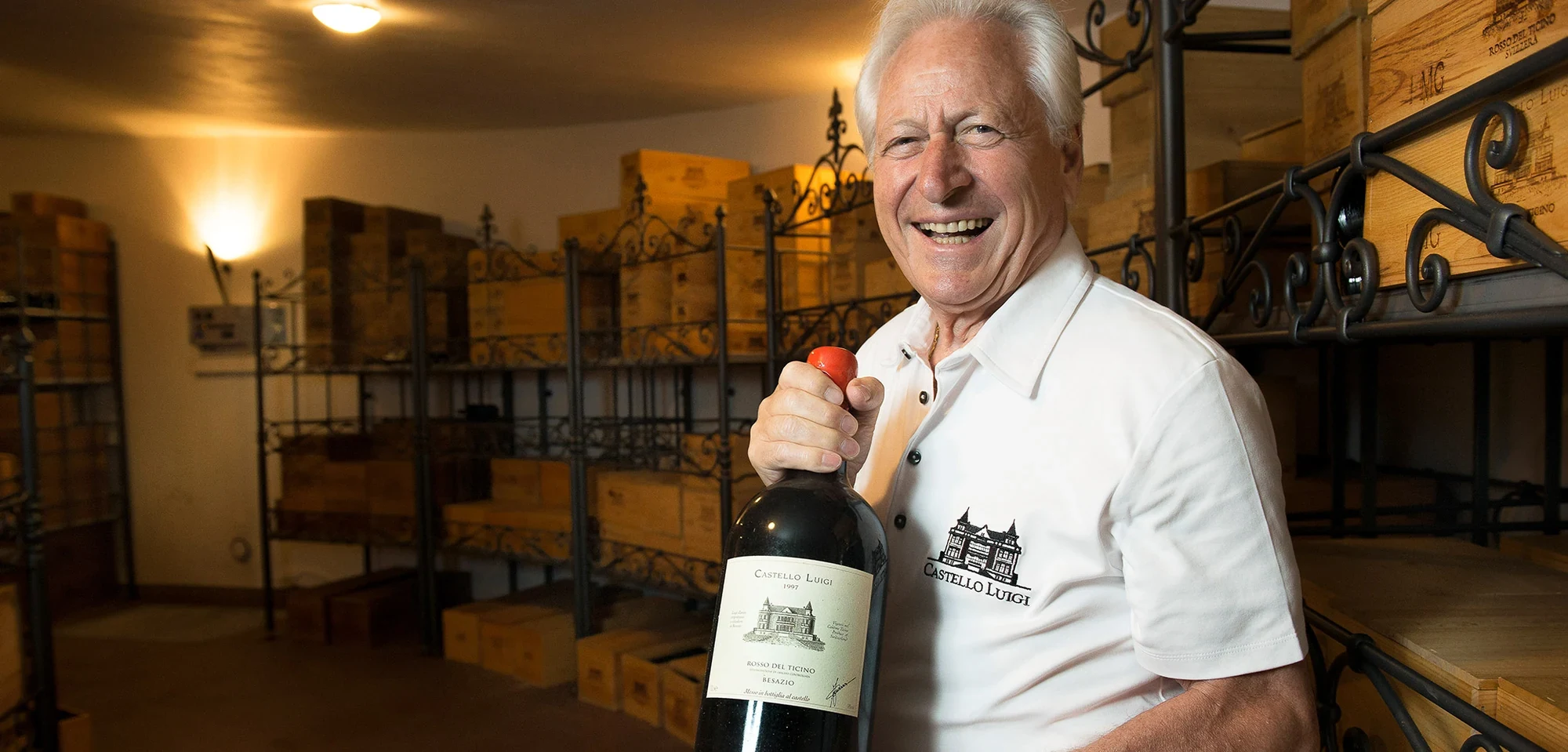
Portrait of Luigi Zanini
i. Biography
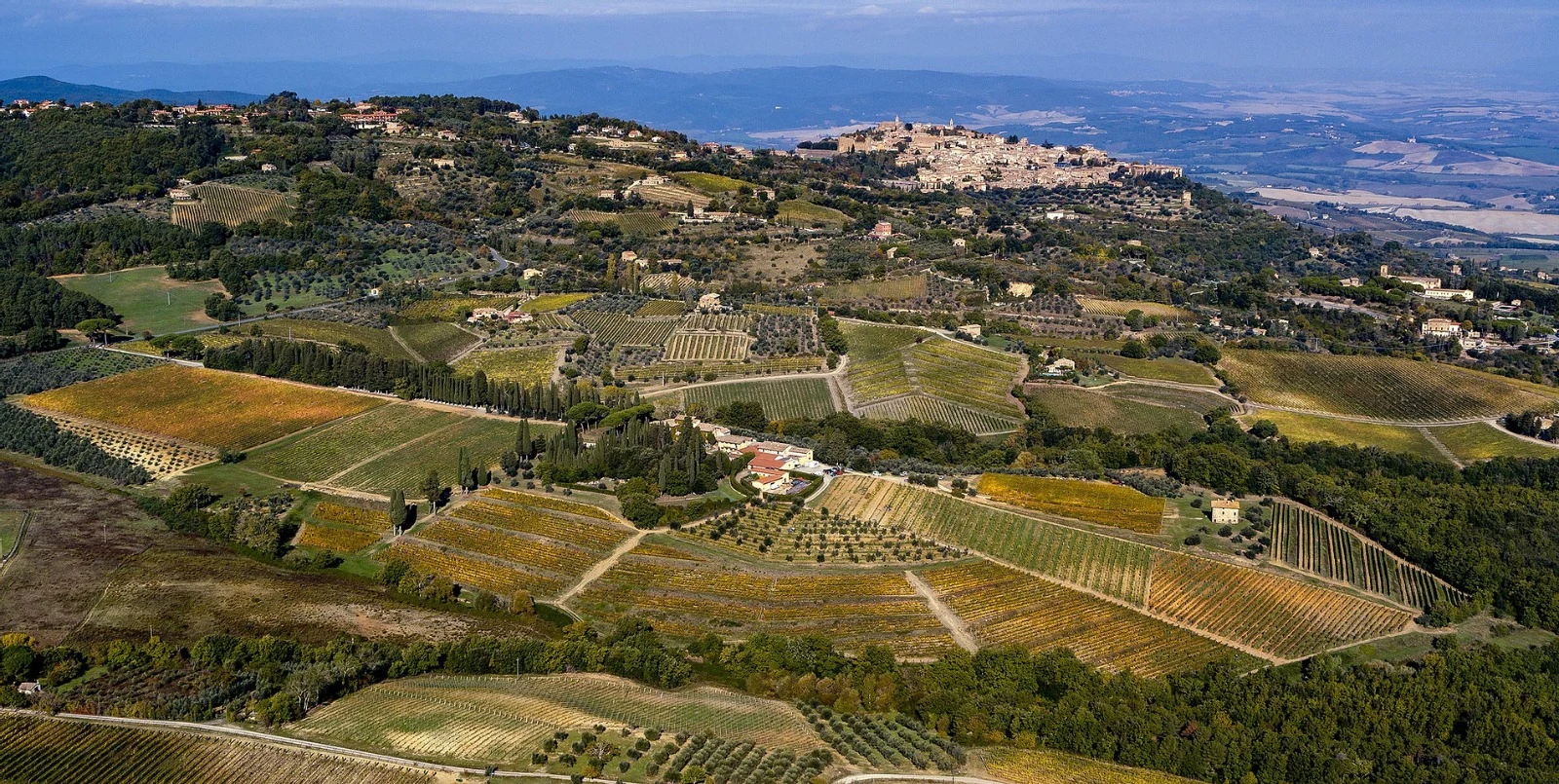
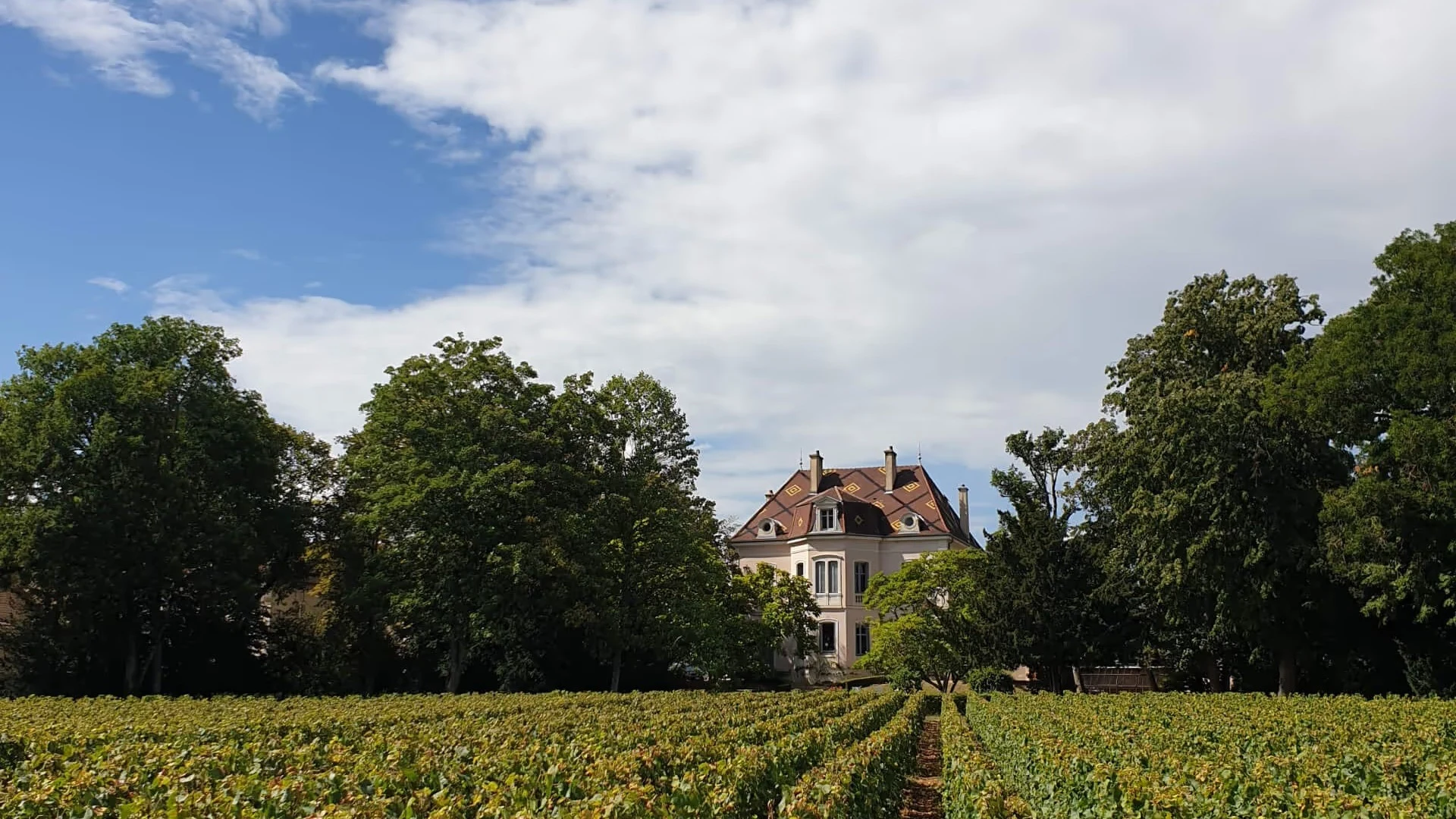
Luigi Zanini works at the point where production and import meet. In Switzerland, that means reading both the maker’s intent and the market’s expectation with the same discipline. The line from school — that being bullied pushed him to find a way out — sits underneath the work as a blunt measure of resolve: composure under pressure, and no appetite for being defined by it. In Besazio, that same steadiness is carried by Castello Luigi - Zanini, where integrated-production wines from Ticino keep the place visible in the bottle.
The Philosophy The line that best explains the method is also the simplest: “I started martial arts in ’77, so a few years ago, about 46 years ago.” That is training described as duration, not drama. For an artisan, it points to repetition as a standard of work, and to endurance as a craft value rather than a personal myth. The same structure appears in the wine side of the business. In 1985, Zanini founded Vinattieri, and from there the work has held two linked responsibilities: producer and importer of fine wines in Switzerland. That combination asks for control at both ends. It requires attention to origin, to handling, to reputation, and to the slow facts that shape a wine once it leaves the cellar. The wines themselves are described through integration. Castello Luigi - Zanini presents its bottles as integrated-production wines from Ticino, a phrase that keeps vineyard, cellar, bottle, and table in the same frame. Nothing is treated as a detached finish. The work reads as a chain of decisions, each one meant to preserve what came before it.
In Practice At Castello Luigi - Zanini in Besazio, Switzerland, the named bottlings give the method a clear record. Rosso Del Ticino earned 95 Falstaff points in 2011. The number is one measure; the other is the wine’s fixed relation to Ticino and to the estate name attached to it. The white wines are marked with the same precision. Bianco del Ticino Castello Luigi, a Chardonnay from the same cellar, earned 94 Falstaff points in 2016. A 2012 Bianco del Ticino was described as an opulent Chardonnay with great texture, which places the emphasis on breadth and tactile presence rather than sharp edges alone. Belvedere del Castello Luigi, a new 2023 vintage wine referenced by the winery, keeps the sequence current. Set against the earlier Falstaff-recognized bottles, it shows the line of work continuing in Besazio, with the same estate name carrying forward through the vintages.
In Their Words Zanini’s own language stays plain. The school memory is stated without ornament, and the martial-arts timeline is given as a count of years rather than a performance claim. That tone matters in trade terms: it keeps the emphasis on practice, repetition, and persistence. The result is a profile built from decisions rather than declarations. Luigi Zanini founded Vinattieri in 1985, worked as both producer and importer of fine wines in Switzerland, and attached his name to Ticino wines that can be tracked by vintage, score, and style. The record stays close to the bottle. That specificity is the point. Rosso Del Ticino, 95 Falstaff points, 2011. Bianco del Ticino Castello Luigi, 94 Falstaff points, 2016. A 2012 Bianco del Ticino with great texture. Belvedere del Castello Luigi in 2023. The details do the work.
Signature
Luigi's signature wines include Rosso Del Ticino, Bianco del Ticino Castello Luigi, and Belvedere del Castello Luigi.
FAQ What is Luigi Zanini's current role? As of 2026, producer and importer of fine wines in Switzerland. What is Luigi Zanini known for? The winery's wines are presented as integrated-production wines from Ticino, and the 2012 Bianco del Ticino was described as an opulent Chardonnay with great texture.