Chef
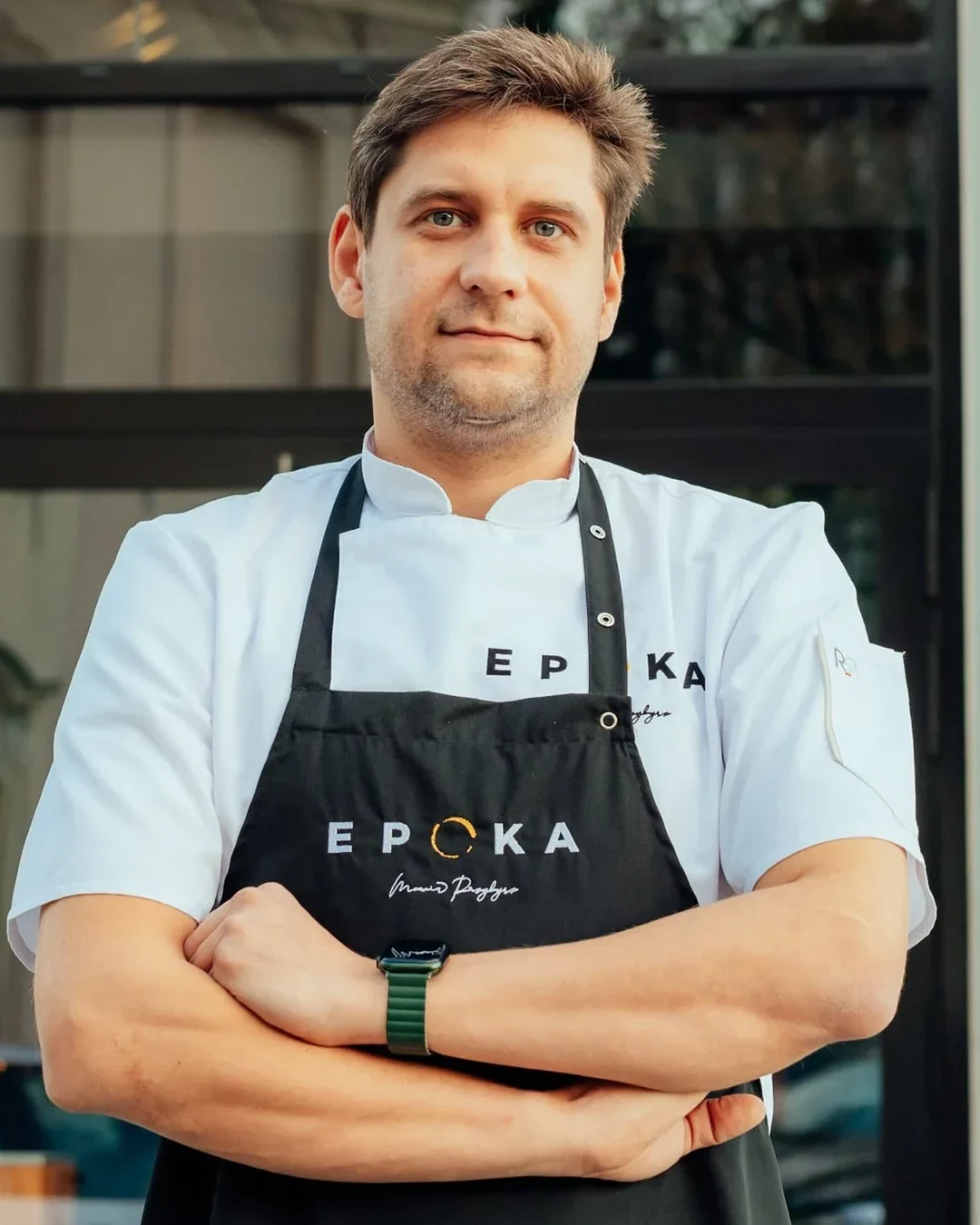
Marcin Przybysz
Head chef and creator of the restaurant concept
- Discipline
- Chef
- Based in
- Warsaw, Poland
- Venue
- Epoka · Restaurant
i. Biography
The Path
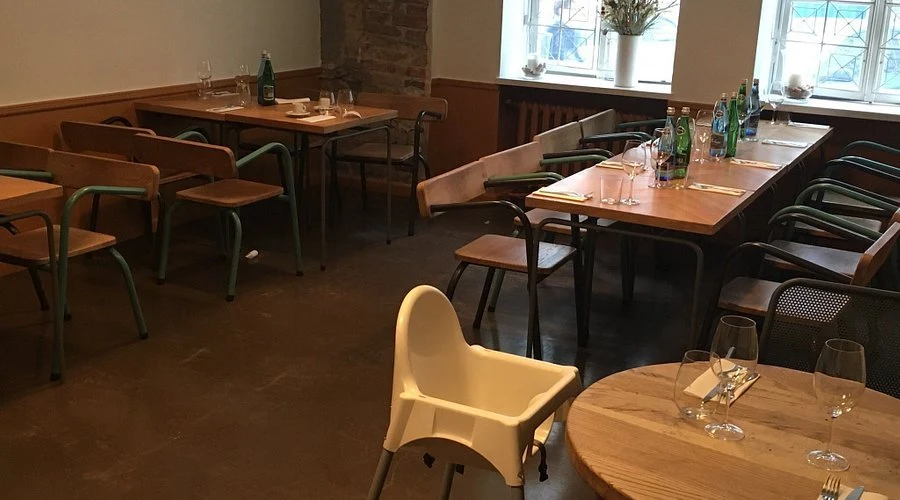
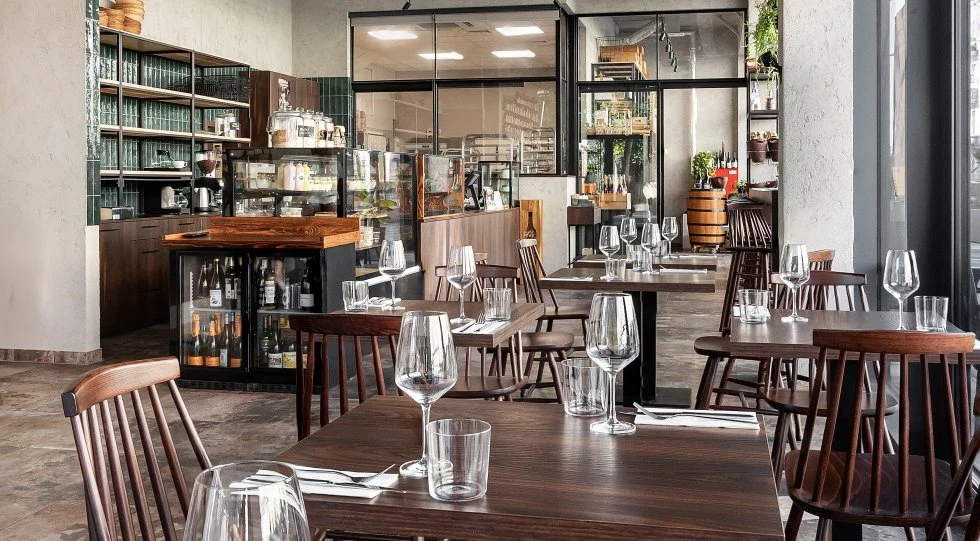
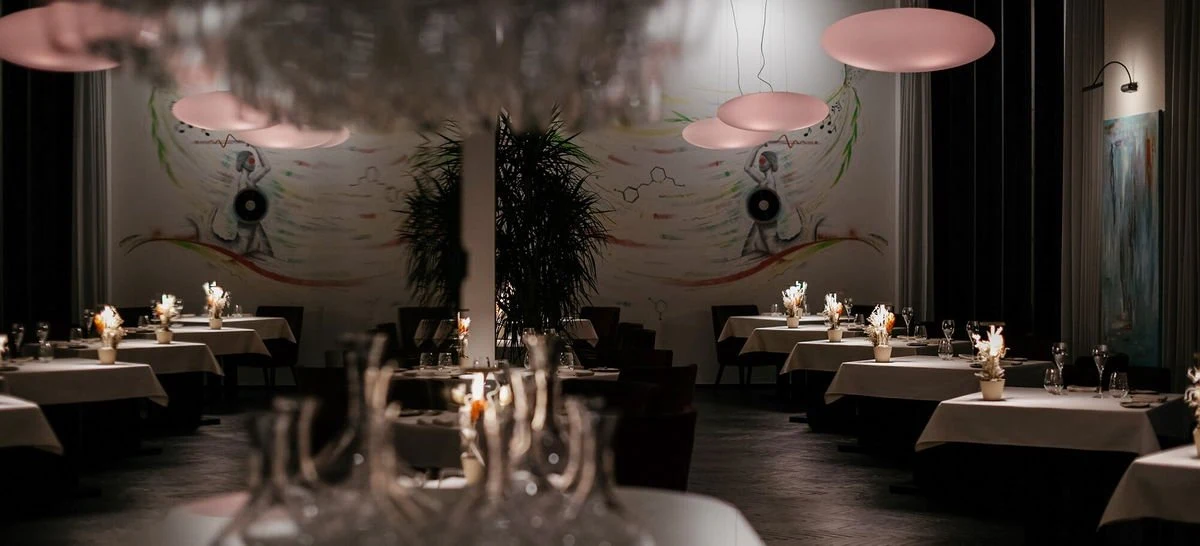
At Epoka in Warsaw, Poland, Marcin Przybysz worked as head chef and creator of the restaurant concept, using the kitchen as a place to handle Polish culinary heritage with precision rather than nostalgia. The work centered on Historic Polish cuisine, with old recipes brought back in a form that read clearly on the plate: modern in presentation, controlled in execution, and rooted in the archive.
The Work Today
The current chapter places him in Thailand after a Warsaw period shaped by research into old Polish culinary sources and modern plating. That earlier work set the method: read the sources, taste the references, refine the details, then translate them into a language that feels current without severing the link to tradition. The practice depends on restraint, with invention kept in balance by discipline and by attention to what survives in old cookbooks and culinary memory.
Career - Head chef and creator of the restaurant concept — Epoka, Warsaw, Poland
Signature
French-Style Cold Asparagus sits within Marcin Przybysz’s signature dishes and shows the register of the kitchen: exact, composed, and built around freshness, texture, and aroma. The name itself signals a style that can move across culinary references while keeping the finished plate clear, controlled, and elegant.
In Their Words “At Epoka we create memories, without unnecessarily intimidating our Guests we encourage and engage in a discussion about interesting life and good taste. We want the “Epoka experience” to become an addictive experience.” “I study historic culinary books from the epochs which give me inspiration for unknown and surprising combinations that I interpret in a modern way, crossing the boundaries of time, form and taste.” Read together, those lines place hospitality and research in the same working frame. The guest is treated as part of the conversation, not an audience to be impressed, while historic books function as working material rather than objects of reference. The focus stays on making old ideas usable again, without losing the discipline that keeps them legible.
Acclaim
The clearest marker of the craft is the work itself: a 1926 recipe source, a Historic Polish frame, and a plate built from asparagus, citrus, egg, dairy, butter, and elderflower vinegar. The value is in the structure of the dish, where the old source is carried forward through a contemporary eye and assembled with enough control for each element to hold its place.
FAQ Where did Marcin Przybysz work before? Marcin Przybysz's earlier career included Epoka. What is Marcin Przybysz known for? Historic Polish cuisine in a modern interpretation.