Winemaker
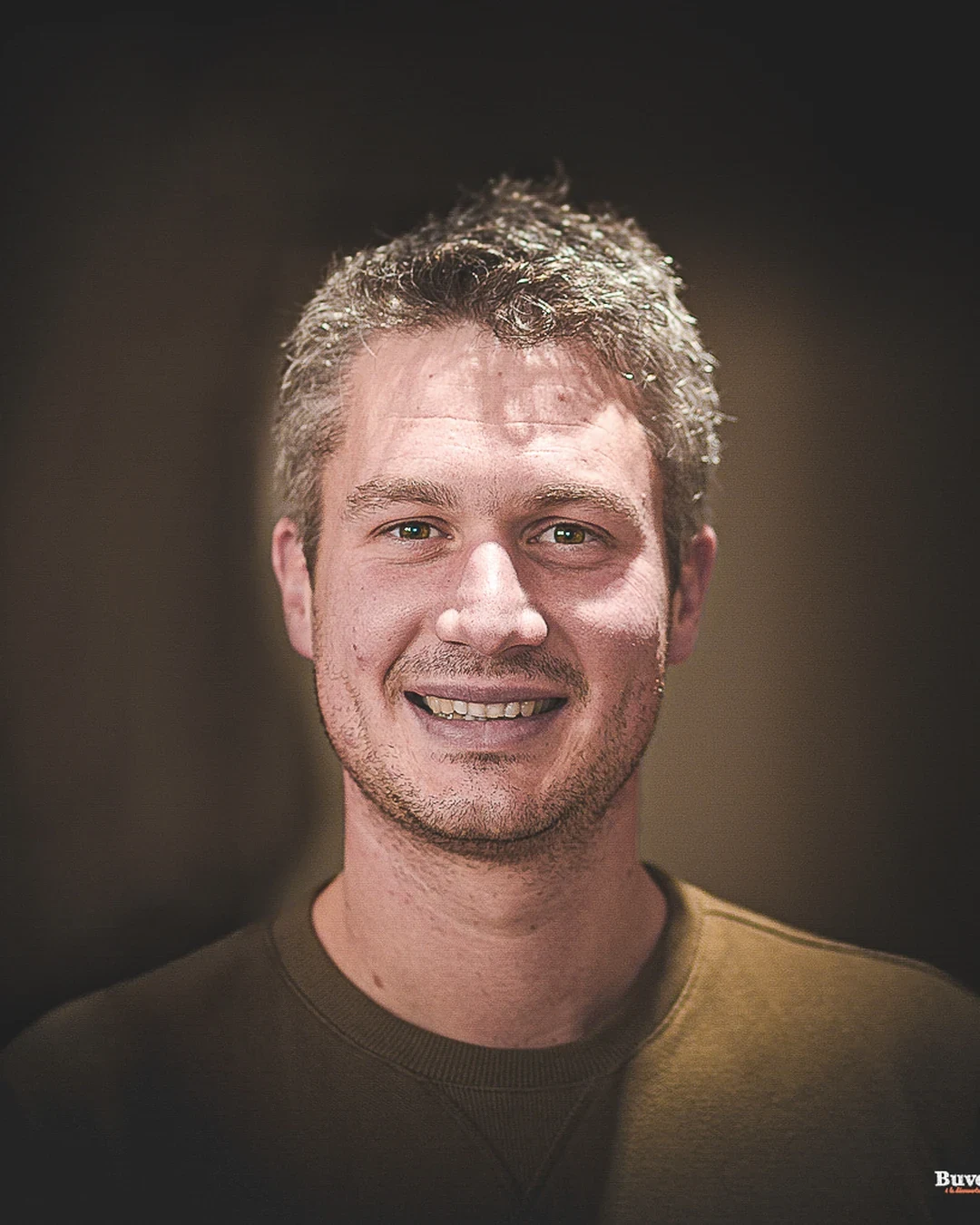
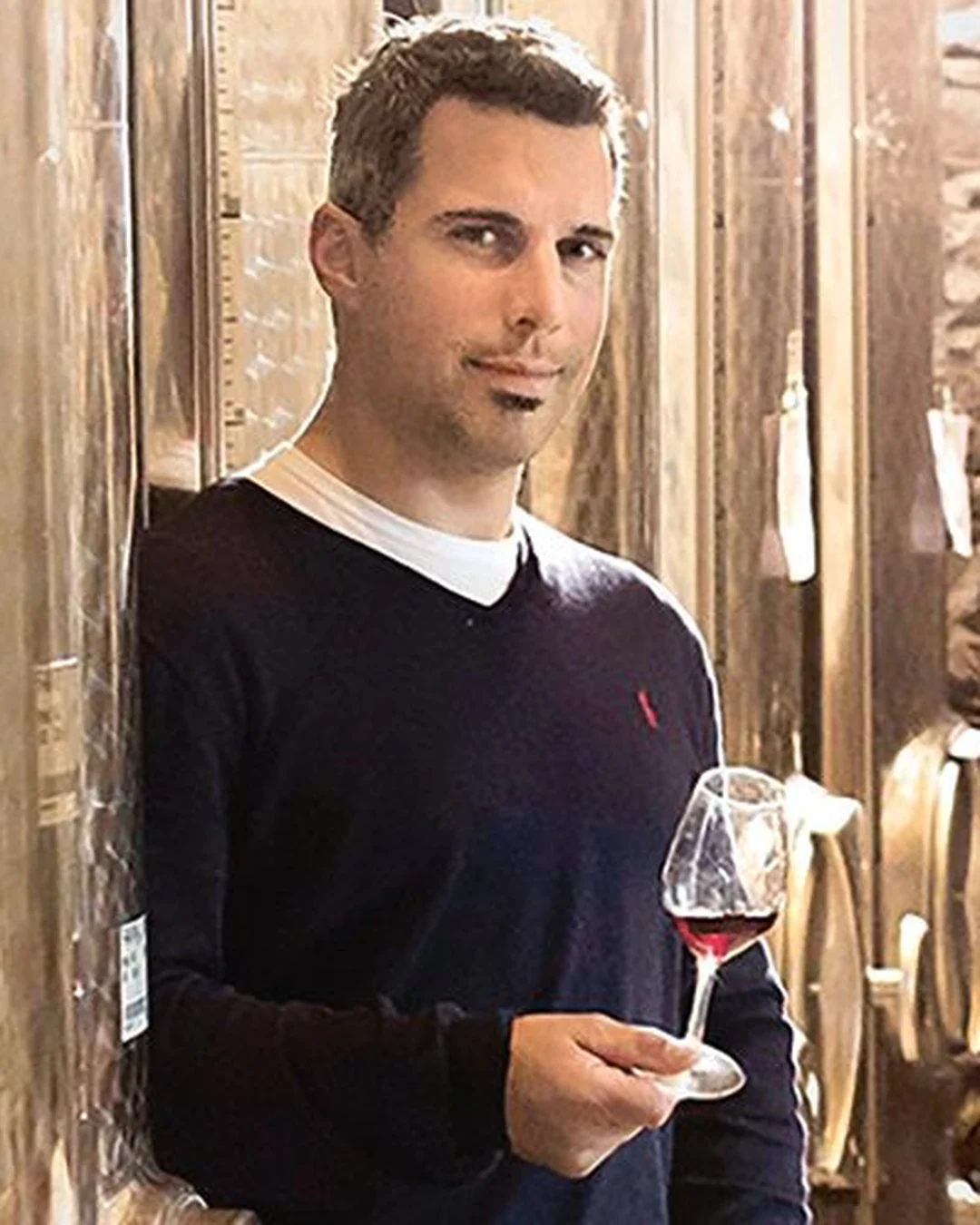
Mathias Brunner
- Discipline
- Winemaker
- Based in
- Eich, Switzerland
i. Biography
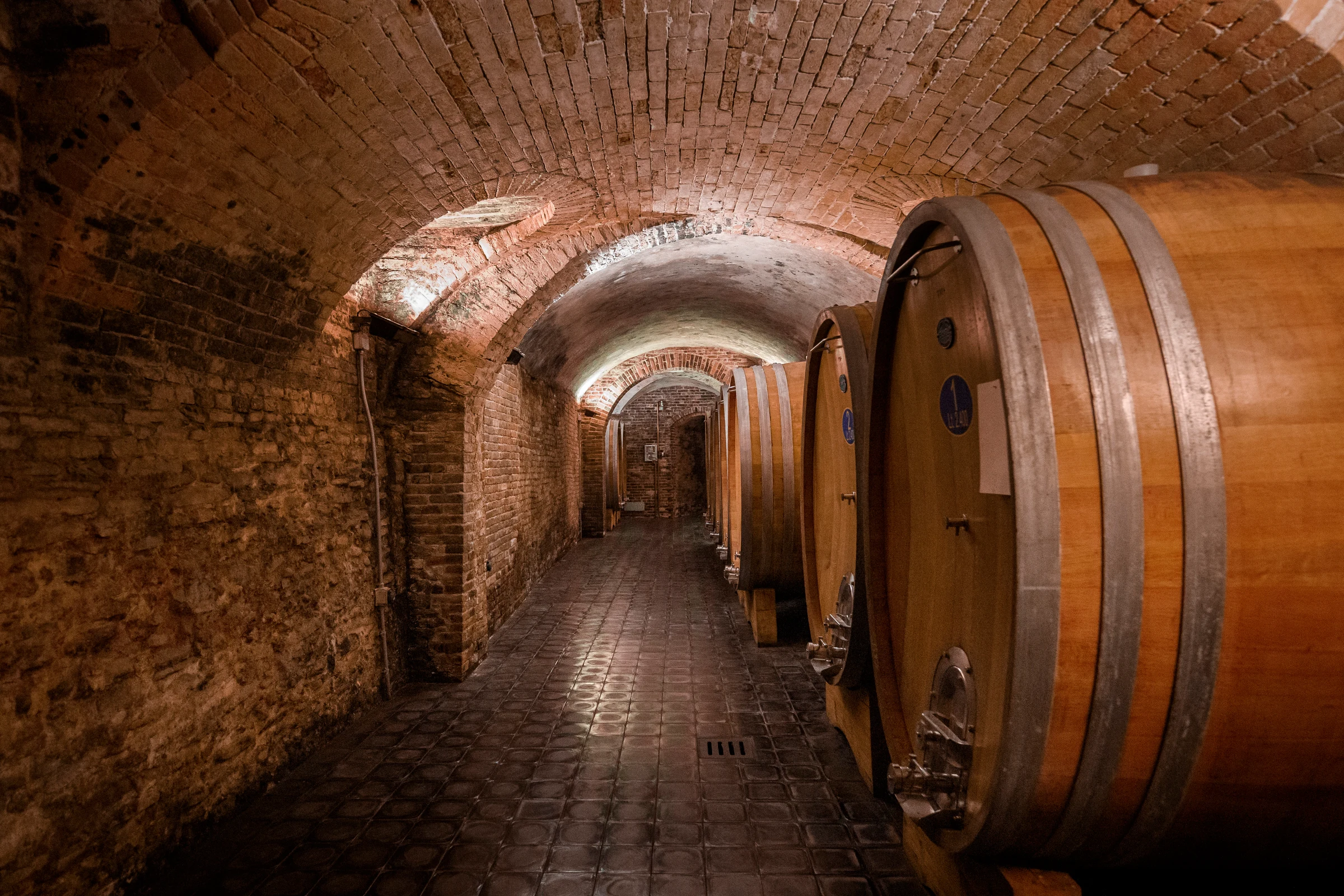
"Now comes the phase of 'controlled doing nothing', in which the wines develop their aromatics and obtain their harmony." For Mathias Brunner, winemaking at Brunner Weinmanufaktur in Eich, Switzerland, is not only intervention, but restraint: the decision to act, then to wait, and to let vinification find its balance. That belief sits behind his work as winemaker and owner of Brunner Weinmanufaktur AG.
The Philosophy The language around Brunner’s work is precise because his formation is precise. He holds the credential Dipl. Ing. FH Oenology and studied at ZHAW School of Engineering, a background that gives his cellar philosophy a technical spine without reducing wine to technique alone. His own words keep returning to the tension between knowledge and patience. "We press all our wines according to the latest findings of oenology." The sentence is exacting, almost spare, and it names the intellectual discipline behind the wines: oenology as a working method, not an ornament. Yet the next movement is quieter. The phrase "controlled doing nothing" is the heart of the idea, a way of describing cellar time as active attention rather than absence. In that phase, the wines develop aromatics and obtain harmony, and the winemaker’s role is to recognize the difference between necessary action and unnecessary force.
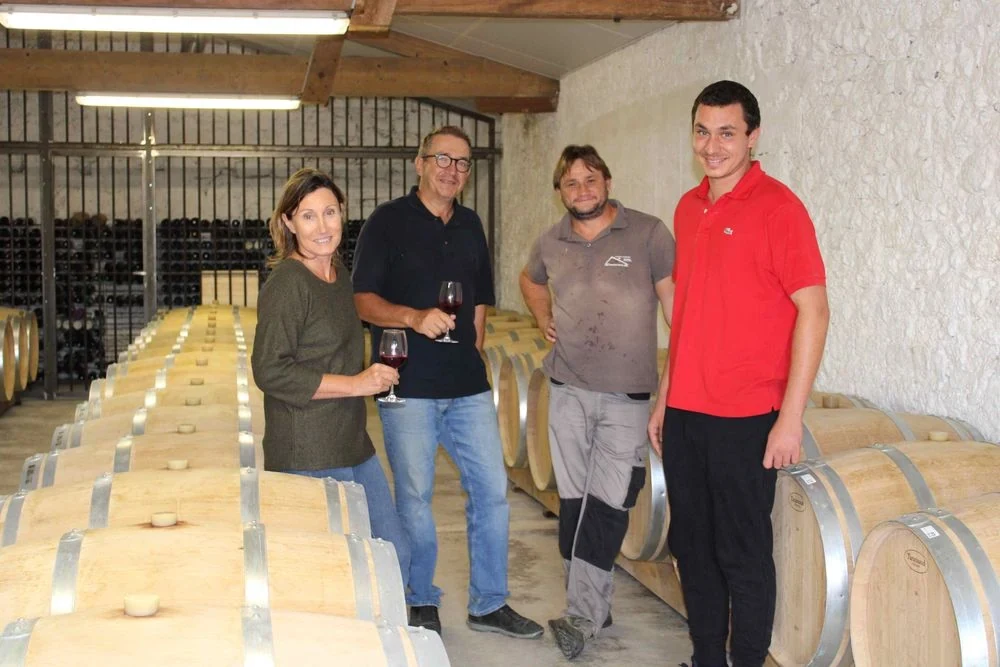
In Practice The winery began with recovery. Cristina Brunner and Mathias Brunner founded their own Weinmanufaktur in 2008 after starting the revival of the nearly century-fallow vineyard behind the Kommende Hitzkirch the previous year. They set the project up as a modern, family-run winery in Central Switzerland, with a vision to revive fallow vineyards in the Hitzkirch region. That origin gives the work a particular scale: family-run, regional, and rooted in land brought back into cultivation. The career path attached to Brunner is the winery itself, where the practical subject is vinification: how grapes are pressed, how acidity is balanced, how aromatics are allowed to form, and how the finished wine holds together. His view of balance appears plainly in the whites. "We are also happy to accept a small, natural residual sweetness in the white wines, which we balance with the appropriate acidity." It is a technical statement, but also an aesthetic one: sweetness is not treated as a flaw when acidity gives it shape. Among the named wines, the 2022 Grande - Pinot Noir has been listed by Falstaff among the wines of Brunner Weinmanufaktur. The mention matters for a simple reason: it gives a concrete point of contact with the cellar’s work, a named bottle from a named year, attached to the same disciplined approach to vinification.
In Their Words "We press all our wines according to the latest findings of oenology." "Now comes the phase of 'controlled doing nothing', in which the wines develop their aromatics and obtain their harmony." "We are also happy to accept a small, natural residual sweetness in the white wines, which we balance with the appropriate acidity."
FAQ How does Mathias Brunner describe their work? Mathias Brunner describes the cellar phase as "controlled doing nothing," a period in which the wines develop aromatics and obtain harmony. What is Mathias Brunner known for? He is known for vinification at a modern, family-run Central Swiss winery, including the 2022 Grande - Pinot Noir listed by Falstaff among its wines. Where does Mathias Brunner work? Mathias Brunner works as winemaker at Brunner Weinmanufaktur in Eich, Switzerland, and owns Brunner Weinmanufaktur AG.