i. Biography
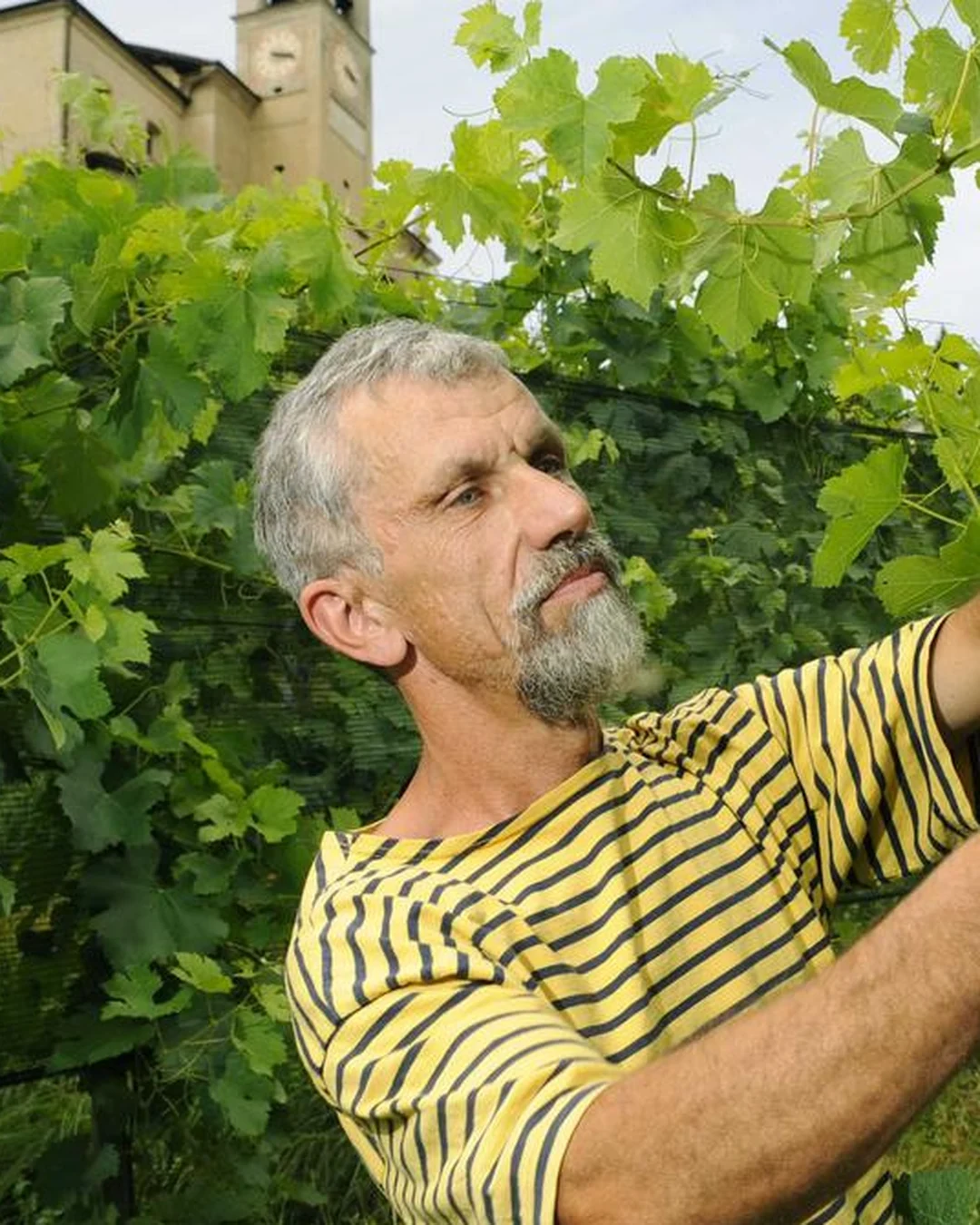
Michel Bernard’s path runs through family ground in the Rhône’s Vaucluse area, a 1988 estate acquisition north of Orange, and a decisive 1990 turn away from négociant work toward the vines themselves. At Château Beauchêne in Piolenc, France, he is personally responsible for the vines and vinification, carrying a family connection that reaches back to the French Revolution.
Early Years
The Bernard family roots at Château Beauchêne go back to the French Revolution, placing Michel Bernard’s work inside a long Vaucluse lineage rather than a recent winery story. That history matters most on the land: the estate sits in the Rhône’s Vaucluse area, with holdings tied to Piolenc and land north of Orange. In 1988, Bernard acquired the Château Beauchêne estate, adding both its land north of Orange and its name. The move gave the family history a defined estate center, and it set the conditions for a more focused kind of winegrowing. Two years later, in 1990, he discontinued his négociant business to concentrate on estate work. The turn was practical and philosophical at once: less emphasis on trading wine, more attention to farming, vinification, and the identity of wines grown under the estate name.
Making a Name
Bernard became associated with producing Châteauneuf-du-Pape, Côtes-du-Rhône Villages, and Côtes-du-Rhône at the Piolenc estate. Those appellations frame the house’s range: red and white wines described as polished, complex, and classically styled, with Côtes du Rhône and Châteauneuf-du-Pape as central reference points. The farming choices are part of that identity. Herbicides are not used; instead, the estate relies on plowing and inhospitable soils, especially in Châteauneuf-du-Pape. Around the vines, bat houses, organic-matter treatments, bees, and grass trials support vine health and biodiversity, making environmental practice a visible part of the work rather than a background claim. Château Beauchêne is HVE certified, meaning High Environmental Value certified as sustainable. For Bernard, that credential sits alongside a concrete list of practices in the vineyard and a cellar approach tied to long-lived parcels and measured aging.
The Present
Today, the clearest title attached to Bernard is the most direct one: he is personally responsible for the vines and vinification at Château Beauchêne. The role connects vineyard decisions to cellar outcomes, with the estate’s wines moving from Rhône soils through aging choices that vary by cuvée. Châteauneuf du Pape Hommage a Odette Bernard is made from vines planted in 1903 and aged in demi-muids for 12–18 months. Chateauneuf du Pape Cuvée Grande Reserve comes from 80–100-year-old vines and is partly aged in barriques or demi-muids for 12–18 months. Chateauneuf du Pape Vignoble la Serrière is partly aged in barriques for 6–12 months. Taken together, those wines show the shape of the work: old vines, named parcels and cuvées, and cellar choices that support a classically styled Rhône register. Bernard’s journey did not move away from Piolenc; it narrowed toward it, from family roots to estate ownership to a daily responsibility for vines, vinification, and the wines that carry the estate name.
FAQ Where did Michel Bernard begin their career? Bernard’s wine work is centered at Château Beauchêne in Piolenc, France, where his family roots go back to the French Revolution. What roles has Michel Bernard held? He acquired the estate in 1988, discontinued his négociant business in 1990, and became personally responsible for the vines and vinification there. What is Michel Bernard doing now? He is responsible for the vines and vinification at Château Beauchêne, producing Châteauneuf-du-Pape, Côtes-du-Rhône Villages, and Côtes-du-Rhône.