Château Simian
- 01CityPiolenc, France
- Falstaff Winery - Listed · 2026
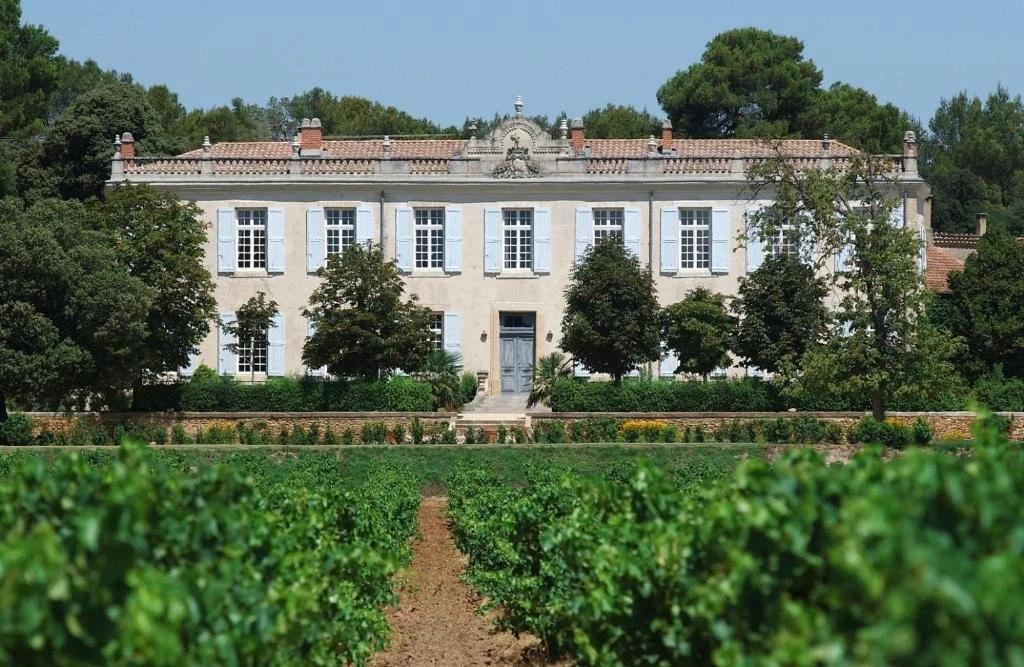
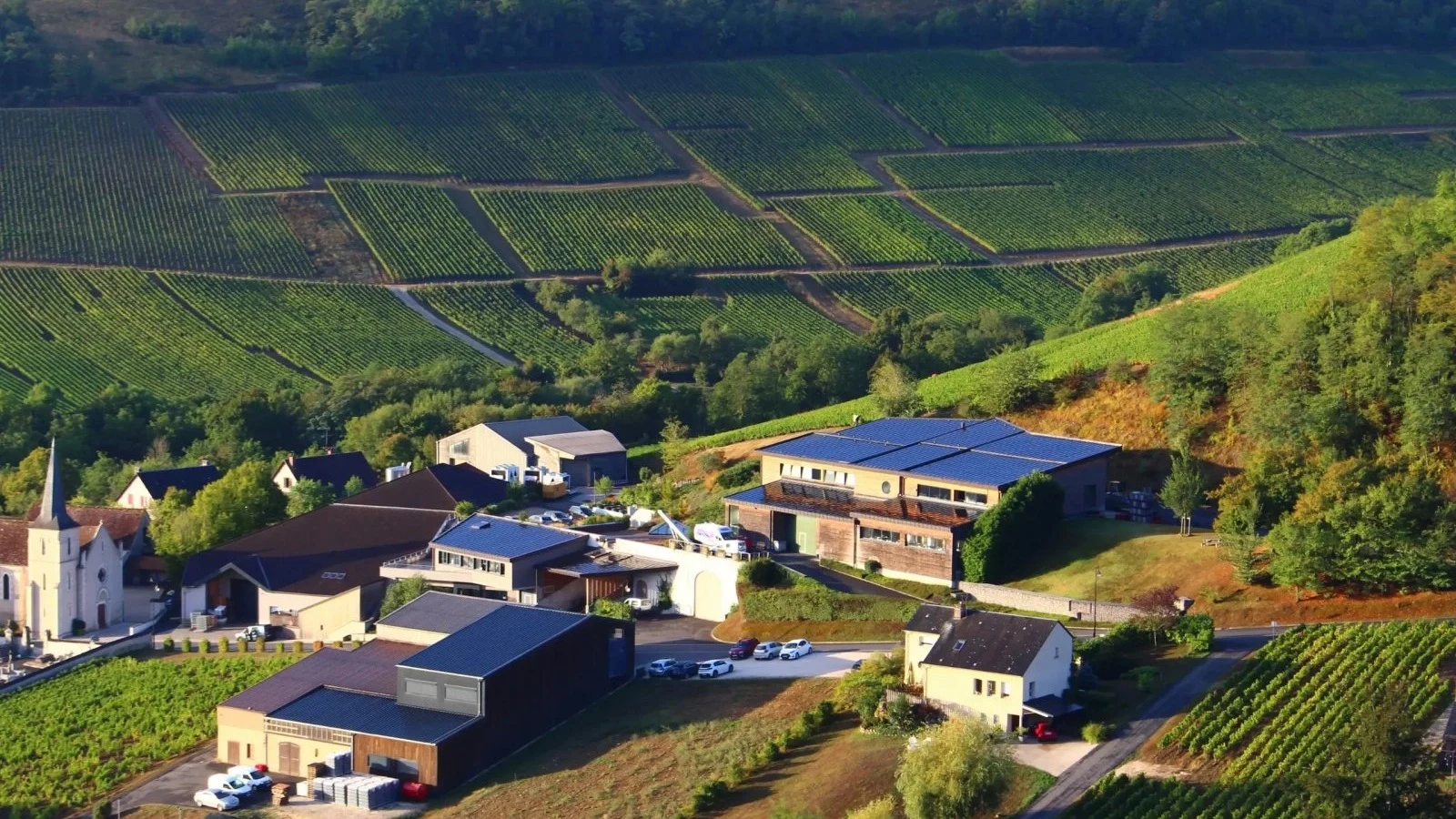
Château Simian in Piolenc is best understood as a family-owned organic and biodynamic winery with a rustic, terroir-driven atmosphere. The appeal is not an invented checklist of services or accolades, but the simple character of a scenic, classic and cozy estate setting where wine, place and convivial hospitality are the central ideas. It reads as the kind of venue whose strongest qualities are its setting and agricultural identity, rather than a long list of packaged visitor promises.
For travellers looking at Piolenc through its wine culture, Château Simian offers a grounded point of reference. Rather than treating the visit as a luxury production or a restaurant-style experience, it is more accurate to frame it as an organic and biodynamic winery with a tasting-and-event setting shaped by family ownership and a sense of local terrain. That framing keeps expectations useful: the estate is best approached as a place to understand wine in relation to its surroundings, with hospitality that feels convivial but not overdescribed.
Organic and biodynamic farming in a rustic Piolenc setting
The identity of Château Simian rests on its role as an organic and biodynamic winery. That matters because it gives the estate a clear agricultural focus without needing claims about specific grapes, appellations, vintages, production volumes or awards. The emphasis is on the way the winery presents itself: rooted in farming, attentive to place, and connected to a broader idea of wine as something shaped by land as much as by cellar technique.
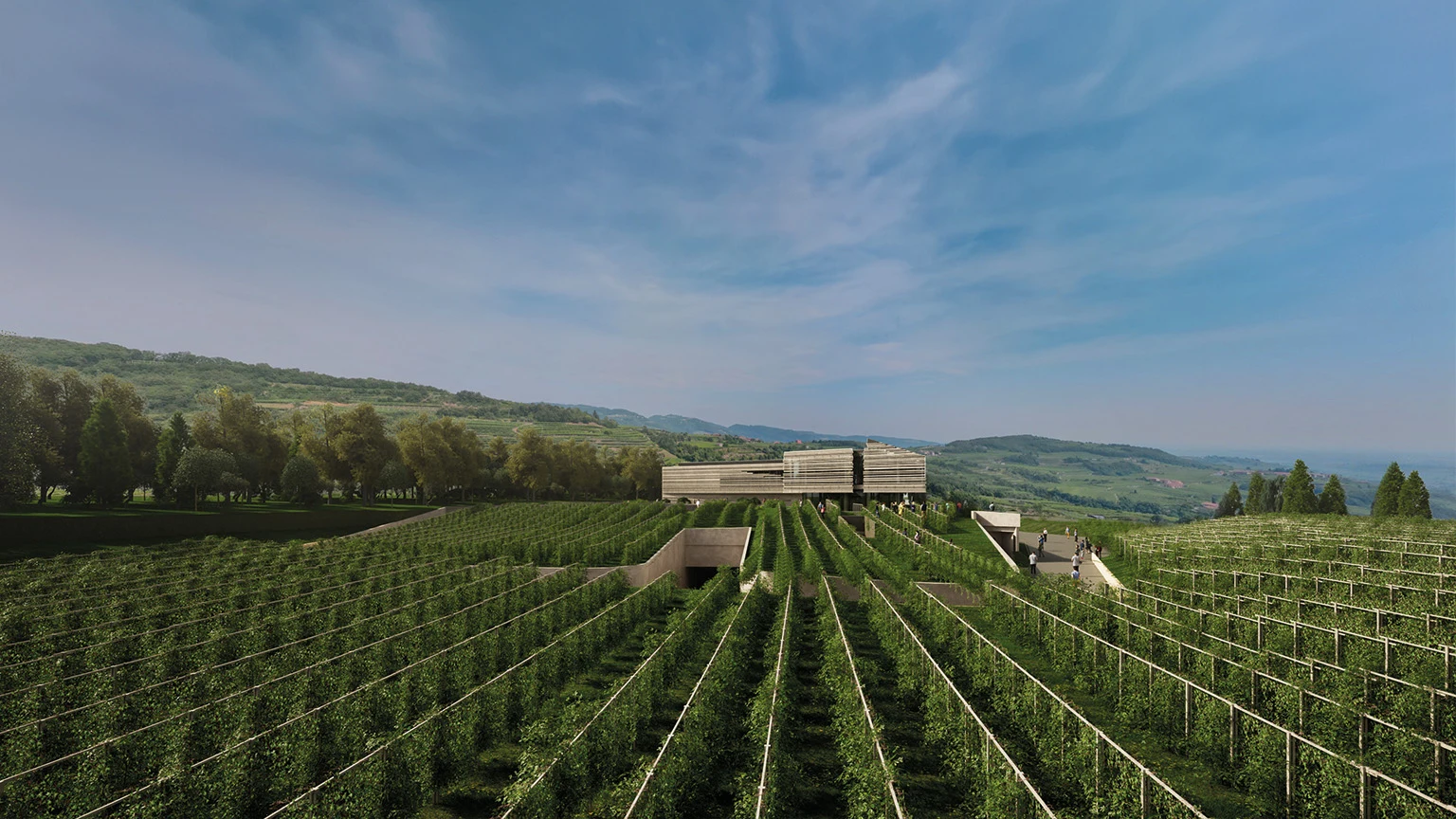
The atmosphere is rustic, scenic, classic and cozy. In practical terms, that means the venue is better described through mood and setting than through unsupported details about a particular tour format, cellar program, dish, service schedule or technical winemaking approach. Rustic suggests an estate experience with a direct, unpolished charm; scenic points to the importance of the surroundings; classic and cozy together make the place feel more like a welcoming winery setting than a formal showpiece.
Château Simian’s terroir-driven character is the reliable through-line. Visitors should expect a winery experience rooted in place and family ownership, not a pageant of confirmed rankings, scores or named comparisons. The word terroir is useful here because it keeps attention on the relationship between the wine, the estate and the local landscape, without forcing extra claims that the available information does not support.
A tasting-and-event setting, kept in proportion
Château Simian is as a convivial tasting-and-event setting. Beyond that, the available confirmed information does not support specific claims about visit length, languages, reservations, seating, payment methods, shipping, accessibility, children, pets or other operational details. For an editorial description, that distinction is important: the venue can be presented as welcoming and experience-oriented, but not as a fully mapped service operation with guarantees that have not been verified.
That makes this a venue where planning should stay flexible and fact-based. The strongest description is simple: a family-owned organic and biodynamic winery in Piolenc, with a rustic and scenic atmosphere that suits a terroir-focused visit. Travellers who respond well to that kind of setting will likely understand the appeal without needing a more elaborate promise of what will happen at each stage of the visit.
Visitors planning a fuller Piolenc stay can compare Château Simian with other local dining or hospitality options generically, but no other named venue is needed to explain what makes this estate distinct. Its identity is already legible through the combination of family ownership, organic and biodynamic farming, and a setting that is more classic and cozy than flashy. In that sense, it can function as a calm wine-country anchor within a broader itinerary.
Who should make the detour
Château Simian is a good fit for travellers who want a family-owned winery atmosphere in Piolenc and are interested in organic and biodynamic farming. It is especially suited to those who value rustic, scenic and terroir-driven settings over heavily staged hospitality. If the goal is to encounter a winery through its place, its farming identity and its convivial mood, the estate’s appeal is easy to understand.
The price level is $$. Beyond that, specific claims about menus, schedules, awards, named wines, tours or visitor policies should be confirmed directly with the venue before planning around them. That caveat does not weaken the recommendation; it simply keeps it honest. Château Simian is best presented as a characterful Piolenc winery with an organic and biodynamic foundation, a family-owned sensibility and a setting that rewards visitors looking for atmosphere and terroir rather than excessive staging.
Questions
Frequently asked
How expensive is Château Simian?
Château Simian is listed at a price level of $$.
The field
How it compares
| Place | Notes |
|---|---|
| Château Simian | Piolenc, $$ |
| Château Beauchêne | Piolenc |
| Château La Fleur-Pétrus | Pomerol |
| Dom Pérignon | Hautvillers |
| Domaine Clarence Dillon | Pessac |
| Edmond Vatan | Vatan |
| Masi | Sant'Ambrogio di Valpolicella |