i. Biography
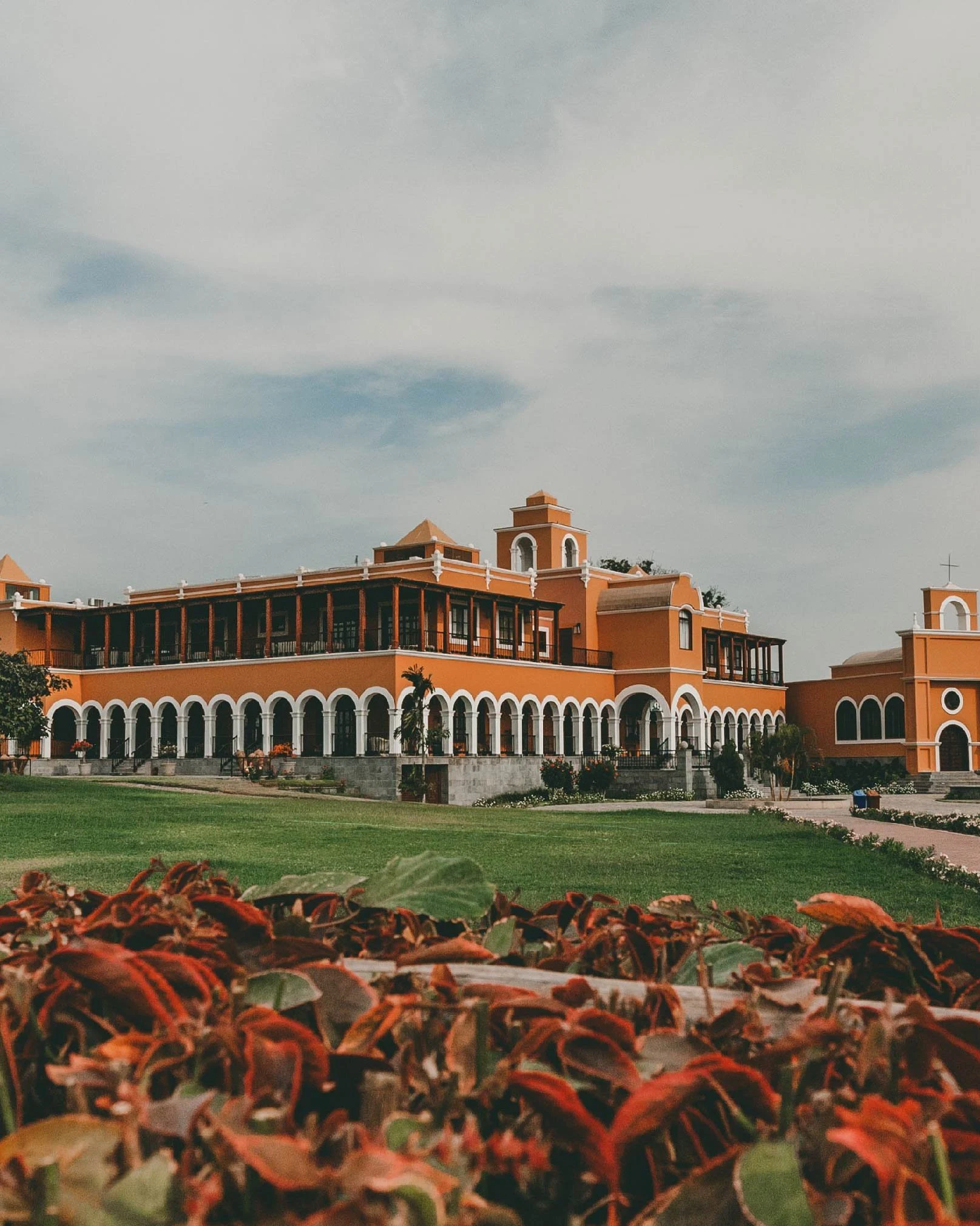
Pepe Moquillaza’s work at Hacienda Quilloay in Ica is built around Quebranta: the grape sits at the center of both his pisco and his natural wines. In his case, the craft is less about range than focus. The same fruit carries the line between production and identity, and Moquillaza treats it as something to defend, not just process.
Where It Started "Since 2003, I have 13 years already making Pisco," Moquillaza says, and that date places pisco at the center of his practice from the start. At Hacienda Quilloay, the work stays tied to one place and one grape, with Quebranta carrying the load across both pisco production and winemaking. There is no split between separate careers here. The same hacienda frames the work, and the same grape gives it structure. Natural wines belong to that system, but Quebranta remains the reference point for everything that follows.
Who Shaped Them The craft mission is explicit: "The mission we had was to rescue and revalue the Quebranta grape," Moquillaza says. That is the shape of the influence he names. The work is rooted in recovery and in giving a grape back its standing through use. He also describes Quebranta in national terms: "The Quebranta grape, emotionally speaking, for Peruvians it is the Queen of grapes." For Moquillaza, the variety is not only a raw material; it carries cultural weight, and that weight informs how it is handled in both cellar and distillate. Lineage here is defined by revaluation. Rather than a school or a single mentor, the shaping force is a craft agenda centered on Quebranta: to keep its character clear, to make its value legible, and to let pisco and wine speak from the same source.
The Work Today
At Hacienda Quilloay in Ica, Moquillaza works as both winemaker and pisco producer, with Quebranta grape and natural wines remaining his specialty. The practice stays narrow by design, and that focus is part of the discipline. His own description of the wines gives the benchmark: "The wines should be very fresh, but at the same time should express a lot of fruit, fresh fruit and some dried fruits as well because that’s the typical character of Quebranta." Freshness and fruit are not abstract ideals in that framing; they are the markers used to read the grape correctly. Pisco and wine are therefore not separate identities but two expressions of the same material. Both return to Quebranta, and both are shaped by the effort to keep that grape central in a Peruvian register.
Signature
Pepe's signature wines include Inquebrantable and MiMo Italia.
In Their Words “The wines should be very fresh, but at the same time should express a lot of fruit, fresh fruit and some dried fruits as well because that’s the typical character of Quebranta.” “The Quebranta grape, emotionally speaking, for Peruvians it is the Queen of grapes.”
FAQ What is Pepe Moquillaza's current role? As of 2026, Pepe Moquillaza is Winemaker and pisco producer. What is Pepe Moquillaza known for? Quebranta grape.