Winemaker
Peter Lehmann
- Discipline
- Winemaker
- Based in
- Barossa Valley, Australia
i. Biography
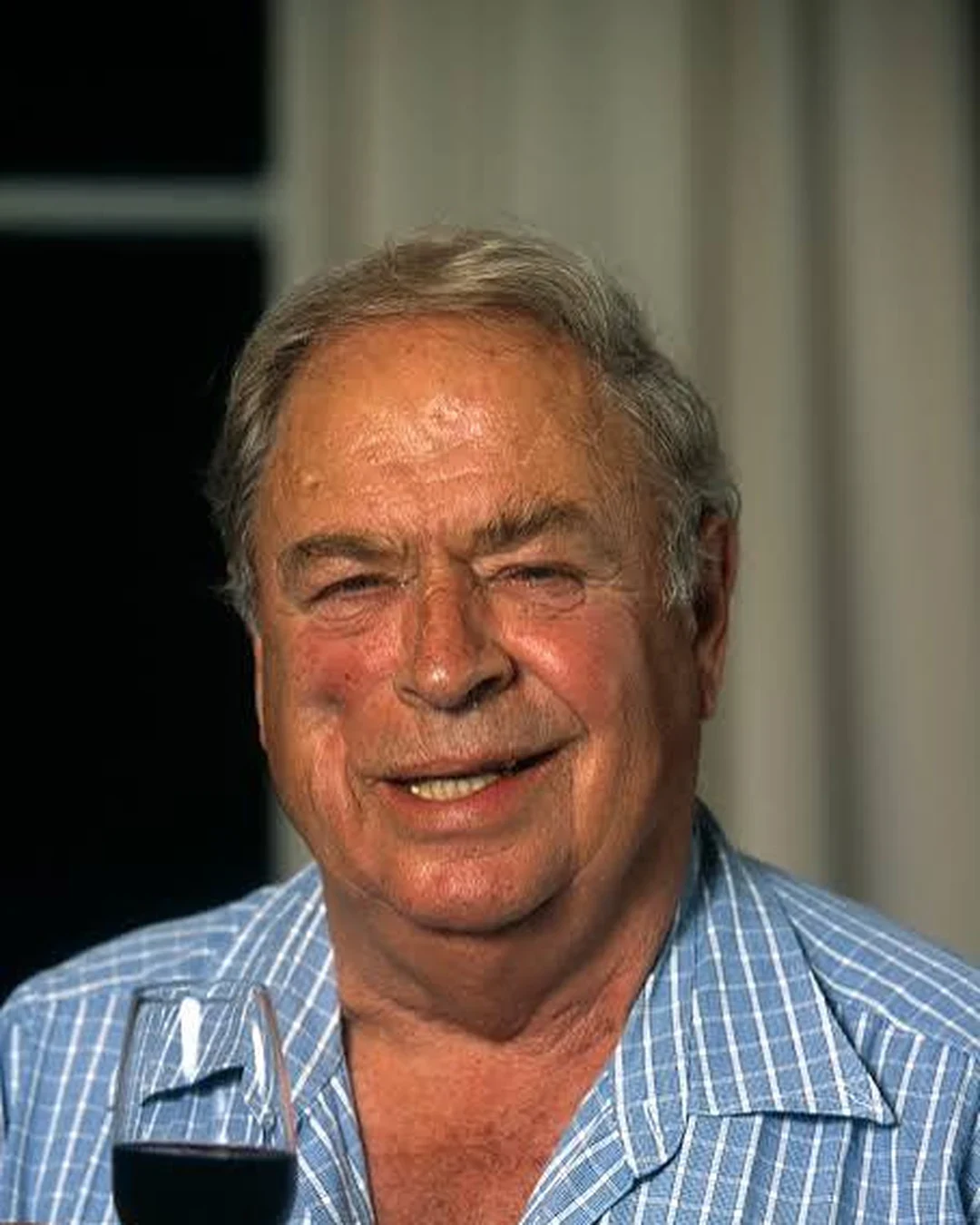
Officer of the Order of Australia sets a formal marker for work grounded in Barossa Valley winegrowing. In Peter Lehmann’s case, the frame is Angaston, South Australia, and a career run through the Barossa Valley: warm days, old vines, red earth, and a regional confidence built on place rather than embellishment. The work at Saltram Wines and Peter Lehmann Wines is best read through a cellar principle: vineyard character comes before winemaking elaboration. Lehmann’s reputation sits inside that discipline. The fruit carried the primary information; the winemaker’s task was to handle it without covering the site.
The Path
Barossa Valley winemaking in the second half of the twentieth century required practical authority built over repeated vintages. Peter Lehmann held that ground as winemaker/manager at Saltram Wines in Barossa Valley, South Australia (1960–1980), where cellar decisions, harvest pressure, and regional fruit shaped the working method attached to his name. Founding a winery gave that method its own operating structure. In 1979, Lehmann became founder at Peter Lehmann Wines in Barossa Valley, South Australia, later serving as chairman and head of the winery until 2002. The move from Saltram Wines to Peter Lehmann Wines put the emphasis on Barossa Valley expression inside a dedicated house. Chairmanship and winery leadership carry a different kind of craft responsibility: not only making wine, but holding standards across the work. As chairman and head of the winery until 2002, Lehmann was associated with steadiness, trust, practicality, and respect for the fruit itself. The vocabulary is plain because the method was plain: when the vineyard gives clear material, the cellar should not overstate itself. Continuity matters in a regional house, especially when the founder’s name remains on the label. From 2002 to 2013, Lehmann remained the figurehead at Peter Lehmann Wines in Barossa Valley, South Australia. The role pointed less to daily cellar mechanics than to the retained identity of the estate and its Barossa Valley alignment.
The Work Today
Stonewell Shiraz is the clearest craft marker attached to the Lehmann name. Its importance is not as a technical claim beyond the record, but as a named expression of the style associated with him: vineyard character first, winemaking elaboration kept in proportion. That position is technical in the trade sense. The work is described through the vineyard as the source of identity, with winemaking as the means of carrying that identity rather than performing over it. Restraint here is not absence; it is a decision about what should remain legible in the finished wine. Barossa Valley, South Australia, is therefore not background in this profile. It is the working material. The philosophy associated with Peter Lehmann treated the vineyard as the central text and the winemaker as the reader and custodian, not the author of a separate effect.
Career - Winemaker/Manager — Saltram Wines, Barossa Valley, South Australia (1960–1980) - Founder — Peter Lehmann Wines, Barossa Valley, South Australia (from 1979) - Chairman — Peter Lehmann Wines, Barossa Valley, South Australia - Head of the winery — Peter Lehmann Wines, Barossa Valley, South Australia (until 2002) - Figurehead — Peter Lehmann Wines, Barossa Valley, South Australia (2002–2013)
Signature
Peter's signature dishes include Stonewell, 8 Songs, Mentor, Stonewell Shiraz, and Masterson. Those names define the recorded signature set attached to Peter Lehmann. Stonewell Shiraz is the most explicit wine marker in the group, while Stonewell, 8 Songs, Mentor, and Masterson sit within the broader house identity linked to Barossa Valley expression.
Acclaim
Peter's honors include Member of the Order of Australia. Officer of the Order of Australia and Member of the Order of Australia place formal recognition beside the work: Saltram Wines, Peter Lehmann Wines, Barossa Valley, and a winemaking philosophy measured by vineyard c