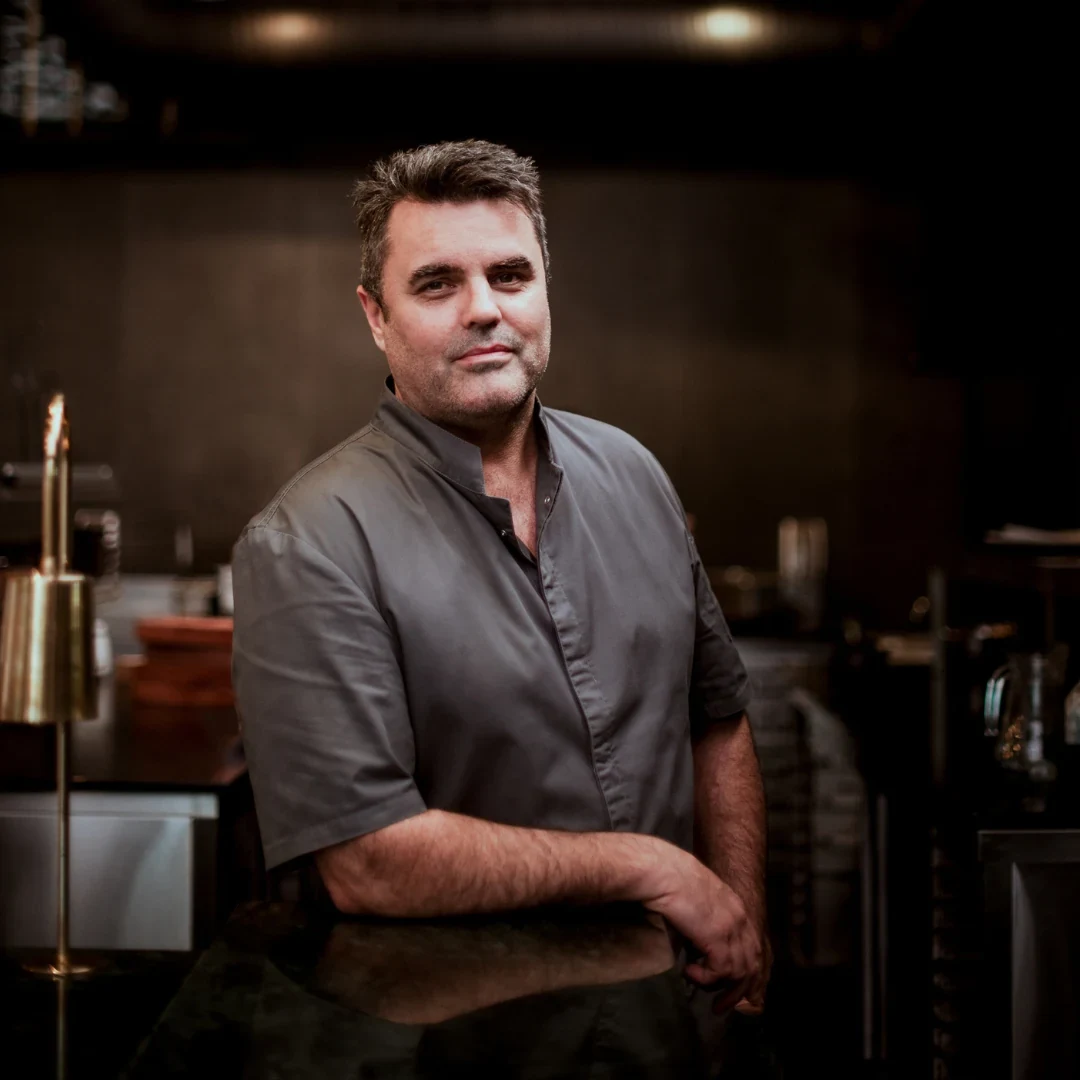
i. Biography
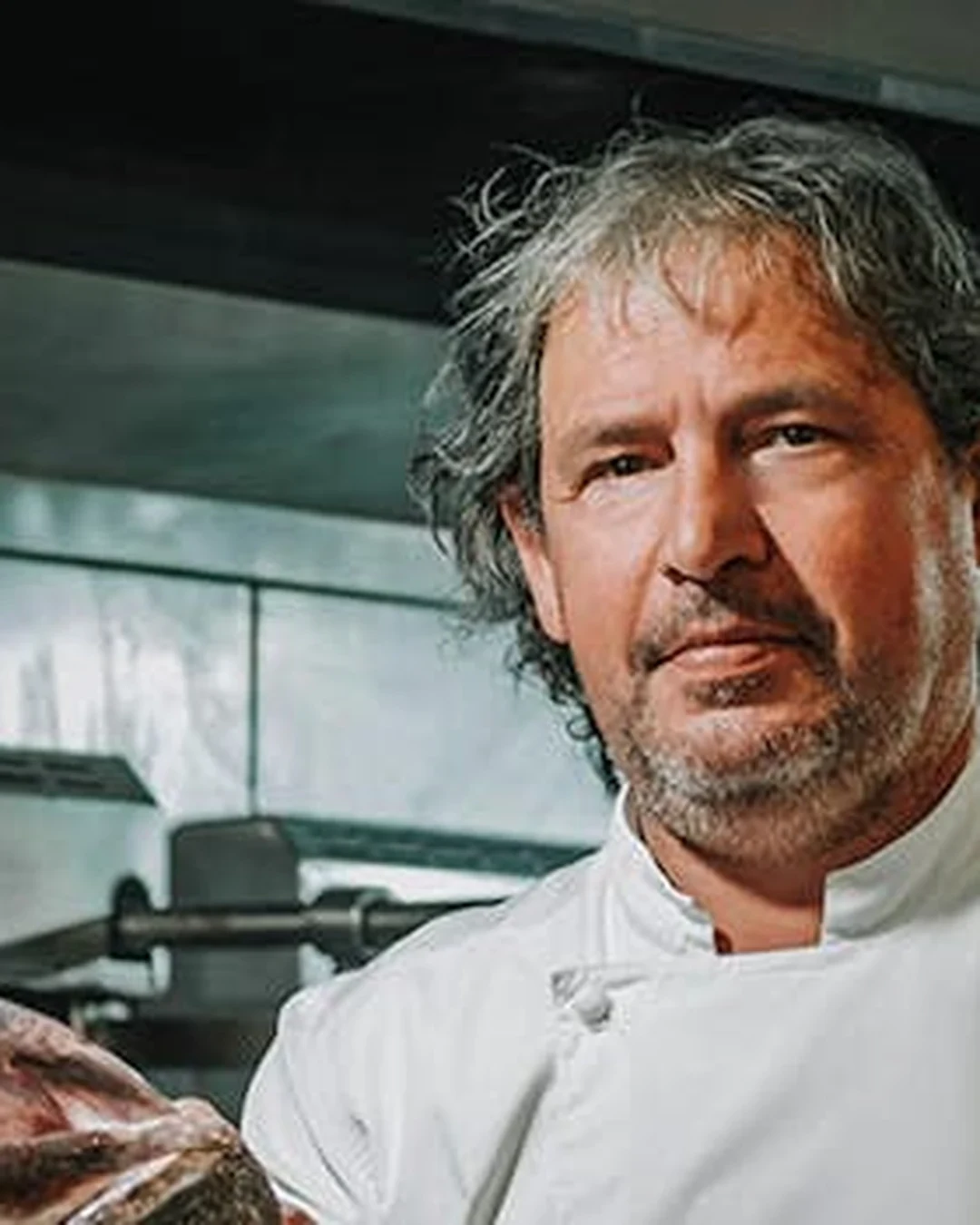
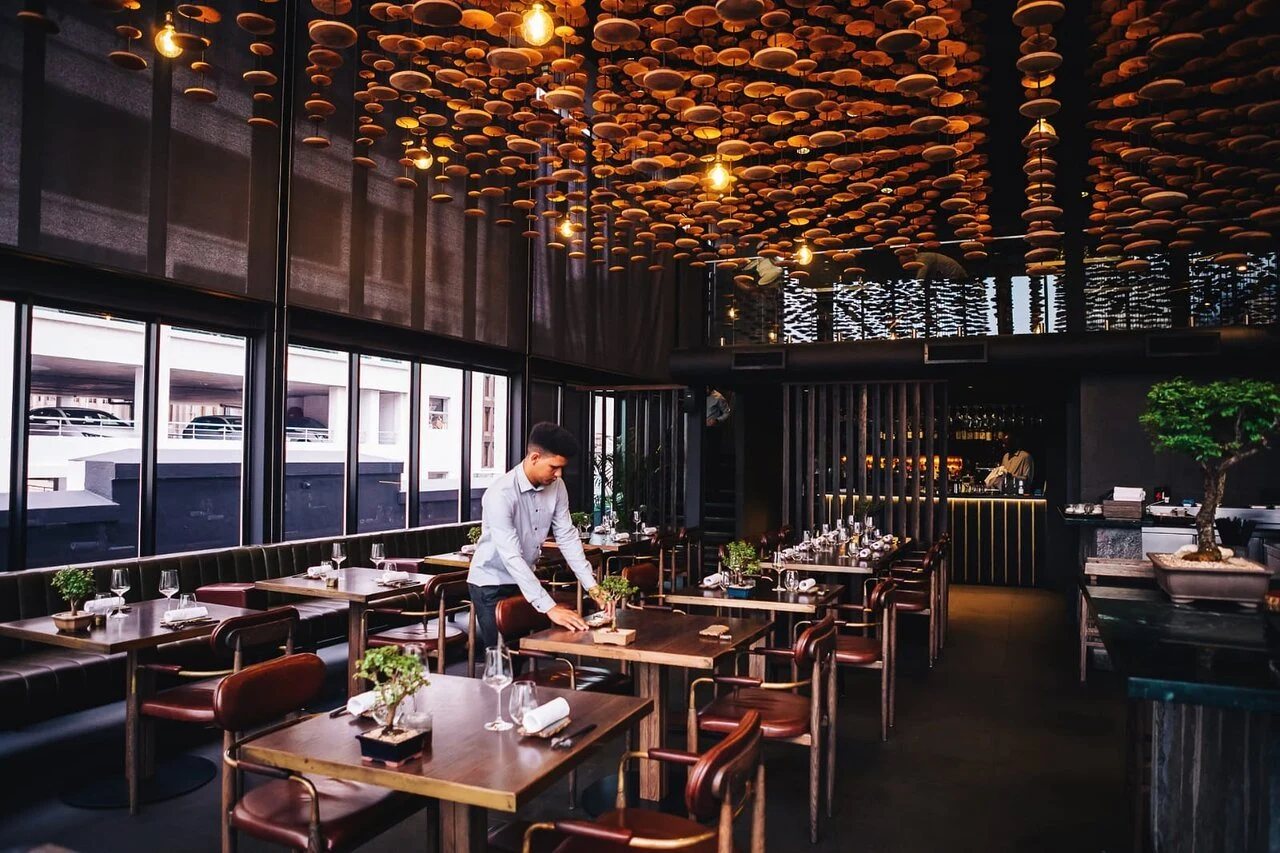
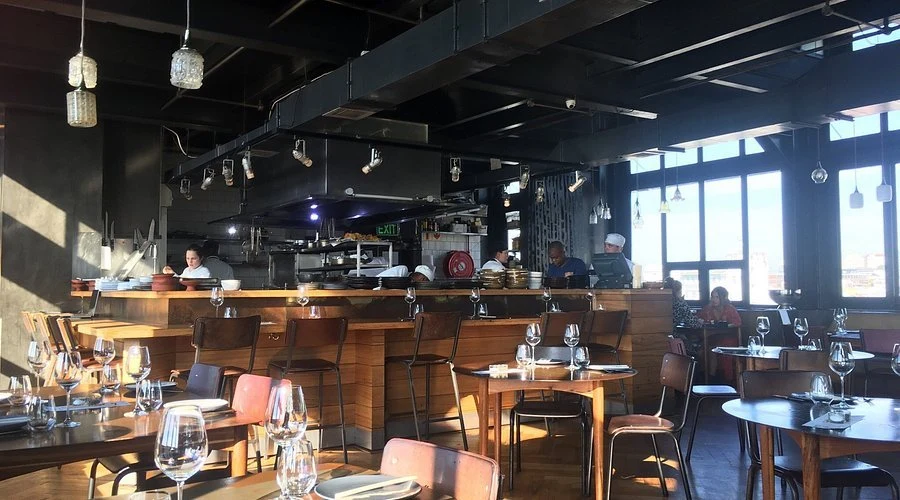
Cape Town gives this cooking its working register: FYN Restaurant in the city, Japanese technique used for restraint and structure, and a regional larder that runs from garden produce to veldt and sea. In Peter Tempelhoff’s work, Laingsburg lamb, mielie meel, Cape sorrel and native-breed beef are not garnish logic; they are placement, season and material. The plate is built through texture, salt, leaf, grain and pasture, with Japanese cooking supplying the frame: clean lines, balance and precision.
Career Arc
Formal kitchen discipline entered the record at Institute of Culinary Arts (1996), where Peter Tempelhoff’s training set a base for precision, polish and later restaurant development. The useful line here is from technique to operations: composed plates, sourcing, service rhythm and the identity of a room all had to be handled as one craft system. Multi-site hospitality sharpened that system through The Collection by Liz McGrath role in 2008, which put Peter Tempelhoff over five Relais & Châteaux restaurants within the hotel group. That scale matters in trade terms: refinement had to hold across several kitchens, where consistency, atmosphere and control are as measurable as what lands on the plate. Restaurant building is now part of the craft record: Peter Tempelhoff is founder & md of FYN, Beyond, Ramenhead & Sushiya Restaurants, and chef and restaurateur of Arum Restaurant at Boschendal (since 2025). The through-line is not a move away from the stove, but an expansion of stove discipline into rooms, teams and formats.
Where They Are Now
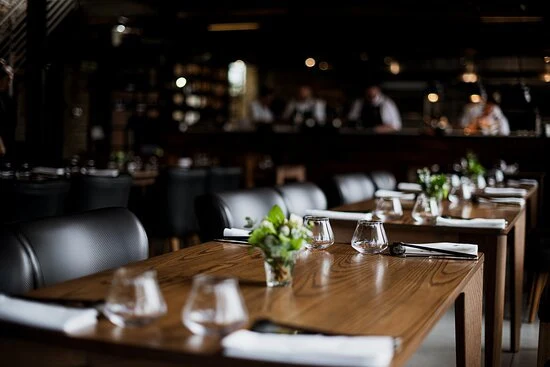
FYN Restaurant in Cape Town, South Africa, sits inside a broader group practice in which Peter Tempelhoff is co-owner and founder. He is also founder and MD of FYN, Beyond, Ramenhead and Sushiya Restaurants, all in Cape Town. The range of rooms points to different service tempos and formats, held together by exactness and a defined sense of place. Japanese cooking is the stated specialty, and its value here is structural. In Peter Tempelhoff’s hands it gives Cape ingredients a clear frame, keeping produce, seafood, grain and pasture legible while the technique stays restrained and exact. Seasonal limitation is part of the operating idea at Arum Restaurant at Boschendal in South Africa, where Peter Tempelhoff plans to continue a sustainability philosophy by letting nature dictate the rhythm and honouring the seasons as gardens supply produce for the menu. The garden functions as supply, tempo and constraint: abundance when it is there, pause when it is not.
Signature
Signature dishes include Abalone in kelp with kingklip seaplants. In Peter Tempelhoff’s repertoire, the dish marks the coast as material rather than theme: marine depth, clean structure and landscape translated through craft rather than covered by technique.
Distinctions
Public recognition is carried by the kitchens, groups and documented dishes attached to the work. The Collection by Liz McGrath role in 2008 put Peter Tempelhoff over five Relais & Châteaux restaurants within the hotel group, while The Greenhouse dishes in Constantia record a language of Western Cape ingredients shaped into seasonal plates. Authorship is another form of recognition in this case: founder and MD across FYN, Beyond, Ramenhead and Sushiya Restaurants, and co-owner and founder of FYN Restaurant in Cape Town. Read together, those roles place Peter Tempelhoff’s work between Japanese cooking, Cape produce and the operational craft of building restaurants.
Profile updated July 2026
FAQ
Asked of Peter
What is Peter Tempelhoff's current role?
Peter Tempelhoff is co-owner and founder.
Where did Peter Tempelhoff train or study?
Peter Tempelhoff trained at Institute of Culinary Arts.
What is Peter Tempelhoff known for?
Japanese cooking.