i. Biography
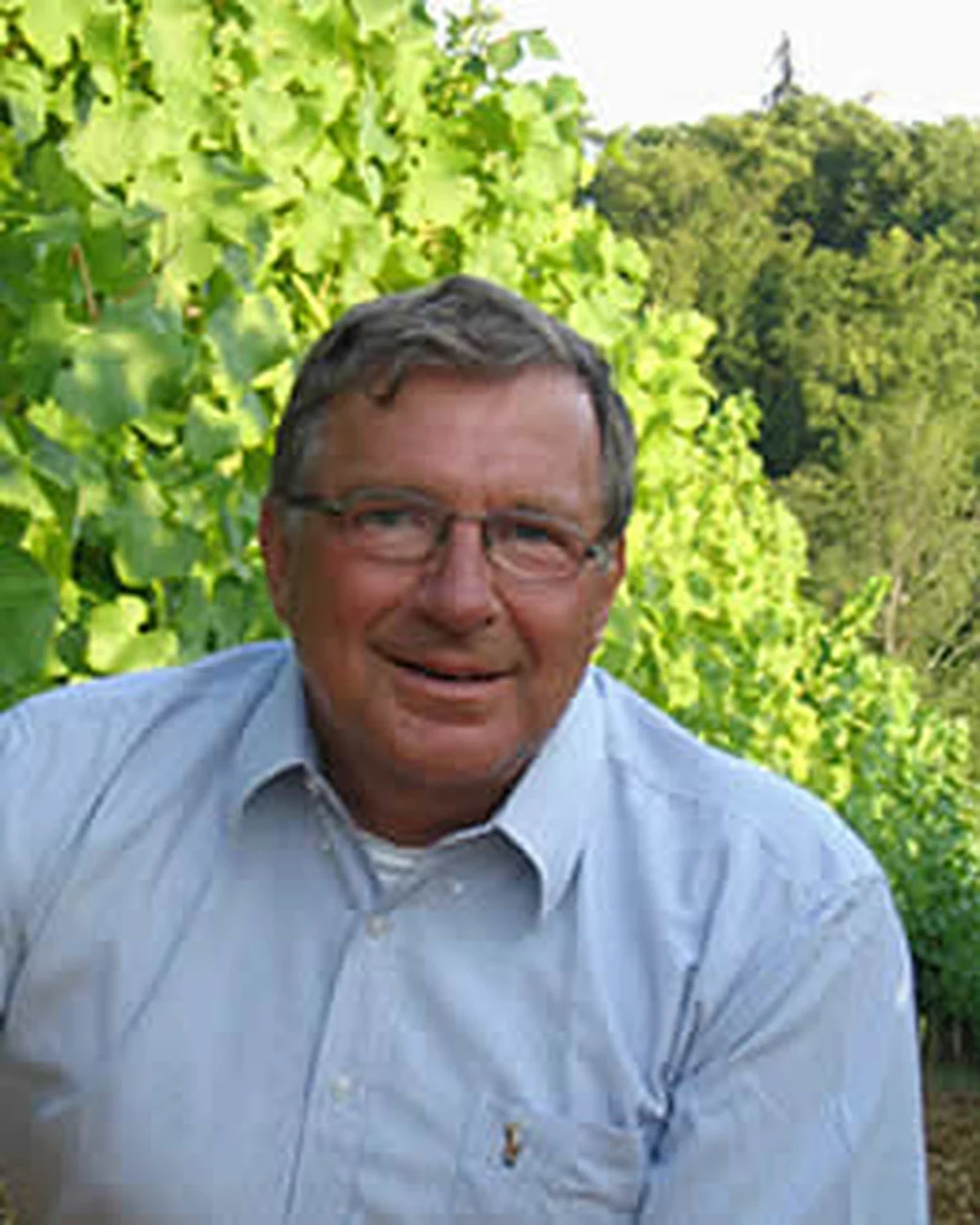
A Dutch winegrower, Pierre Verbeek’s arc runs from an early-1990s decision to buy a nearly abandoned property to a working life at Château Clos Chaumont in Bordeaux, France. The turn was direct and personal: Verbeek wanted to produce his own wine, and the route to that ambition began with restoration before it became vineyard selection, cellar discipline, and bottles built for time.
Beginnings
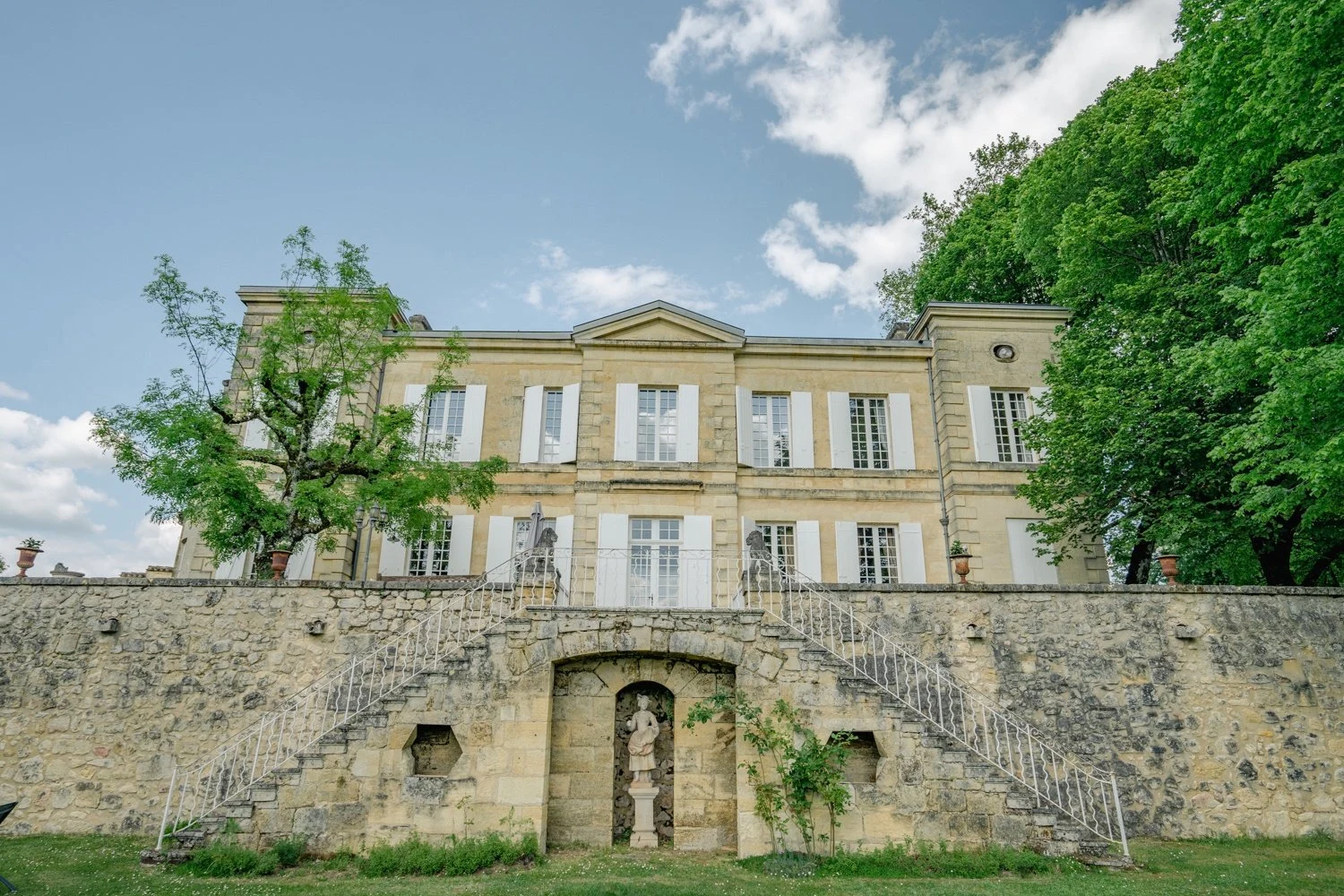
In the early 1990s, Verbeek bought the property that would become the center of his winegrowing work. It was nearly abandoned, and the first act was not a release or a label but a recovery: he became the buyer and restorer of the château, taking on the physical condition of the place before defining its wines. That origin matters to the shape of the estate. The purchase was driven by a clear aim to produce his own wine, and the restoration gave that aim a fixed address in Haux, France. From the start, the work was tied to land, condition, and proof rather than image.
The Rise
The vineyard program that followed was built through research and testing. Parcels were leased for about three years, results were analyzed, and only after a proven positive result was an offer made to buy a parcel for the château. It was a patient form of growth: try the ground, study the fruit, then commit. That same selectivity carried into the cellar. The quality approach includes careful grape selection, typically declassifying 30% to 50% of the harvest into a second wine, with vinification and aging in oak barrels. The choice to send so much fruit away from the main wine says as much about standards as any tasting note could. One benchmark arrived with Château Clos Chaumont 2006. Guide Hachette des Vins 2010 described the wine as remarkable and as an authentic wine for aging, citing a dense, fresh color, promising ripe-fruit notes, richness, fat, and powerful tannins.
Today
Verbeek works as winegrower at the Bordeaux estate, where the production includes red wines in AOP Cadillac Côtes de Bordeaux and a dry white wine. The focus remains concrete: selected parcels, rigorous sorting, oak-barrel vinification and aging, and wines shaped by the land chosen only after testing. The journey from a nearly abandoned property to a château identified with patient parcel work gives his role its force. It is not simply ownership translated into wine; it is restoration followed by selection, selection followed by declassification, and declassification followed by bottles intended to hold structure, fruit, and time.
FAQ What is Pierre Verbeek's current role? Pierre Verbeek is a winegrower at Château Clos Chaumont in Bordeaux. What is Pierre Verbeek known for?
Explore
Similar Winemakers