Château Lamothe de Haux
- 01CityHaux, France
- Falstaff Winery - Listed · 2026
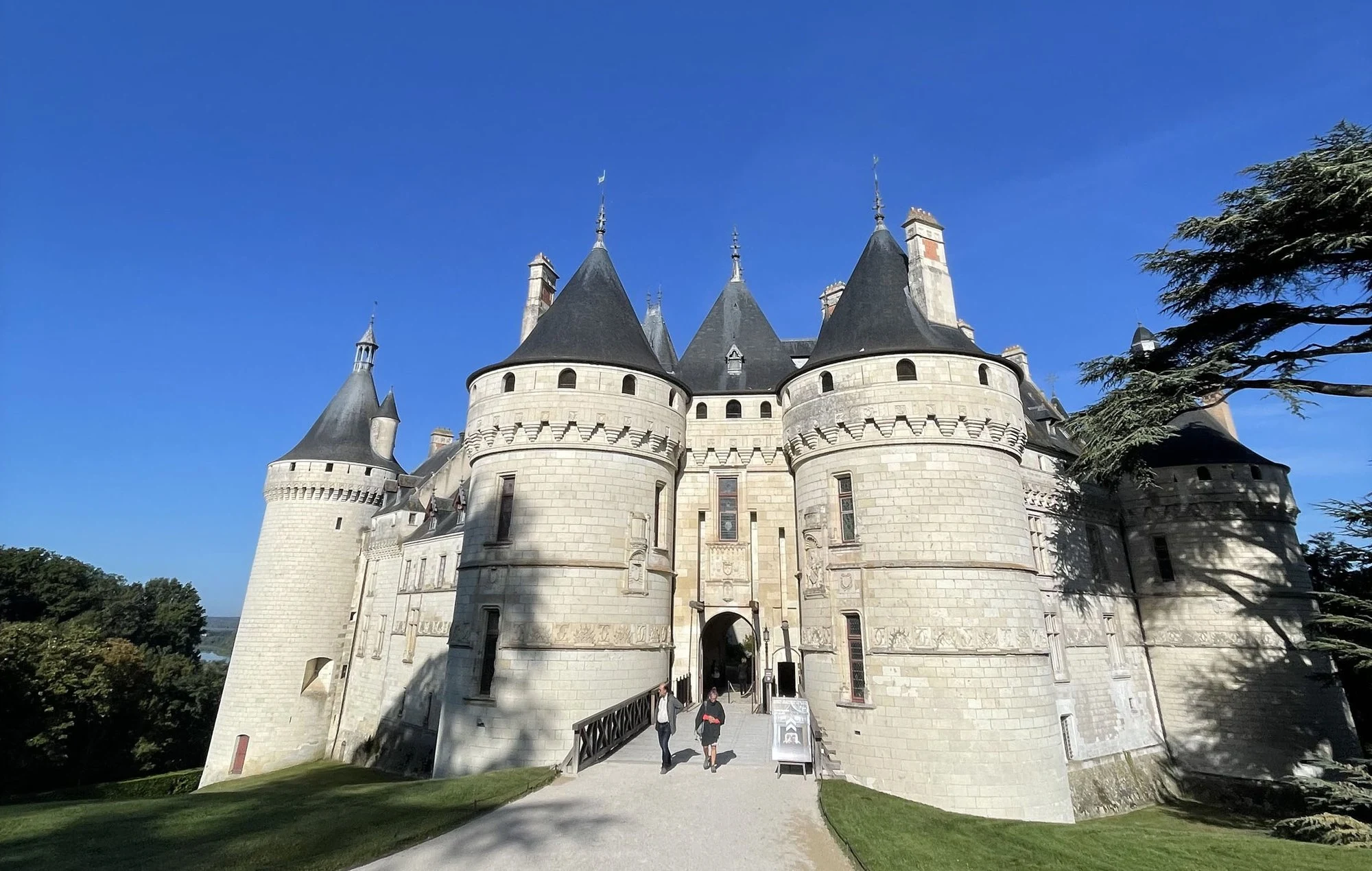
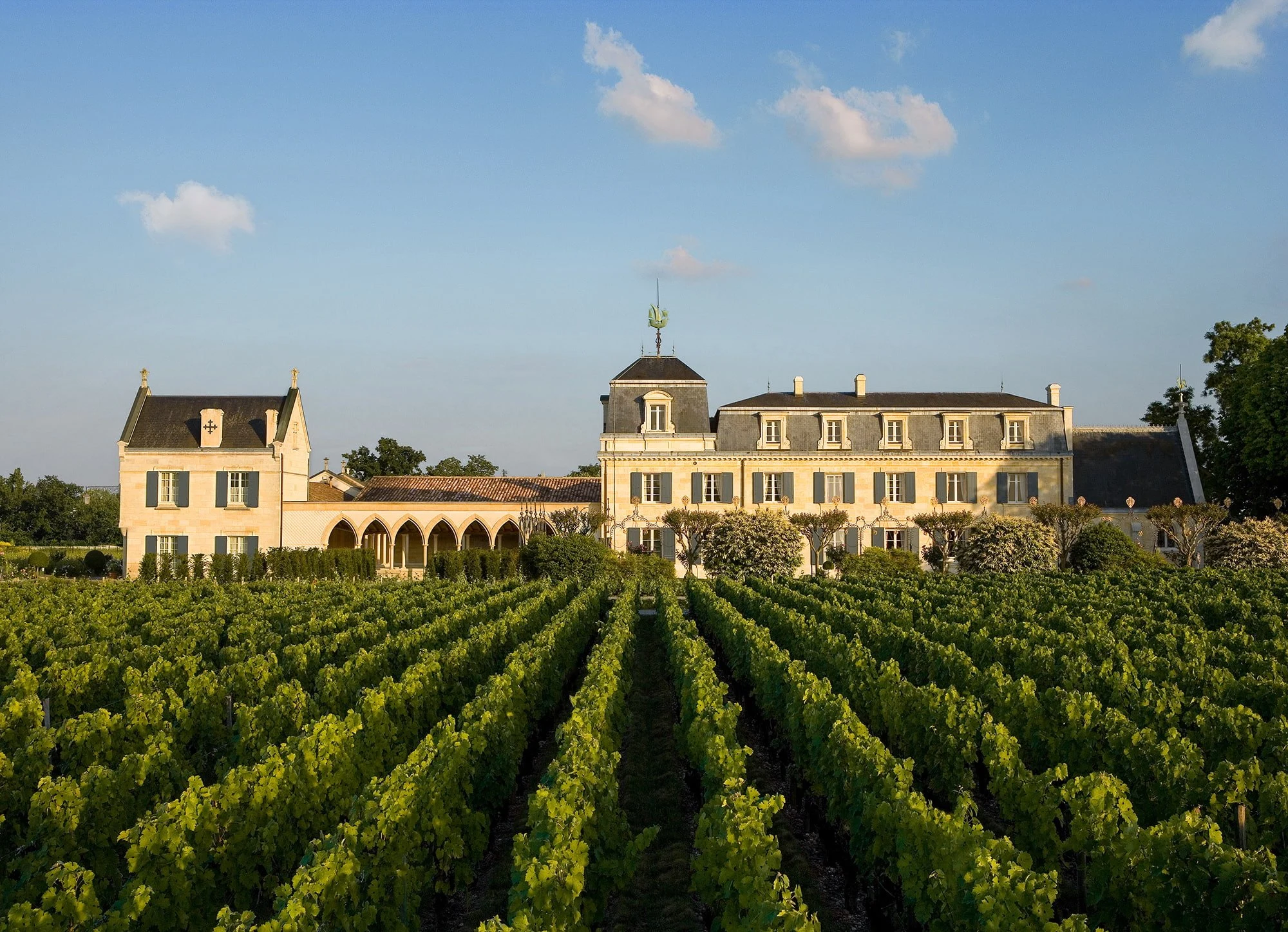
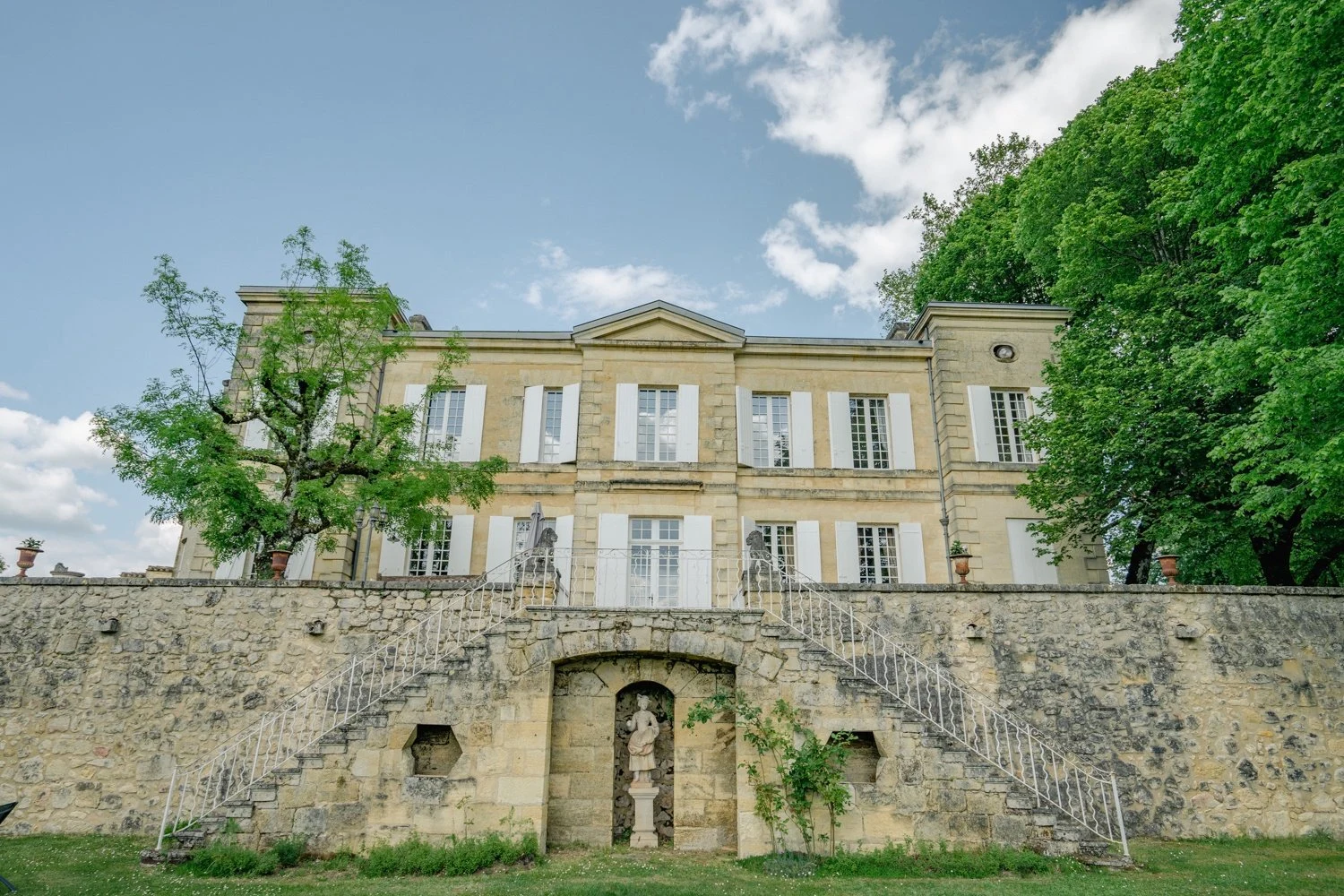
In Haux, Château Lamothe de Haux is best understood as a historic Bordeaux family estate rather than a spectacle-driven stop. The picture is simple and useful: a 16th-century château setting, extensive underground troglodyte cellars, and a warm, welcoming atmosphere built around relaxed, convivial tastings. The emphasis is on sharing balanced, everyday wines in a setting where architecture and cellar geology are central to the experience. Nothing in the description needs to be overplayed: its appeal is the way these elements sit together, giving visitors a clear sense of place without relying on grandeur, ceremony, or heavy technical framing.
A relaxed Bordeaux estate experience
What can be said is more restrained: Château Lamothe de Haux presents itself as a Bordeaux family estate where tastings are relaxed and focused on accessible, balanced wines rather than formal luxury performance. That distinction matters, because it positions the estate less as a high-pressure pilgrimage and more as a welcoming introduction to a working château environment. The language around the experience suggests ease, sociability, and directness: a place where the wines are approached through conversation and shared enjoyment, not through a staged display of exclusivity.
That makes the visit useful for travelers who want a grounded introduction to a château atmosphere in Haux. The estate’s appeal comes from the combination of historic architecture, underground cellars, and a convivial tasting style, not from any ranking, trophy, or technical production detail. In practical terms, the draw is the overall rhythm of the place: arriving at a château with visible age and character, moving through a setting shaped by its cellars, and tasting wines presented as balanced and everyday rather than rarefied or intimidating. For many visitors, that kind of clarity is precisely the point.
Price is listed as $$, placing the estate in a moderate range. Beyond that, specific tasting formats, bottle prices, appointment rules, or service details should be checked directly with the venue before planning a visit. This is especially important because the available information supports a general understanding of the estate’s tone, but not the small logistical details that determine how a visit will actually work on a given day. Treat the $$ marker as a broad guide, then confirm the current arrangements with the château itself.
Troglodyte cellars make the setting visible
The underground troglodyte cellars are one of the clearest features of Château Lamothe de Haux. They give the estate a distinctive sense of place: the visit is framed not only by the 16th-century château architecture above ground, but also by extensive cellars below. That vertical contrast is important to the identity of the experience. The château gives the visit its historic surface, while the cellars bring the setting into a more tactile register, connecting the estate to the physical landscape beneath it.
That physical setting supports the estate’s warm, welcoming tone. Rather than presenting the property as a formal destination built around prestige signals, the description points to relaxed hospitality and convivial tastings focused on sharing everyday, balanced wines. The cellars help make that hospitality feel rooted rather than generic: they are not just a backdrop, but part of what visitors are being invited to notice. In this sense, the architecture and geology do quiet interpretive work, helping frame the wines through place, family-estate atmosphere, and continuity.
For readers comparing wine experiences in Haux, this is the core takeaway: Château Lamothe de Haux offers a historic Bordeaux family-estate atmosphere with cellar architecture as a defining feature. It is best read as a place where the setting carries much of the interest. The château, the underground spaces, and the relaxed tasting style all point in the same direction: approachable, atmospheric, and grounded in a recognizable Bordeaux estate context.
How to read Haux through this estate
For a traveler building time in Haux, Château Lamothe de Haux is a useful reference point for a classic but approachable Bordeaux château experience. Its strongest claims are architectural and atmospheric: a 16th-century château, extensive underground troglodyte cellars, and relaxed tastings centered on balanced, everyday wines. Those claims are enough to define the venue clearly without adding unsupported detail. The estate’s value lies in how it can anchor a visit to the area with a familiar Bordeaux image while keeping the mood informal and convivial.
Because the data is limited, planning should stay practical. Confirm current visit options, timing, tasting format, and any accessibility questions directly with Château Lamothe de Haux before going. That cautious approach preserves the distinction between what is clearly supported and what would need to be verified. It also helps set expectations correctly: the page can describe the broad character of the estate, but the venue itself remains the best source for operational details.
Readers mapping the area can also look at other dining and experience options in Haux generically, while keeping Château Lamothe de Haux as the wine-estate anchor. In that role, it offers a direct way to understand the local wine setting: historic château presence, underground cellars, and relaxed tastings built around balance and everyday drinkability. For visitors who prefer atmosphere, architecture, and easy hospitality over spectacle, that is the essential reading.
Questions
Frequently asked
How expensive is Château Lamothe de Haux?
Château Lamothe de Haux is listed at a price level of $$.
The field
How it compares
| Place | Notes | Awards |
|---|---|---|
| Château Lamothe de Haux | Haux, $$ | · |
| Château Clos Chaumont | Haux | · |
| Domaine Clarence Dillon | Pessac | · |
| Harlan Estate | Napa | · |
| Herdade do Esporão | Reguengos de Monsaraz | World's 50 Best |
| Quinta do Noval | Pinhão | World's 50 Best |
| Screaming Eagle | Napa | · |