Winemaker
Pierrick Lavau
- Discipline
- Winemaker
- Based in
- Saint Etienne De Lisse, France
i. Biography
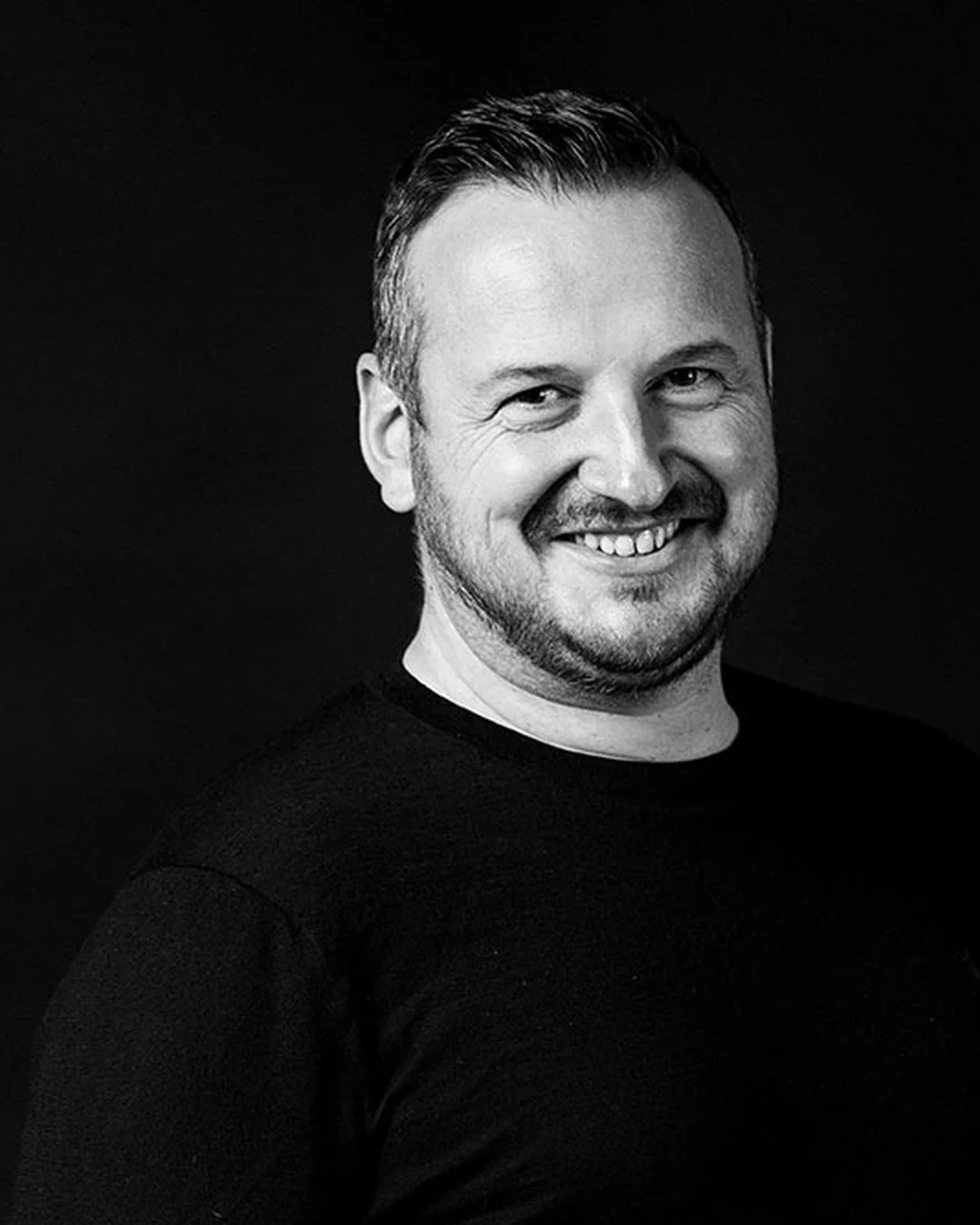
As co-owner and operator of Château Bernateau in Saint-Etienne-de-Lisse, France, Pierrick Lavau’s formation runs through the estate itself: its 7.5 hectares, its right-bank limestone, its clay parcels, and the shared decisions made with Karen Lavau. The house gives his work a practical inheritance, one in which soil structure, grape sorting, and the move to organic growing form a direct line from land to bottle.
The Training At Château Bernateau, formation is less a school than a place of work. Lavau’s career history centers on the estate, where his role joins ownership to daily operation, and where the smallest physical facts of the vineyard carry weight. He aims for the highest possible quality and personal character from the estate’s 7.5 hectares. That aim is not an abstract standard; it is a way of reading the place parcel by parcel, then asking each bottle to carry something recognizably its own. The right-bank limestone soils are central to that reading. Lavau links them to saltiness and freshness in the wines, a sensory connection that gives the estate’s geology an inherited voice: older than the grower, but carried forward through the grower’s decisions.
The Lineage The clearest turn in the estate’s recent line came with Karen Lavau. Together, Pierrick and Karen began with sustainable farming and chose to go organic in 2007, making the farming philosophy part of the château’s modern inheritance rather than a separate label added afterward. Organic certification has applied to Château Bernateau since the 2012 vintage, which was put on the market in 2014. Those years place the estate’s environmental choices within the life of actual wines, moving from vineyard practice to certification to release. In the clay vineyards, Lavau uses grass cover as part of organic growing because it helps keep the soil from becoming compact. The detail is humble, almost agricultural before it is aesthetic, yet it reveals how the estate line is maintained: by keeping the ground itself open enough to live, breathe, and be worked. Organic growing also changes the work at harvest. Lavau holds that it requires careful grape sorting because the berries are more sensitive, while also being more extractable, fruity, and expressive. In that balance — fragility on one side, expression on the other — the craft becomes a form of attention.
The Table One bottle gives the wider public a precise handle on that work: the 2015 Château Bernateau St.-Émilion Grand Cru. WineAccess attributes Château Bernateau’s status as an exemplary small St.-Émilion producer to Lavau’s detail-obsessed methods, tying the wine’s reputation to a pattern of choices rather than to scale. The table, then, receives more than a bottle from Saint-Etienne-de-Lisse. It receives limestone interpreted as freshness, clay protected from compaction, organically grown berries sorted with care, and a 7.5-hectare estate treated not as a backdrop but as the main inheritance. For Lavau, the through-line is unusually clear: the house forms the grower; the grower listens to the soils; the work returns to the glass. Château Bernateau is presented through a chain of touch points — sustainable farming, the 2007 organic decision, the 2012 certified vintage, and the released wines that follow.
FAQ What tradition or house shaped Pierrick Lavau? Château Bernateau shaped his work through its 7.5 hectares, right-bank limestone soils, clay vineyards, and organic farming choices.
Explore
Similar Winemakers