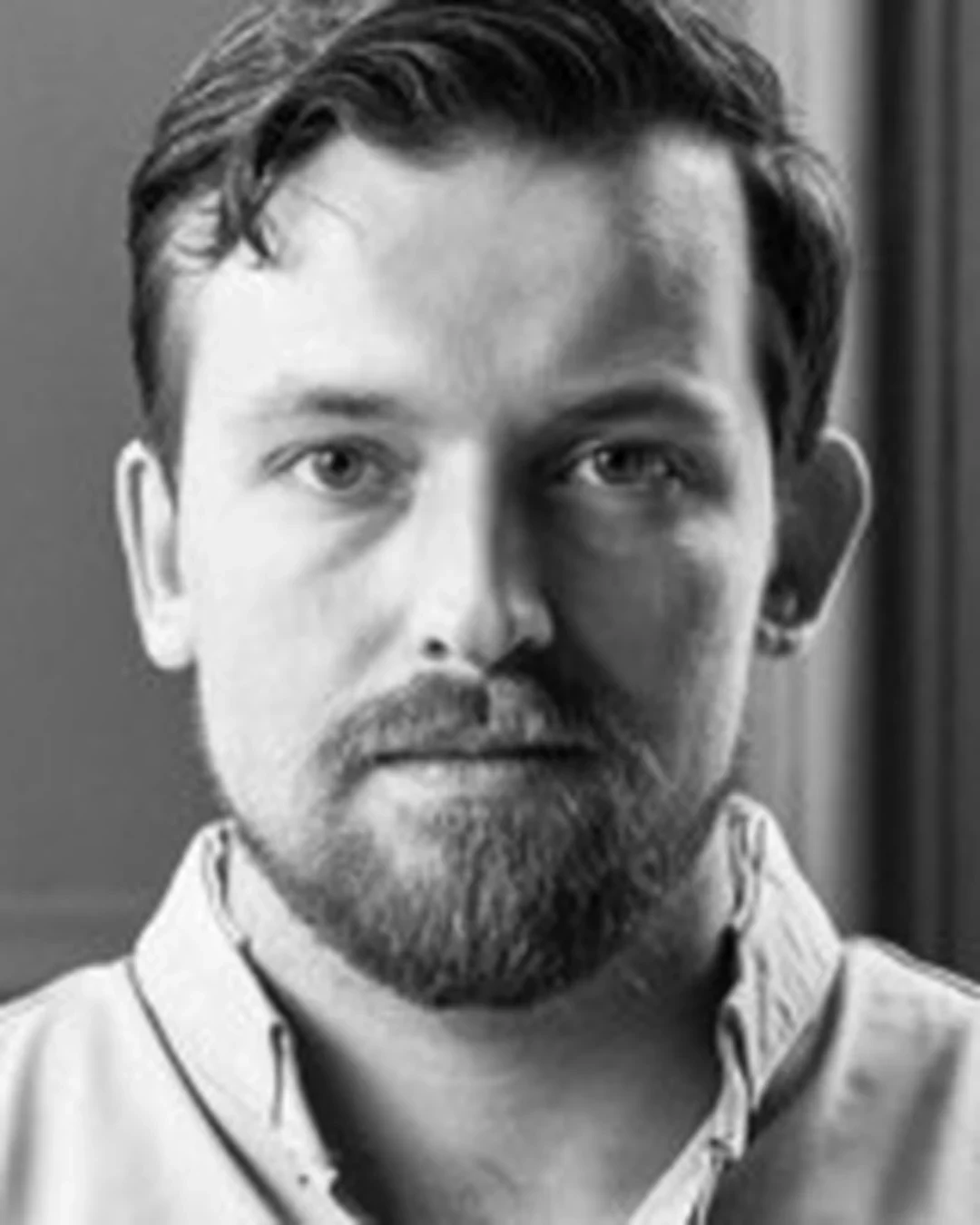
i. Biography
As Executive Chef of Restaurant Hemel & Aarde, the kitchen practice around Rene van der Weijden is built on daily reading rather than fixed formula: the morning’s deliveries, the season’s pressure, and the limits of what nature makes available. Fermentation, pickling, and preserving operate as core mise en place, not garnish. They deepen flavor, hold produce longer, reduce waste, and keep the plate tied to the season without treating seasonality as a slogan.
Training and Lineage
Dutch culinary schooling gives technique a baseline of order: product handling, repetition, discipline, and restraint before composition. Groenhorst and Koksopleiding in Wageningen gave Rene van der Weijden that foundation, and the work still shows it in measured technique, careful handling, and an ingredient-first structure. The chefkok role at Hemel & Aarde requires precision without rigidity and invention without clutter. In Rene van der Weijden’s case, the path reads as a steady narrowing of attention: Dutch produce, preservation, and cooking that responds to time, weather, and supply rather than forcing a fixed repertoire onto the day.
Present Day
Utrecht gives Hemel & Aarde its immediate context, but the kitchen’s operating principle is availability. Service starts with what nature and the day allow; the finished plates are expected to read as composed, layered, and deliberate rather than reactive. Fermentation functions as a working technique in the kitchen’s flavor system. Pickling and preserving bring acidity, texture, sweetness, bitterness, and earthiness into closer contact with the ingredient, while also extending the useful life of produce and reducing waste. The point is not to signal fermentation, but to make it do work. Vegetable-led cooking at Hemel & Aarde places forgotten vegetables, delicate fruits, and foraged flavors in the center of the plate, with fish and meat in support. Rene van der Weijden’s dishes highlight Dutch ingredients and have been described as inventive, occasionally daring, elegant in presentation, often bold in flavor, and detailed. The concentration comes from editing: each element has to justify its place. The raw kingfish rolled in herbs with various textures of red cabbage, including aromatic kombucha and a horseradish ice pearl, shows the kitchen’s grammar clearly. Michelin cites the dish as an example of Rene van der Weijden’s inventive, occasionally daring cooking with Dutch ingredients. The plate sets freshness against fermentation, softness against crunch, and cold brightness against aromatic lift. Kitchen culture is part of the craft system, especially where detail and preservation require shared discipline. Rene van der Weijden puts it plainly: “Een prijs voor hem voelt als een prijs voor ons allemaal. We zijn één grote familie, wij hebben geen witte of zwarte brigade. Wij zijn met z’n allen: grijs!”
Peer Recognition
Michelin’s citation of the raw kingfish with herbs, red cabbage textures, aromatic kombucha, and horseradish ice pearl identifies the kitchen’s working traits: Dutch ingredients, detail, bold flavor, elegance, and controlled risk. The broader recognition belongs to a disciplined Utrecht practice built around vegetables, preservation, fermentation, and nature’s changing supply. In Rene van der Weijden’s cooking, authority comes from exact choices rather than excess: technique serving the ingredient, and the plate holding only what has earned its place.
Profile updated July 2026
FAQ
Asked of Rene
What does Rene van der Weijden currently do?
Rene van der Weijden is chef at Hemel & Aarde — €€€ · Modern French.
Where did Rene van der Weijden train or study?
Rene van der Weijden trained at Groenhorst and Koksopleiding in Wageningen.
What is Rene van der Weijden known for?
Fermentation.