i. Biography
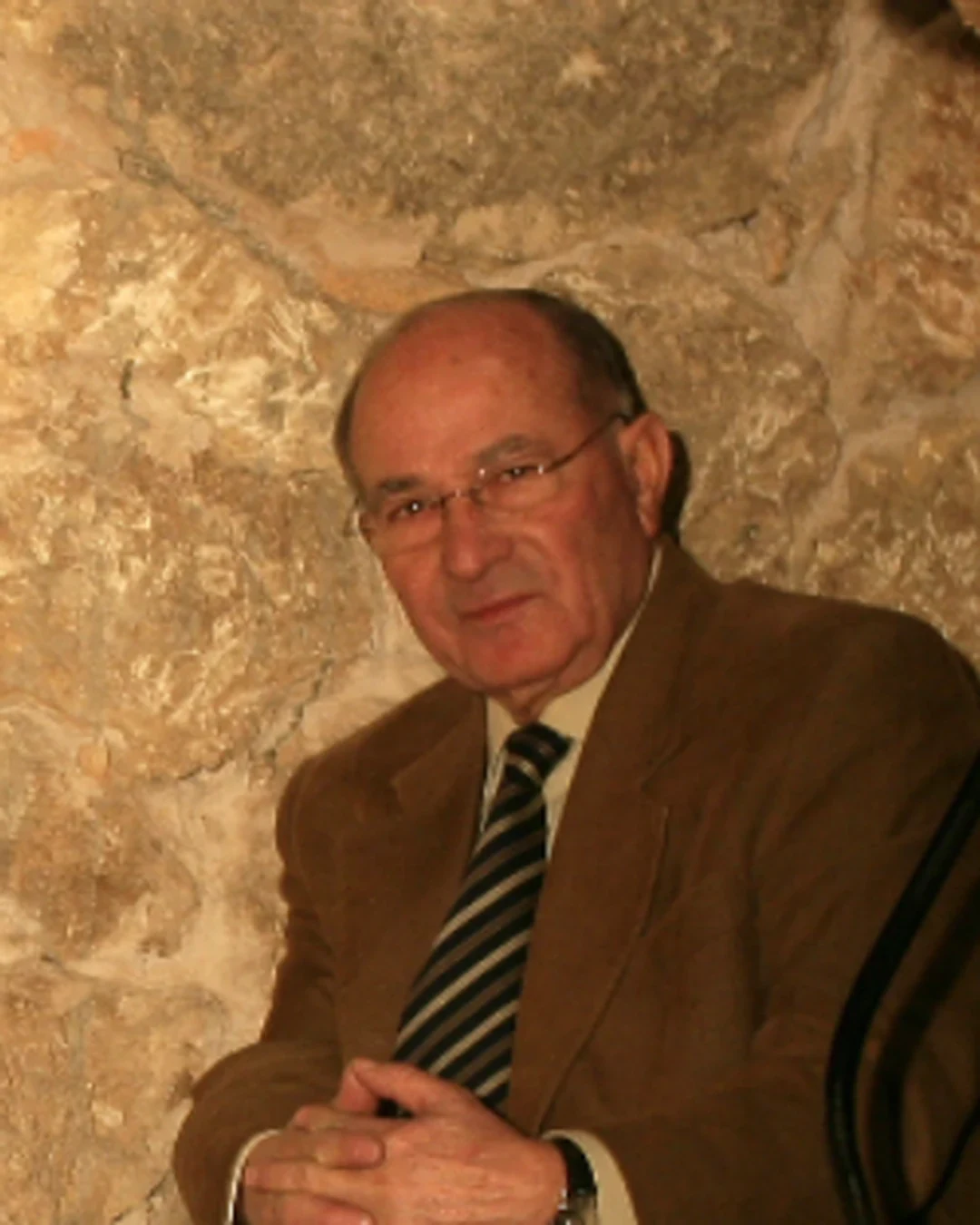
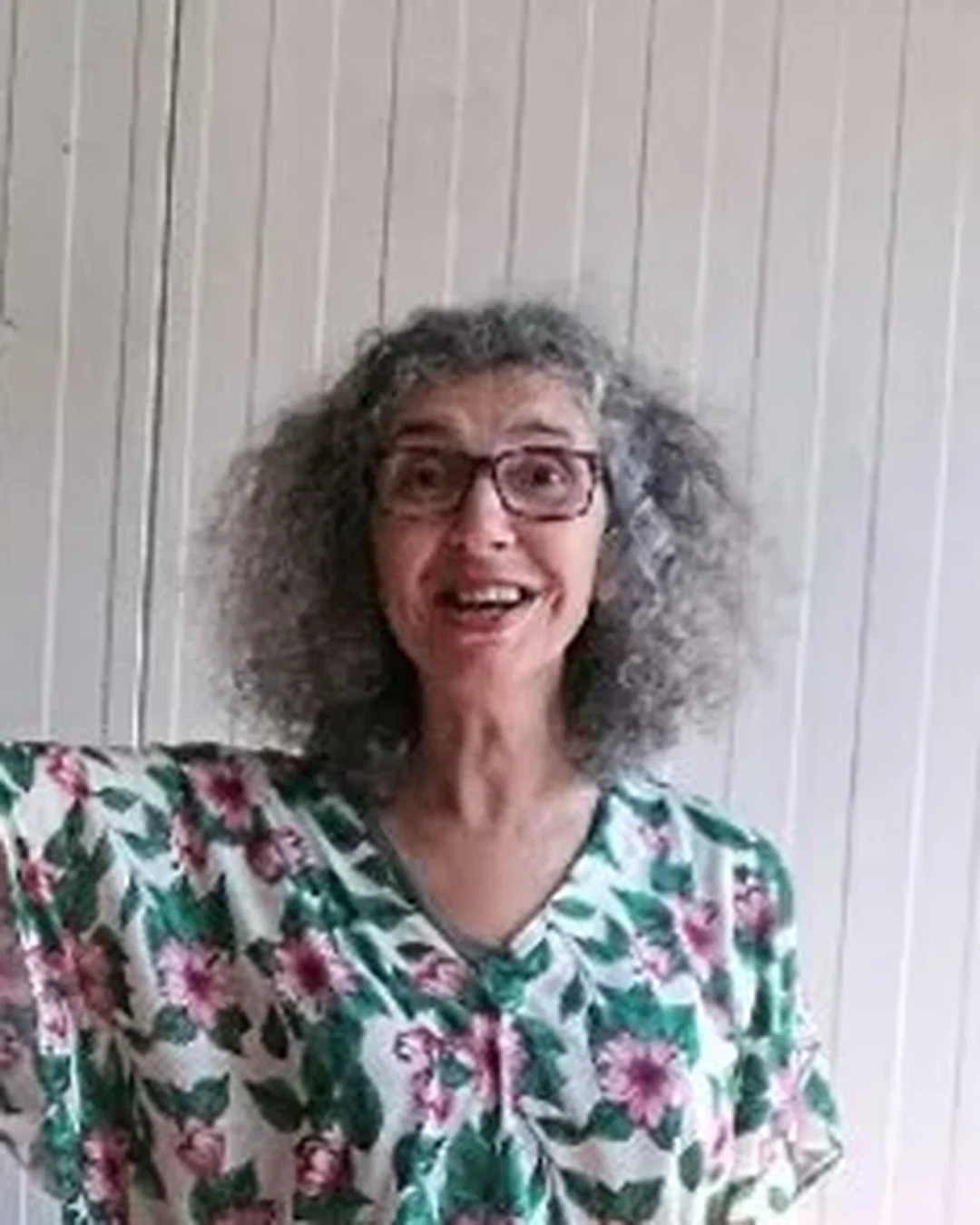
Sara Dionísio, co-owner of Casa de Mouraz in Tondela, Dão, Portugal, comes to wine with the formation of a sociologist: a way of reading people, place, inheritance, and change before translating any of it into the cellar. Before the language of varieties and vintages, there is the human map of how a life moves toward a house, and hers is framed by a line she gives with disarming directness: "So, I roamed to the North and love led me to create the Casa de Mouraz."
The Training Sociology is the first discipline named in Sara Dionísio’s career arc, and it gives a useful key to her work at Casa de Mouraz. The subject asks how communities form, how customs endure, and how individual choices become part of a broader pattern; in Tondela, those questions meet the vineyard through the Dão varieties she is associated with. Her specialties are Encruzado, Touriga Nacional, and Baga. Each name carries a different register in Portuguese wine, and together they place her work in conversation with both white and red traditions rather than a single fixed category. One clear marker of that approach is Casa de Mouraz Branco 2015 Dão, a white wine made from an old-vine field blend of around 15 varieties. The detail is important here, as it places the wine inside a mixed planting rather than a simplified varietal statement, allowing the vineyard itself to speak through many grapes at once. Her language around making wine can be plain and technical at the same time: "we prefer to make it in a tank without barrel to keep more these freshness and these these the characteristics of the grape." The emphasis is not on ornament; it is on freshness, grape character, and restraint.
The Lineage The lineage here is not a list of named teachers. It is a movement: a sociologist’s eye drawn northward, love becoming a house, and a Dão address becoming the center of the work. Casa de Mouraz gives that movement a fixed point in Tondela. From there, Dionísio’s connection to Encruzado, Touriga Nacional, and Baga reads less like a portfolio than a set of relationships, each variety carrying its own memory of place. The old-vine field blend behind the 2015 Branco extends that sense of inheritance. Around 15 varieties in one white wine suggests a vineyard tradition built on coexistence, where the identity of the bottle is plural by design. There is also resilience in the way she speaks about difficulty. Her words are stark and forward-facing: "This tragedy represents a big obstacle, but we don’t want to give up!" In that sentence, the family-story tone of her path hardens into resolve.
The Table For a reader arriving through Dão wine, the most concrete invitation is the 2015 Branco: white, old-vine, field-blended, and tied to Casa de Mouraz by name. It is the signature work that makes the broader story tangible. Around it sit the varieties that define Dionísio’s craft notes: Encruzado for the white-wine thread, Touriga Nacional for one of Portugal’s major red identities, and Baga for another demanding Portuguese grape. Together, they give her table a regional grammar without reducing it to a single grape or style. The result is a portrait of a co-owner whose path begins outside wine, enters it through love and place, and continues through decisions that protect freshness and grape character. In Tondela, that is not an abstraction; it is a way of making a bottle carry its origins without excess noise.
FAQ
Explore
In the same rooms
Similar Winemakers