i. Biography
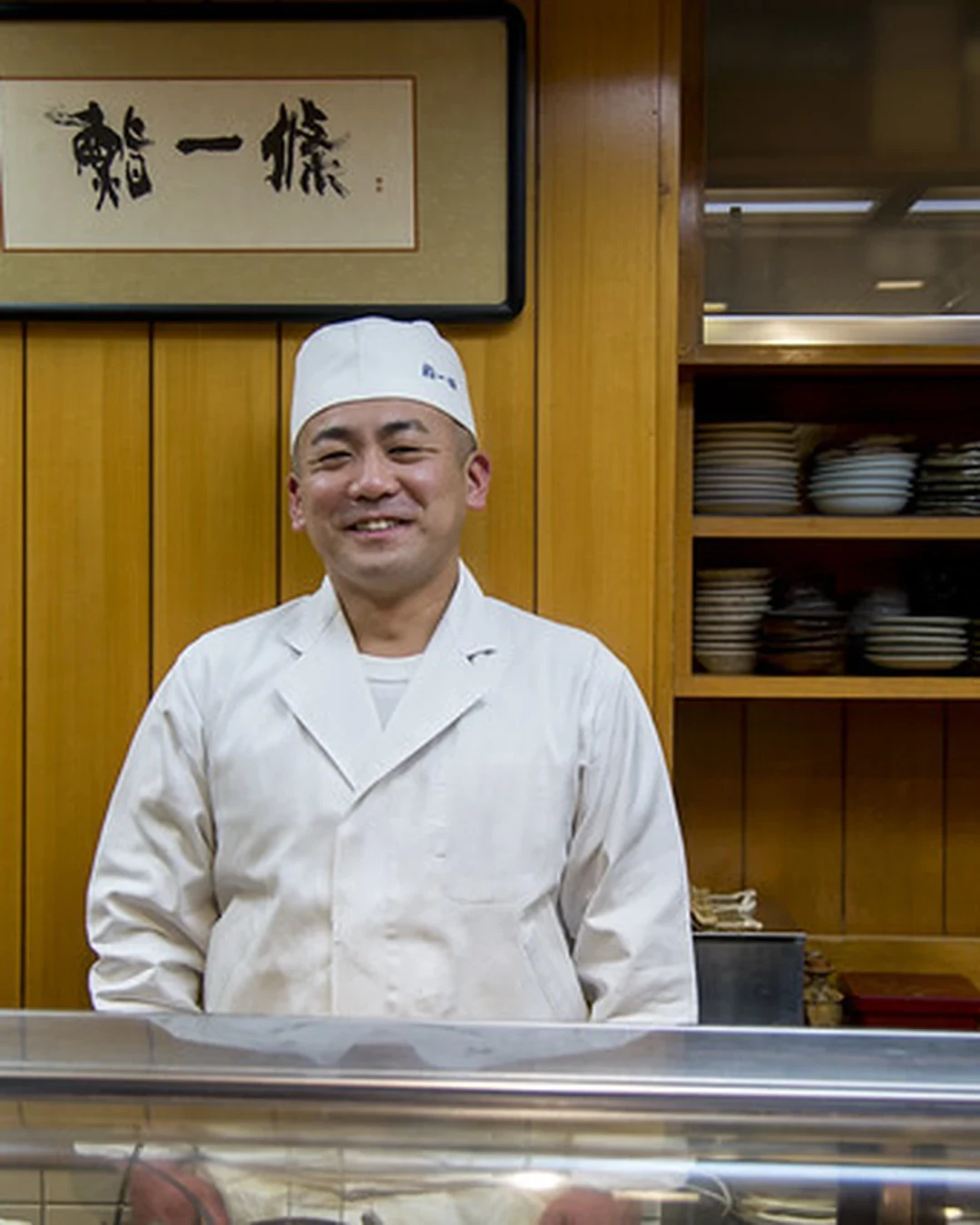
Owner-chef work in Edo-style sushi depended on repeatable control: pressure over shari, rice seasoning, fish cutting, and the calibration of vinegar and salt. In Satoshi Ichjijo’s case, that practice moved from training at Sushi Ichijo to work as a trainee at Rokubei restaurant until 2015, then into his own counter. Since 2015, the Tokyo restaurant has presented a style shaped by vinegar, salt, sourcing, and technique, with a 2024 Michelin star marking the work.
Career Arc
Training in sushi is measured less by visible milestones than by correction repeated until it holds. Satoshi Ichjijo trained at Sushi Ichijo before sharpening his craft as a trainee at Rokubei restaurant until 2015. The progression stays close to fundamentals: rice, fish, seasoning, hand pressure, and restraint in intervention. The counter that followed was not a break from apprenticeship so much as a place to apply it under his own name. Owner-chef practice since 2015 at Sushi Ichijo has depended on sequence. Rice temperature, vinegar brightness, salt concentration, fish cut, and the way a topping meets shari each carry weight. In Ichjijo’s work, repetition is not background labor; it is the system that keeps each piece aligned with the next.
Today
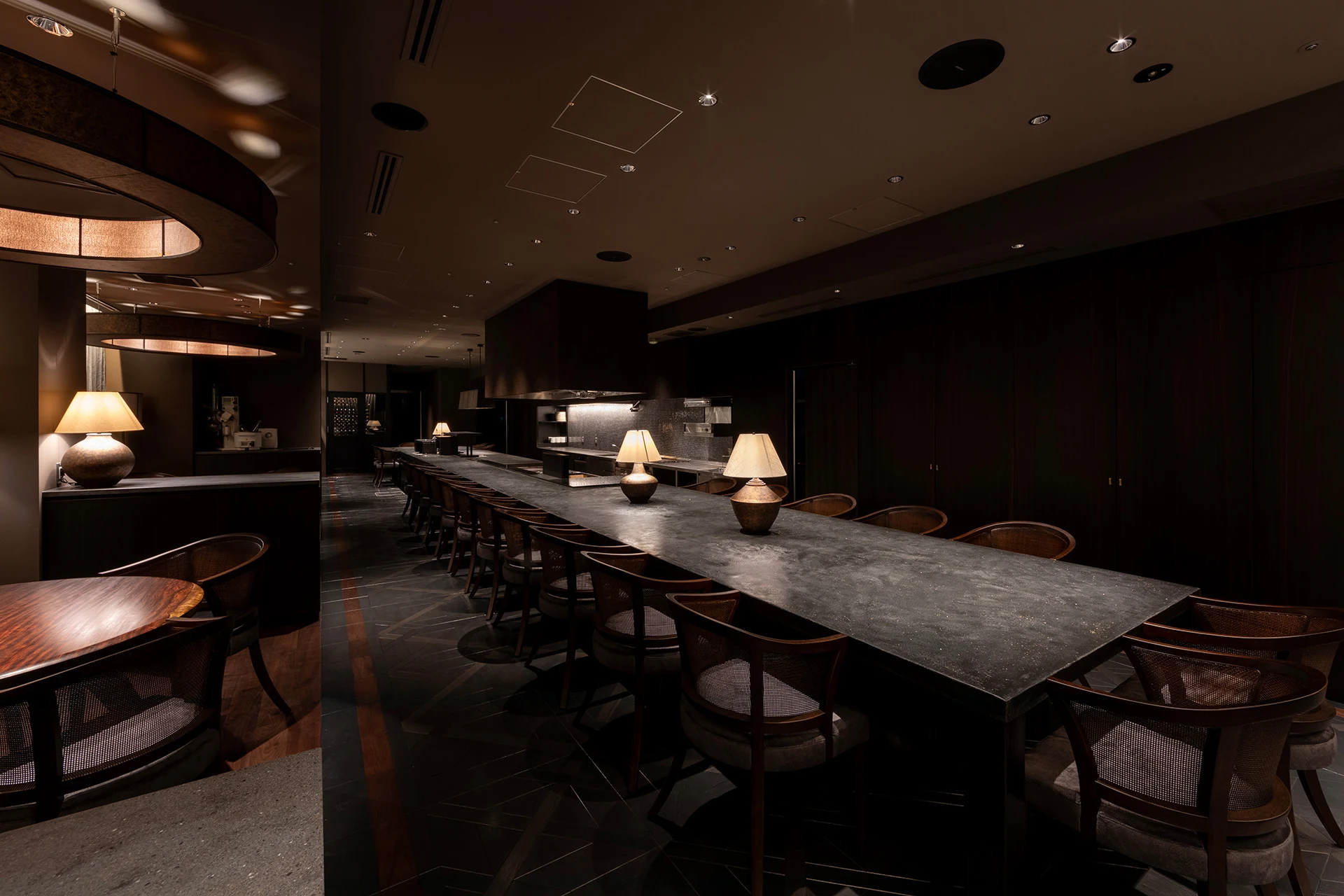
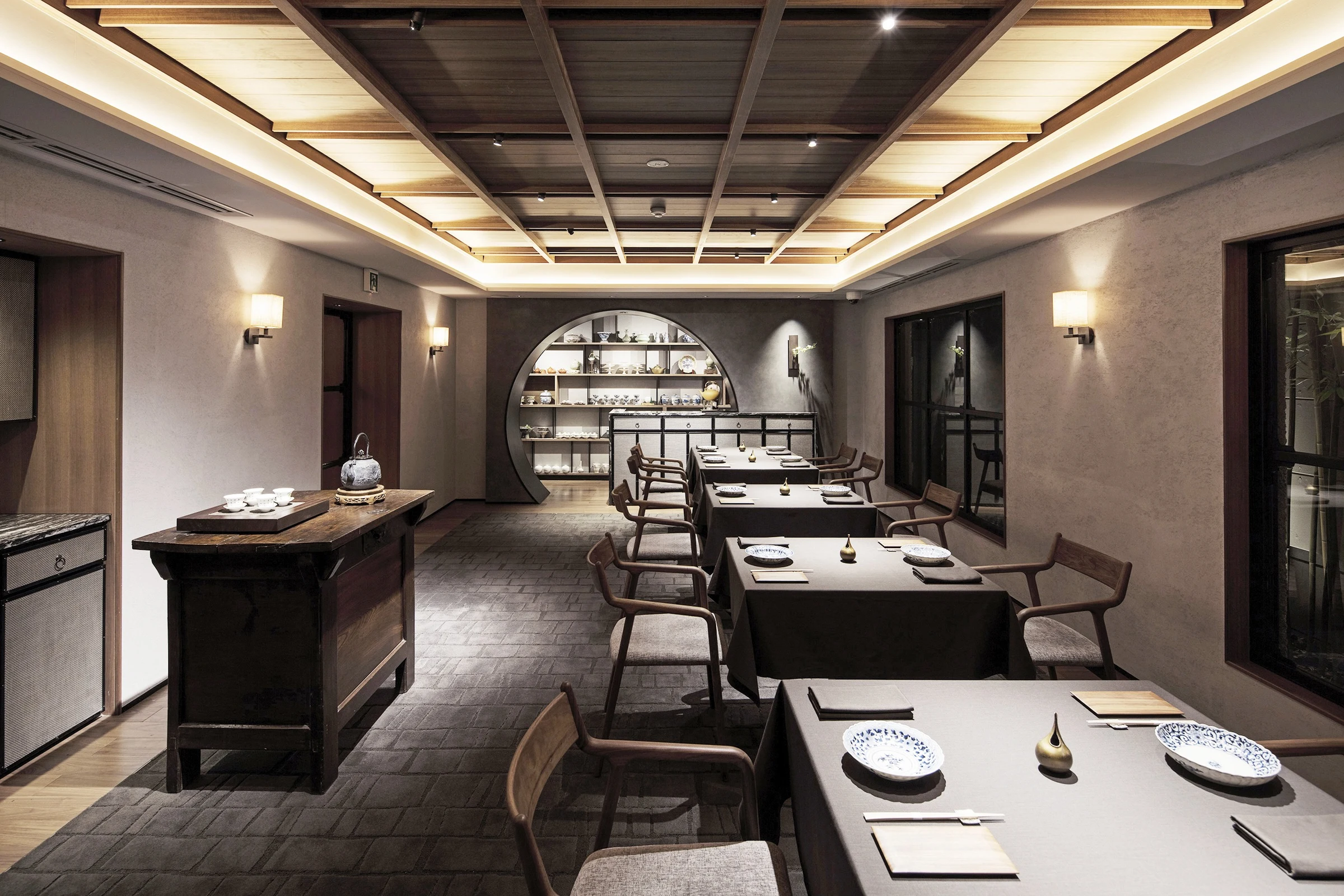
Edo-mae structure at Sushi Ichijo in Tokyo, Japan, gives the present work its frame. Since 2015, Ichjijo has been owner-chef there, using red-vinegar character and focused preparation rather than excess. The counter format suits cooking that asks for close reading: seasoning is direct, garnish is functional, and the rice-fish relationship remains central. Simmered conger eel served in two side-by-side preparations, one salted and one sauce-dipped, makes seasoning legible. The same ingredient is set up for comparison, showing how salt and sauce change emphasis without changing the base product. Tamagoyaki wrapped around rice with kobashira blended in works in a smaller register: egg, shellfish, texture, and shari compressed into one piece. Japanese halfbeak and horse mackerel accented with ginger and a mirin-soy reduction show the same discipline from another angle. Ginger brings lift; the mirin-soy reduction brings depth; the fish remains the subject. Across these pieces, Ichjijo’s Edo-style sushi is defined by vinegar, salt, sourcing, and technique rather than abundance.
Career - Owner-chef — Sushi Ichijo, Tokyo, Japan (2015–present) - Trainee — Rokubei restaurant (until 2015) Education: Sushi Ichijo
Credentials
Recognition for Sushi Ichijo includes MICHELIN Guide — One Star for Sushi Ichijo (2024). For the trade, the useful point is the practice behind the mark: since 2015, Ichjijo’s counter in Tokyo, Japan, has been built around Edo-style sushi, with vinegar, salt, sourcing, and technique doing the visible work.
FAQ What role does Satoshi Ichjijo hold? Satoshi Ichjijo is chef at Sushi Ichijo — Sushi. Where did Satoshi Ichjijo train or study? Satoshi Ichjijo trained at Sushi Ichijo. What recognition has Satoshi Ichjijo received? MICHELIN Guide — One Star for Sushi Ichijo (2024).